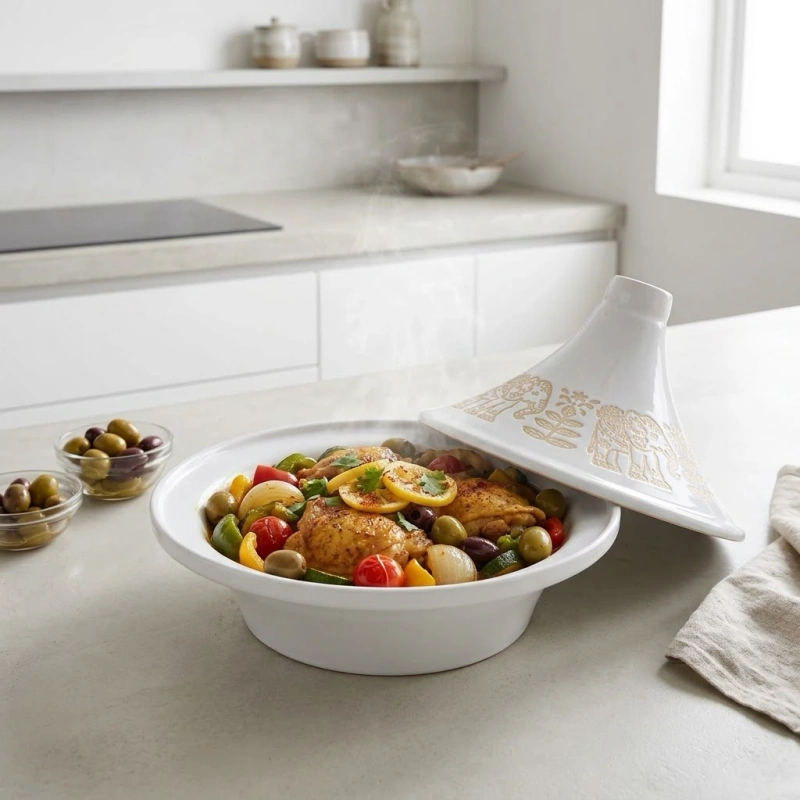
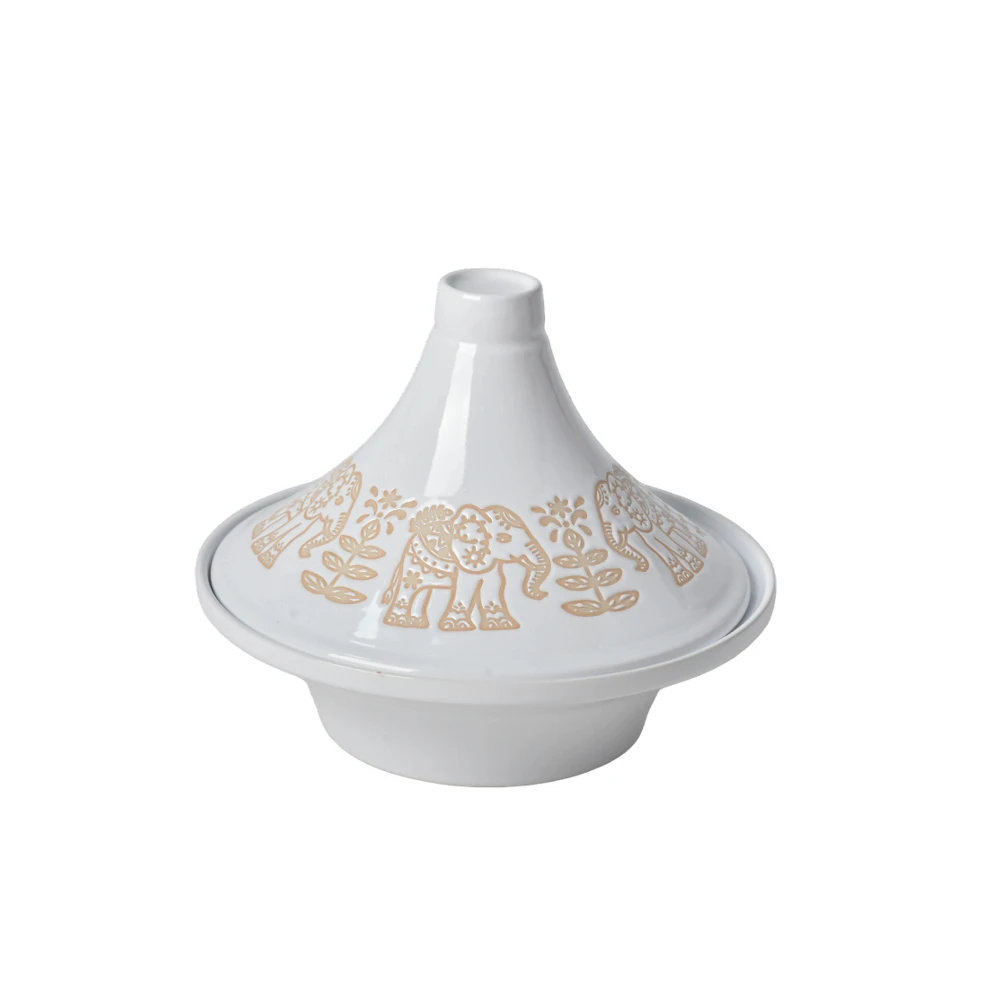
The tagine pot is a traditional Moroccan cooking vessel consisting of a shallow, round base and a conical lid. Its unique structure allows steam and moisture to circulate during cooking, enabling the flavors of meat, vegetables, and spices to meld perfectly. For kitchenware brands, wholesalers, and retail buyers, the ceramic tagine—combining culinary functionality with distinctive cultural character—represents a unique niche within the ceramic cookware market.
What Is a Tagine Pot?
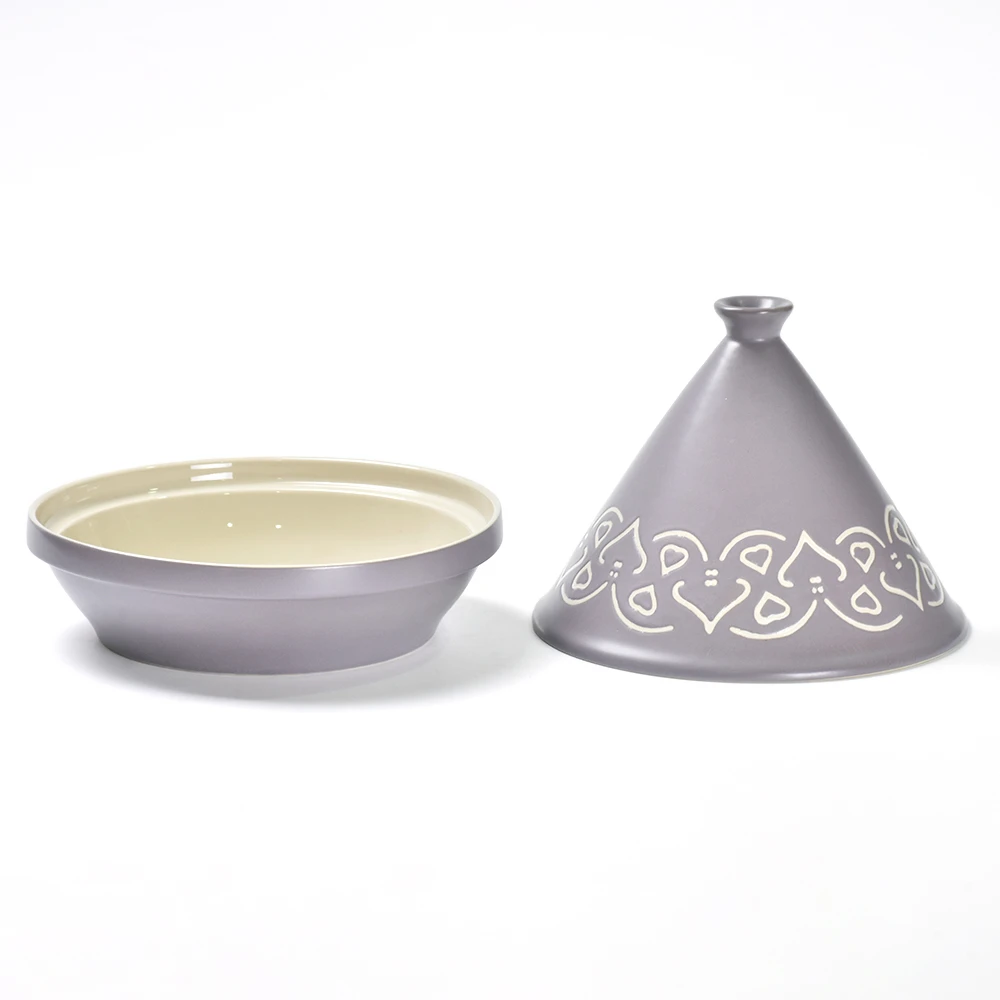
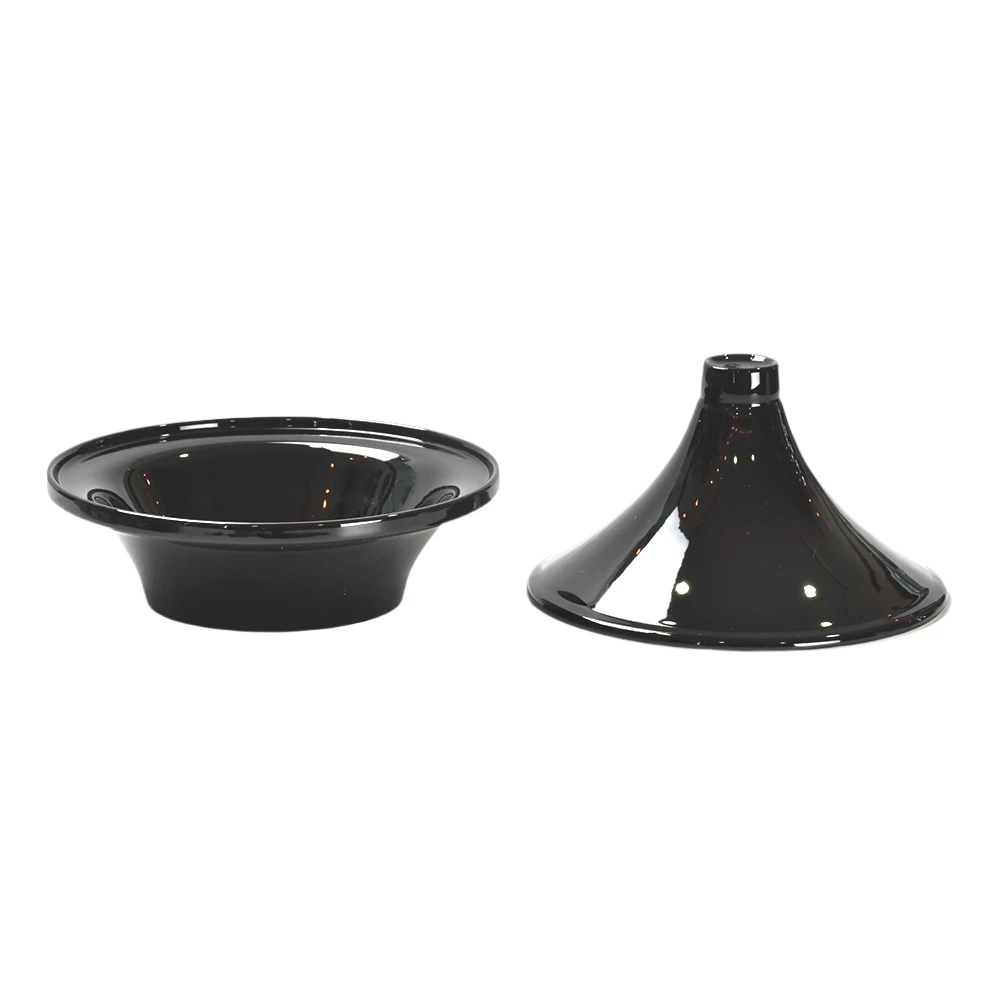
“Tagine” refers to both a traditional Moroccan dish and the specialized cooking vessel used to prepare it. A traditional tagine typically consists of a shallow, round base and a tall, conical lid. Ingredients are placed in the base and cooked slowly at a low temperature, allowing the meat, vegetables, spices, and sauces to develop rich, complex flavors.
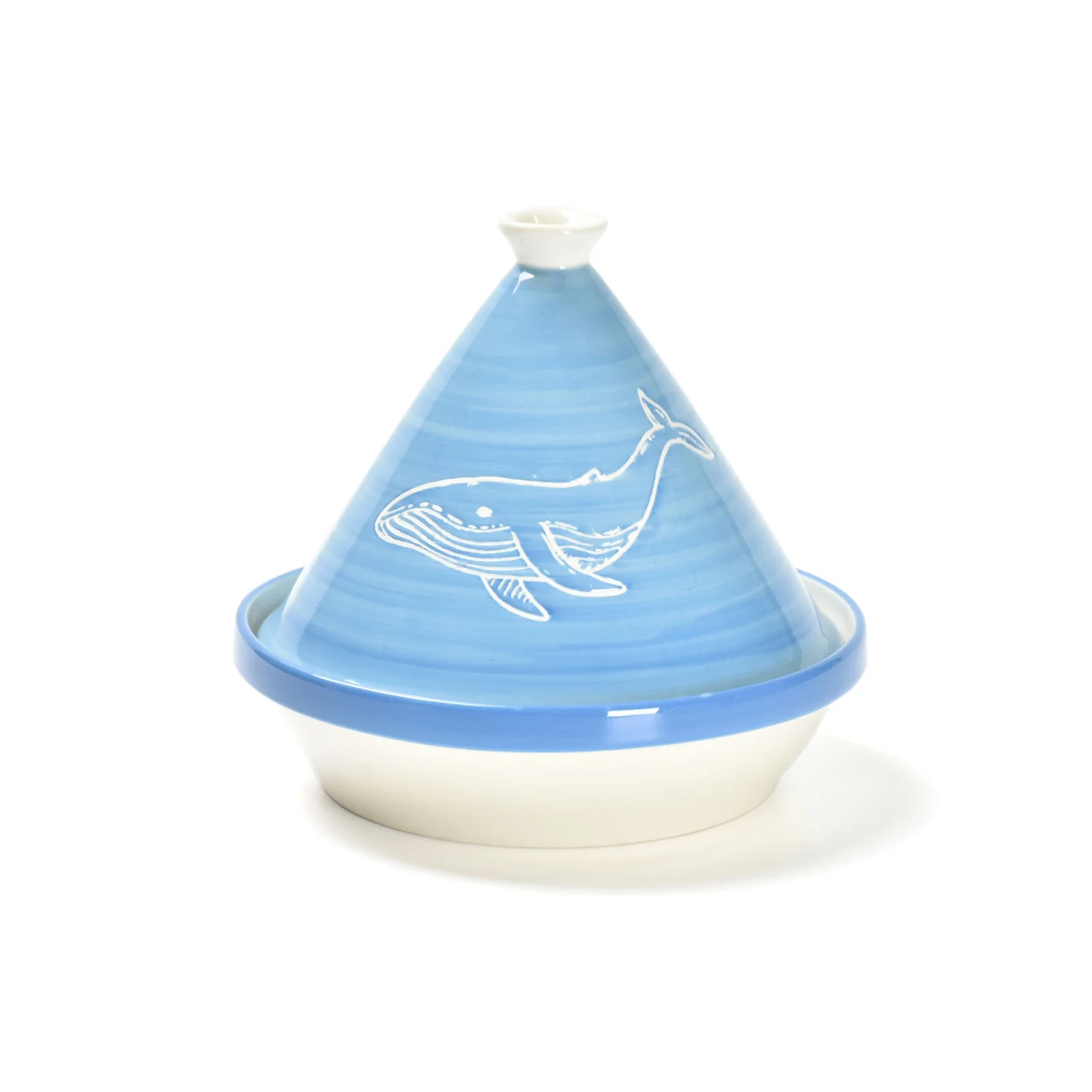
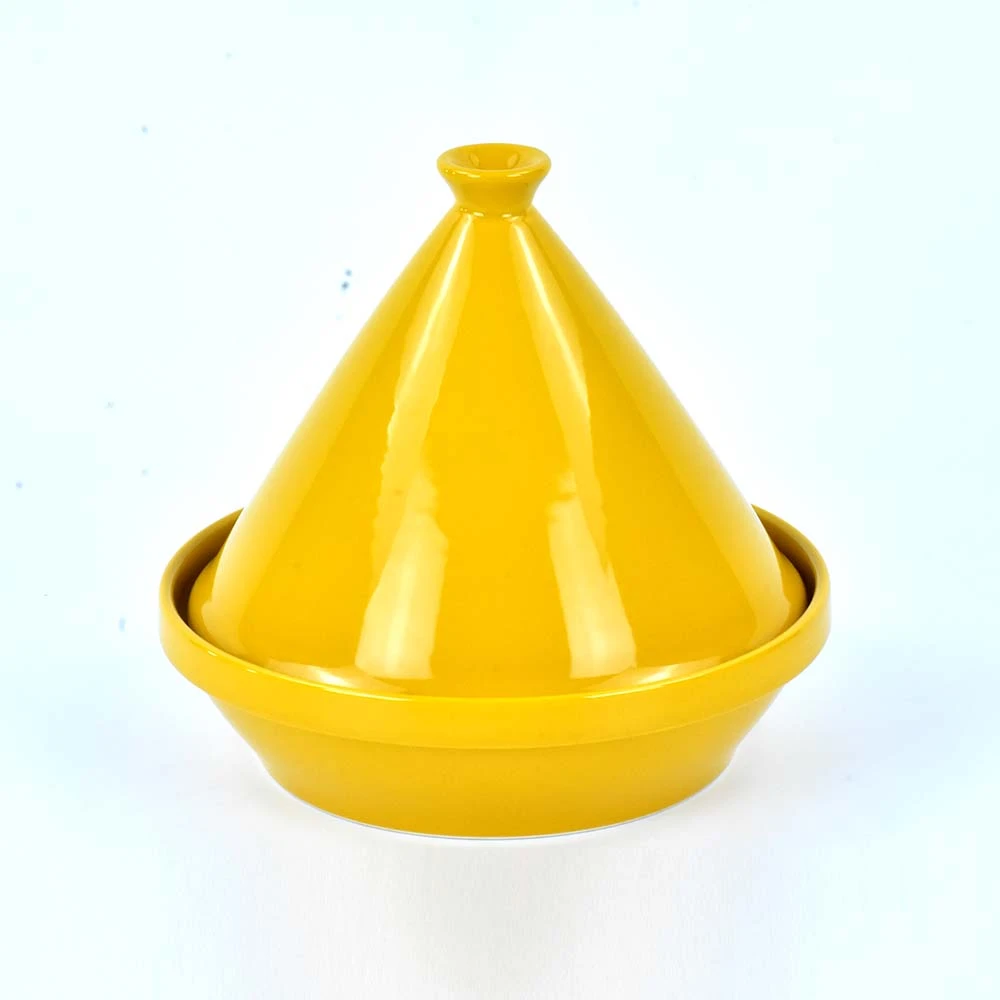
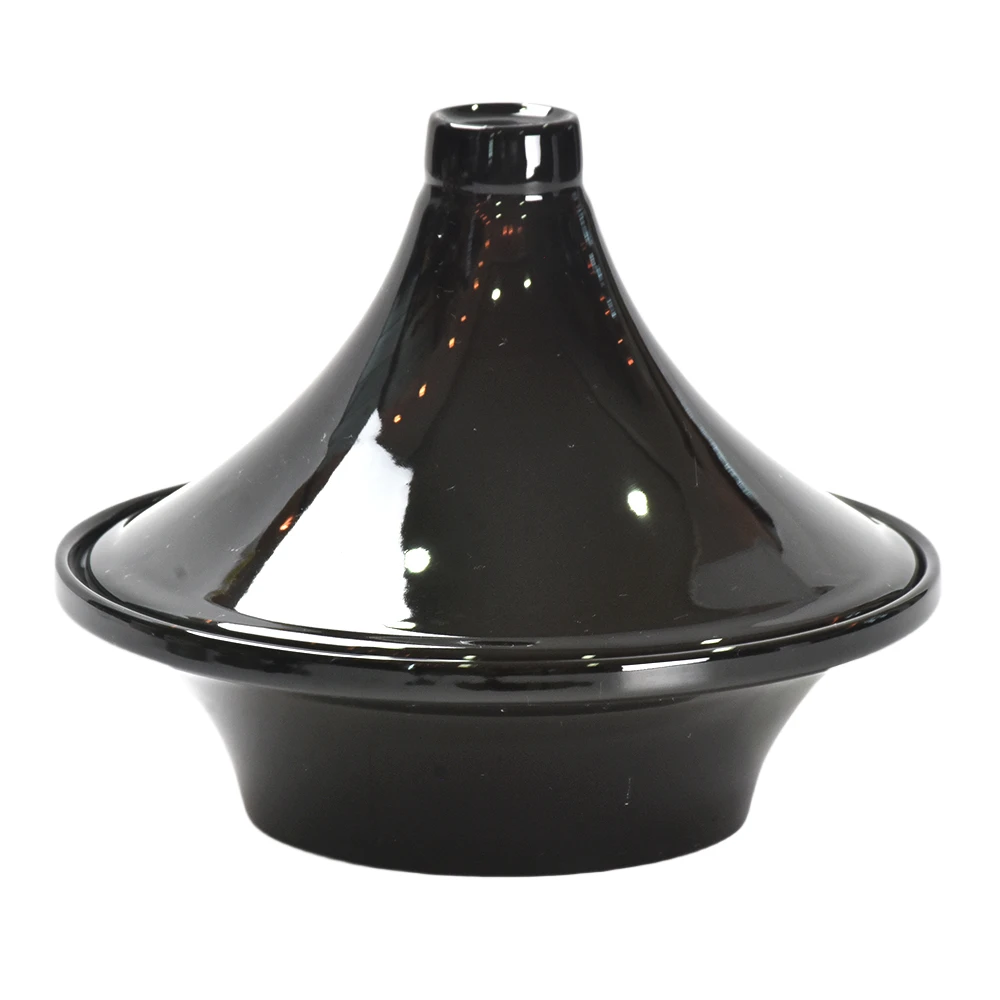
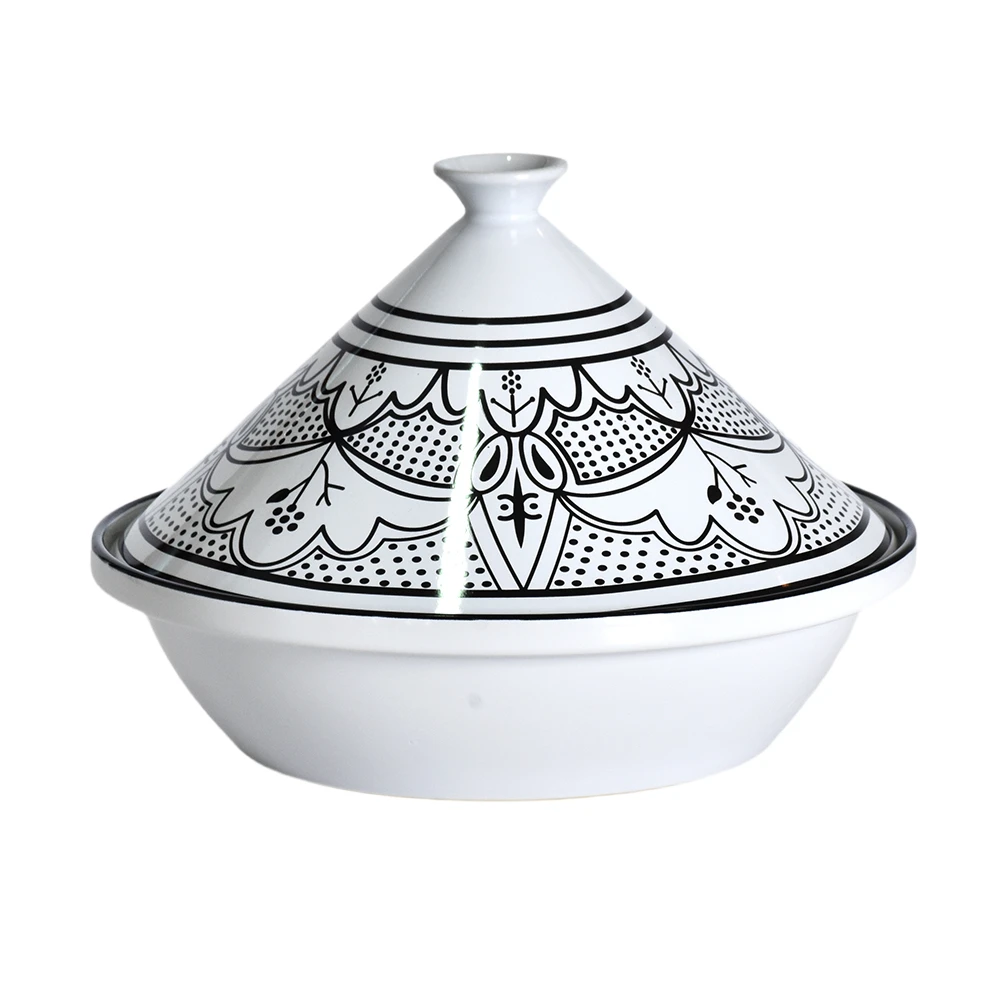
From a product perspective, the ceramic tagine pot is the most common form found on the market today. Ceramic material complements traditional Moroccan cooking methods while offering strong decorative appeal; consequently, beyond home kitchens, these pots are frequently found in restaurants, specialty dining establishments, and the gift and home goods markets.
For B2B buyers, the tagine pot is more than just a piece of traditional cookware. Its distinctive conical shape, cultural heritage, and unique cooking function make it a standout SKU within a kitchenware product line.
Origin of the Tagine
The tagine originated in North Africa and is deeply rooted in Moroccan culinary culture. Traditional tagine cooking emphasizes slow, low-temperature preparation, often utilizing ingredients such as meat, vegetables, olives, lemons, and a variety of spices.
Compared to standard stew pots, the tagine’s most striking visual feature is its conical lid. This structure is not merely decorative; it is an integral component of the traditional cooking process.
As Moroccan cuisine and North African culinary culture have gained global popularity, the tagine has transitioned from a regional traditional tool to a product found in international markets for home goods, kitchenware, and specialty cookware. Today, consumers worldwide can find tagines in various sizes, colors, and decorative styles across specialty kitchen stores, home retail outlets, and restaurant supply markets. This also opens up new avenues for product development among ceramic manufacturers and brands—ranging from traditional and minimalist modern styles to hand-decorated designs and colorful options tailored for the gift market.
How a Tagine Works
To understand what a tagine pot is, it is essential to grasp its unique cooking structure.
The base of the tagine pot holds the meat, vegetables, and seasonings, while the conical lid creates a relatively enclosed cooking environment.
During cooking, steam rises into the conical lid. Upon contact with the cooler lid surface, the steam condenses into water droplets and flows back down the inner walls to the base. This circulation minimizes moisture loss, allowing ingredients to remain succulent even with minimal added liquid.
Consequently, the tagine is ideally suited for low-temperature, slow-cooked dishes.
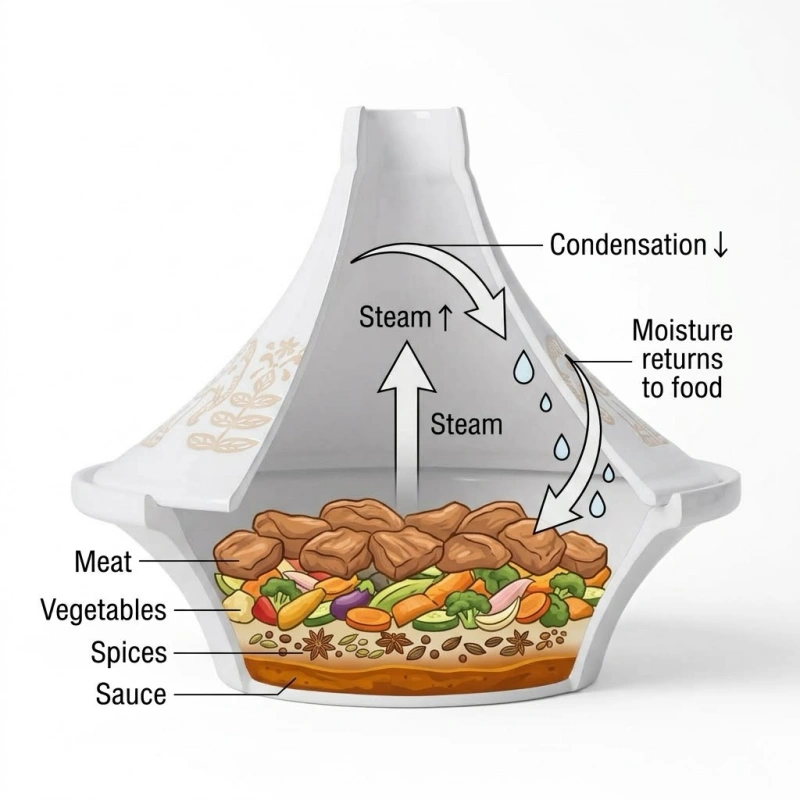
For B2B product development, this structure serves as a key selling point that distinguishes the tagine from standard clay pots, stew pots, or roasting dishes. Product messaging can focus on specific features—such as the “conical lid design,” “steam circulation,” “slow cooking,” and “traditional Moroccan cuisine”—rather than relying solely on aesthetics.
Why Use a Cone-Shaped Lid?
The conical lid is the tagine’s most distinctive design element and a primary visual cue for consumers identifying an authentic tagine.
1. Facilitates Steam Circulation
The conical shape channels rising steam upward; as it condenses and drips back to the base, it helps retain the food’s natural moisture.
2. Ideal for Slow Cooking
The tagine’s design is perfectly suited for low-temperature, long-duration cooking. This allows meat and vegetables to tenderize gradually while melding with spices and sauces.
3. Enhances Product Recognition
Product differentiation is crucial for brands and retailers. While standard round ceramic pots are visually commonplace, the conical lid ensures the tagine stands out—whether on store shelves, in e-commerce imagery, or as a centerpiece on the dining table.
Therefore, when developing a ceramic tagine pot, the conical lid serves not only a functional purpose but also directly shapes the product’s visual identity and market appeal.
What Foods Can Be Cooked in a Tagine?
Tagines are ideal for dishes requiring slow cooking at low temperatures. Common applications include:
- Lamb Tagine: A classic combination featuring lamb paired with onions, spices, and dried fruits.
- Chicken Tagine: Chicken paired with ingredients like lemons, olives, and spices.
- Beef Stews: Suitable for meats that require longer cooking times.
- Vegetable Tagine: Ideal for vegetables such as potatoes, carrots, zucchini, and pumpkin.
- Legume and Grain Dishes: Some tagines can also be used for slow-cooking legumes, grains, and similar ingredients.
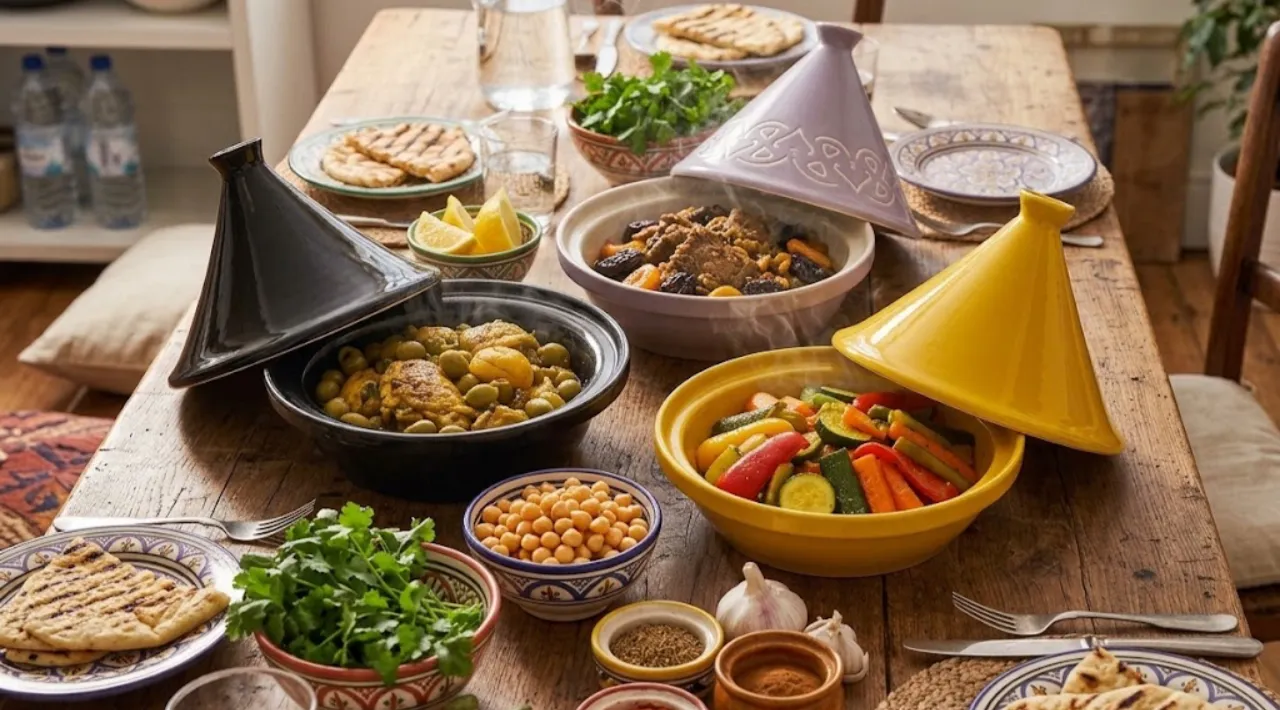
For foodservice brands and cookware retailers, this means the tagine’s utility is not limited to a single dish; products can be positioned around consumer trends such as Moroccan cuisine, slow cooking, and Mediterranean-inspired cooking.
Why Are Ceramic Tagine Pots Popular?
After understanding what a tagine pot is, buyers should also consider why ceramic is the ideal material for this product.
Heat Distribution and Slow Cooking
Ceramics possess excellent heat retention properties, making them well-suited for slow cooking at low temperatures. For a product like the tagine—which emphasizes slow cooking and the melding of flavors—ceramic material aligns perfectly with traditional usage methods.
Traditional Appearance
Ceramic tagines often offer a more traditional and decorative aesthetic compared to standard metal pots. Glazes, colors, textures, and artisanal styles can all be incorporated into the product design.
For home goods brands, this means a ceramic tagine pot can be marketed not just as a kitchen tool, but as a distinctive home product worthy of display on the dining table.
Suitable for Product Differentiation
When developing ceramic cookware, B2B brands often seek designs that distinguish their products from mass-market offerings.
The tagine’s conical lid, round base, and Moroccan cultural elements provide a distinct visual identity. Manufacturers can also customize product assortments—adjusting colors, glazes, patterns, sizes, and packaging—to align with specific brand positioning.
However, specific operating temperatures, stovetop compatibility, and heat resistance should be determined based on the actual ceramic composition, firing process, and product test results, rather than relying solely on the general classification of “ceramic.”
What Should B2B Buyers Check When Sourcing a Ceramic Tagine Pot?
When sourcing ceramic tagine pots, importers, wholesalers, and brand procurement professionals should look beyond mere aesthetics and consider the following aspects:
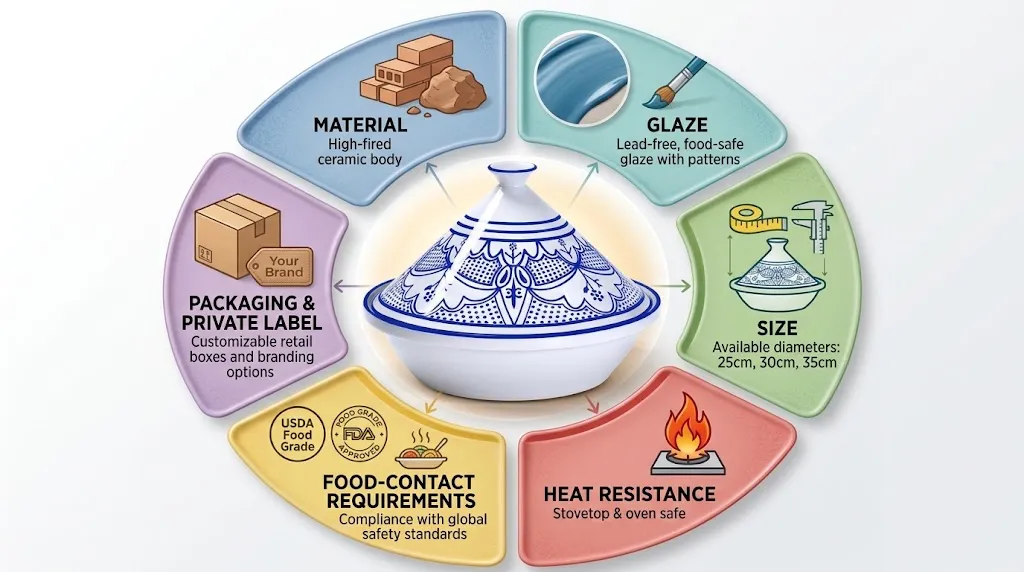
Material and Firing Process
The ceramic body composition and firing process directly influence the product’s strength, water absorption rate, glaze quality, and practical performance. Since different ceramic systems yield varying performance characteristics, suppliers should provide specifications and test data tailored to the specific product.
Glaze and Surface Finish
Tagines typically feature a large surface area, meaning the glaze color and surface uniformity significantly impact the final product’s visual appeal. When purchasing in bulk, it is crucial to verify color consistency, glaze quality, and the stability of any decorative elements.
Size and Product Assortment
B2B buyers can select different sizes based on their sales channels. For instance, smaller sizes are ideal for the gift and home kitchen markets, while medium-to-large sizes are better suited for family gatherings or foodservice environments.
By combining various sizes, colors, and patterns, buyers can create a comprehensive SKU matrix rather than sourcing just a single specification.
Packaging and Private Labeling
For home goods and retail brands, packaging is an integral part of product development. Given the tagine’s strong cultural significance, packaging designs can highlight narratives centered on Moroccan cooking, traditional ceramic cookware, or Mediterranean-style dining.
Brands interested in private labeling can also discuss specific requirements regarding logos, colors, packaging, and product assortments.
Why Choose Qunfa Ceramics for Ceramic Tagine Pots?
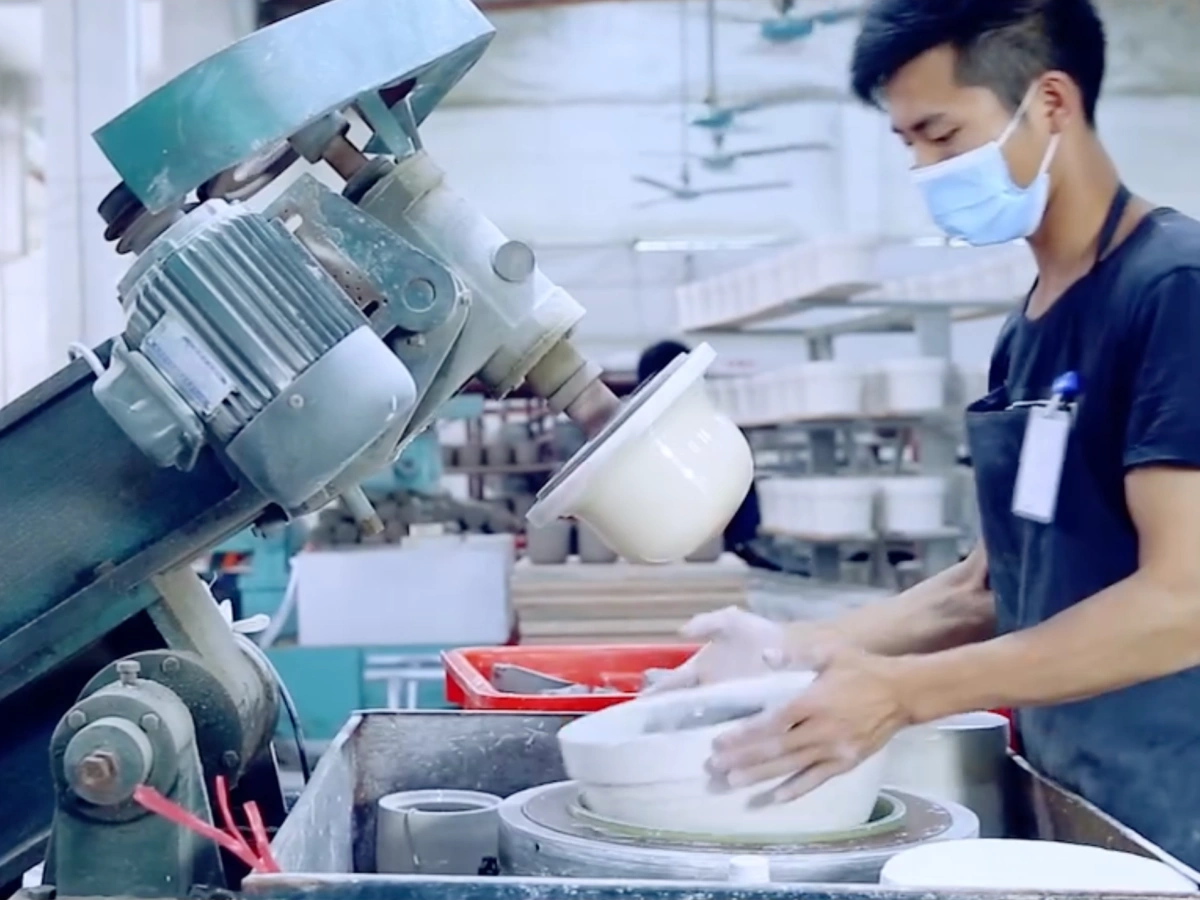
Qunfa utilizes medium-temperature ceramic production technology and possesses mature R&D and manufacturing capabilities. As a household ceramics manufacturer, Qunfa offers a diverse product range, including ceramic tableware, bakeware, pet products, and garden planters. The company has a long history of serving international brands such as Walmart, Costco, Aldi, Disney, C&B, and Michaels, and has built extensive manufacturing experience developing ceramic products for the global market.
For importers, wholesalers, and brands specializing in home goods or kitchenware looking to develop ceramic tagine pots, Qunfa offers collaborative product planning—covering size, color, glaze, decoration, and packaging—tailored to specific target markets, product positioning, and sales channels.
If you are looking for a manufacturer capable of supporting the product development and volume procurement of ceramic kitchenware, contact Qunfa Ceramics to discuss your requirements for tagines.