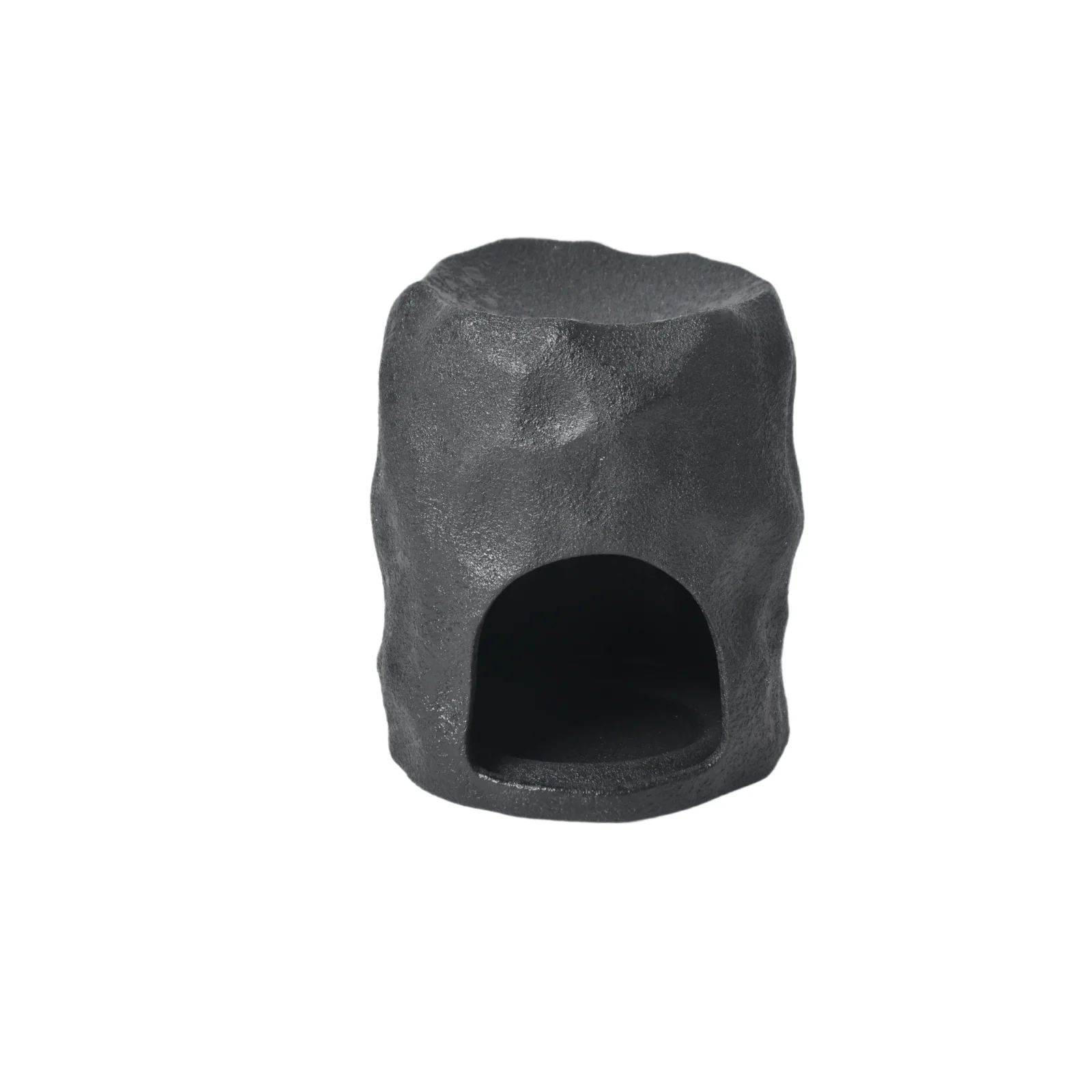
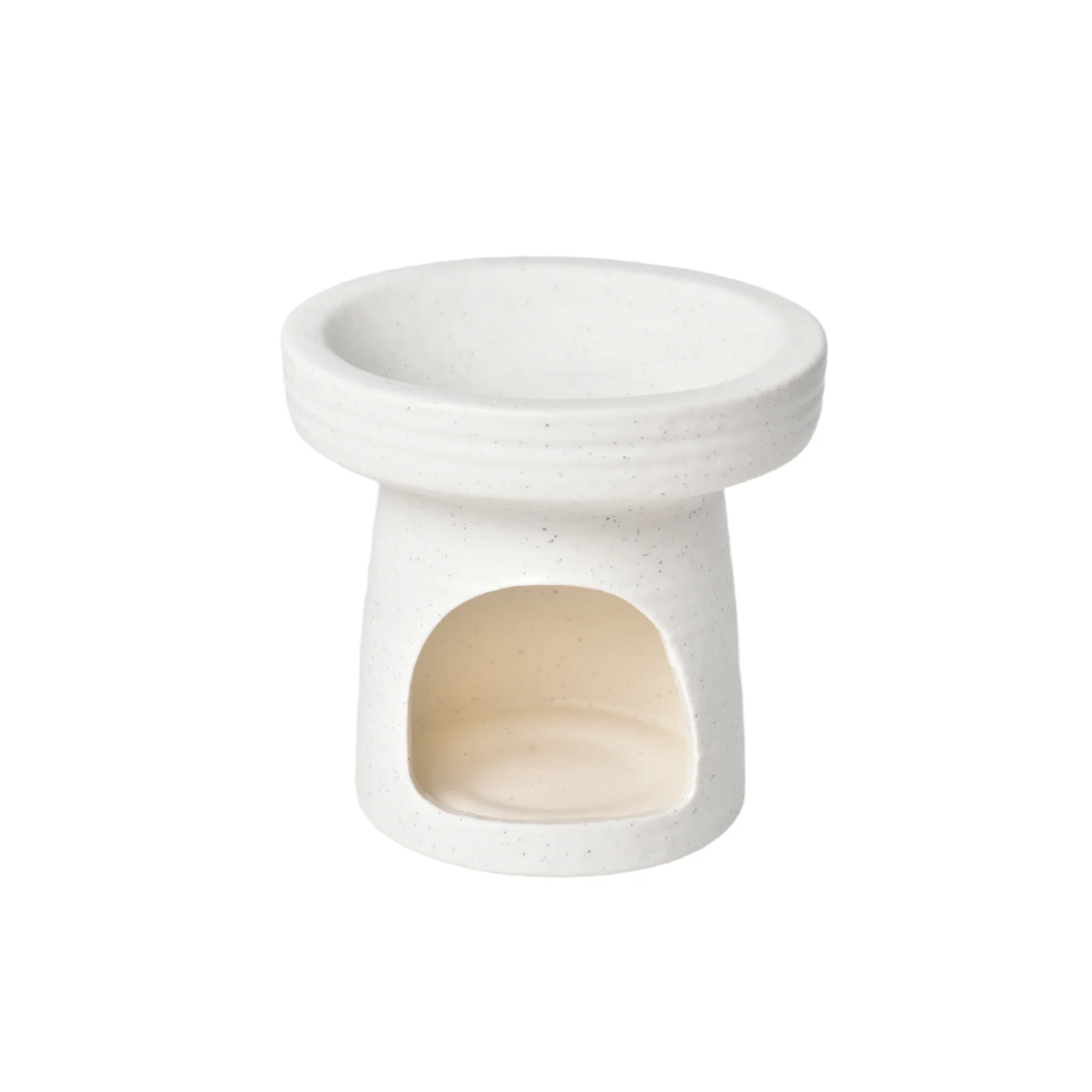
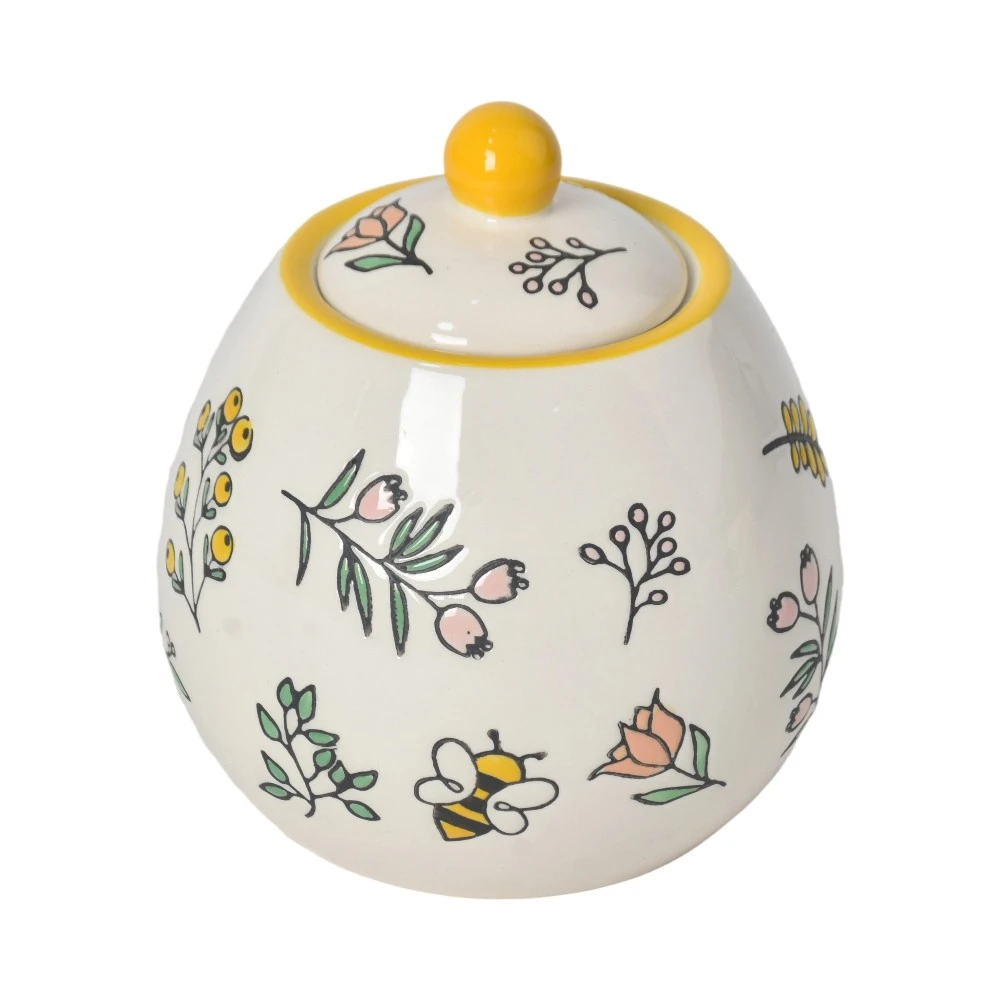
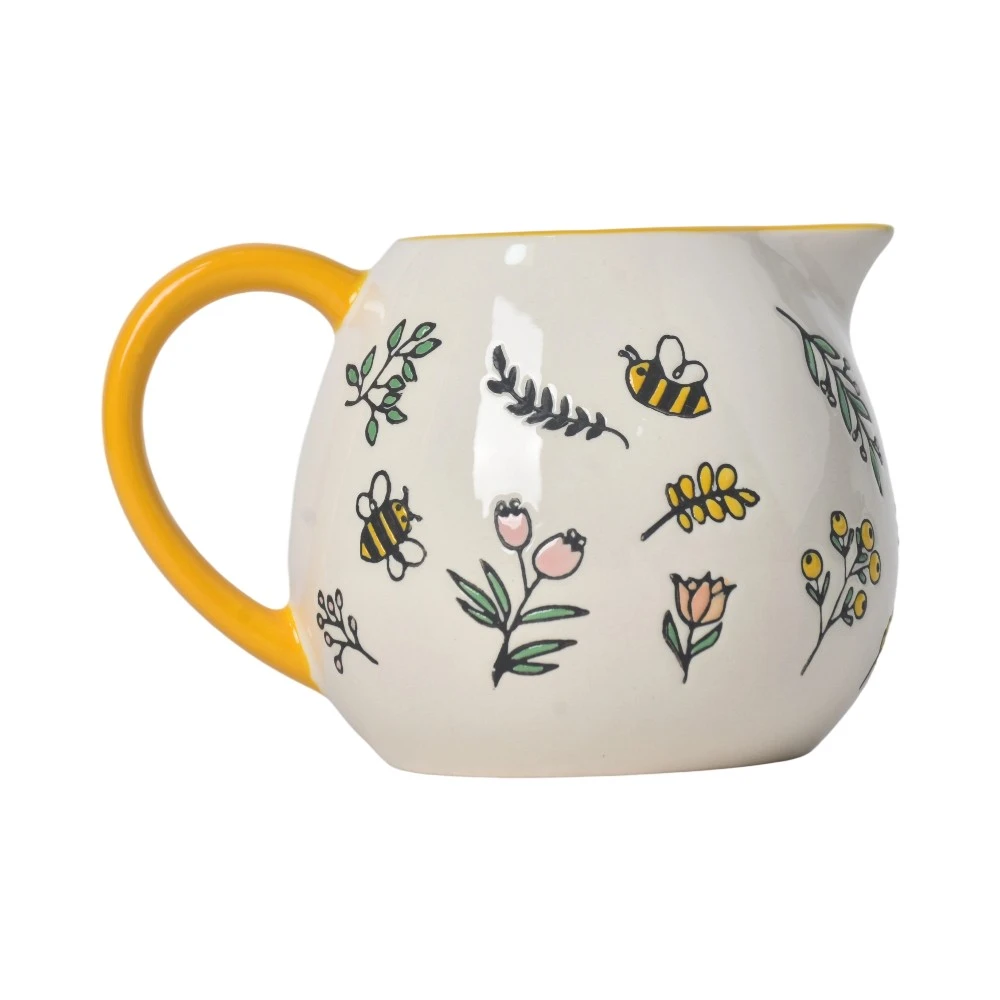
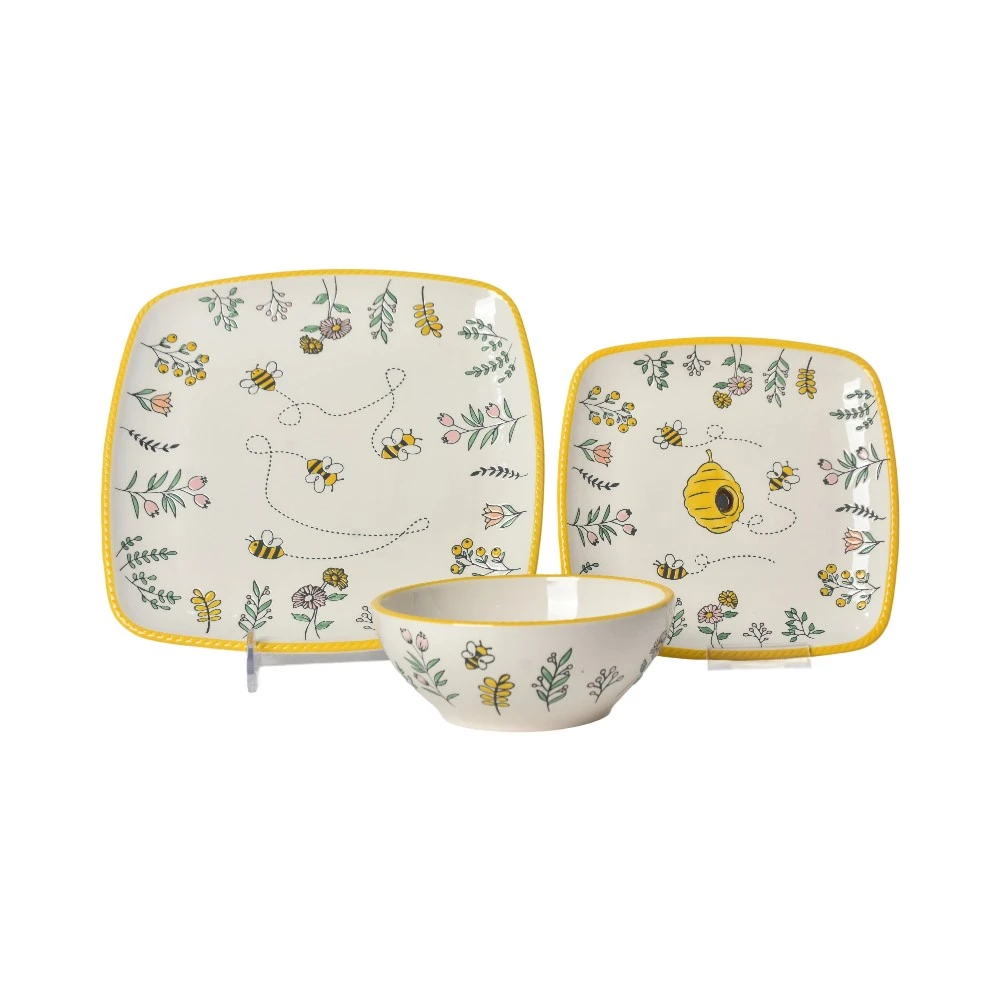
Private label ceramic tableware helps Amazon, hotel supply, and home brands launch branded tableware faster by using proven ceramic products with custom logos, colors, gift boxes, and packaging—without taking on the full cost and risk of new product development.
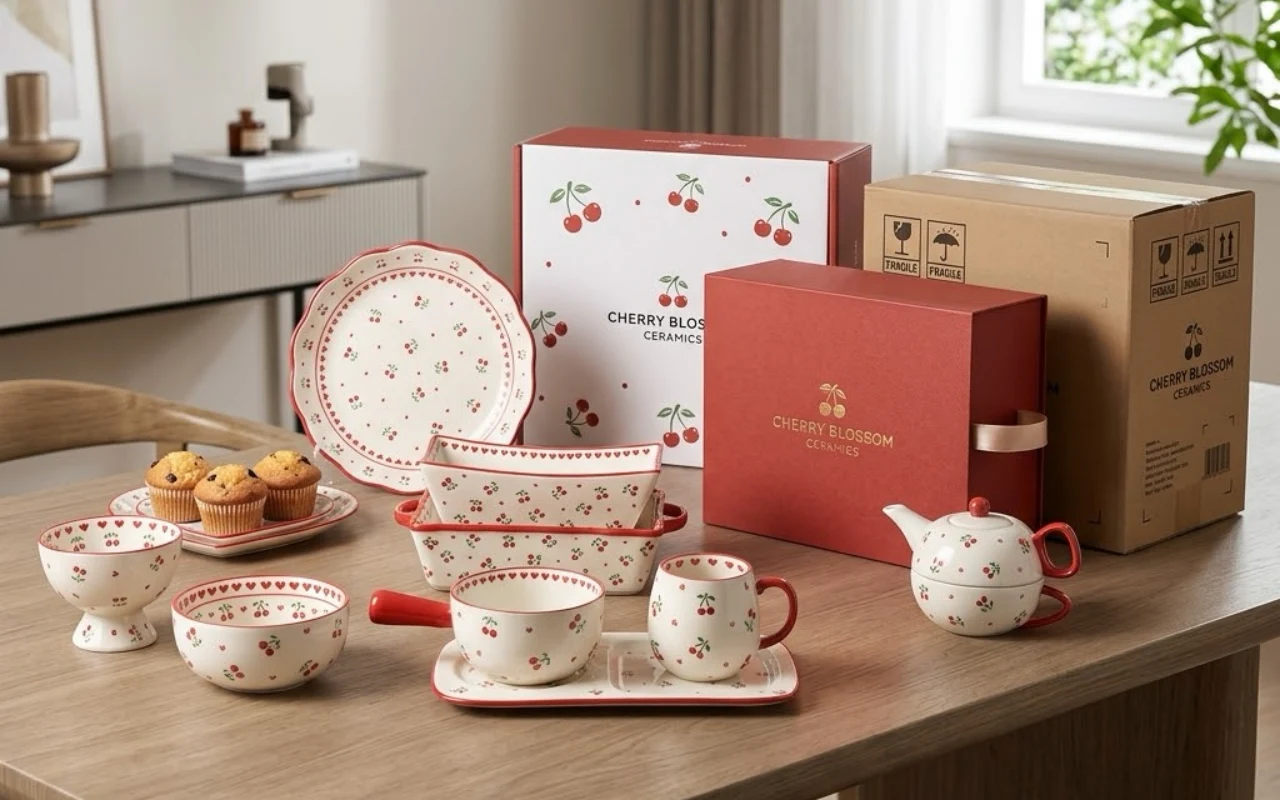
For B2B brands, launching a ceramic tableware collection does not always mean designing products from scratch or developing new molds. The real challenge is often how to turn proven ceramic products into branded products while controlling development costs, lead times, and market risk.
That is where private label ceramic tableware becomes a practical solution.
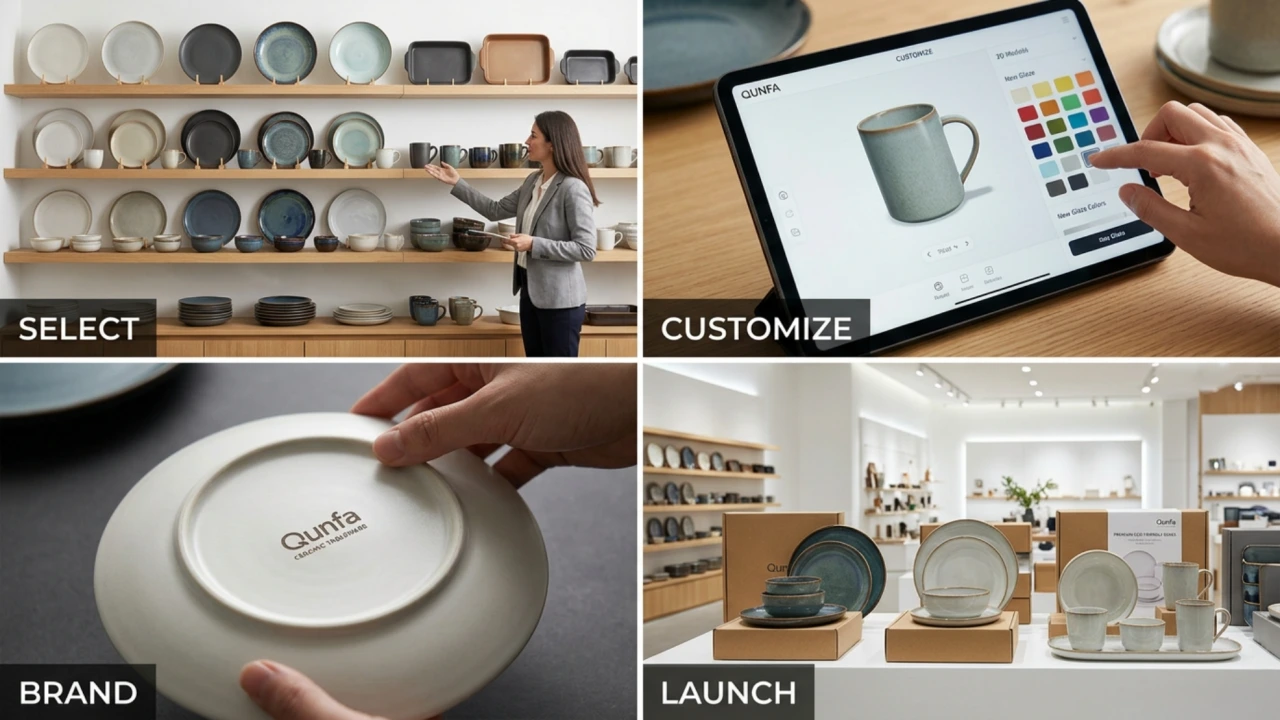
Instead of starting with completely new product development, brands can select proven ceramic shapes and differentiate them through logo printing, custom color, gift box, and packaging. This approach is particularly suitable for Amazon brands, hotel supply brands, and home & lifestyle brands that want to test new products, expand their product lines, or enter the ceramic tableware market with lower initial development risk.
What Is Private Label Ceramic Tableware?
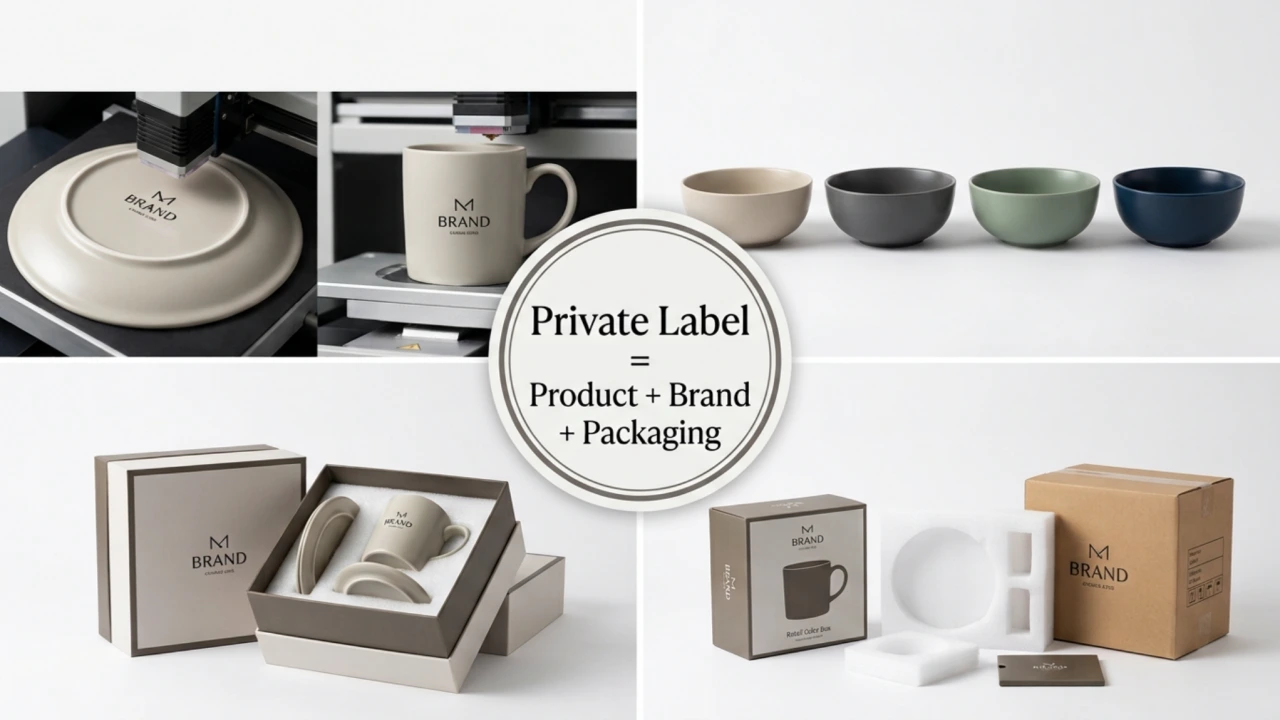
Private label ceramic tableware means that a ceramic manufacturer produces an existing or proven product while the brand sells it under its own brand name, visual identity, packaging, and branding system.
Einfach ausgedrückt:
The manufacturer makes the product; your brand owns the customer-facing identity.
For example, an Amazon homeware brand can select an existing ceramic plate, bowl, or mug from a manufacturer and then add its own logo, brand colors, gift box, and packaging.
Private label is therefore more than simply putting a logo on a ceramic product.
A commercially valuable Private Label project usually involves four key elements:
- Product Selection — choosing proven shapes suitable for the target market
- Brand Decoration — logo, colors, patterns, and surface finishes
- Verpackung — gift boxes, retail boxes, inserts, and shipping packaging
- Product Line Strategy — developing a coordinated collection instead of a single SKU
This makes Private Label better understood as a brand product strategy, rather than simply a manufacturing method.
Why Choose Private Label for a Ceramic Brand?
For brands entering the ceramic category for the first time, the biggest risk is often not production itself. It is investing heavily in product development before market demand has been validated.
Developing a completely new ceramic product may involve product design, prototyping, mold development, firing tests, glaze adjustment, and production validation.
By comparison, private label ceramic tableware allows brands to start with proven products and test market demand first.
Faster Market Entry
Using established ceramic shapes can reduce several early-stage development steps.
Brands can put more resources into:
- Product positioning
- Brand identity
- Amazon listings
- Product photography
- Packaging design
- Marketing
This is particularly valuable for Amazon brands that need to test new products quickly.
Lower Development Risk
Ceramic products are more complex than ordinary printed consumer goods.
Changing the shape of a ceramic product can affect:
- Product weight
- Forming stability
- Firing shrinkage
- Stackability
- Packaging dimensions
- Shipping costs
- Breakage rates
For first-time ceramic buyers, a more practical strategy is:
Start with a proven product, validate demand, and then invest in deeper product development.
This is one of the key commercial differences between Private Label and full custom product development.
Easier SKU Expansion
Once a product achieves stable sales, brands can build additional SKUs around the same design language.
Zum Beispiel:
Dinner Plate → Side Plate → Bowl → Mug → Serving Plate
This approach allows a brand to gradually develop a complete tableware collection instead of starting every new product from scratch.
What Can You Customize in a Private Label Tableware Project?
The goal of Private Label is not necessarily to redesign the entire product. It is to build brand differentiation around a proven ceramic product.
1. Logo Printing
A logo is one of the most direct ways to establish brand recognition.
Depending on the product structure and decoration process, a logo can be applied to:
- Plate bottoms
- Bowl bottoms
- Mug bodies
- Cup bottoms
- Product packaging
However, B2B buyers should not only ask:
“Can you print my logo?”
They should also confirm:
- Logo size
- Logo position
- Number of colors
- Artwork complexity
- Final color after firing
- Batch-to-batch consistency
- Mindestbestellmenge
- Sampling process
Exclusive sourcing insight: If a brand plans to sell the same tableware collection for the long term, it is better to establish a consistent logo position and visual rule during the first Private Label project. This makes future SKU expansion easier while maintaining a consistent brand identity.
2. Custom Color
For home and lifestyle brands, color can be even more important than the logo when creating product recognition.
For example, a brand could build a coordinated collection around one color palette:
- Off-white dinner plates
- Sage green bowls
- Deep blue mugs
- Matching gift boxes
However, ceramic colors cannot simply be reproduced from an RGB value on a computer screen.
After firing, the final color can be affected by:
- Rohmaterialien
- Glaze formulation
- Feuerungstemperatur
- Kiln atmosphere
- Product thickness
Therefore, custom color should be confirmed through physical samples and firing tests rather than relying only on digital color values.
A practical process is:
Brand Color Reference → Sample → Firing → Color Approval → Bulk Production
This is also an important consideration when developing individuell gestaltetes Keramikgeschirr.
3. Gift Box
For Amazon brands, gift brands, and premium homeware brands, a Gift Box can help transform ordinary tableware into a more complete branded product.
Possible configurations include:
- Single mug gift box
- Cup and saucer gift box
- 2-piece set
- 4-piece set
- 6-piece set
- Seasonal gift set
Gift box design should not focus only on appearance. It also needs to match the dimensions of the ceramic products, internal protection structure, and shipping conditions.
An oversized gift box can increase storage and transportation costs, while insufficient internal protection may increase the risk of breakage.
Therefore, Gift Box design should be considered during product development rather than after mass production has already started.
4. Custom Packaging
Packaging is one of the most underestimated parts of a Private Label project.
A complete branded packaging system may include:
- Brand logo
- Retail box
- Product label
- Barcode
- Instructions
- Brand story
- Protective inserts
- Master cartons
- Shipping labels
For Amazon brands, packaging dimensions should also be considered from the perspective of warehousing and fulfillment.
Exclusive sourcing insight: The cost of ceramic packaging should not be evaluated simply by asking how much each retail box costs. Buyers should consider the total cost of the product plus packaging, logistics efficiency, and potential breakage. A better protective insert may increase packaging cost while reducing the overall cost per sellable unit.
Private Label Is Not the Same as ODM
Many buyers confuse Private Label with ODM, but they address different questions.
What Does Private Label Solve?
Private Label mainly answers:
“How can I turn a proven product into my branded product?”
Its focus is on:
- Branding
- Logo
- Farbe
- Verpackung
- Gift boxes
- Product assortment
What Does ODM Solve?
ODM mainly answers:
“Who is responsible for product design and development?”
ODM means that the manufacturer has product design, development, and manufacturing capabilities and may provide product solutions based on its own design and technical experience.
Therefore:
ODM describes a product development and manufacturing model, while Private Label describes how a brand commercializes and brands a product.
The two can exist at the same time.
For example, Qunfa may develop a proven ceramic plate design. An Amazon brand can select the product and add its own logo, color, and packaging.
From the brand perspective, it is a:
Private Label Product
If the product design and development were provided by Qunfa, it may also be considered an:
ODM Product
So, ODM does not simply mean Private Label. They describe different aspects of the same B2B product relationship.
Private Label vs. Custom Ceramic Tableware
If a brand wants deeper product differentiation, it can consider individuell gestaltetes Keramikgeschirr.
| Merkmal | Private Label | Custom Ceramic Tableware |
|---|---|---|
| Proven product shapes | ✓ | Optional |
| Logo | ✓ | ✓ |
| Custom color | ✓ | ✓ |
| Gift box | ✓ | ✓ |
| Verpackung | ✓ | ✓ |
| New product shape | Usually not required | ✓ |
| Size development | Begrenzt | ✓ |
| Mold development | Usually not required | May be required |
| Development cost | Relatively lower | Relatively higher |
| Time to market | Faster | Slower |
| Product differentiation | Mäßig | Hoch |
Neither approach is automatically better.
The right choice depends on the brand’s current stage.
When Should a Brand Choose Private Label?
Private Label Is Better When:
- You are a new Amazon brand entering the ceramic category
- You want to test the market quickly
- You do not yet have stable sales data
- You want to control initial development costs
- Your differentiation mainly comes from branding and packaging
- You need to expand SKUs quickly
- You want to reduce new-product development risk
Custom Ceramic Tableware Is Better When:
- You already have stable sales
- You clearly understand your target customers
- The market requires a distinctive product
- Competitors can easily copy existing shapes
- Your brand needs stronger long-term product differentiation
- You can accept a longer development cycle
- You are prepared to invest in tooling and product development
Therefore, an established brand does not necessarily need to start with fully custom products from day one.
A Practical Private Label Strategy for Amazon, Hotel, and Home Brands
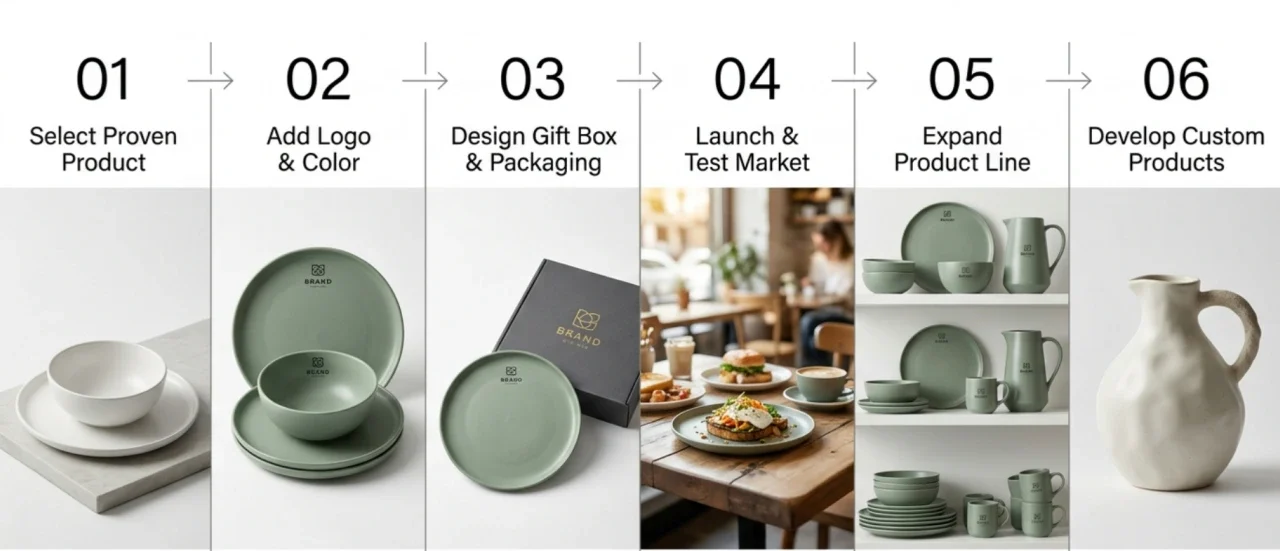
For B2B brands, we recommend a “validate first, customize deeper later” product development strategy.
Stage 1: Select a Proven Product
Start by selecting a mature ceramic product from the manufacturer’s existing range.
Key factors to evaluate include:
- Form
- Dimensions
- Gewicht
- Intended use
- Stackability
- Product assortment
At this stage, the goal is not to make the product as unique as possible.
The key question is:
Does this product have market potential?
Stage 2: Build Brand Identity
Once the product is selected, add:
- Logo
- Custom color
- Gift box
- Verpackung
This transforms a standard ceramic product into a branded commercial product.
Stage 3: Expand the Product Line
Once the core SKU has been validated, add complementary products using the same design language.
Zum Beispiel:
Core Plate → Bowl → Mug → Serving Ware
This creates a more complete brand collection.
Stage 4: Develop Custom Products
Once the brand has stable sales, consider developing unique individuell gestaltetes Keramikgeschirr.
At this stage, customization is no longer simply about making a product look different. Instead:
Use market-validated data to guide deeper product development.
For example, sales performance and customer feedback can help determine:
- Which size should be adjusted
- Which capacity is more popular
- Which color should be expanded
- Which product shape deserves further development
This approach is more suitable for long-term B2B brand development than relying entirely on design assumptions.
How to Choose a Private Label Ceramic Tableware Manufacturer?
Price should not be the only factor when choosing a supplier.
For a long-term branded product program, B2B buyers should evaluate the following areas.
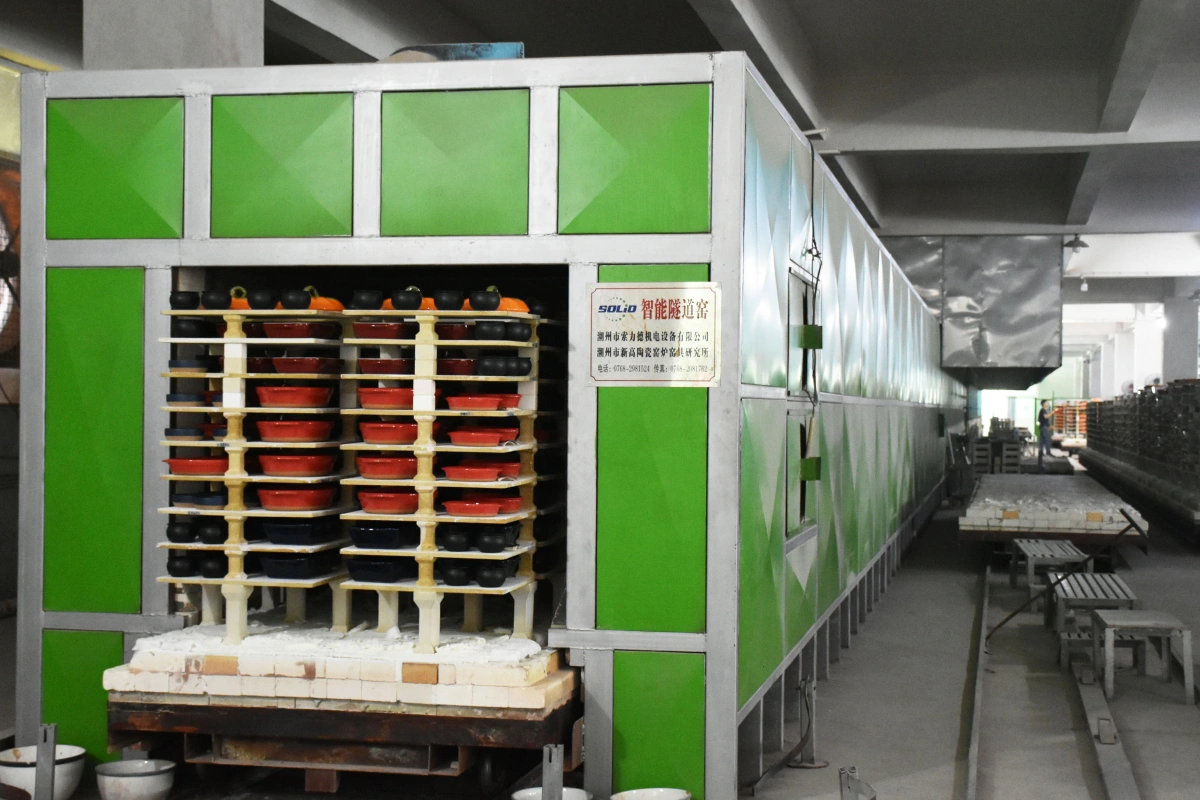
Manufacturing Capacity
Stabile Produktionskapazität determines whether a supplier can support continuous replenishment.
This is particularly important for Amazon brands. If a product suddenly becomes a bestseller, the supplier’s ability to maintain production and replenishment can directly affect inventory levels and sales.
Material and Production Technology
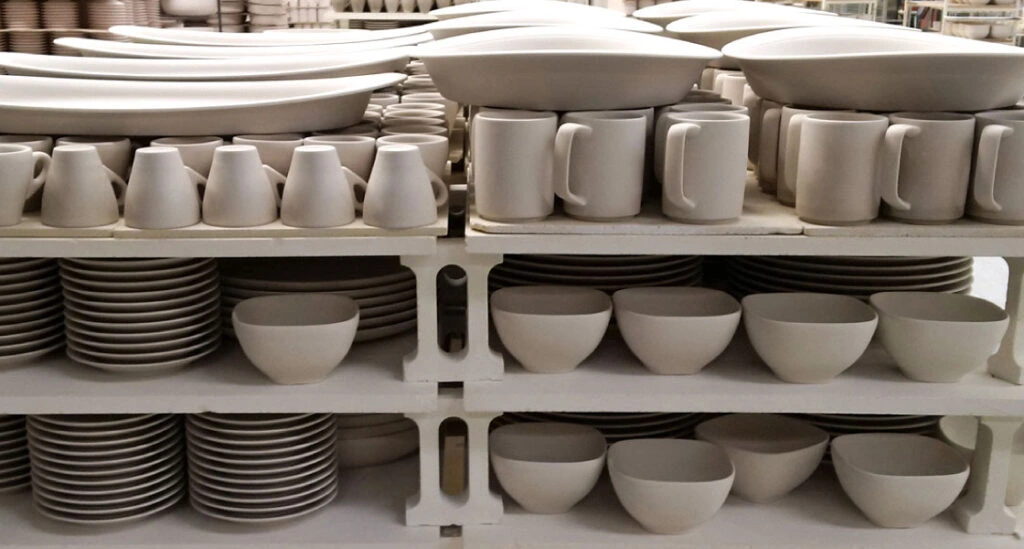
Different ceramic materials and production processes can affect product appearance, performance, and manufacturing consistency.
Qunfa Ceramics uses a medium-temperature ceramic production system. Buyers should evaluate whether the material and production process are appropriate for their target market and product application rather than comparing suppliers based solely on unit price.
Qualitätskontrolle
An experienced ceramic manufacturer should control the production process systematically, including:
Raw Material → Forming → Drying → Glazing → Firing → Decoration → Inspection → Packaging
B2B buyers should also ask how the manufacturer controls:
- Dimensional variation
- Color differences
- Warping
- Surface defects
- Risse
- Packaging damage
OEM/ODM Capability
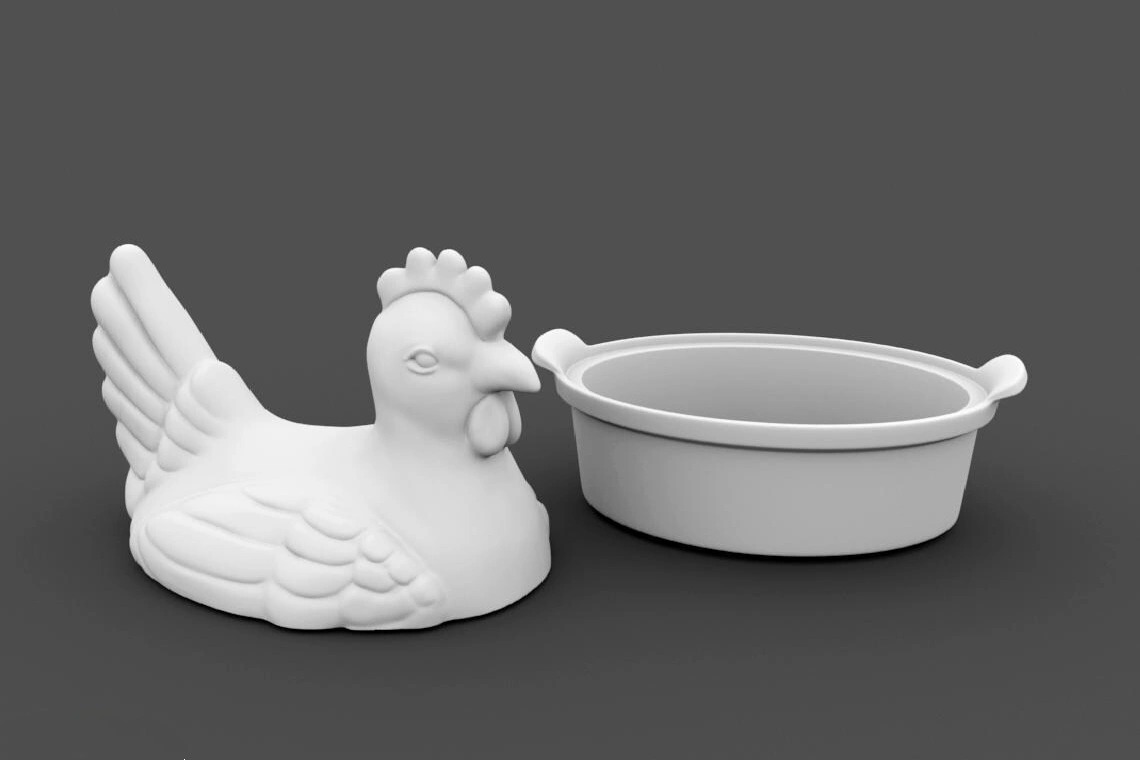
If a brand plans to move from Private Label to individuell gestaltetes Keramikgeschirr in the future, the supplier’s OEM/ODM capabilities become increasingly important.
An ideal partnership can develop gradually:
Proven Products → Market Validation → Product Line Expansion → Deeper Product Development
This allows the manufacturer to support the brand at different stages of growth.
Build Your Private Label Tableware with Qunfa
Gegründet im Jahr 1993, Qunfa Keramik is an experienced ceramic manufacturer with a 30,000㎡ production facility and 400+ employees. We specialize in ceramic tableware and bakeware, with additional product lines for pets and gardening.
We supply global brands including Walmart, Costco, Aldi, Disney, C&B, and Michaels, and support OEM/ODM and private label projects.
For Amazon, hotel, and home brands, we offer logo printing, custom colors, gift boxes, and branded packaging. Start with proven products, build your brand, and scale your collection as demand grows.