A technical guide to selecting ceramic materials—reinforced porcelain, bone china, and heat-resistant stoneware—based on durability, thermal shock resistance, and safety standards for daily scenarios.
Why Ceramic Materials Differ?
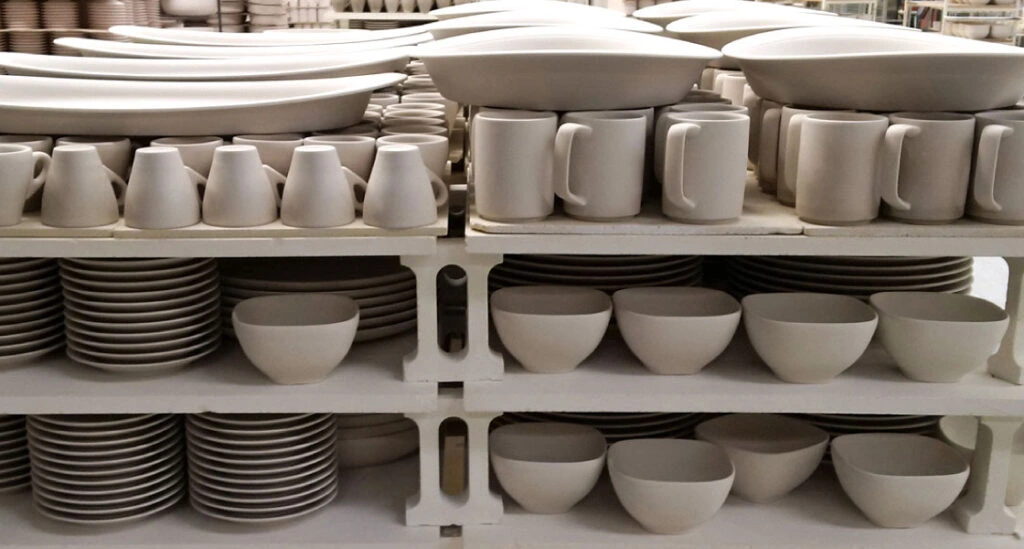
From a manufacturing perspective, the price and performance gap in ceramics is determined by mineral composition and firing temperatures. Choosing the right material optimizes:
- Mechanical Strength (Impact resistance)
- Porosity (Water absorption rate <0.5%)
- Thermal Shock Resistance (Temperature delta tolerance)
- Surface Hardness (Scratch resistance)
Quick Comparison Table for Decision Making
| Material Type | Core Feature | Best Scenario | Thermal Stability |
|---|---|---|---|
| Reinforced Porcelain | High Alumina content | Busy Weekdays / Commercial | High (-20°C to 180°C) |
| Bone China | >40% Bone Ash | Elegant Dining / Gifting | Low (Avoid rapid cooling) |
| Heat-Resistant Ceramics | Spodumene-based | Baking / Direct Heat | Extreme (Up to 400°C) |
| High-Fire Porcelain | 1300°C+ Firing | Infant / Medical Safety | High (Sterilization safe) |
Four Key Scenarios and Ideal Material Matches
1. High-Frequency Daily Meals: Reinforced Porcelain
Best for: Fast-paced lifestyles, heavy-duty cleaning, and space-saving stacking.
- Material Properties: Infused with magnesium or alumina to increase impact strength (3–5x stronger than standard ceramics).
- Practical Advantages:
- Edge Chip Resistance: Reduced risk of fragmenting during dishwasher loading.
- Microwave Compatibility: Low thermal expansion coefficient prevents cracking during rapid heating.
- Pro Tip: Look for underglaze or in-glaze patterns to ensure zero lead/cadmium leaching during high-temperature washing.
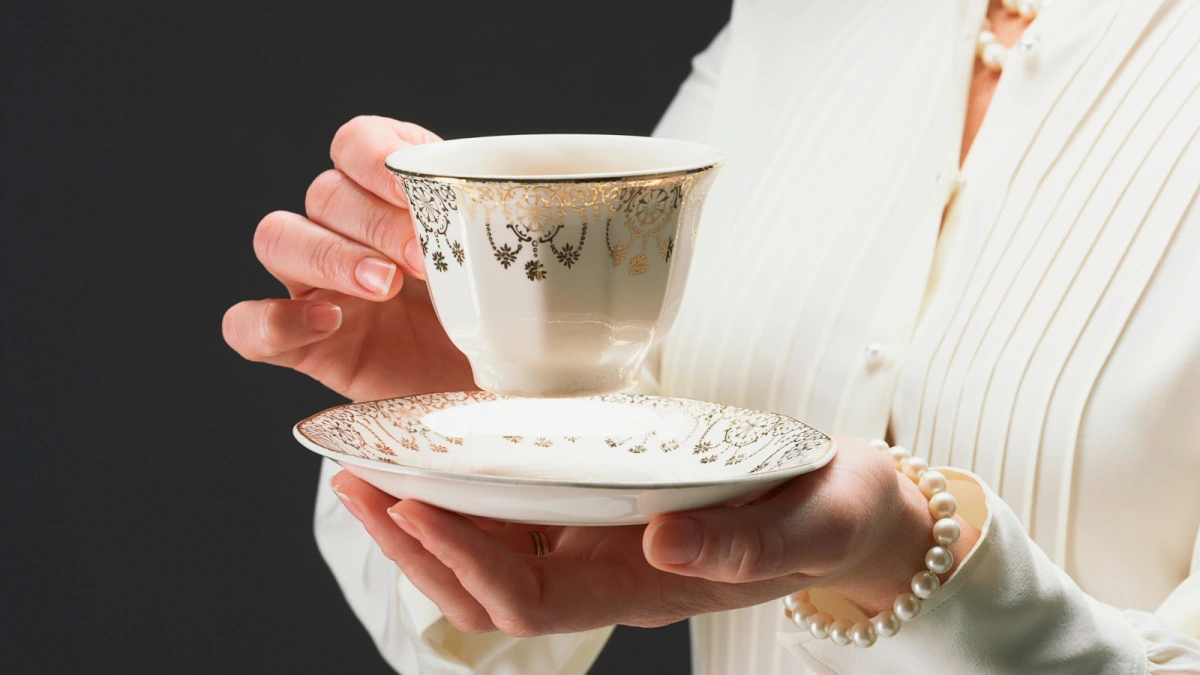
2. Afternoon Tea & Formal Dining: Bone China
Best for: Lightweight handling, aesthetic translucency, and stain resistance.
- Material Properties: Contains at least 40% herbivore bone ash, creating a dense, non-porous vitreous body.
- Practical Advantages:
- Anti-Staining: Near-zero water absorption (<0.3%) prevents tea/coffee oils from penetrating the surface.
- High Translucency: Provides a premium, milky-white aesthetic.
- Care Note: Hand-wash recommended; avoid abrasive metal scrubbers to preserve the delicate glaze.
3. Oven-to-Table Baking: Heat-Resistant Ceramics (Stoneware)
Best for: Casseroles, gratins, and slow-cooking.
- Material Properties: Formulated with lithium-rich minerals (Spodumene) to minimize thermal expansion.
- Practical Advantages:
- Thermal Shock Resistance: Safely transitions from refrigerator to preheated oven.
- Heat Retention: High thermal mass keeps food at serving temperature for 20–30 minutes longer than standard glass or metal.
4. Specialized Safety (Infant & Elderly Care): High-Fire Porcelain
Best for: Hygiene-sensitive environments and frequent sterilization.
- Material Properties: Fired at temperatures exceeding 1300°C (2372°F) to ensure complete vitrification.
- Practical Advantages:
- BPA & Lead-Free: High-temperature firing eliminates volatile organic compounds.
- Scratch Resistance: Hard surface prevents bacteria-trapping grooves caused by metal cutlery.
- Sanitization: Withstands boiling water and steam sterilization without structural fatigue.
Conclusion: Matching Intent with Material
Selecting ceramics should be a functional decision:
- For Longevity → Reinforced Porcelain
- For Refined Experience → Bone China
- For Culinary Versatility → Heat-Resistant Ceramics
- For Health & Hygiene → High-Fire Porcelain
🤝 Professional Manufacturing Partnership
Qunfa Ceramics leverages 30+ years of material science expertise to deliver high-performance household solutions. As a trusted OEM/ODM partner for global retailers like Walmart, Costco, and Disney, we operate a 30,000㎡ facility dedicated to technical excellence.
Our Capabilities:
- Advanced production of Tableware & Bakeware.
- ISO-certified quality control and safety testing.
- Scalable mass production from concept to global distribution.
👉 Contact our engineering team today to discuss your next ceramic project.