Excerpt: Build a profitable ceramic mug collection by balancing core designs, seasonal styles, price points, and coordinated product ranges. Learn how to select wholesale ceramic mugs that attract retail customers while supporting inventory efficiency and long-term sales.
For retailers, homeware brands, and gift buyers, ceramic mugs represent a product category with consistent market demand. However, building a competitive product range does not mean simply stocking as many styles as possible. An overly fragmented selection can strain inventory management, while a range that is too limited may fail to meet the diverse aesthetic and functional needs of different consumers.
A truly profitable product collection requires a careful balance between classic staples, trendy designs, specific use cases, and strategic price points. Buyers must also evaluate a supplier’s product development capabilities, production stability, and efficiency in handling replenishment orders.
So, how should a retailer plan a market-competitive wholesale ceramic mug collection?
1. Establish a Clear Retail Market Position
Before sourcing ceramic mugs, it is essential to define your target market and sales channels. Consumers across different retail channels have distinct expectations regarding mug design, pricing, and intended use.
例如:
- Homeware Retailers: Focus on mugs that harmonize with home decor styles—such as minimalist, natural, vintage, or modern designs.
- Gift Shops: Prioritize mugs with unique visual appeal, suitable for holiday gifting or everyday presents.
- Supermarkets and Department Stores: Generally require affordably priced products with broad aesthetic appeal, suitable for high-volume sales.
- Online Retailers: Emphasize visual impact, design differentiation, and styles that lend themselves well to bundled sales.
- Coffee Shops and Lifestyle Brands: Require products that balance daily functionality with brand identity and consistent design language.
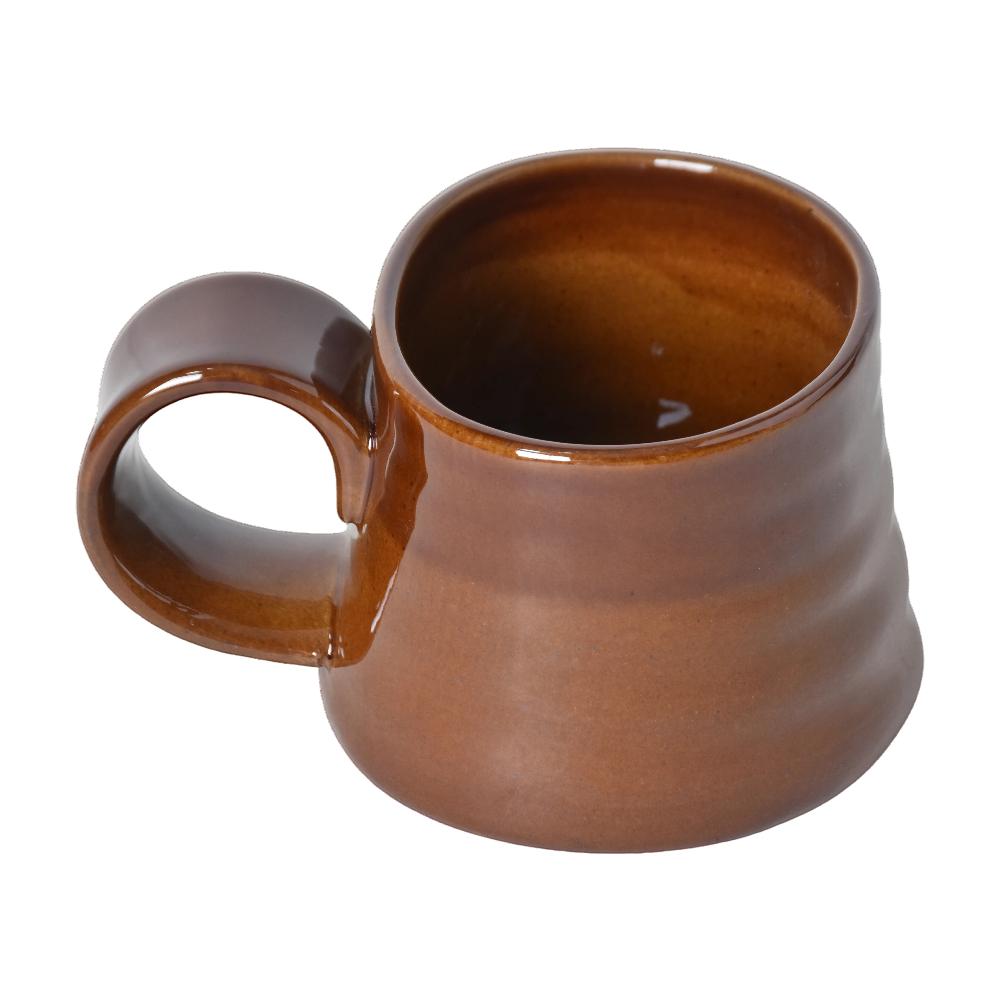
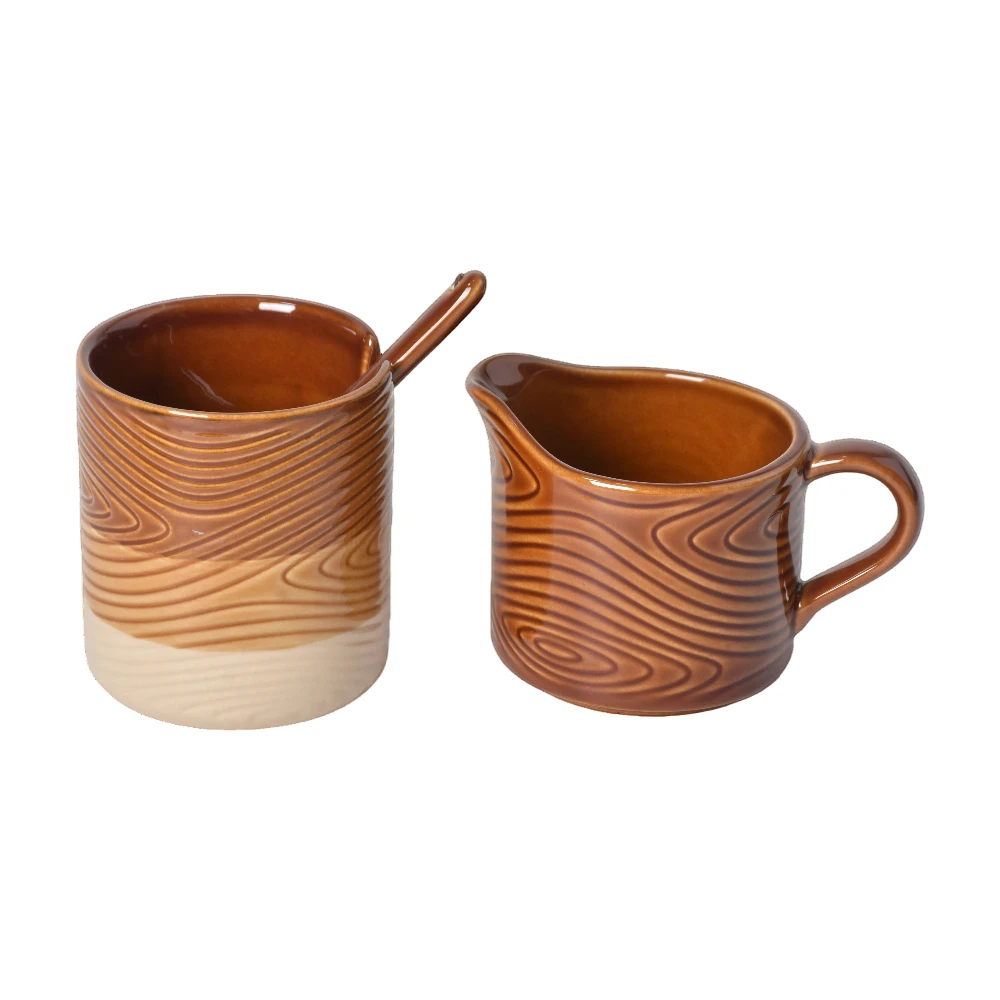

Defining your target market helps narrow down your selection, preventing the common pitfall of over-purchasing simply because a particular design happens to be trending.
For retailers aiming to build a long-term product line, partnering with a ceramic mug manufacturer capable of offering a diverse range of designs and stable, large-scale supply will facilitate future expansion of your product collection.
2. Build Your Collection Around Three Product Categories
A practical collection of ceramic mugs does not need to include a vast number of similar styles. A more effective approach is to organize your products into three primary categories based on consumer purchasing needs.
Core Collection: Everyday Ceramic Mugs
Classic, everyday mugs should form the foundation of your retail product assortment.
These items typically feature clean, simple shapes and versatile colors—such as white, beige, gray, light blue, or other neutral tones.
When sourcing, focus on:
- Shapes suitable for daily use (e.g., for coffee, tea, or other beverages).
- A minimalist aesthetic that complements various home decor styles.
- Classic colors with long-term sales potential.
- Designs that are easy to source in bulk and restock over time.
The primary value of these classic pieces lies in their stable sales cycles; they do not require frequent design updates, allowing retailers to build a core product line that generates consistent, ongoing sales.
Trend Collection: Decorative and Textured Mugs
Beyond the classics, ceramic mugs with distinctive design features can enhance the overall appeal of your product range.
In recent years, consumers have moved beyond basic functionality, increasingly prioritizing surface texture, glaze variations, and intricate design details when making a purchase.
Consider incorporating:
- Reactive Glaze Mugs: Mugs featuring natural glaze variations and unique visual effects.
- Ribbed Ceramic Mugs: Designs with three-dimensional, textured patterns.
- Speckled Mugs: Ceramics with a natural, speckled appearance.
- Matte Finish Mugs: Designs with a matte surface, ideal for a modern, minimalist aesthetic.
- Two-Tone Mugs: Pieces that create visual depth through contrasting interior and exterior glazes or color combinations.


These designs add differentiation to your product assortment and make it easier to create eye-catching, recognizable retail displays.
However, buyers should avoid blindly chasing short-lived trends. When introducing specialty items, prioritize whether they align with the aesthetic preferences of your target market and whether they integrate cohesively with your existing product range.
Seasonal and Gift Collection: Occasion-Based Designs
The holiday and gift market offers additional sales opportunities for ceramic mugs. For example:
- Christmas: Red and green colors, festive motifs, and winter-themed designs.
- Valentine’s Day: Soft, gentle colors, heart-shaped elements, and gift-ready packaging.
- Mother’s Day: Warm tones and designs suitable for gifting.
- Autumn and Winter: Earthy palettes, warm-toned glazes, and seasonal visual elements.
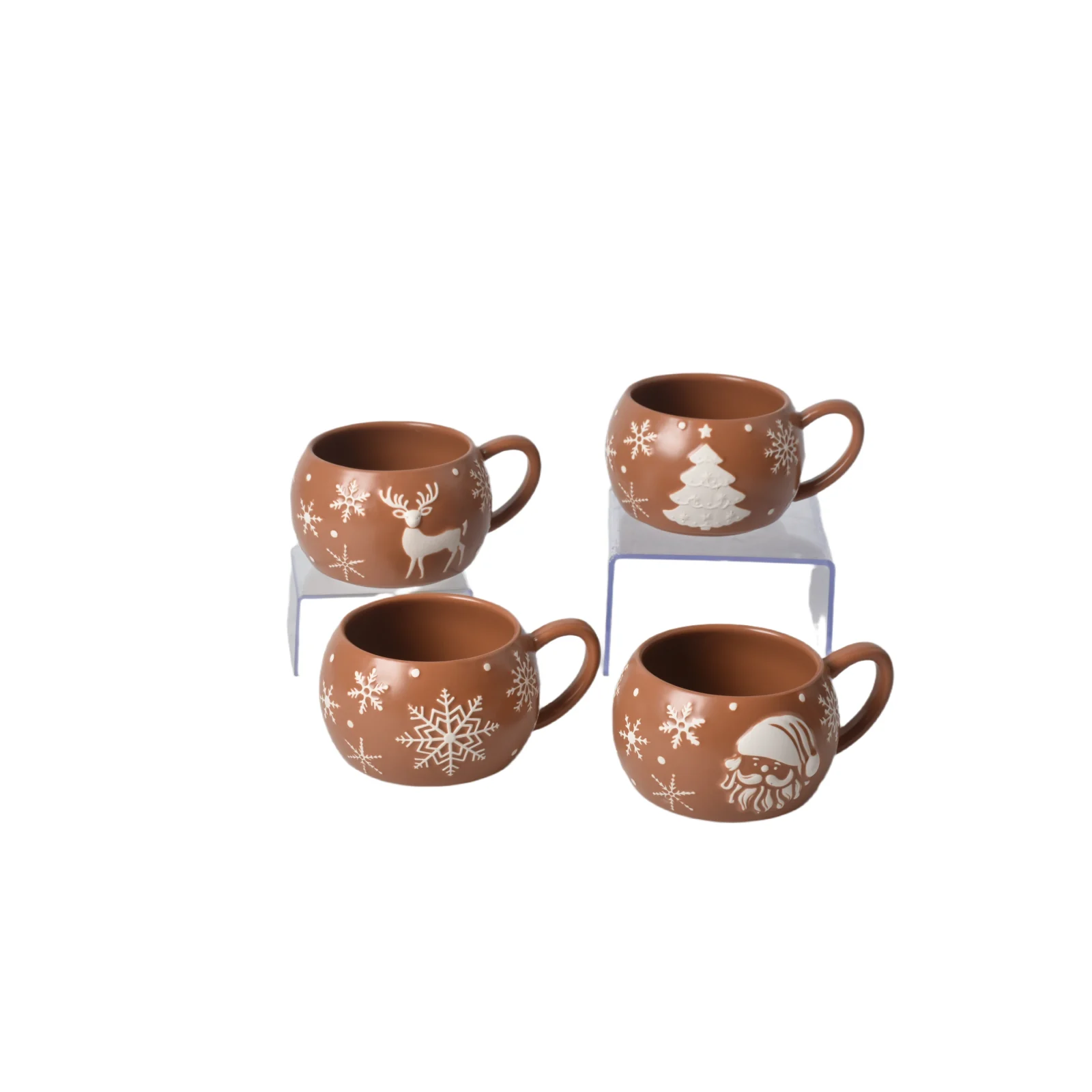
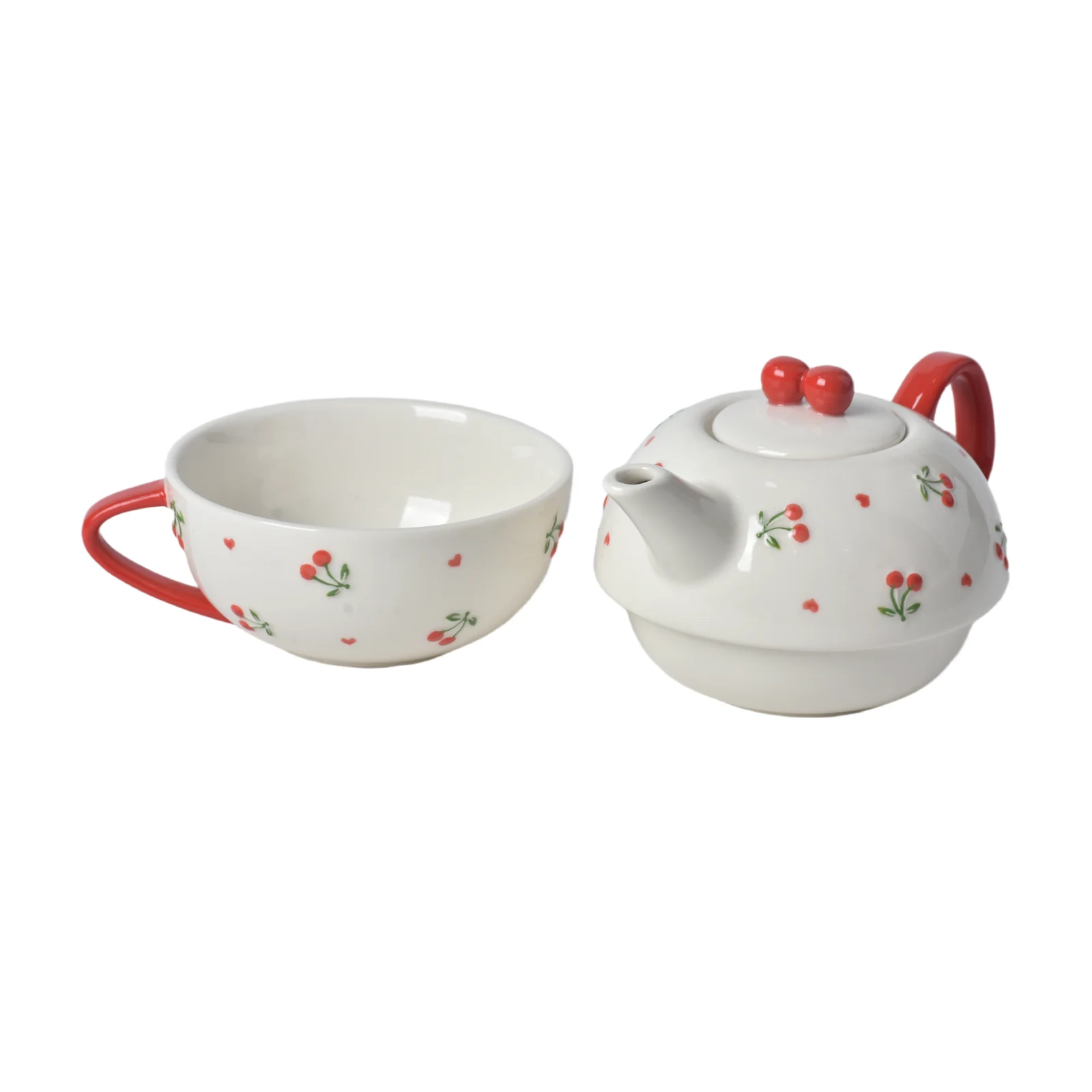
Compared to classic items sold year-round, seasonal products typically have a more defined sales window.
Therefore, retailers should carefully plan procurement quantities based on their sales channels and market demand to avoid being left with excess inventory once the season ends.
3. Offer Different Styles Without Creating Excessive SKUs
The richness of a product collection does not depend solely on the number of SKUs.
If a collection contains a large number of ceramic mugs that are similar in color and shape, consumers may struggle to perceive any meaningful differences, and retailers will face the burden of more complex inventory management.
A more sensible approach is to build product variety across several dimensions:
| Product Dimension | Recommended Options | Retail Purpose |
|---|---|---|
| 形状 | Straight, rounded, tapered | Cater to diverse aesthetic preferences |
| Surface | Glossy, matte, textured | Create visual distinction |
| 颜色 | Neutral, pastel, seasonal | Appeal to different consumer segments |
| Design | Minimalist, rustic, modern | Align with different retail positioning |
| 包装 | Individual, gift-ready, sets | Adapt to various sales channels |
For instance, retailers can develop different glaze colors for a single mug shape, or apply a consistent design language across various mug shapes.
This approach creates a cohesive visual identity for the collection while still offering a sufficient range of choices.
When sourcing wholesale ceramic mugs, this planning strategy offers another practical advantage: retailers can start by testing a small number of designs, then use market feedback to guide future restocking and collection expansion.
4. Use Ceramic Mug Sets to Increase Product Value
While individual ceramic mugs are well-suited for everyday retail, mug sets create more diverse sales opportunities.
例如:
- Two-Piece Mug Sets: Sets of two are ideal for couples, friends, or daily household use. – Four-Piece Mug Sets: Sets of four, ideal for household use or hosting guests.
- Mixed-Color Sets: Combinations of mugs in various colors, adding visual variety.
- Coordinated Tableware Sets: Mugs paired with items like plates and bowls to create a cohesive home tableware collection.
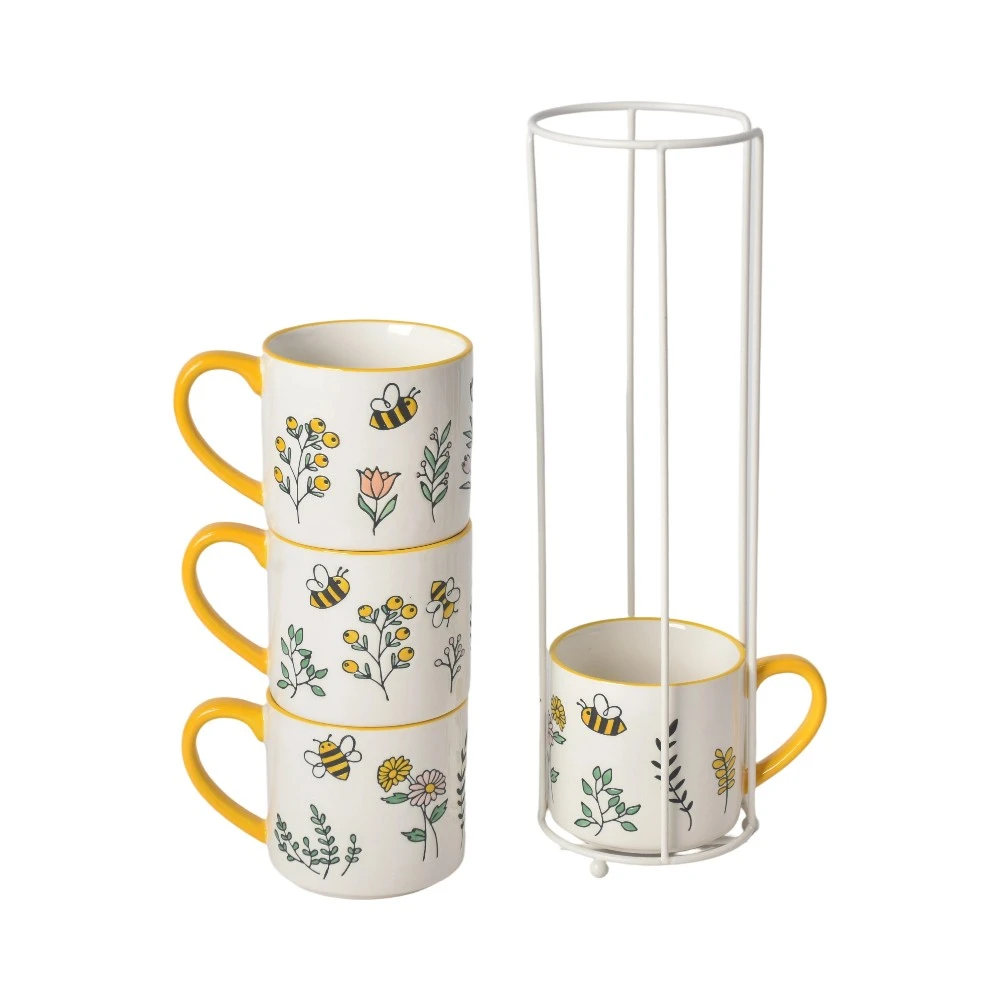


For retailers, bundled sets not only increase the number of items per transaction but also make it easier for consumers to purchase a complete set of home goods.
However, the design of these sets requires a focus on consistency. The colors, glaze effects, and overall style of the mugs should be harmonious, and the packaging must be appropriate for the intended sales channel.
If a supplier can produce both ceramic tableware and other ceramic home goods, brands can expand their product range without needing to source different manufacturing partners for each category.
5. Evaluate the Cost Structure Before Placing Bulk Orders
Building a profitable line of ceramic mugs requires looking beyond the unit purchase price; retailers must evaluate the total cost of the products.
When comparing suppliers of wholesale ceramic mugs, consider the following factors:
Product and Decoration Costs
Different mug shapes, glaze types, and decorative techniques affect production costs.
For instance, basic, single-colored glazed items differ in production processes—and costs—from products featuring specialized glaze effects, intricate decorations, or multi-color designs.
Buyers should select decoration methods that align with their product positioning, avoiding unnecessary processes that add cost without adding value.
Packaging and Shipping Costs
Packaging choices also impact the final procurement cost.
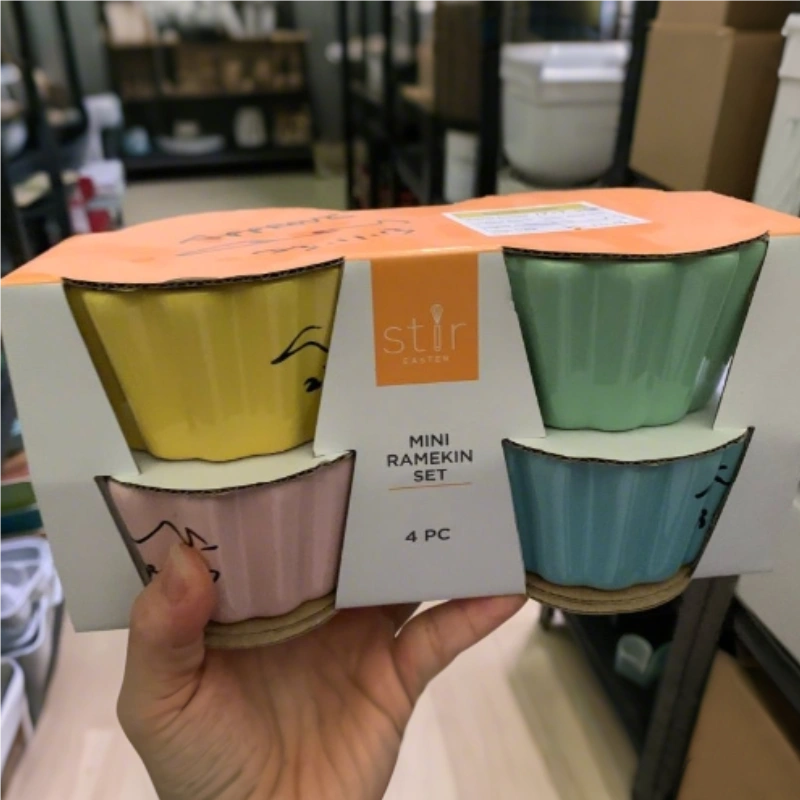
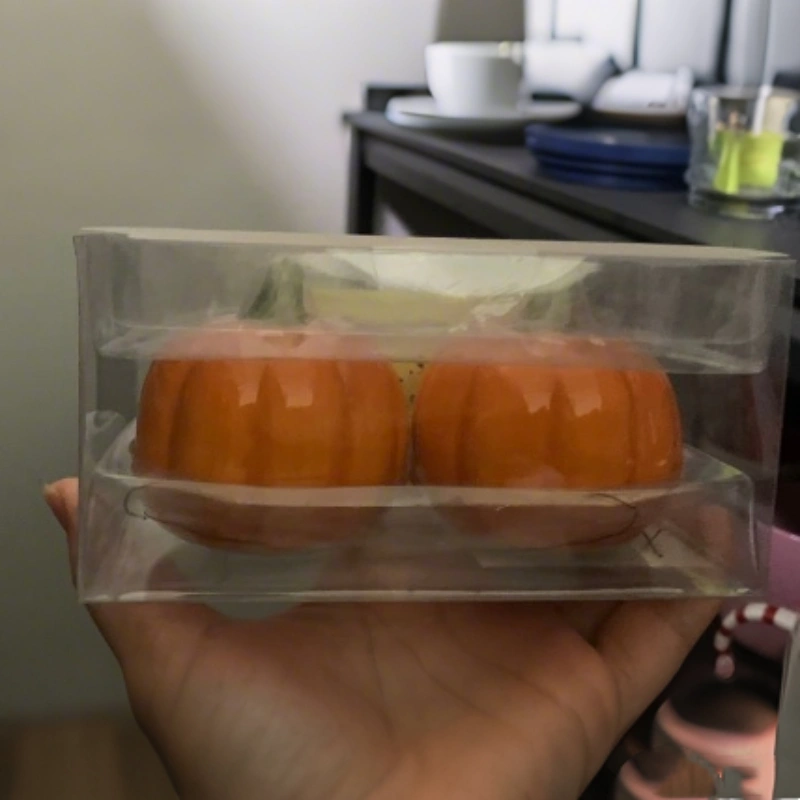
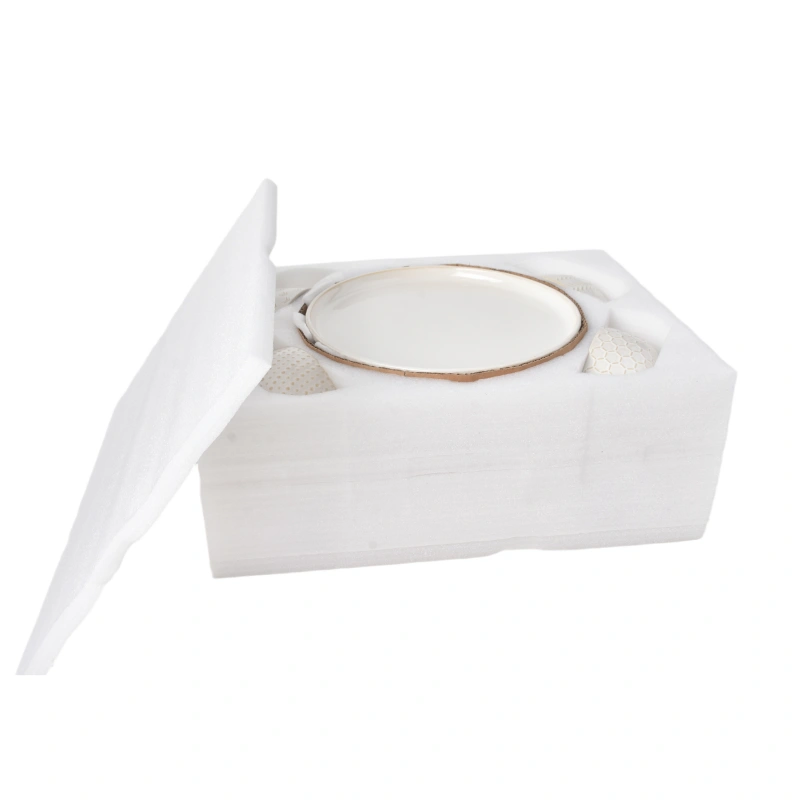
As ceramic mugs are fragile, appropriate protective packaging must be selected based on the product’s design and the chosen shipping method.
If the products are intended for gift shops or retail brands, consider the visual appeal of the retail boxes, branding, and outer packaging.

MOQ and Replenishment Flexibility
Minimum Order Quantities (MOQs) vary by factory and are influenced by factors such as mug shape, glaze, decoration, packaging requirements, and production scheduling.
For retailers testing new product lines, it is crucial to understand the MOQs for different designs.
It is advisable to prioritize suppliers that offer a range of established product designs and possess the capacity for consistent, large-scale production. This approach helps manage initial procurement risks while leaving room for restocking best-sellers and expanding the product line later.
6. Choose a Reliable Ceramic Cup and Mug Factory
While product design determines a collection’s market appeal, a supplier’s production capacity dictates whether the products can be sold consistently over the long term.
在选择一个 ceramic cup and mug factory, do not base your decision solely on price quotes; evaluate them according to the following criteria:
Manufacturing Experience and Production Capacity
Look into the factory’s history, production scale, workforce size, and primary product categories.
Manufacturers with extensive experience in household ceramics are generally more familiar with the production processes for various items and are better equipped to collaborate with retailers on ongoing product development and bulk order fulfillment.
材料与生产技术
The ceramic materials and firing techniques used directly influence a product’s appearance, structural integrity, and performance in actual use.
Buyers should understand the specific production technologies employed by the factory and verify that the materials, glazes, and firing conditions are appropriate for the intended products.
For instance, while mid-fire ceramics are suitable for a wide range of household goods, their specific performance characteristics must be assessed by considering the clay body composition, glaze formulation, and production methods.
质量控制
For bulk retail orders, product consistency is paramount.
Buyers should focus on how the factory manages the following:
- Consistency in cup dimensions and shapes
- Glaze color and surface effects
- Detection of surface defects and visual inspections
- Protective packaging and pre-shipment inspections
- Compliance with food-contact safety standards and other relevant market requirements
If products are intended for sale in different countries or regions, ensure that they meet the specific regulations and testing requirements of the target markets.
OEM/ODM and Product Development
For retailers with their own brands, OEM/ODM 能力 are essential for creating a distinctive product line.
Collaboration can encompass product colors, glaze finishes, branding/logos, and packaging design, as well as the development of new products tailored to market demand—leveraging the factory’s existing manufacturing processes.
However, the feasibility, costs, and Minimum Order Quantities (MOQs) for custom projects must be confirmed based on the specific design and order requirements.
7. Build a Long-Term Collection Rather Than Purchasing One-Off Products
A truly competitive ceramic mug collection requires continuous adjustments based on sales feedback.
Retailers can adopt a phased approach to product planning:
Phase 1: Establish a Core Product Line
Select a few classic mug shapes and accessible colors to build a portfolio for everyday sales.
Phase 2: Test Distinctive Designs
Gradually introduce reactive glazes, textures, matte finishes, and two-tone designs to gauge consumer reception of different aesthetics.
Phase 3: Develop Curated Sets
Take the best-performing styles and expand into multi-piece sets or coordinate with other ceramic tableware items to enhance the cohesion of your collection.
Phase 4: Optimizing Replenishment and Product Updates
Based on actual sales performance, increase the procurement ratio for best-sellers, phase out designs that consistently underperform, and introduce seasonal new arrivals as appropriate.
This approach helps retailers build a stable product portfolio over time, rather than simply accumulating SKUs that lack a clear market positioning.
8. Build Your Ceramic Mug Collection with Qunfa Ceramics
Selecting the right manufacturing partner is a crucial step in building a long-term ceramic product collection.
成立于 1993 年、, 群发陶瓷 specializes in the R&D and manufacturing of household ceramic products. The company operates a production facility spanning approximately 30,000 square meters and employs over 400 staff members. As a ceramic manufacturer with extensive OEM/ODM experience, Qunfa utilizes mid-temperature firing technology to produce a wide range of items, including ceramic tableware, bakeware, pet products, and garden planters.
Leveraging deep production expertise and diverse product development capabilities, Qunfa has long served international brands such as Walmart, Costco, Aldi, Disney, C&B, and Michaels.
Explore Qunfa Ceramics and discuss your next ceramic collection with our team.