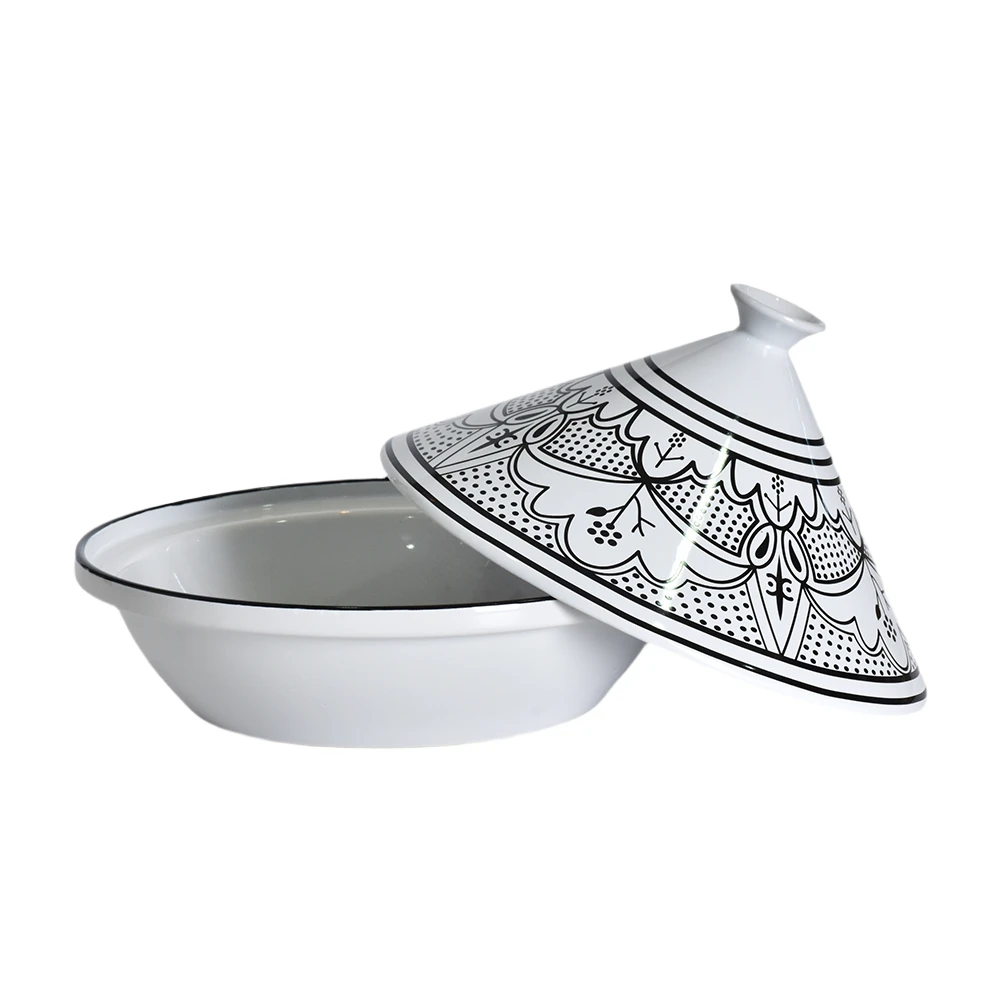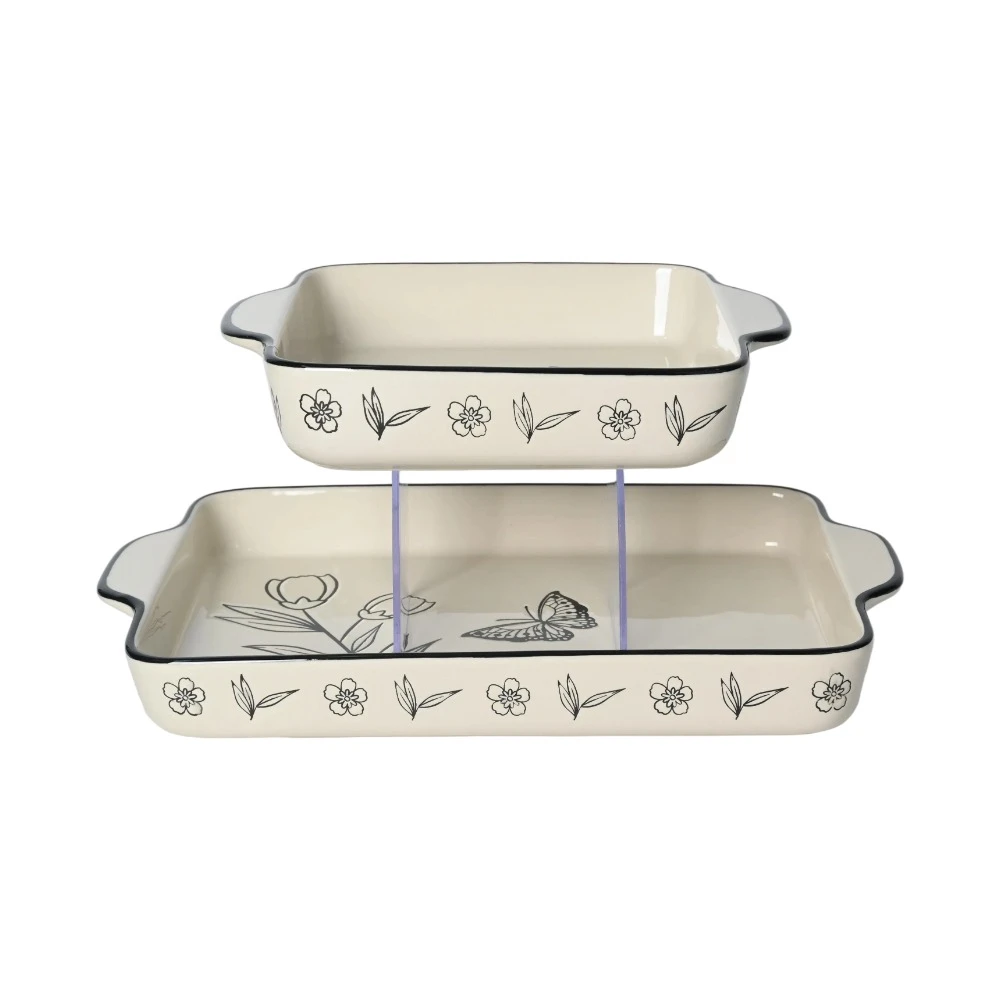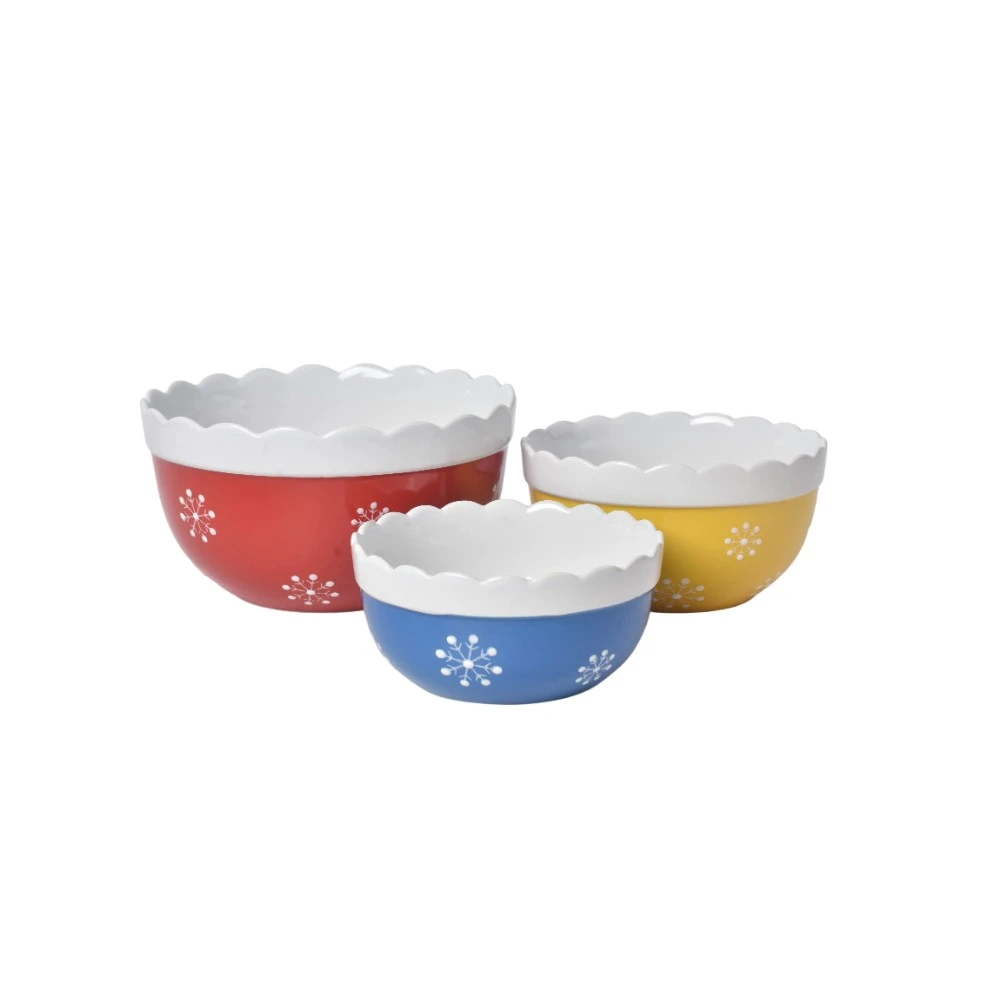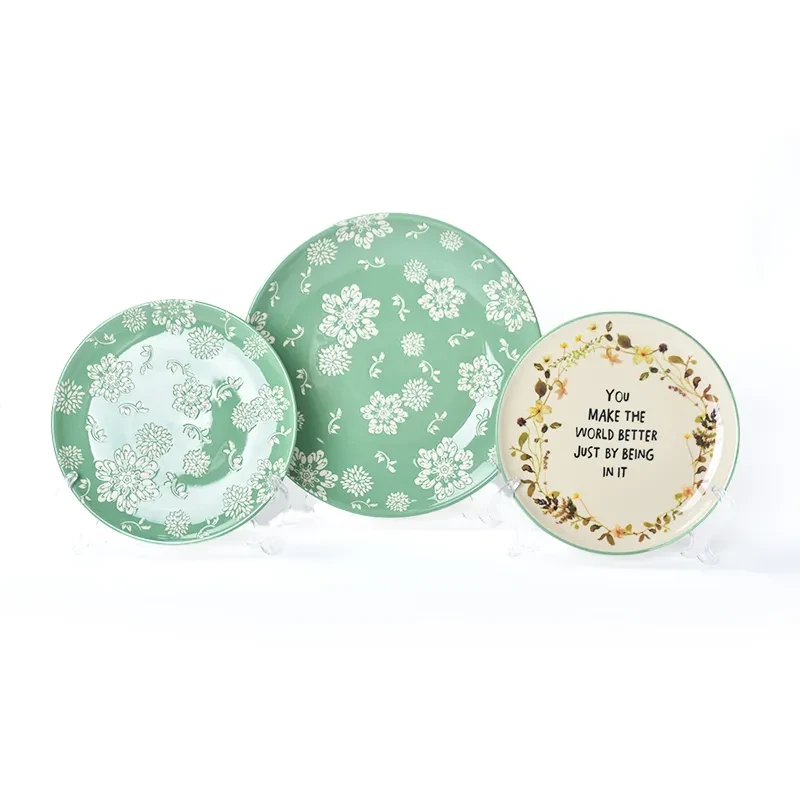
Choosing the right tableware materials depends on durability, appearance, cost, and application scenarios. This guide compares stoneware, porcelain, and bone china from raw materials, firing process, performance, and commercial usage to help wholesalers, retailers, and brands select the best ceramic products for different markets.
Stoneware, Porcelain, and Bone China: How Are They Different?
When sourcing ceramic tableware, buyers often face three popular choices: stoneware, porcelain, and bone china. Although they are all classified as ceramic products, their raw materials, production processes, performance, and market positioning are completely different.
For wholesalers, distributors, and brands, understanding these differences is essential because the right tableware materials directly affect product pricing, target customers, durability expectations, and sales performance.
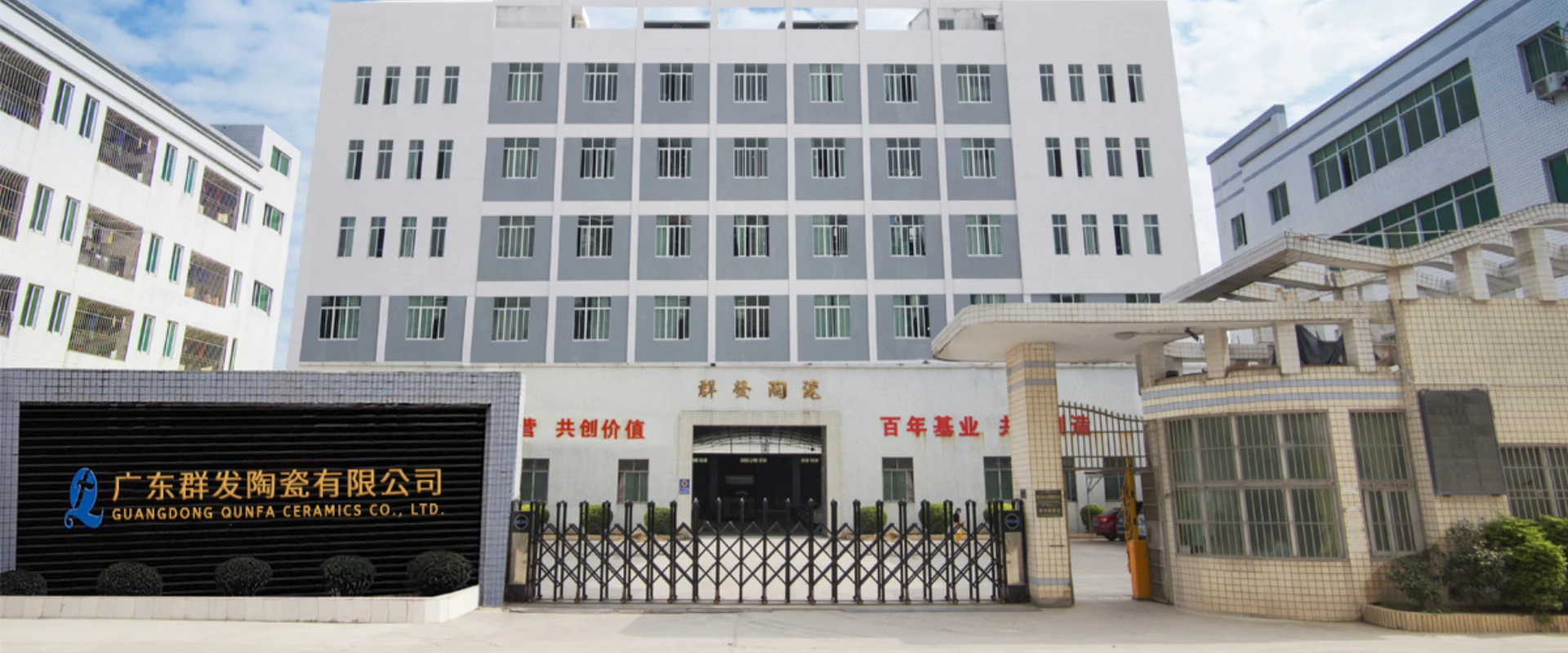
As a ceramic manufacturer with more than 30 years of production experience, 群发陶瓷 helps global buyers develop suitable ceramic collections based on market requirements. From everyday household use to premium dining collections, choosing the right material is the first step toward creating competitive products.
The Core Difference: Firing Temperature Determines Ceramic Performance
Ceramics are created by transforming natural clay into durable products through high-temperature firing. However, different clay formulas and firing temperatures create completely different ceramic characteristics.
Among common tableware materials, the main differences are:
| 材料 | Main Composition | Firing Temperature | Water Absorption | Main Features |
|---|---|---|---|---|
| 石器 | Natural clay, feldspar, quartz | Around 1180℃-1280℃ | Below 2%-3% | Durable, heat-retaining, suitable for daily use |
| 瓷器 | Kaolin, feldspar, quartz | Above 1300℃ | Below 0.5% | Smooth, hygienic, elegant appearance |
| 骨瓷 | Porcelain clay + 30%-50% bone ash | High-temperature body firing + low-temperature glaze firing | Below 0.5% | Lightweight, translucent, premium appearance |
In simple terms:
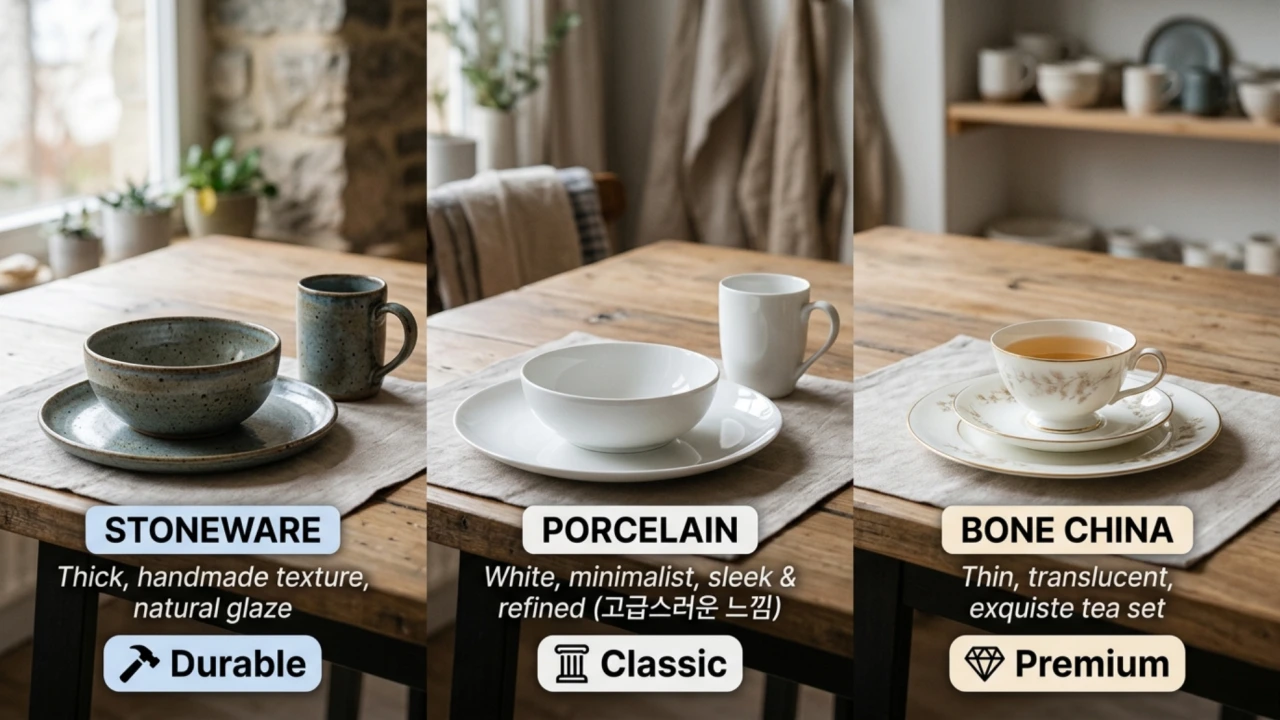
- Stoneware focuses on durability and practicality
- Porcelain focuses on balance and elegance
- Bone China focuses on luxury and lightweight design
Stoneware: Durable Tableware Materials for Everyday Use
What Is Stoneware?
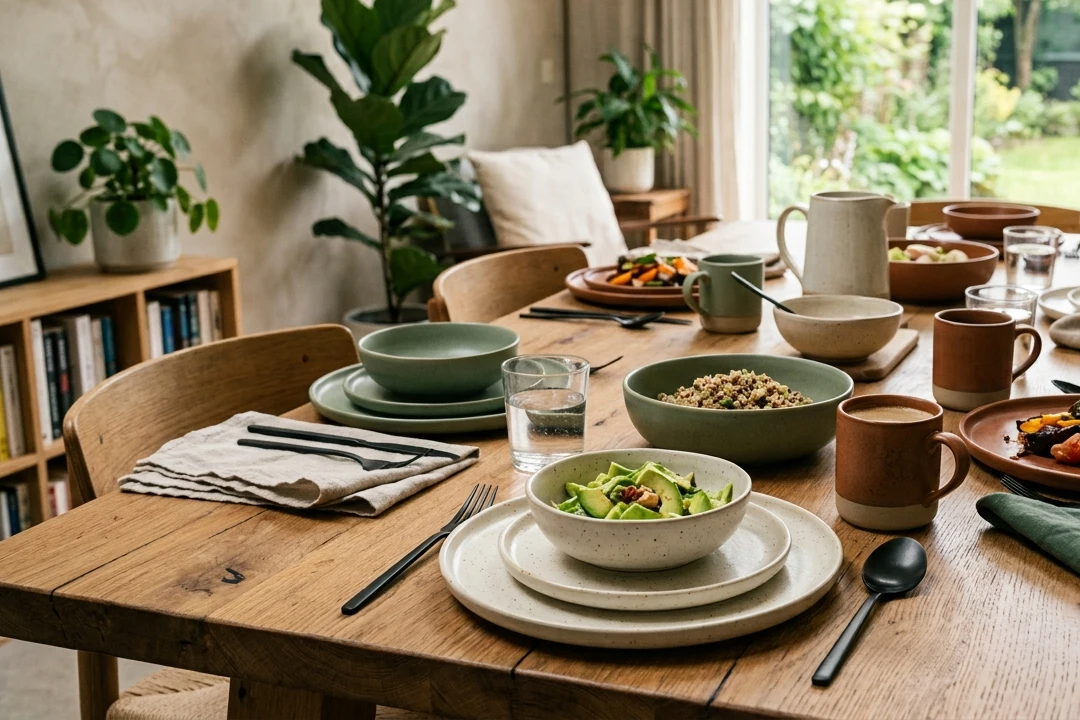
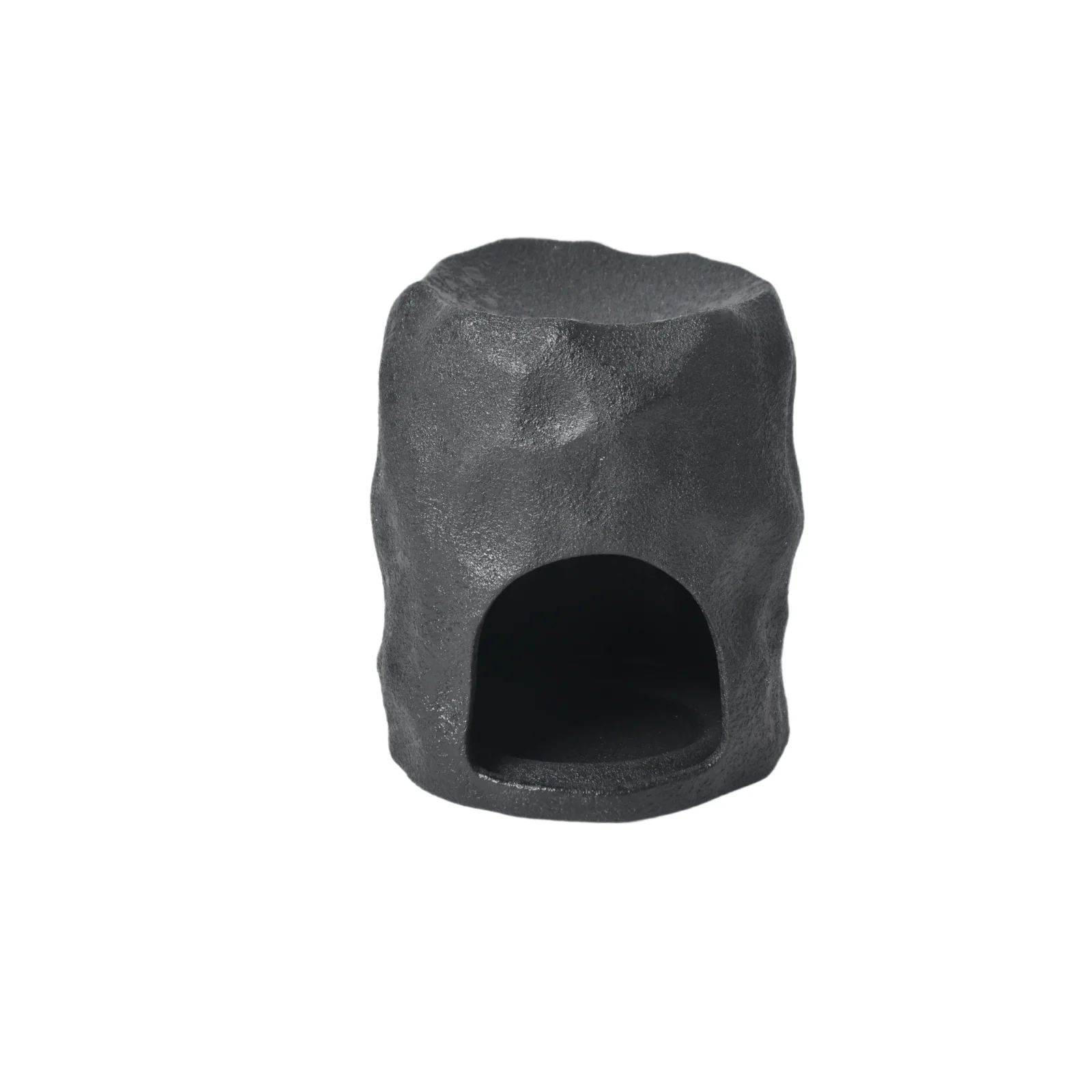
Stoneware is one of the most widely used ceramic materials for modern households and commercial dining environments.
Unlike traditional pottery, stoneware is fired at a higher temperature, creating a dense body structure with low water absorption. The surface keeps a natural handmade texture while maintaining excellent durability.
For buyers sourcing 定制陶瓷餐具, stoneware is a popular choice because it offers a strong balance between appearance, performance, and cost.
Key Advantages of Stoneware
1. Excellent Durability
Stoneware has strong impact resistance compared with other ceramic materials. It is suitable for families, restaurants, hotels, and outdoor dining environments where products need frequent handling.
Its strong structure helps reduce breakage during transportation and daily use, which is especially important for wholesale buyers.
2. Better Heat Retention
因为 stoneware products usually have a thicker body, they maintain heat longer. They are ideal for:
- 烤盘
- 汤碗
- Dinner plates
- Serving trays


Many stoneware products are designed to be compatible with dishwashers, microwaves, refrigerators, and ovens.
3. Suitable for Mass Market Products
For retailers and distributors, stoneware provides a competitive price point while still offering premium visual appeal. It is commonly used for modern farmhouse, rustic, handmade, and lifestyle tableware collections.
What Are Stoneware’s Limitations?
Stoneware is heavier than porcelain and bone china. Customers looking for extremely thin, lightweight, or transparent products may prefer other materials.
However, for daily household use, commercial dining, and high-volume retail markets, stoneware remains one of the most practical tableware materials.


Porcelain: Classic Tableware Materials for Premium Daily Dining
What Is Porcelain?
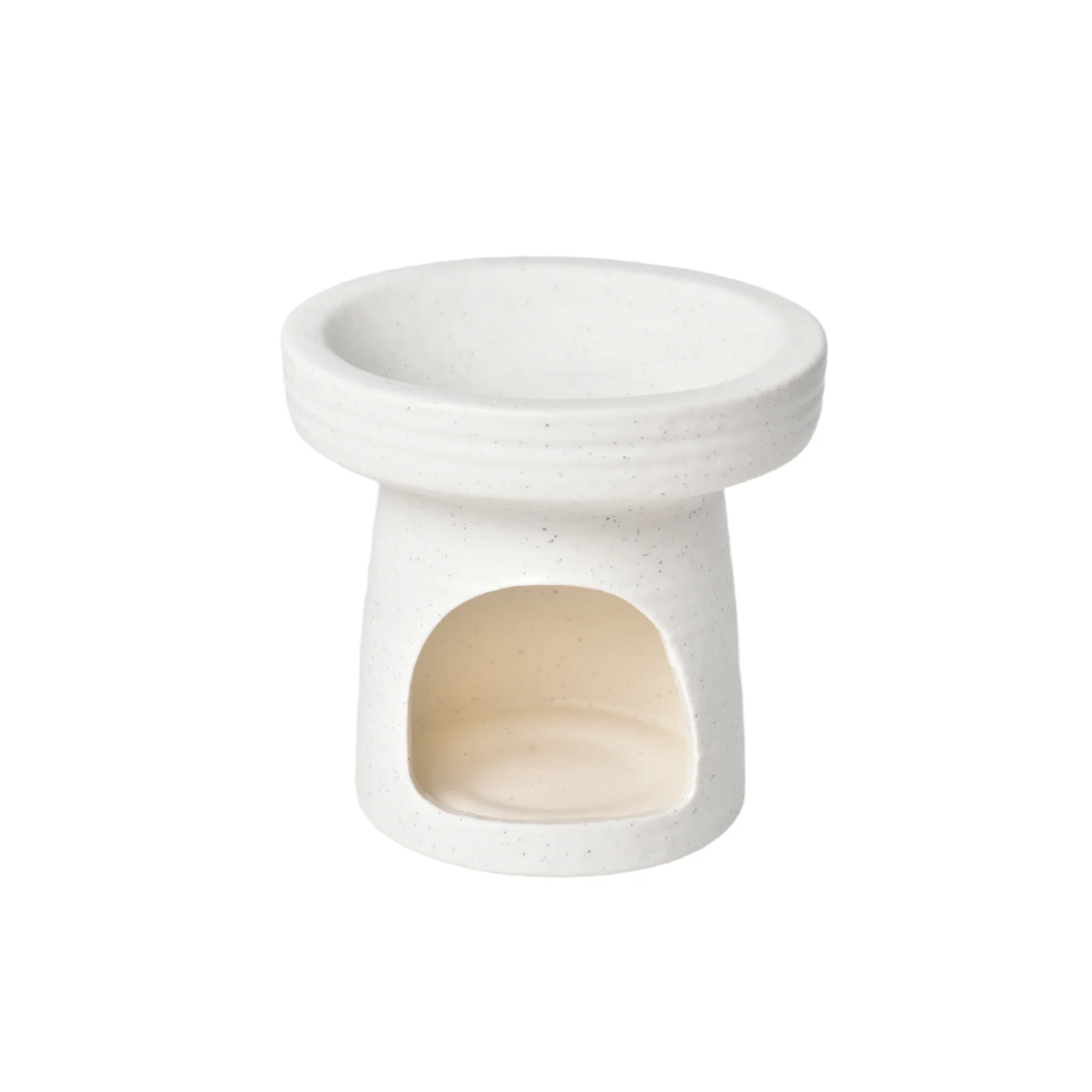
Porcelain is produced with high-quality raw materials such as kaolin, feldspar, and quartz. It is fired at temperatures above 1300℃, creating a dense and smooth ceramic body.
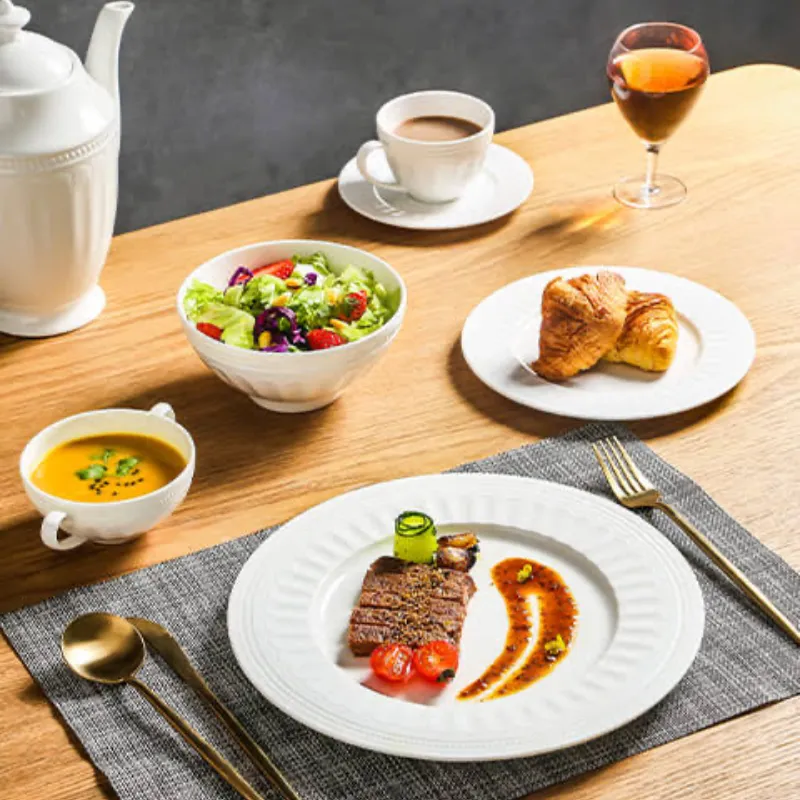
Among ceramic products, porcelain is widely recognized as a classic choice for hotels, restaurants, and household dining collections.
Key Advantages of Porcelain
1. High Hygiene Performance
The extremely low water absorption rate prevents stains, odors, and bacteria accumulation.
This makes porcelain ideal for:
- Hotel tableware
- Restaurant dinner sets
- Catering projects
- Premium household collections
2. Elegant Appearance
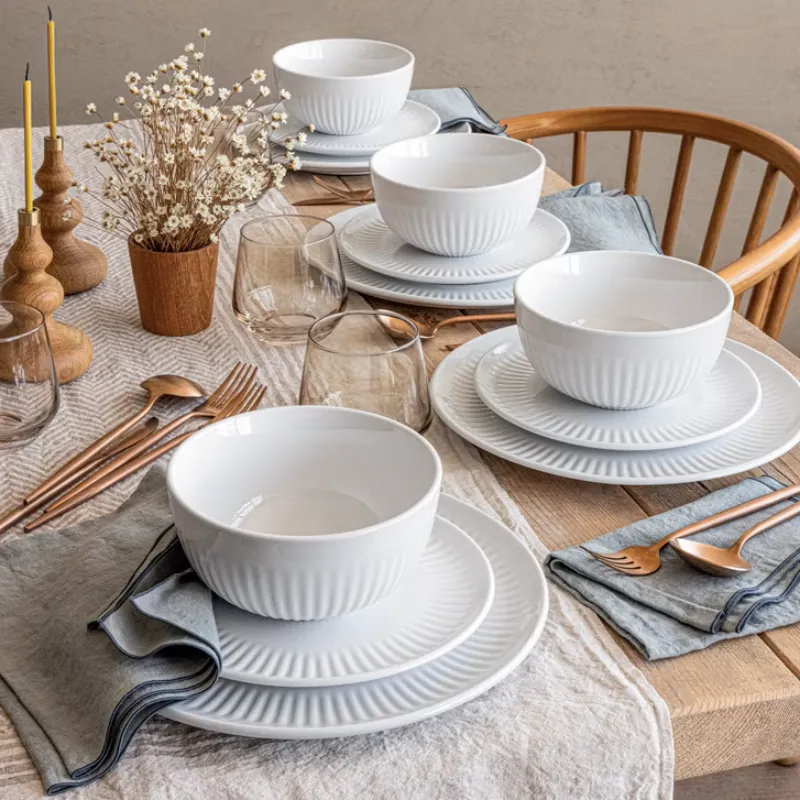
High-quality porcelain usually features:
- Bright white color
- Smooth surface
- Slight translucency
- Clear sound when tapped
These characteristics create a refined dining experience without reaching the high price level of bone china.
3. Stable Commercial Performance
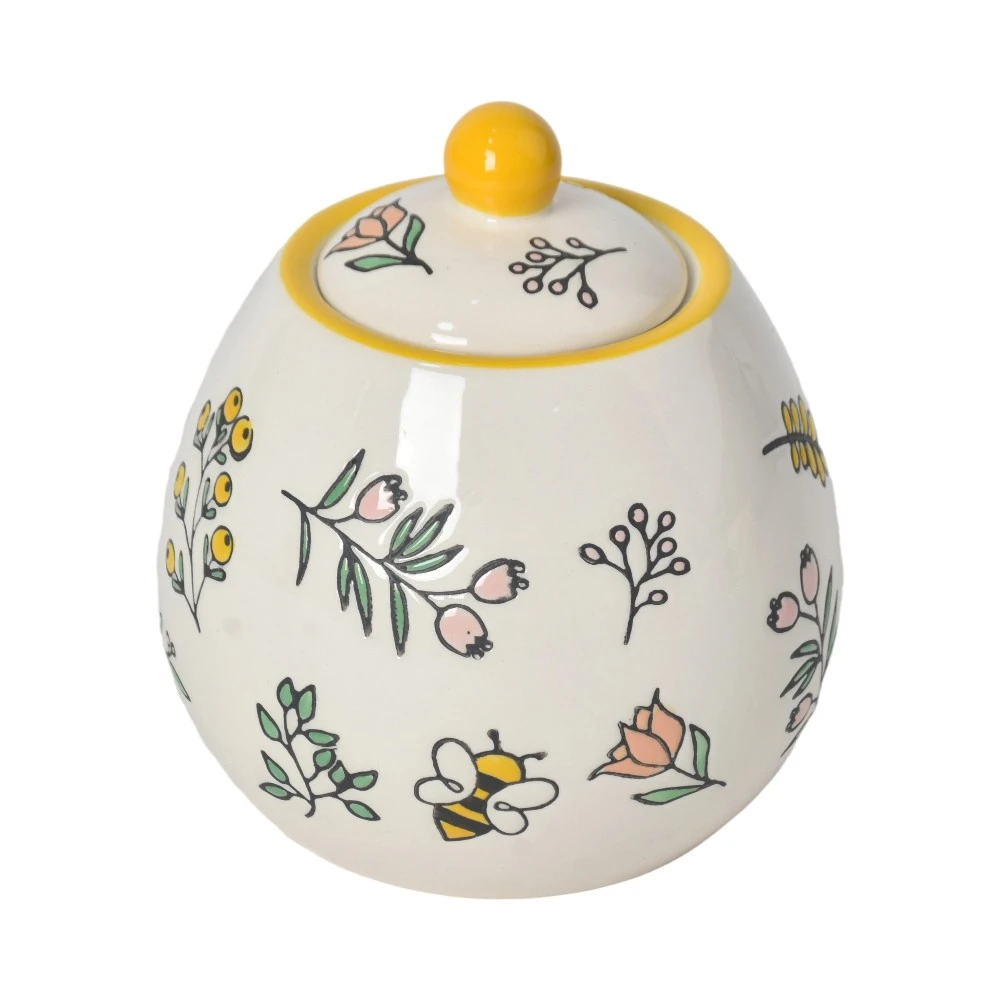
For brands developing 定制陶瓷餐具, porcelain offers excellent versatility. It can support different decoration techniques, including:
- 贴花印刷
- 釉饰
- 釉下彩
- 浮雕图案
What Should Buyers Consider?
Although porcelain has high hardness, it is less impact-resistant than stoneware. Thin porcelain products require careful packaging and transportation protection.
For buyers seeking premium appearance with reasonable cost control, porcelain is often the most balanced choice.

Bone China: Premium Tableware Materials for Luxury Collections
What Is Bone China?
Bone china is considered one of the most premium ceramic materials. It contains approximately 30%-50% animal bone ash, which creates its unique warm white color and translucent appearance.
The production process is more complex, usually involving multiple firing stages, making bone china more expensive than standard porcelain.
Key Advantages of Bone China
1. Lightweight Design
Compared with porcelain, bone china is significantly lighter. This makes it comfortable for long-term use, especially for:
- Tea sets
- Coffee cups
- Gift collections
- Luxury dining products
2. Unique Translucent Appearance
The biggest advantage of bone china is its elegant transparency under light. This premium visual effect is difficult to achieve with other ceramic materials.
3. Premium Market Positioning
For luxury brands and high-end retailers, bone china creates stronger product differentiation and supports higher retail value.
What Should Buyers Consider?
Bone china is designed for elegance rather than heavy-duty usage.
It is not the best choice for:
- High-temperature baking applications
- Outdoor dining
- Heavy commercial environments
For these scenarios, stoneware or specialized heat-resistant ceramics are usually more suitable.

Stoneware vs Porcelain vs Bone China: Quick Comparison
| 特点 | 石器 | 瓷器 | 骨瓷 |
|---|---|---|---|
| Price | Affordable | 中型 | 高级 |
| 重量 | Heaviest | 中型 | Lightest |
| 耐用性 | 非常棒 | 好 | Requires careful handling |
| Water Absorption | Below 2%-3% | Below 0.5% | Below 0.5% |
| Appearance | Natural and rustic | Classic and elegant | Luxury and translucent |
| Heat Resistance | 非常棒 | 好 | 限量版 |
| Best Application | Daily use, restaurants, baking | Hotels, households, catering | Premium dining and gifts |
How to Choose the Right Tableware Materials for Your Business?
For wholesalers and importers, selecting the right ceramic material depends on your target market:
Choose stoneware if you need:
- Durable daily-use products
- Competitive wholesale pricing
- Baking and kitchen applications
- Family-oriented collections
Choose porcelain if you need:
- Classic dinnerware collections
- Hotel and restaurant supply
- Premium but affordable products
Choose bone china if you need:
- Luxury positioning
- Gift products
- High-end dining collections
Many successful brands combine different tableware materials in their product portfolio: stoneware for everyday collections, porcelain for classic dining lines, and bone china for premium series.
FAQ About Tableware Materials
What is the most durable ceramic tableware material?
Stoneware is generally considered the most durable option because of its thicker body and stronger impact resistance. It is suitable for daily household use, restaurants, and commercial environments.
Is porcelain better than stoneware?
Neither material is universally better. Porcelain offers a smoother appearance and higher whiteness, while stoneware provides better durability and heat retention.
Which tableware materials are suitable for restaurants?
Porcelain and stoneware are both suitable. Porcelain is commonly used in hotels and fine dining for its elegant appearance, while stoneware is well-suited to casual restaurants that require greater durability.
Can stoneware and porcelain be customized?
Yes. Professional ceramic manufacturers can provide 定制陶瓷餐具解决方案, including shape design, color customization, logo printing, packaging, and OEM/ODM development.
Why is bone china more expensive?
Bone china requires special raw materials, complex production processes, and additional firing procedures, which increase manufacturing costs.
Partner with Qunfa Ceramics for Custom Ceramic Tableware Solutions
Choosing the right tableware materials is only the first step. As an experienced ceramic tableware manufacturer, 群发陶瓷 helps global brands, wholesalers, and retailers develop high-quality ceramic collections with reliable OEM/ODM solutions.
Founded in 1993, Qunfa has over 30 years of experience in ceramic manufacturing, advanced production facilities, and strong customization capabilities. From stoneware and porcelain to custom ceramic tableware designs, we provide flexible solutions to meet different market needs.
Contact Qunfa Ceramics today to create your next ceramic tableware collection with a trusted manufacturing partner.