
Disposable tableware results in lasting environmental damage for the sake of very temporary convenience. By comparison, ceramic tableware is a long-lasting, reusable, and economical option. For our corporate customers in the B2B space, opting for durable tableware wholesale is both a commitment to sustainability and a strategic opportunity to lower lifecycle costs, strengthen their brand, and align with global ESG expectations.
The Hidden Cost of Disposable Tableware
Disposable tableware may appear cheap and convenient, but its real cost is environmental, regulatory, and long-term financial risk.
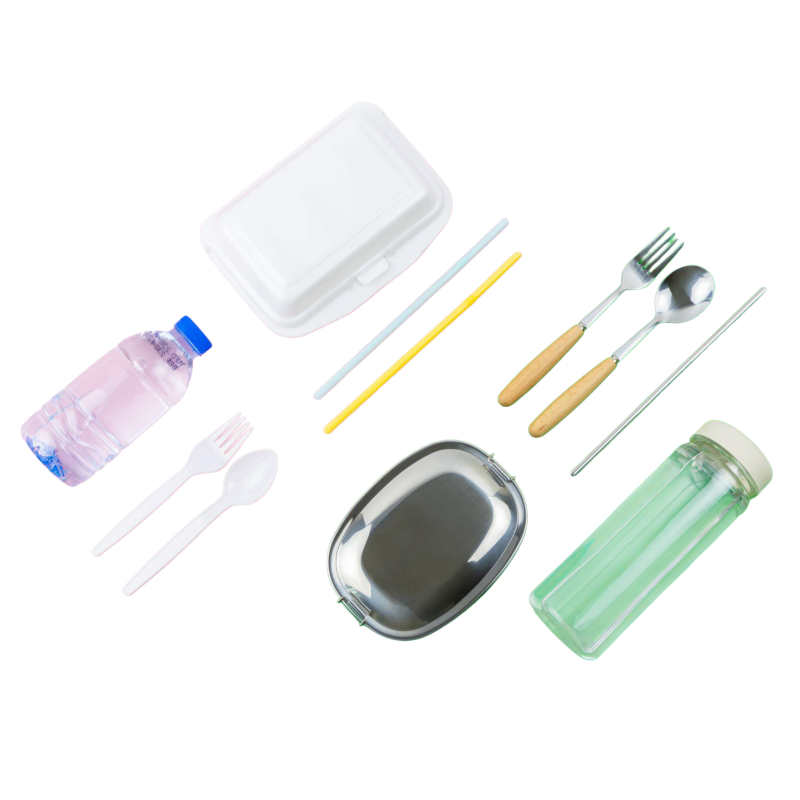
Plastic Tableware
Materials like polypropylene (PP) and polystyrene (PS) can take hundreds of years to degrade. According to the United Nations Environment Programme (UNEP), over 300 million tons of plastic waste are generated annually, much of which ends up in oceans and food chains.
Paper & Sugarcane Tableware
Marketed as “eco-friendly,” these products often require industrial composting. In landfill conditions, decomposition is extremely slow, while production consumes significant water and chemicals.
Foam Containers
Expanded polystyrene (EPS) is non-recyclable in most regions and harmful to wildlife when ingested. Many countries are already banning it, increasing compliance risks for businesses.
For distributors, retailers, and hospitality buyers, reliance on disposable products may soon conflict with tightening environmental regulations.
Durable Ceramic Tableware: A Long-Term Business Advantage
Built to Last, Designed for Reuse
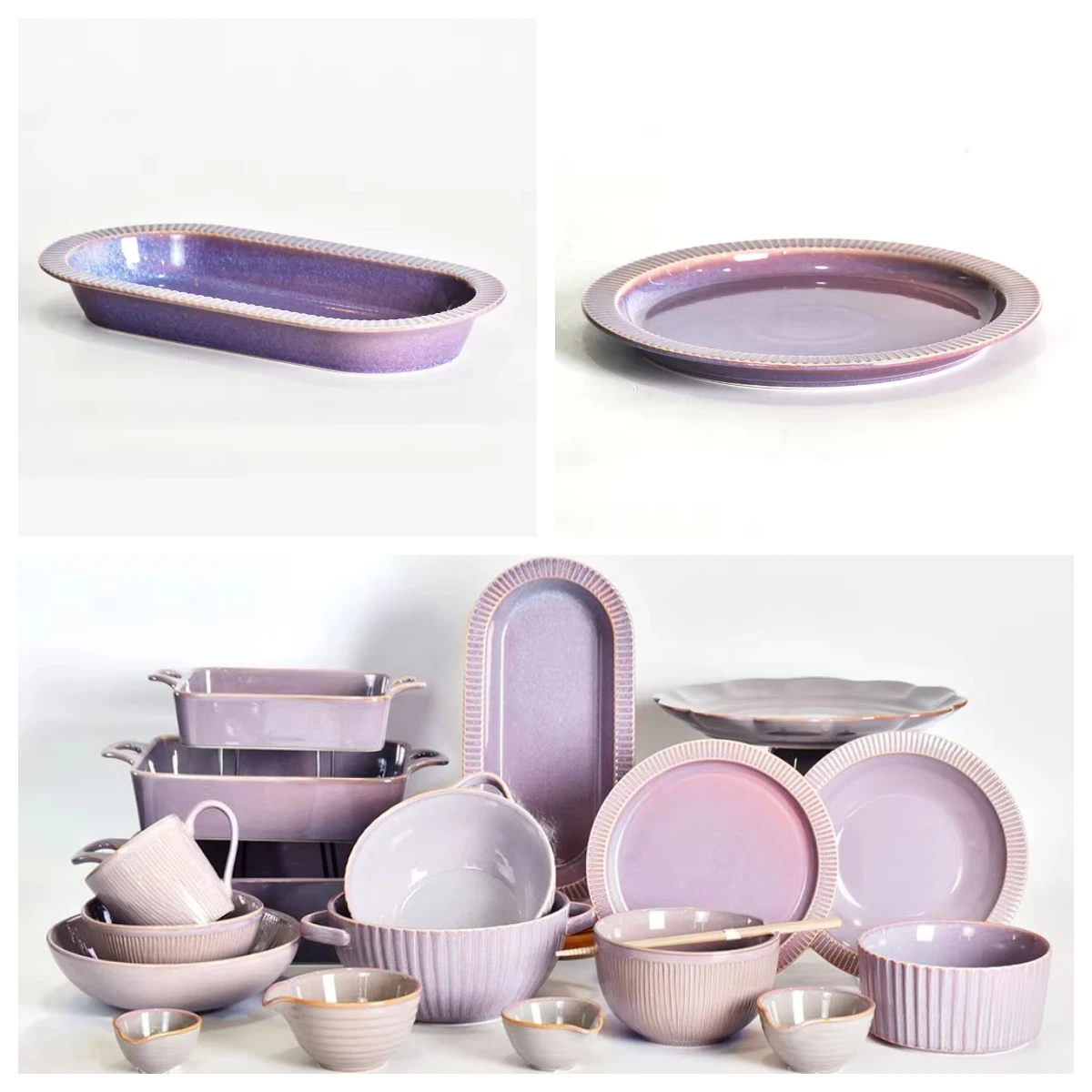
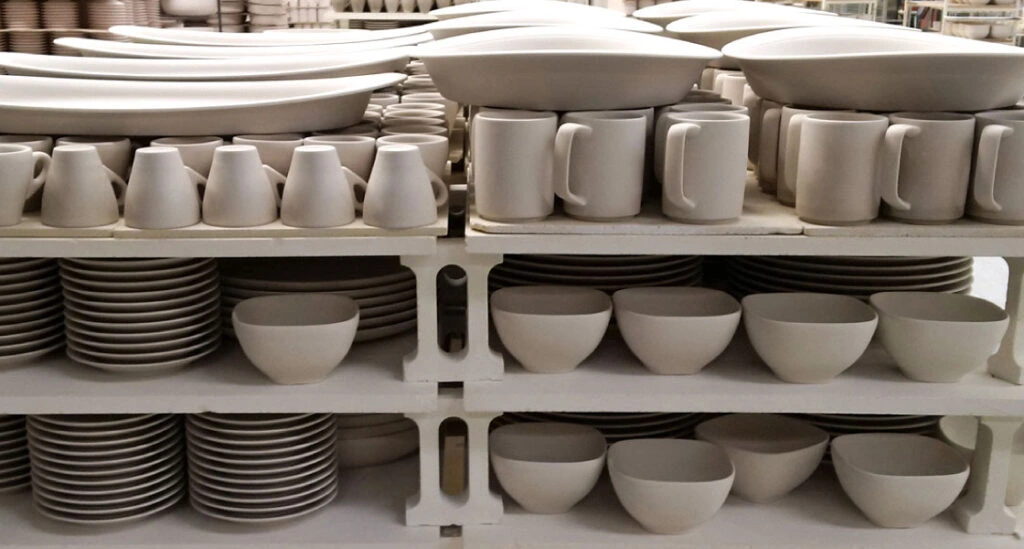
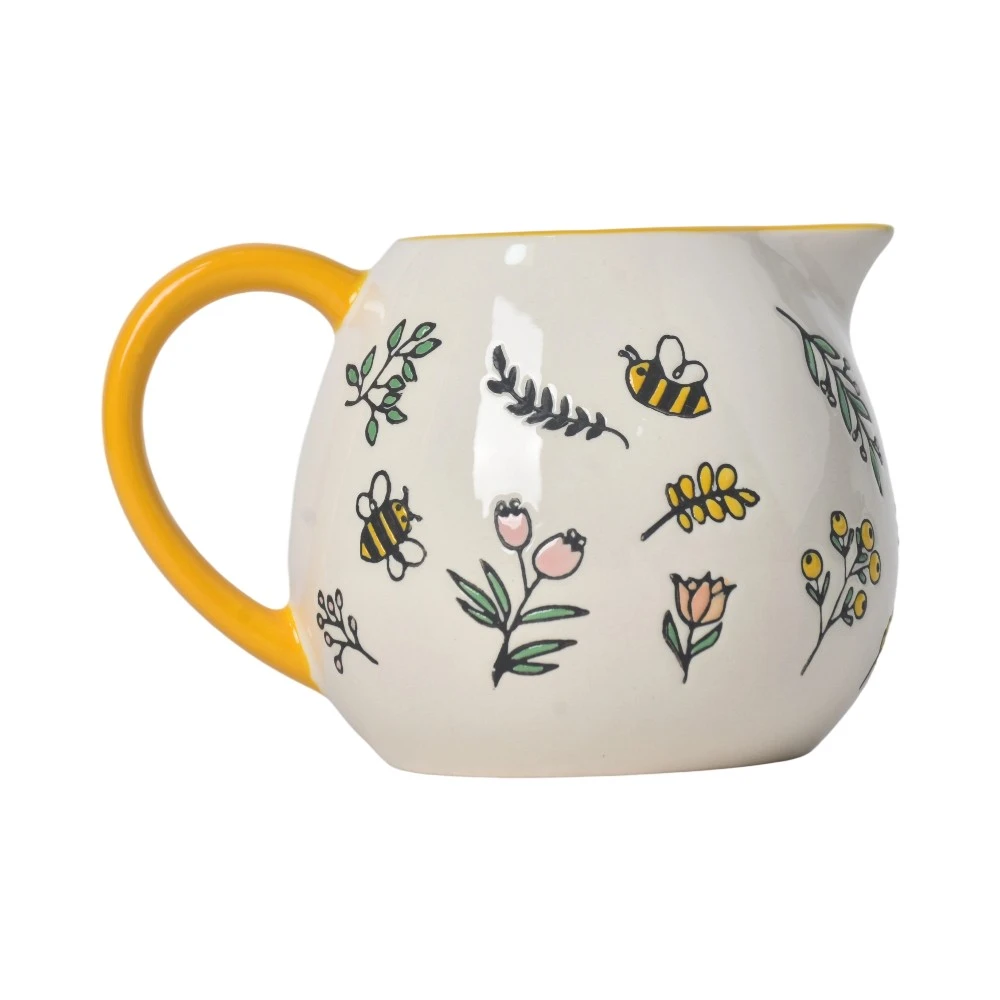
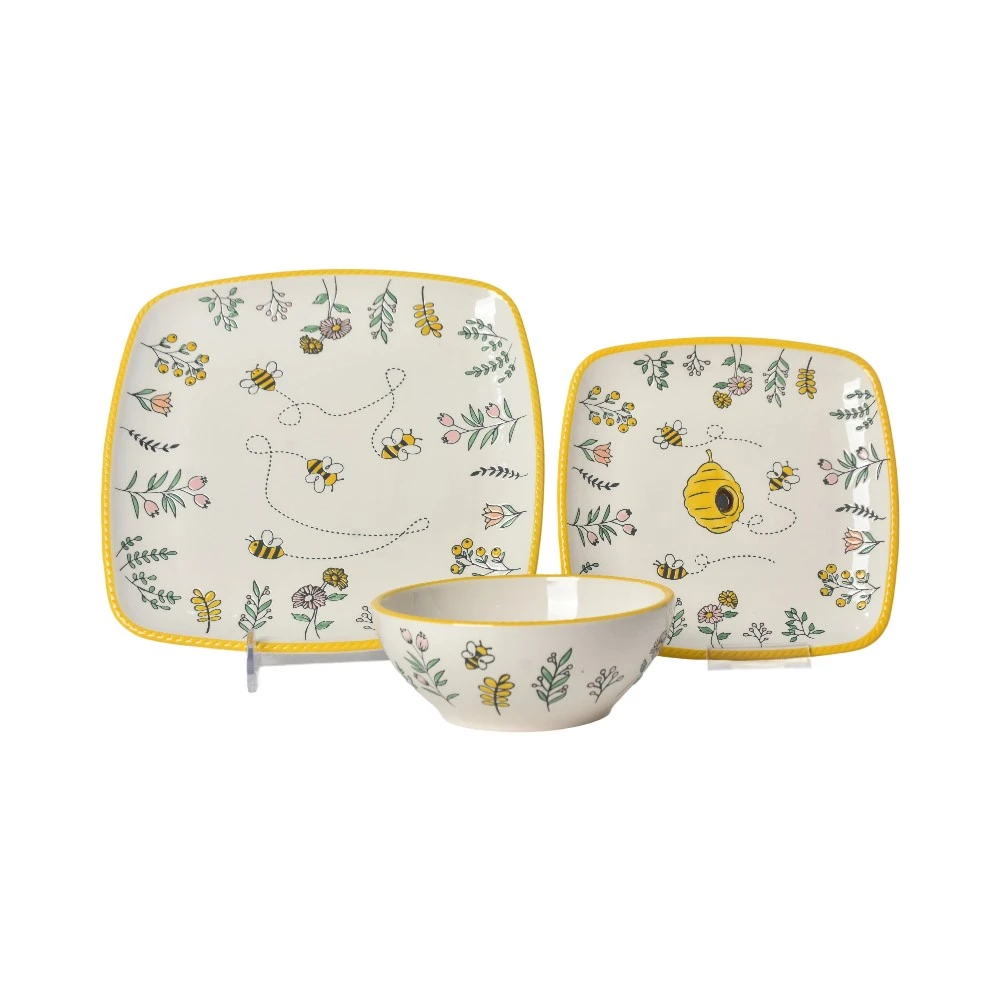
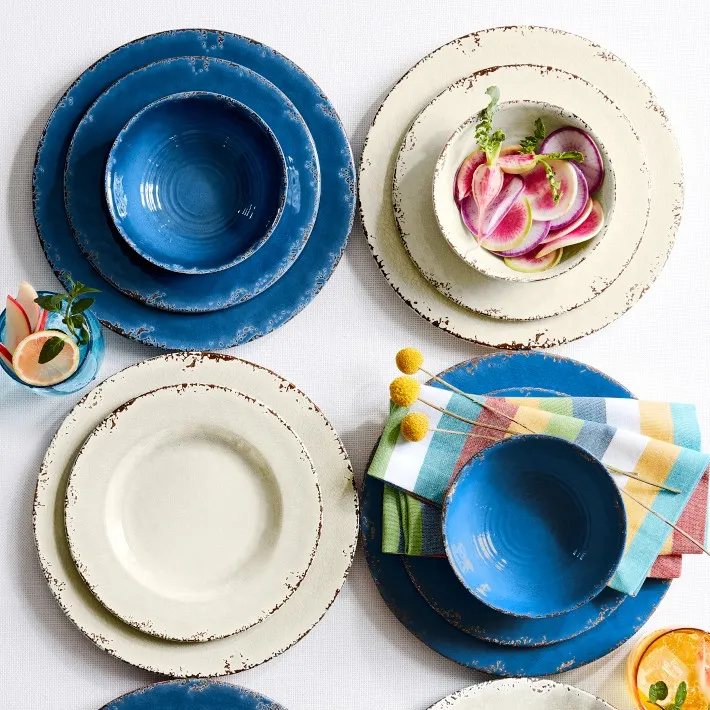
High-quality Ceramic Tableware fired above 1230°C offers excellent durability, scratch resistance, and structural stability. A single set can last 10–20 years under normal use.
Lifecycle Cost Efficiency
- Disposable tableware: ~365 uses = 365 units of waste annually
- Ceramic tableware: 1 set = thousands of uses
For B2B buyers, durable tableware wholesale significantly reduces repeat procurement costs and logistics expenses.
Lower Environmental Impact Per Use
When production energy is distributed across thousands of uses, ceramics have a much lower per-use footprint compared to single-use items. This aligns with ESG procurement strategies and sustainability reporting requirements.

A True Circular Economy Material
Ceramics are made from natural minerals such as kaolin, feldspar, and quartz.
- Non-toxic and food-safe
- Chemically stable (no leaching)
- Recyclable as construction aggregate or landscaping material
Unlike plastics, ceramic waste does not release microplastics or toxic substances into ecosystems.
According to the European Commission Circular Economy Action Plan, durable and reusable products are key to reducing resource consumption and waste generation.

Why Medium-Temperature Ceramics Are Ideal for Daily Use
Ceramic firing temperatures determine performance and cost.
Balanced Performance
- Lower absorption rate (<5%) than low-temperature ceramics
- Stronger durability and resistance to staining
- Better cost-performance than high-temperature porcelain
Practical for Commercial Use
Medium-temperature 陶瓷餐具 is widely used in:
- Restaurants & catering
- Hotels & resorts
- Retail tableware distribution


Multi-Scenario Compatibility
- Microwave safe
- Oven safe
- Dishwasher safe
- Refrigerator safe
This versatility makes it a preferred option in durable tableware wholesale supply chains.
Sustainable Consumption = Buy Less, Buy Better
For B2B buyers, sustainability is no longer optional—it’s a competitive advantage.
Switching to 陶瓷餐具 helps:
- Reduce waste management costs
- Improve brand positioning (eco-friendly image)
- Meet international compliance standards
Practical Applications
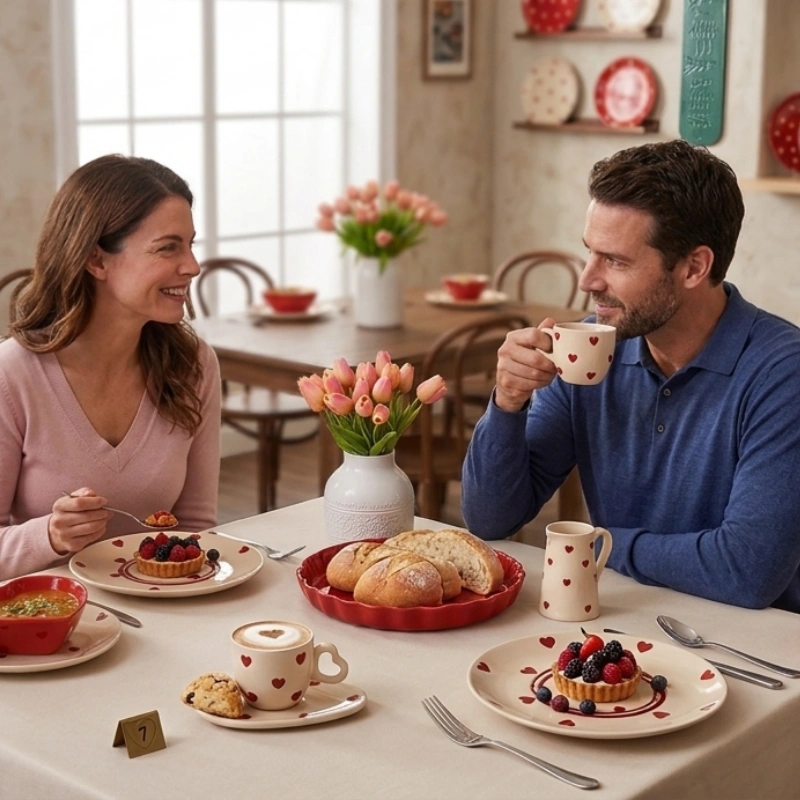
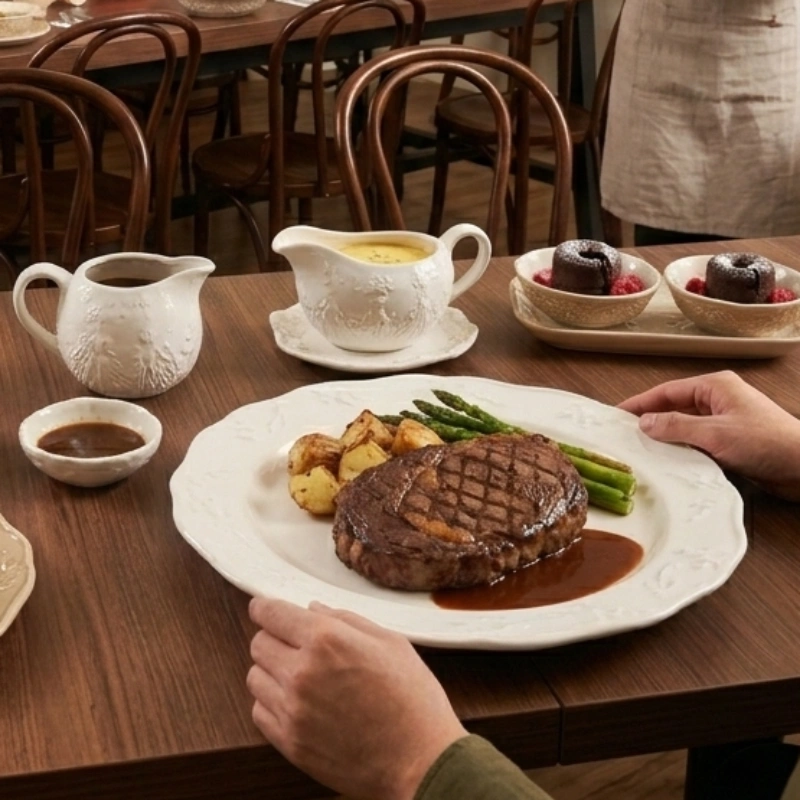
- Restaurants replacing disposable serving ware
- Corporate catering reducing single-use waste
- Retailers offering reusable product lines
FAQ: Ceramic Tableware for B2B Buyers
1. Is ceramic tableware cost-effective for bulk buyers?
Yes. While upfront costs are higher, long-term savings from reuse and reduced logistics make durable tableware wholesale more economical.
2. Can ceramic tableware meet international safety standards?
High-quality manufacturers ensure compliance with FDA, LFGB, and other global standards.
3. Is ceramic tableware suitable for high-frequency use?
Absolutely. Medium-temperature ceramics are specifically designed for daily commercial use with strong durability.
4. What customization options are available?
OEM/ODM services include shape design, glazing, logo printing, and packaging customization—ideal for brand differentiation.
Conclusion: Durable Is the Future of Tableware
Choosing 陶瓷餐具 is more than an environmental decision—it’s a smart business strategy.
Every reusable plate reduces hundreds of disposable items. Every durable product strengthens your brand’s sustainability story.
About Qunfa Ceramics – Your Reliable OEM Partner
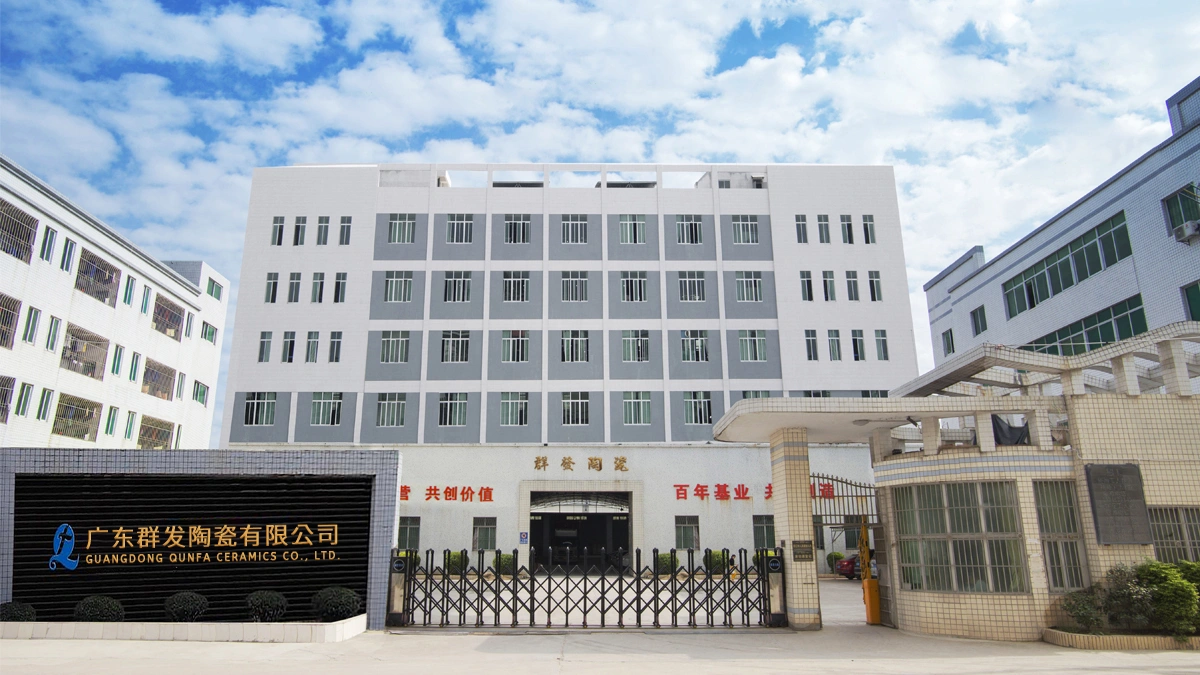
群发陶瓷 (founded in 1993) is a professional manufacturer specializing in Ceramic Tableware and baking ware.
- 30,000㎡ modern factory
- 400+ skilled employees
- Strong OEM/ODM capabilities
- Trusted by global brands like Walmart, Costco, Aldi, and Disney
We provide durable tableware wholesale solutions tailored to distributors, retailers, and hospitality businesses worldwide.
Looking for a long-term, eco-friendly tableware supplier?
Contact Qunfa Ceramics today to develop your next sustainable product line.