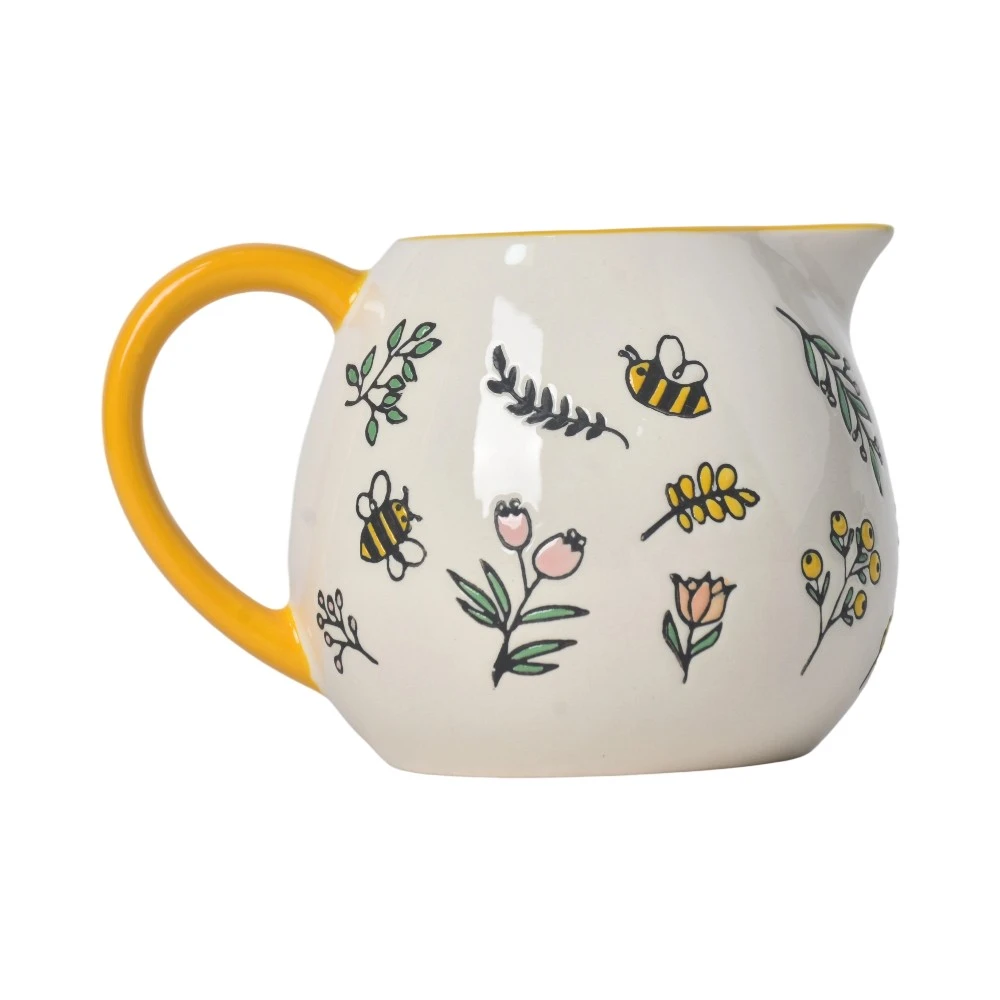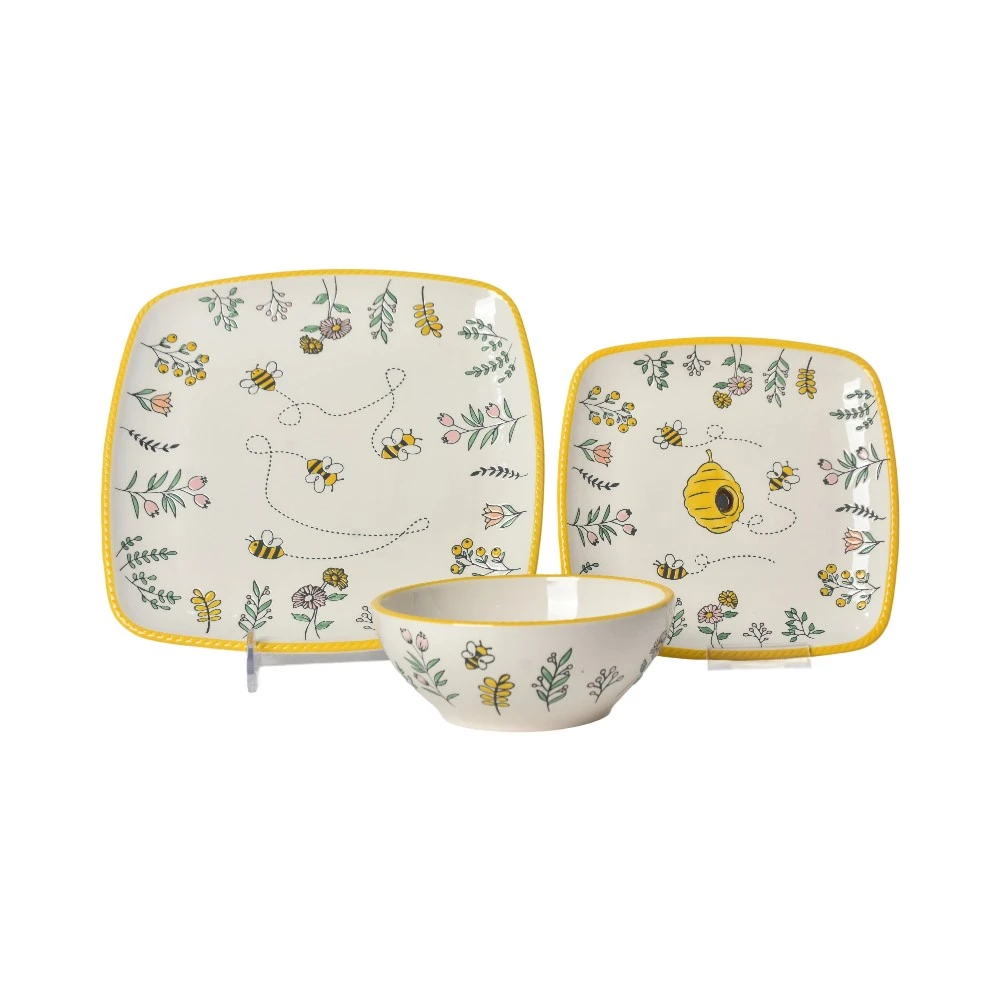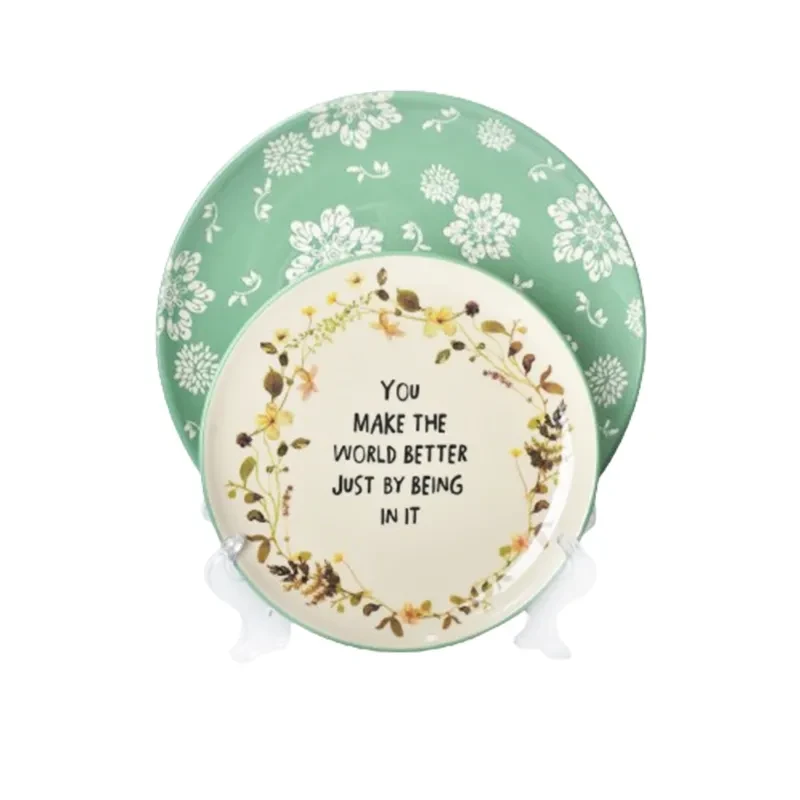
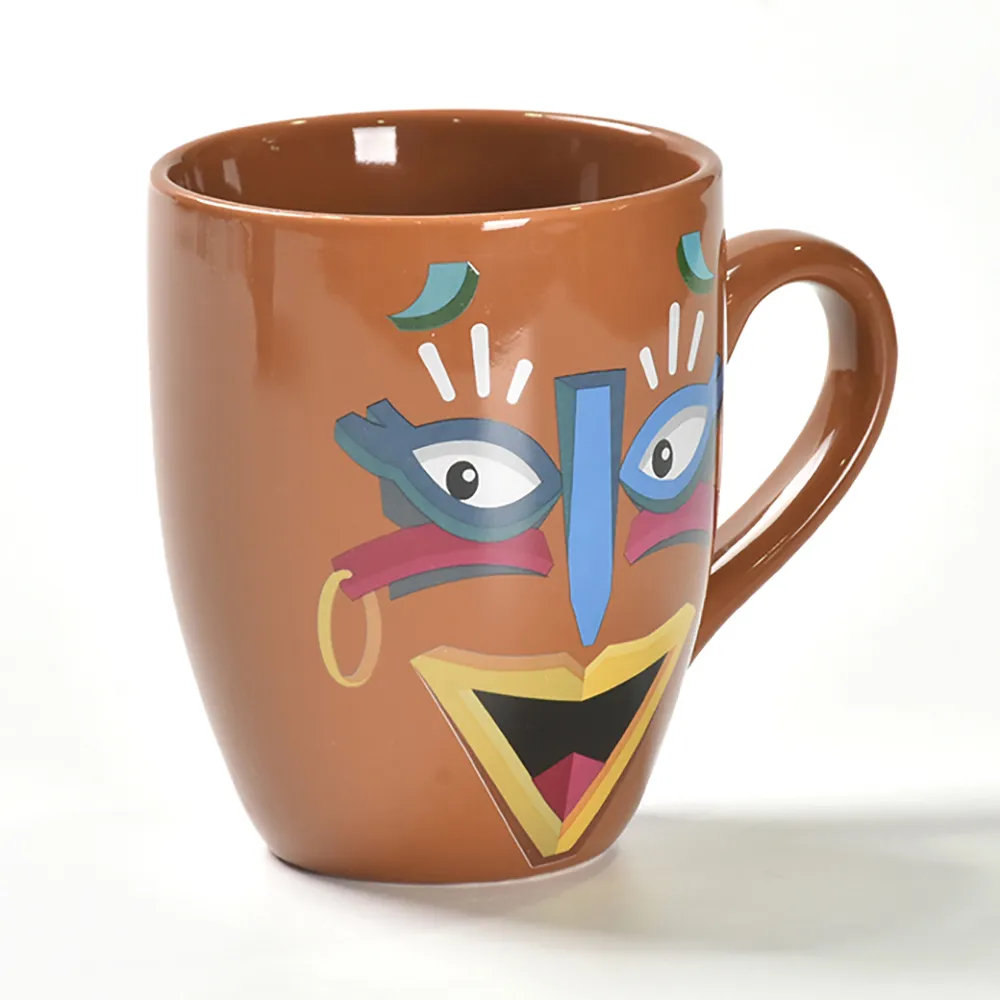
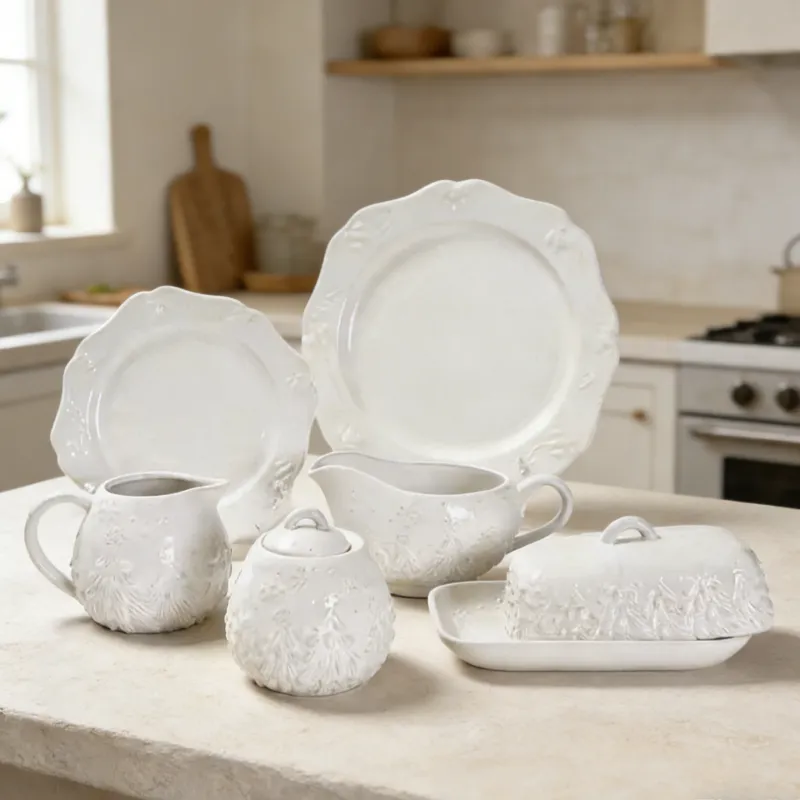
The ceramic tableware market has changed significantly between 2026 and 2027. Buyers are no longer looking only for consistent white porcelain or flawless finishes—they want distinctive glazes, handcrafted details, sustainable production, and products designed for modern dining experiences. This article summarizes six major ceramic tableware trends identified through customer conversations and international trade shows. It explains how manufacturers can respond with reliable production, OEM/ODM 能力, and quality assurance.


Ceramic Tableware Trends 2026–2027: What Global Buyers Are Looking For

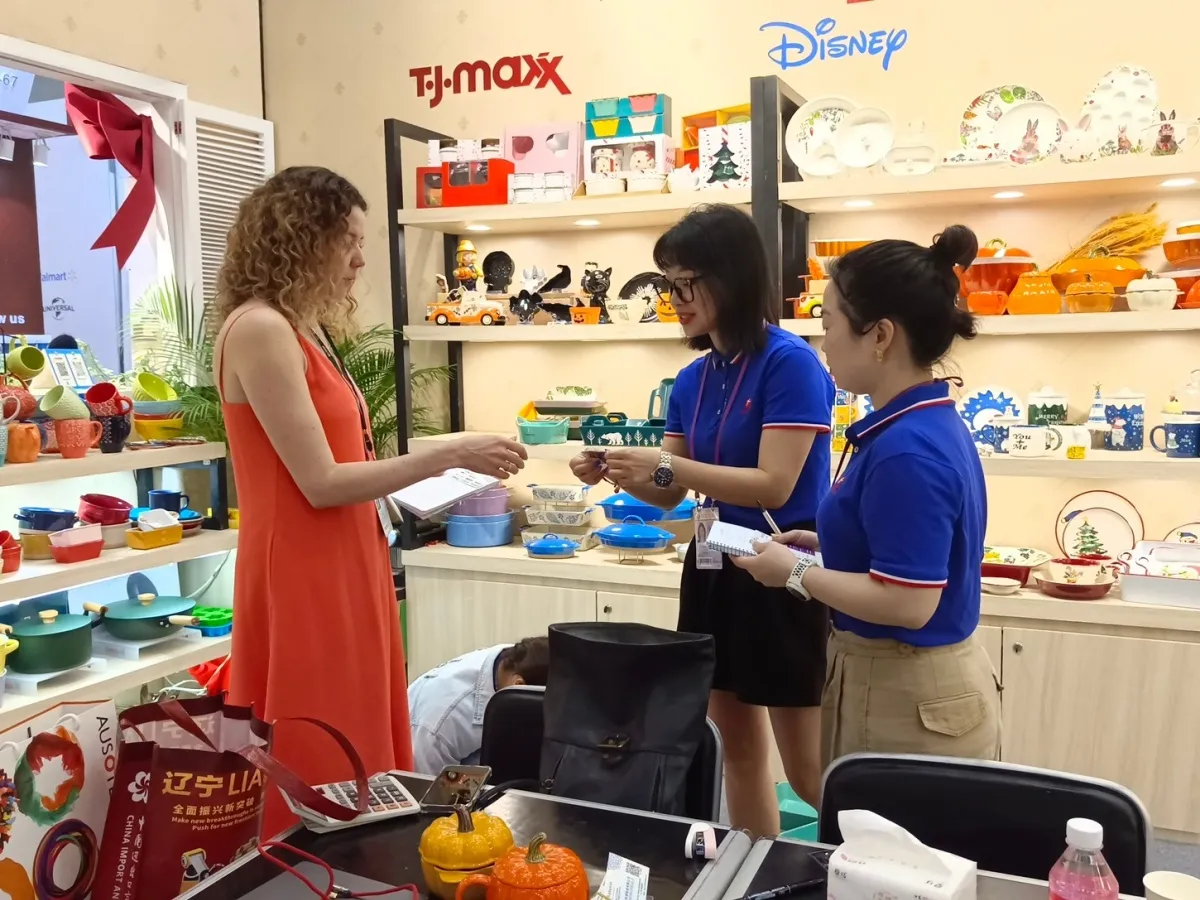
Over the past two years, we have attended international trade shows and spoken with ceramic wholesalers, retailers, hospitality brands, and private-label customers from different markets. One change has become increasingly obvious.

A few years ago, buyers mainly asked questions such as:

  • Is the tableware perfectly white?
  • Is every piece exactly identical?
  • How many production processes are involved?

Today, their priorities have shifted.

Many buyers now pick up a bowl and immediately check the handmade marks on the foot ring. They turn the piece over to examine whether the glaze has natural variation, whether the color feels unique, and whether the product tells a story.

This reflects a broader transformation in the 陶瓷餐具批发 market. Purchasing decisions are increasingly driven by design identity, sustainability, lifestyle positioning, and social-media appeal—while maintaining strict requirements for food safety and durability.

From our experience in manufacturing mid-temperature ceramic tableware, we have identified six important trends shaping the market in 2026–2027.

群发日用陶瓷制造商参展-1

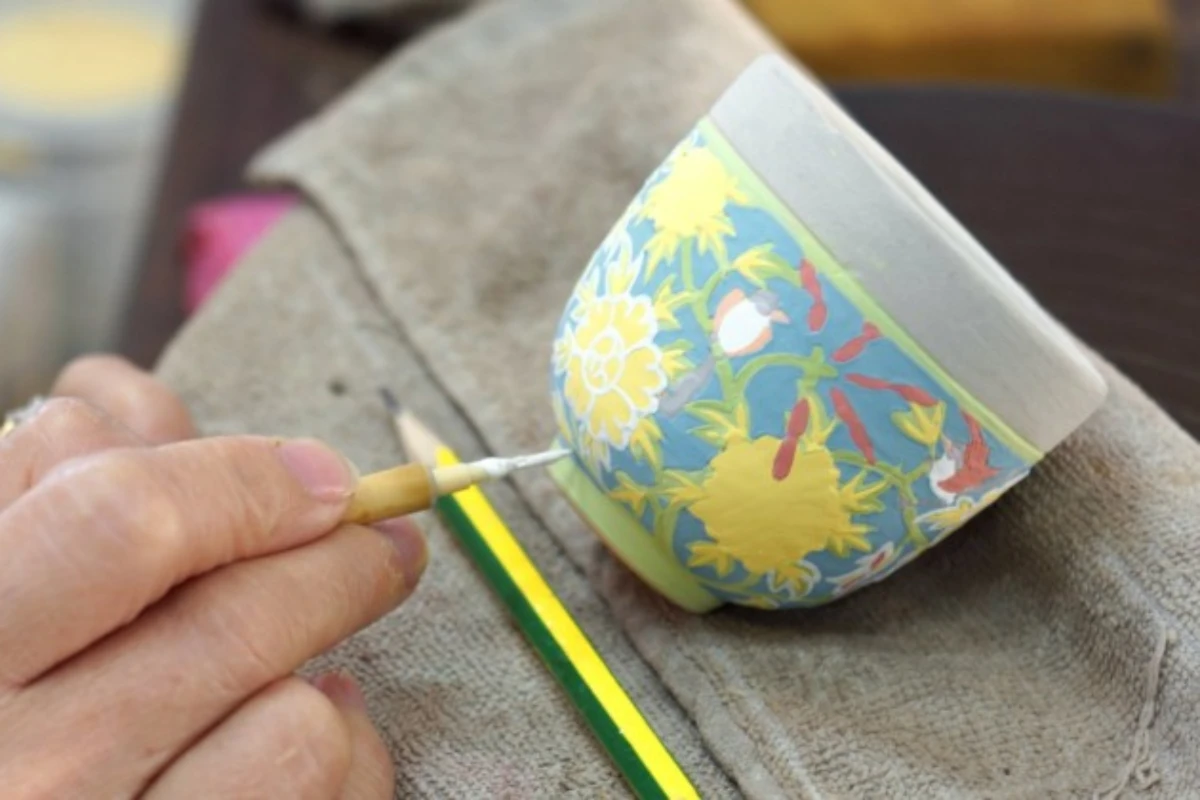
1.”Less Perfect” Has Become More Desirable

Perfectly uniform industrial products are no longer the only standard.

Instead, many buyers actively look for subtle handcrafted characteristics, including:

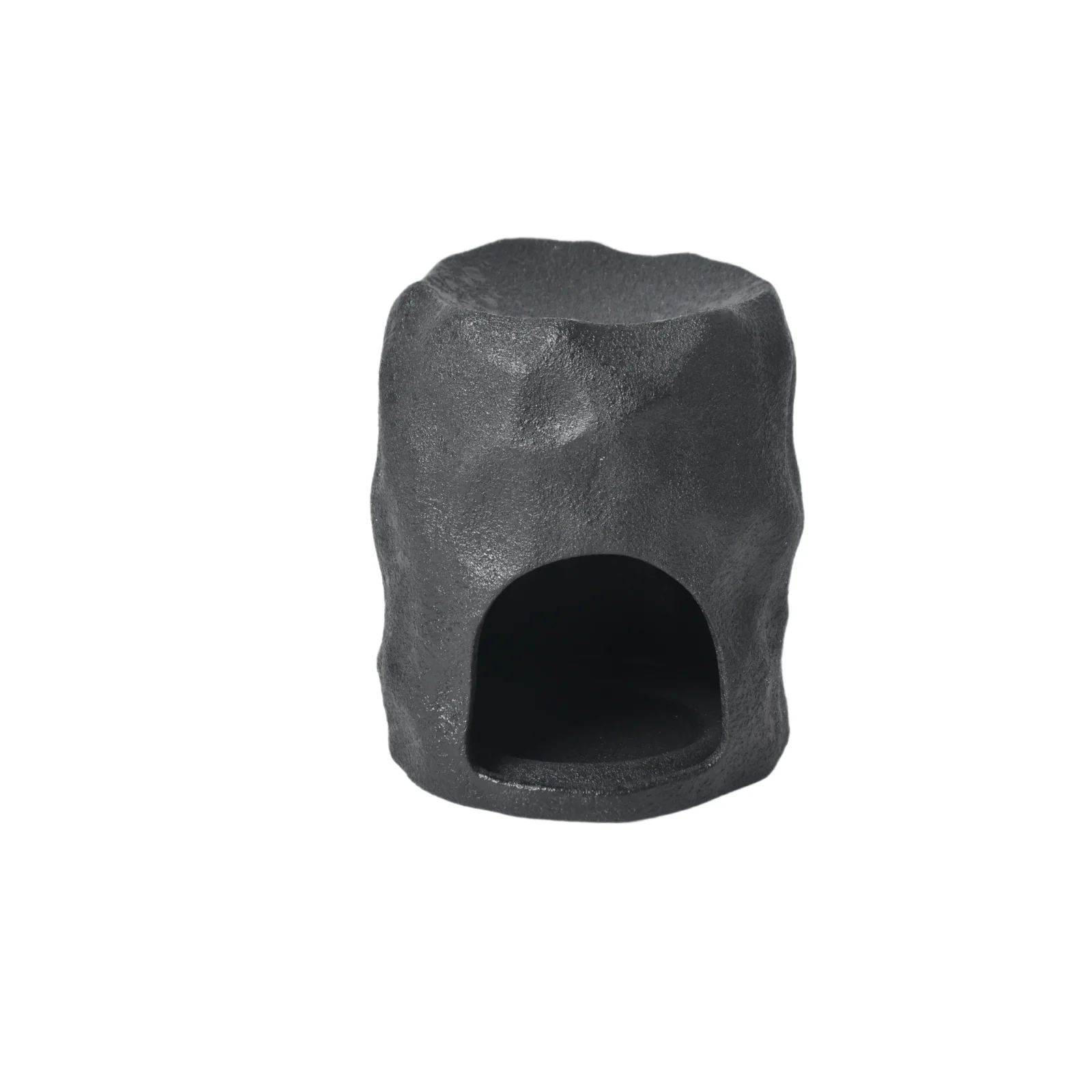
  • Natural throwing marks
  • Gentle brush strokes
  • Slight glaze variations
  • Organic surface textures

These are not production defects.

Rather, they create authenticity and make every piece feel unique while maintaining consistent manufacturing quality.

For manufacturers, achieving this balance requires careful process control.

Mid-temperature firing offers an advantage because it allows glazes to retain a softer texture without becoming overly glass-like, while still producing a dense ceramic body that provides excellent strength and everyday durability.

For brands targeting lifestyle retailers, boutique homeware stores, and premium hospitality projects, this handcrafted appearance often creates stronger product differentiation.


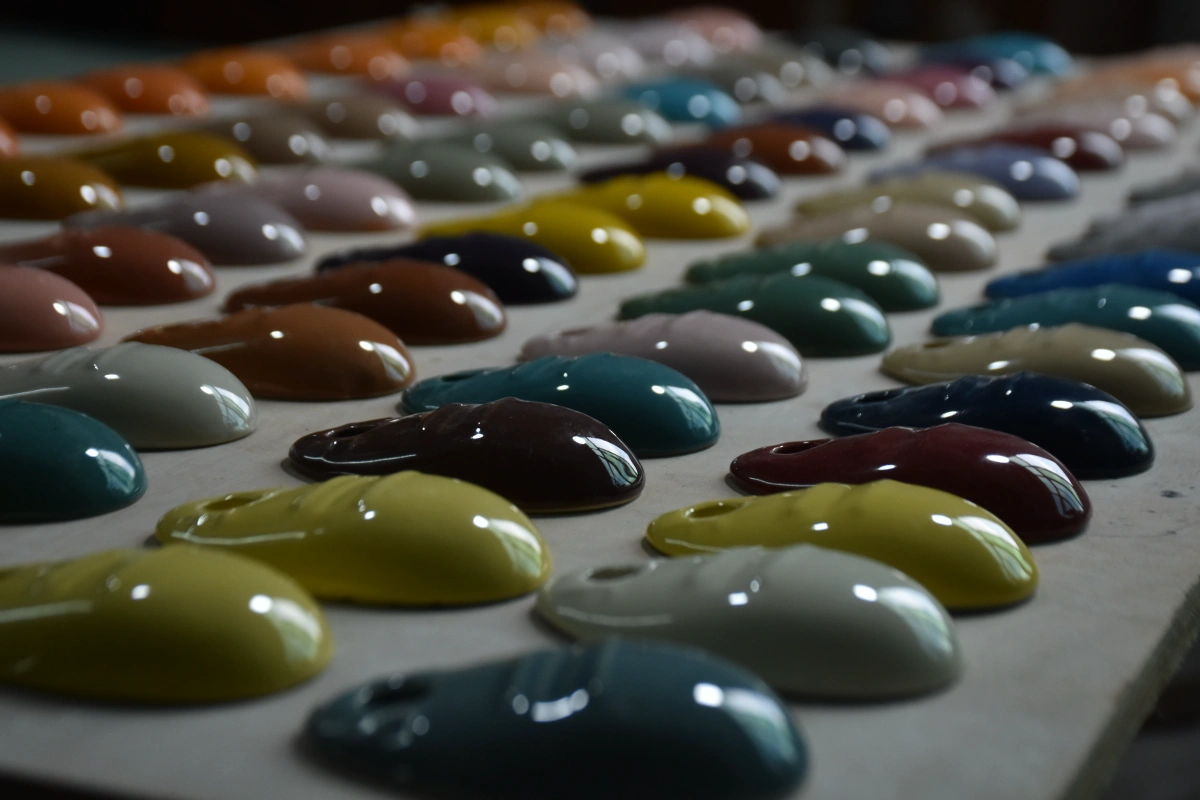
2. Earth-Tone Glazes Continue to Replace Pure White

Another clear ceramic tableware trend is the shift toward natural colors.

Traditional bright white collections are gradually giving way to softer, more calming palettes.

Popular colors include:

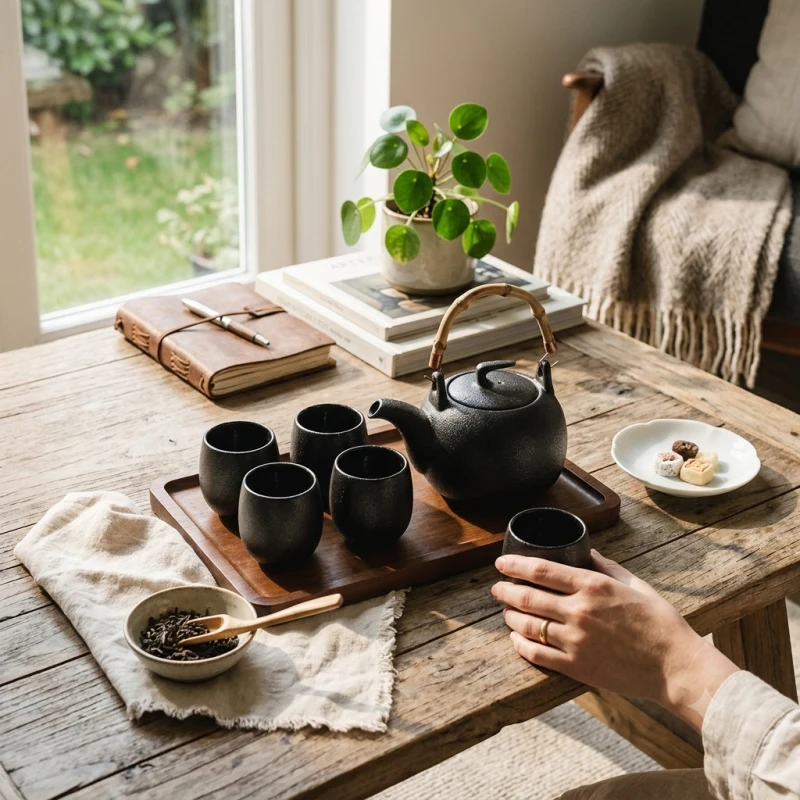
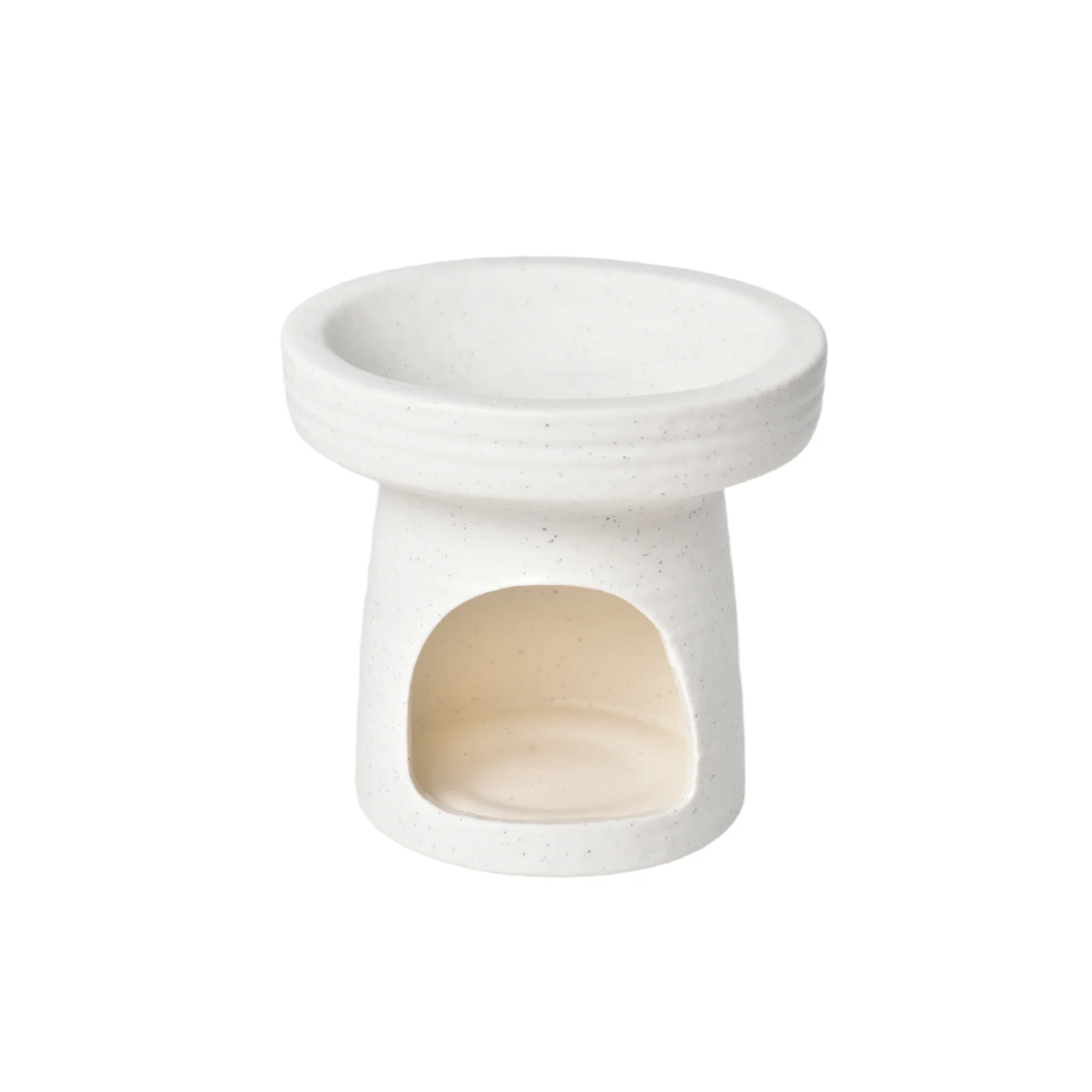
  • Oatmeal white
  • Terracotta brown
  • Sage green
  • Sand beige
  • Warm charcoal
  • Soft blue-gray

Matte and semi-matte finishes are especially popular because they complement food presentation instead of competing with it.

During our production process, small adjustments in oxidation and reduction firing allow us to achieve stable, low-saturation glaze colors while maintaining excellent consistency for mass production.

At the same time, strict control of lead and cadmium remains an essential part of glaze development for international markets.

引领市场趋势

3. Mixed Materials Create More Premium Collections

Today’s tableware is no longer limited to ceramic alone.

Many successful collections now combine ceramics with natural materials, including:

  • Wooden lids
  • Bamboo or rattan trivets
  • Metal handles
  • Silicone accessories
  • Cork components

The contrast between different materials creates a warmer tabletop experience.

At the same time, multifunctional designs are becoming increasingly important.

Examples include:

  • One bowl for soup, rice, and salad
  • One plate suitable for breakfast, desserts, or appetizers
  • Asian-inspired bowls paired with Western-style wide rims

This flexibility allows retailers to simplify their product assortment while giving consumers more practical everyday use.


4. New Chinese Design Is Becoming More Refined

Instead of directly copying traditional blue-and-white porcelain patterns, designers are exploring more sophisticated cultural inspiration.

Many contemporary collections borrow ideas from Song Dynasty aesthetics while simplifying the visual language.

Popular elements include:

  • Sky blue glazes
  • Shadow blue tones
  • Oil-spot glaze effects
  • Minimalist brush textures
  • Soft geometric interpretations of traditional motifs

Rather than looking overtly traditional, these products combine Eastern elegance with modern simplicity.

This design direction appeals particularly well to premium home décor brands and international retailers looking for products with cultural character without appearing overly decorative.


5. Sustainability Is Now a Purchasing Requirement

Environmental responsibility has moved beyond marketing language.

Today, buyers increasingly ask practical questions such as:

  • Is it dishwasher safe?
  • Is the packaging plastic-free?
  • Can materials be recycled?
  • How much energy does production consume?
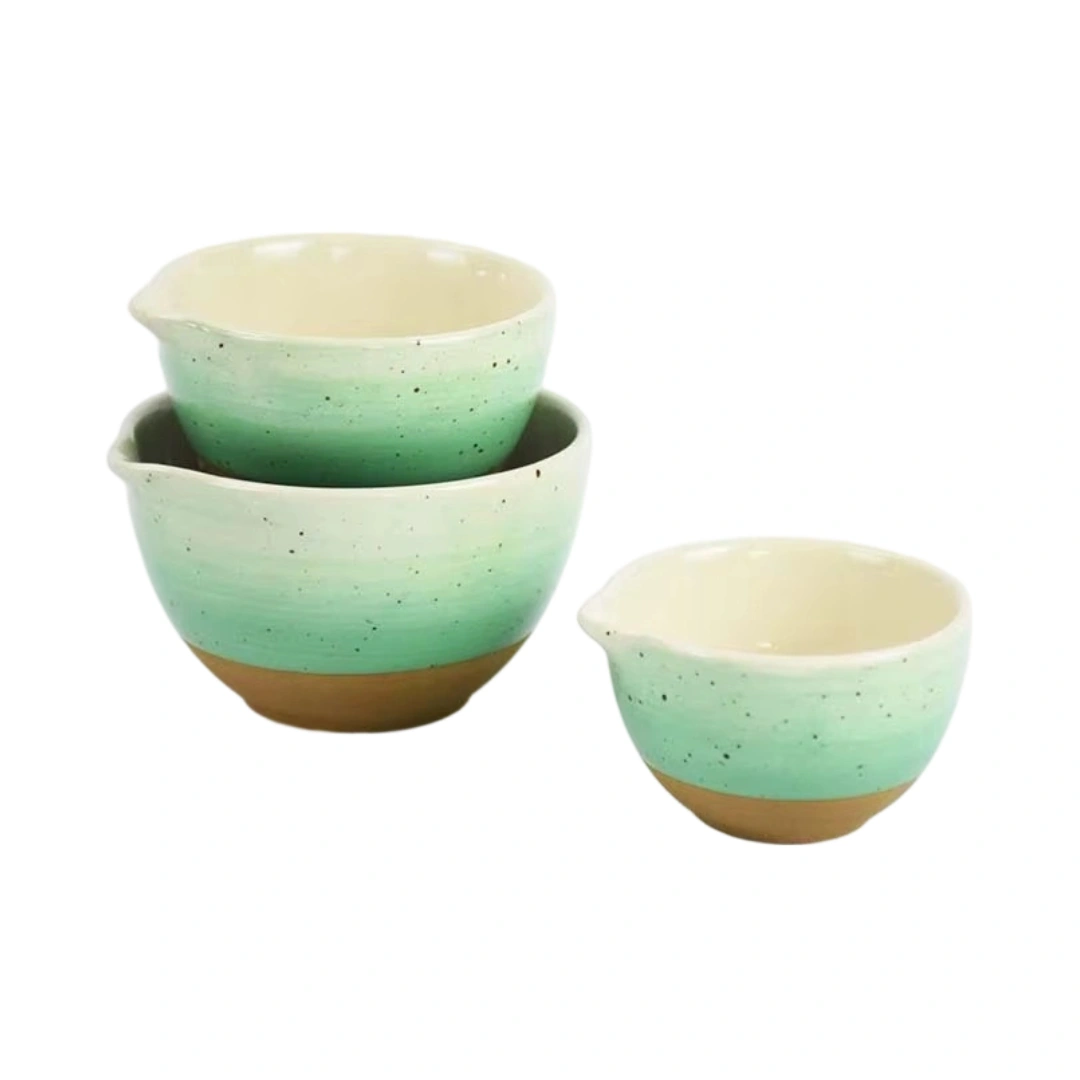
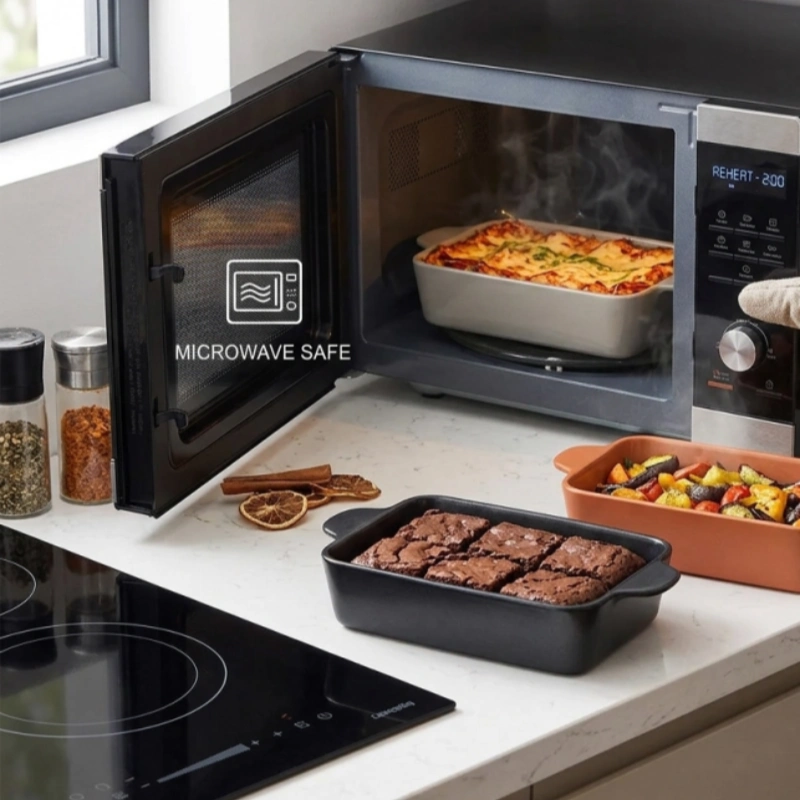
ceramic-tableware- microwave-safe-1

These questions often influence purchasing decisions just as much as appearance.

Compared with high-temperature porcelain, mid-temperature ceramic tableware requires lower firing temperatures, which can contribute to lower energy consumption during manufacturing.

Many buyers also appreciate manufacturers that invest in:

  • Waste ceramic recycling
  • Plastic-free packaging
  • Efficient kiln management
  • Sustainable production improvements

For B2B customers, these initiatives help support both environmental goals and corporate ESG commitments.

拥有可持续生产工厂的一流日用陶瓷制造商-02

6. Lifestyle Scenarios Sell Better Than Traditional Sets

Perhaps the biggest change is how products are marketed.

Consumers are no longer purchasing tableware simply by piece count.

Instead, they buy experiences.

Examples include:

  • Solo dining collections
  • Weekend brunch sets
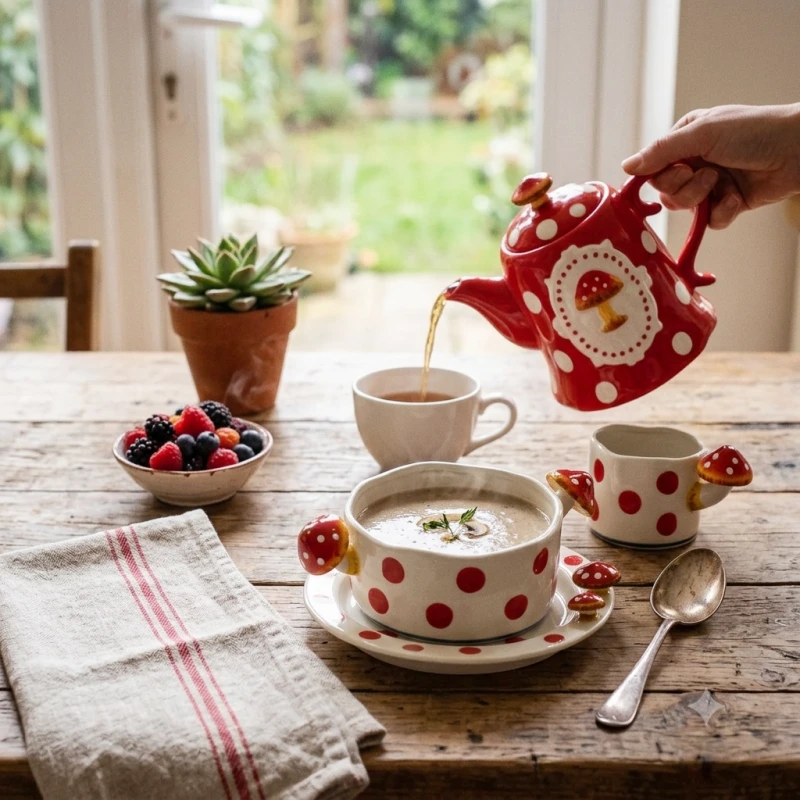
  • Afternoon tea combinations
  • Small appetizer plates
  • Coffee corner accessories
  • Pet-friendly dining collections

These curated lifestyle sets perform much better than traditional 16-piece dinnerware sets in many retail channels.

At the same time, visual presentation has become increasingly important.

Products that photograph well and create strong social-media content often enjoy greater commercial success.

For brands, designing collections around usage scenarios rather than product categories creates stronger emotional connections with consumers.


Quality Still Matters More Than Trends

Although ceramic tableware styles continue to evolve, the fundamentals never change.

Professional buyers still expect manufacturers to meet strict technical standards, including:

Quality RequirementWhy It Matters
Low Water AbsorptionImproves durability and hygiene
抗热震性Suitable for daily kitchen use
Lead & Cadmium ComplianceMeets international food-contact safety standards
Stable Glaze PerformanceEnsures consistent appearance across production batches
Reliable Production QualitySupports large-volume wholesale orders

No matter how attractive a design may be, these performance standards remain the foundation of every successful ceramic tableware manufacturer.


Why These Ceramic Tableware Trends Matter for B2B Buyers

For importers, wholesalers, private-label brands, and retailers, understanding these market shifts helps reduce product development risks.

Instead of focusing only on price, successful sourcing strategies now prioritize:

  • Unique glaze finishes
  • Lifestyle-oriented product collections
  • Sustainable manufacturing
  • Reliable OEM & ODM capability
  • Consistent production quality
  • International food safety compliance

Manufacturers that combine creative design with stable production are better positioned to support long-term product growth.


Partner with Qunfa Ceramics for Custom Ceramic Tableware

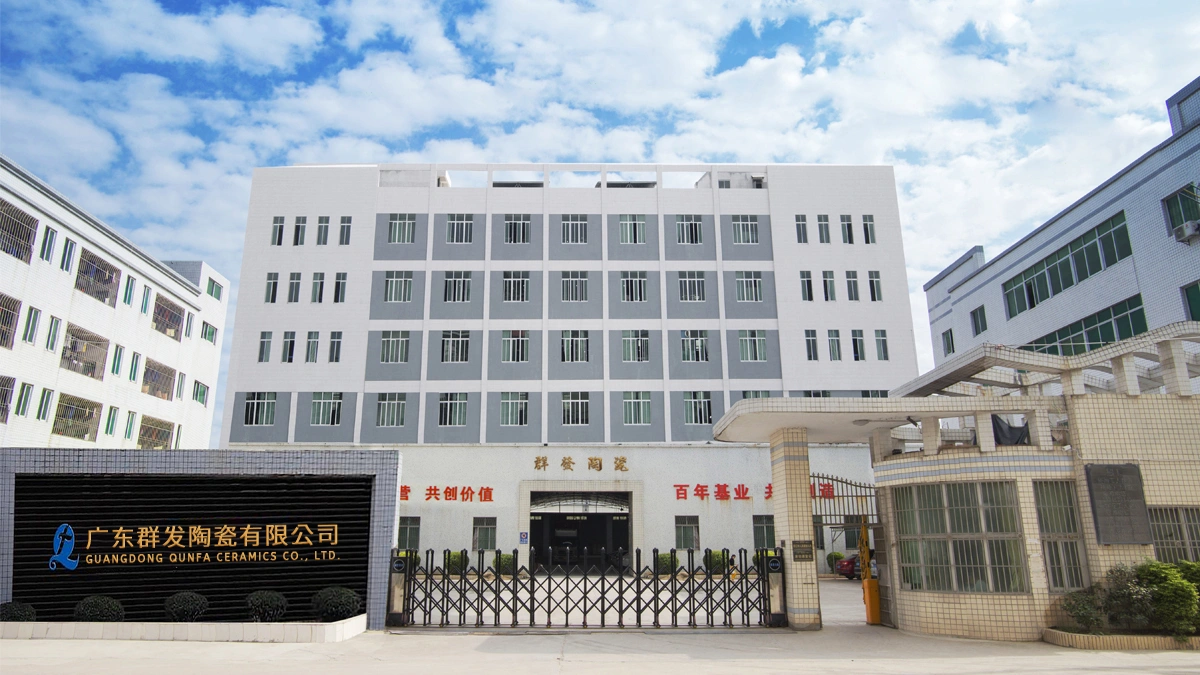
成立于 1993, 群发陶瓷 is a professional ceramic tableware manufacturer specializing in the research, development, and production of high-quality household ceramics. With a modern 30,000㎡ manufacturing facility, over 400 experienced employees, and advanced OEM/ODM 能力, we provide reliable production solutions for global brands, wholesalers, retailers, and hospitality businesses.

As a trusted manufacturing partner for internationally recognized brands including 沃尔玛、好市多、阿尔迪、迪士尼、C&B 和 Michaels, we produce a wide range of ceramic products, including dinnerware, bakeware, kitchenware, pet bowls, and garden planters. By combining innovative glaze development, flexible customization, and strict quality control, we help customers create products that stand out in today’s competitive market.

If you are looking for a dependable 陶瓷餐具批发 partner or want to develop a custom ceramic collection for your brand, Qunfa Ceramics is ready to support your next project with professional design assistance, stable production, and global export experience.

可靠的日用陶瓷制造商

常见问题

What are the biggest ceramic tableware trends in 2026–2027?

The most significant trends include handcrafted textures, earth-tone glazes, mixed-material designs, modern interpretations of traditional aesthetics, sustainable manufacturing, and lifestyle-focused product collections rather than traditional dinnerware sets.

Why are earth-tone ceramic glazes becoming more popular?

Natural colors such as oatmeal white, terracotta, and sage green create a calm, premium appearance that complements food presentation and aligns with modern interior design trends.

Is mid-temperature ceramic suitable for wholesale production?

Yes. When properly manufactured, mid-temperature ceramics provide excellent durability, stable glaze performance, food safety compliance, and greater flexibility in glaze effects, making them an excellent choice for 陶瓷餐具批发.

What do B2B buyers look for when sourcing ceramic tableware?

Besides competitive pricing, buyers increasingly evaluate OEM/ODM capability, consistent quality, food-contact safety, sustainable production practices, unique glaze development, packaging solutions, and reliable delivery capacity.

How can brands differentiate their ceramic tableware collections?

Brands can stand out by combining distinctive glaze finishes, multifunctional designs, curated lifestyle collections, sustainable packaging, and customized OEM/ODM solutions that reflect their unique market positioning.

获取报价

感谢您对我们的产品感兴趣!请填写以下信息,我们的团队将尽快为您提供详细报价。

常见问题

发送信息

获取报价

感谢您对我们的产品感兴趣!请填写以下信息,我们的团队将尽快为您提供详细报价。

常见问题

发送信息

搜索感兴趣者