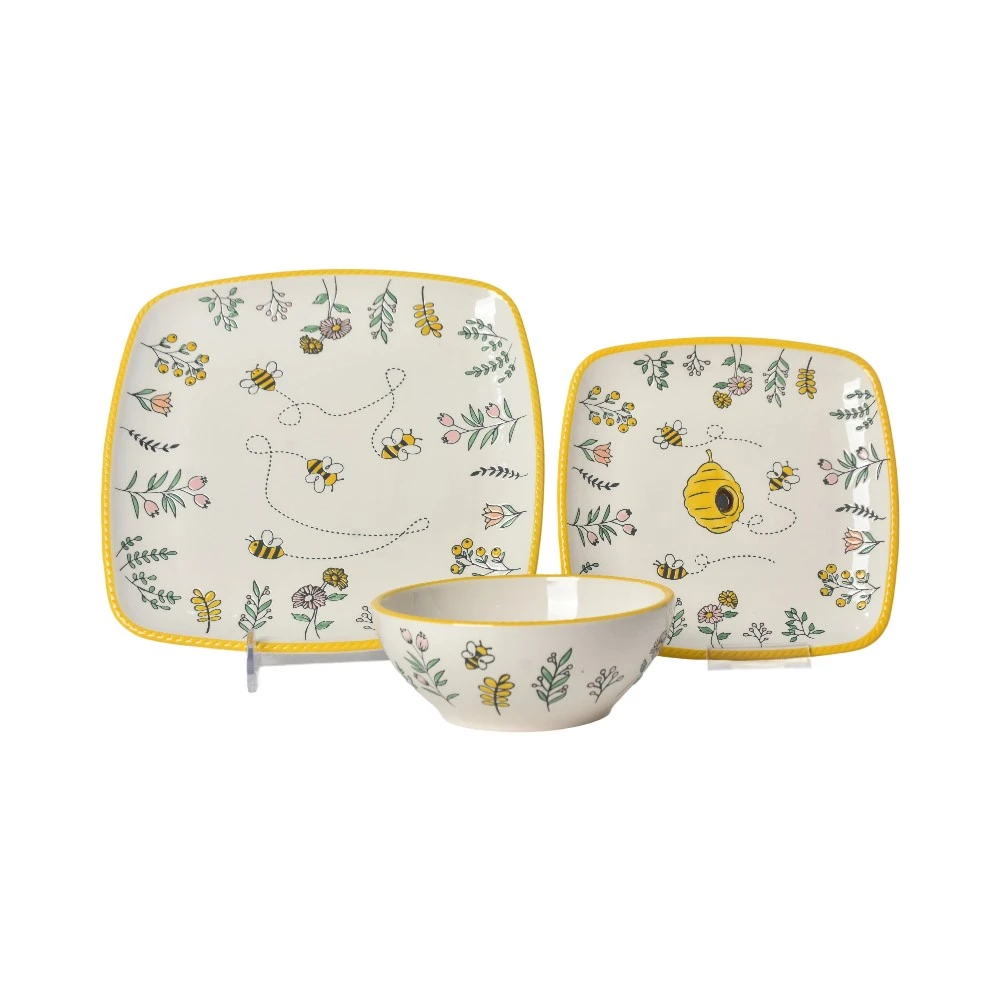
Finding a reliable ceramic tableware factory involves more than just comparing prices; it requires evaluating quality consistency, sampling capabilities, MOQ requirements, communication efficiency, and long-term supply capacity. This article will help global buyers create a comprehensive supplier screening checklist to mitigate the risks associated with purchasing wholesale ceramic tableware.
A ceramic tableware factory worthy of a long-term partnership should possess stable quality control, mature Возможности OEM/ODM, rapid sampling services, experience with FDA/LFGB compliance, reasonable MOQ requirements, reliable delivery schedules, and excellent international customer service.
Why Are Global Buyers Placing Increasing Emphasis on Choosing the Right Ceramic Tableware Factory?
In recent years, competition within the global home goods and kitchenware markets has intensified significantly. For importers, brand owners, and retail chains, supply chain stability has emerged as a core competitive advantage.
This is particularly true in the procurement of wholesale ceramic tableware, where issues such as:
- Color discrepancies
- Inconsistencies between mass-produced goods and approved samples
- Damaged packaging
- Delayed deliveries
- Failure to pass FDA/LFGB testing
can directly impact sales performance and brand reputation.
Consequently, an increasing number of buyers are adopting a systematic approach to screening ceramic tableware factories, rather than merely chasing the lowest price.
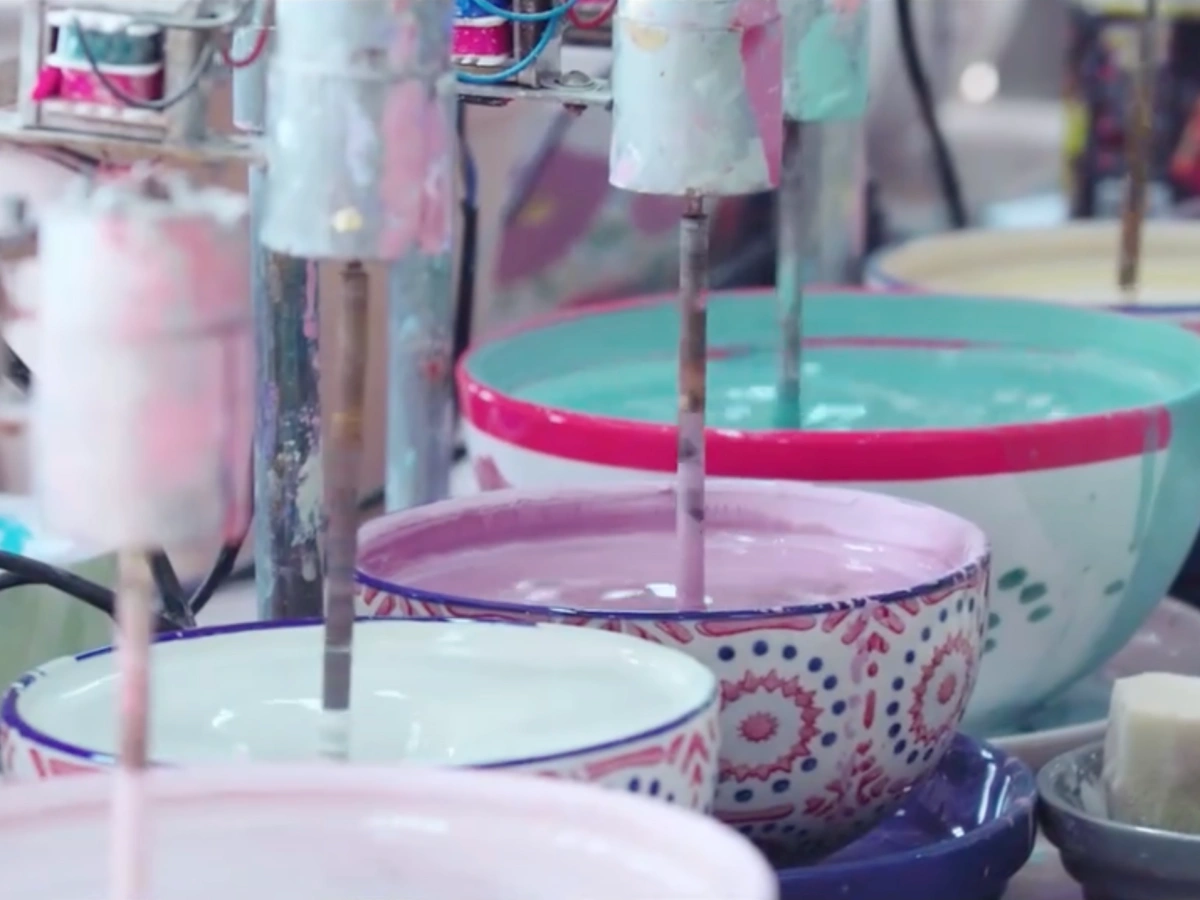
Common Customer Pain Points: Why Do Many Suppliers Fail to Sustain Long-Term Partnerships?
1. Excellent Samples, Yet Mass Production Differs Completely
This is one of the most frequently encountered issues for many buyers.
Some ceramic tableware factories apply higher production standards during the sampling phase but lower their process requirements during mass production. This leads to:
- Inconsistent coloring
- Rough glaze finishes
- Dimensional deviations
- An increased defect rate
Для wholesale ceramic tableware businesses, such issues directly undermine customer retention and repeat purchase rates.
2. Inflexible MOQ Requirements
Many small-to-medium-sized brands do not require massive order volumes during the new product testing phase.
However, some factories impose excessively high Minimum Order Quantities (MOQ), which hinders effective market testing.
Exceptional ceramic tableware factories typically:
- Support lower MOQs
- Offer mixed-model ordering solutions
- Welcome trial orders
thereby helping their clients mitigate inventory-related risks.
3. Inefficient Communication
Business-to-Business (B2B) procurement relies heavily on efficient communication. Many overseas buyers complain about:
- Slow response times
- Incomplete documentation
- Unclear sample lead times
- Confusing quotation details
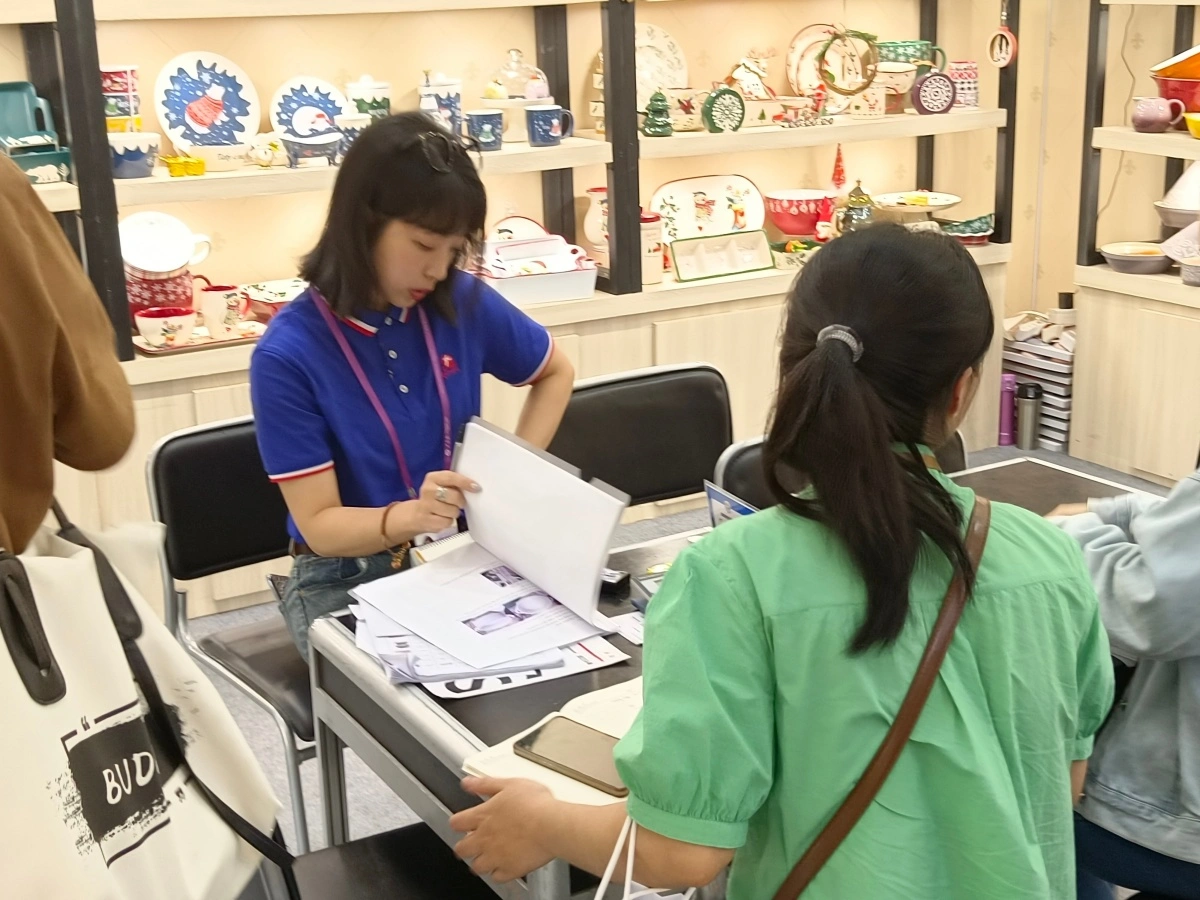
Established ceramic tableware factories typically possess professional international trade teams capable of rapidly advancing projects.
How to Systematically Screen a Reliable Ceramic Tableware Factory?
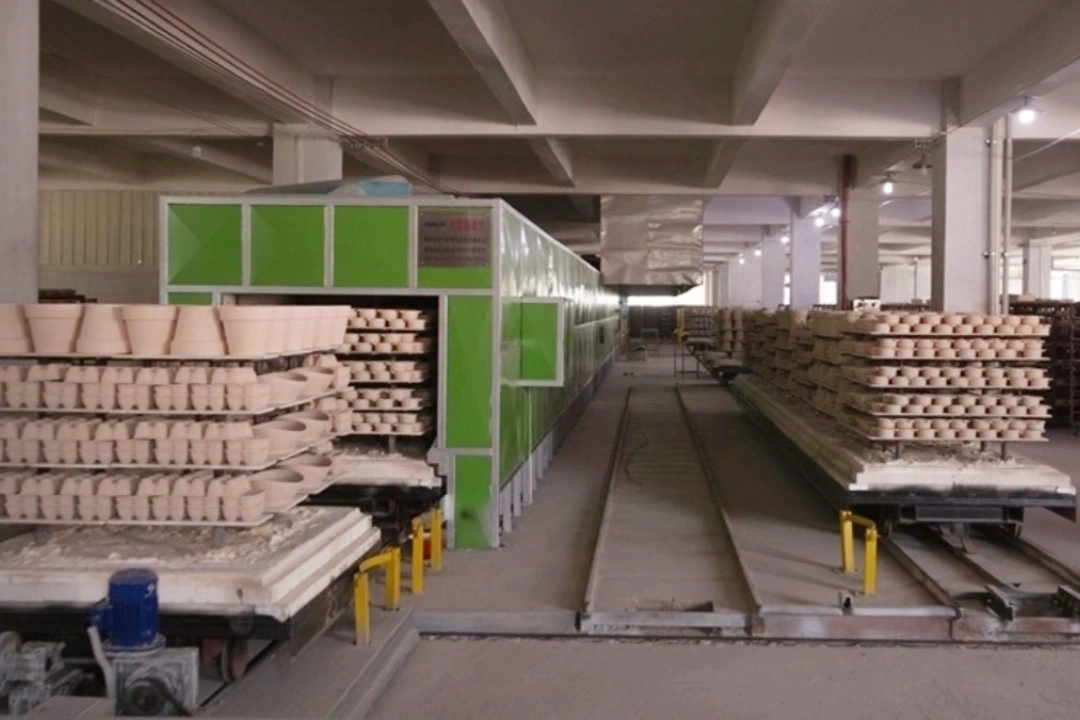
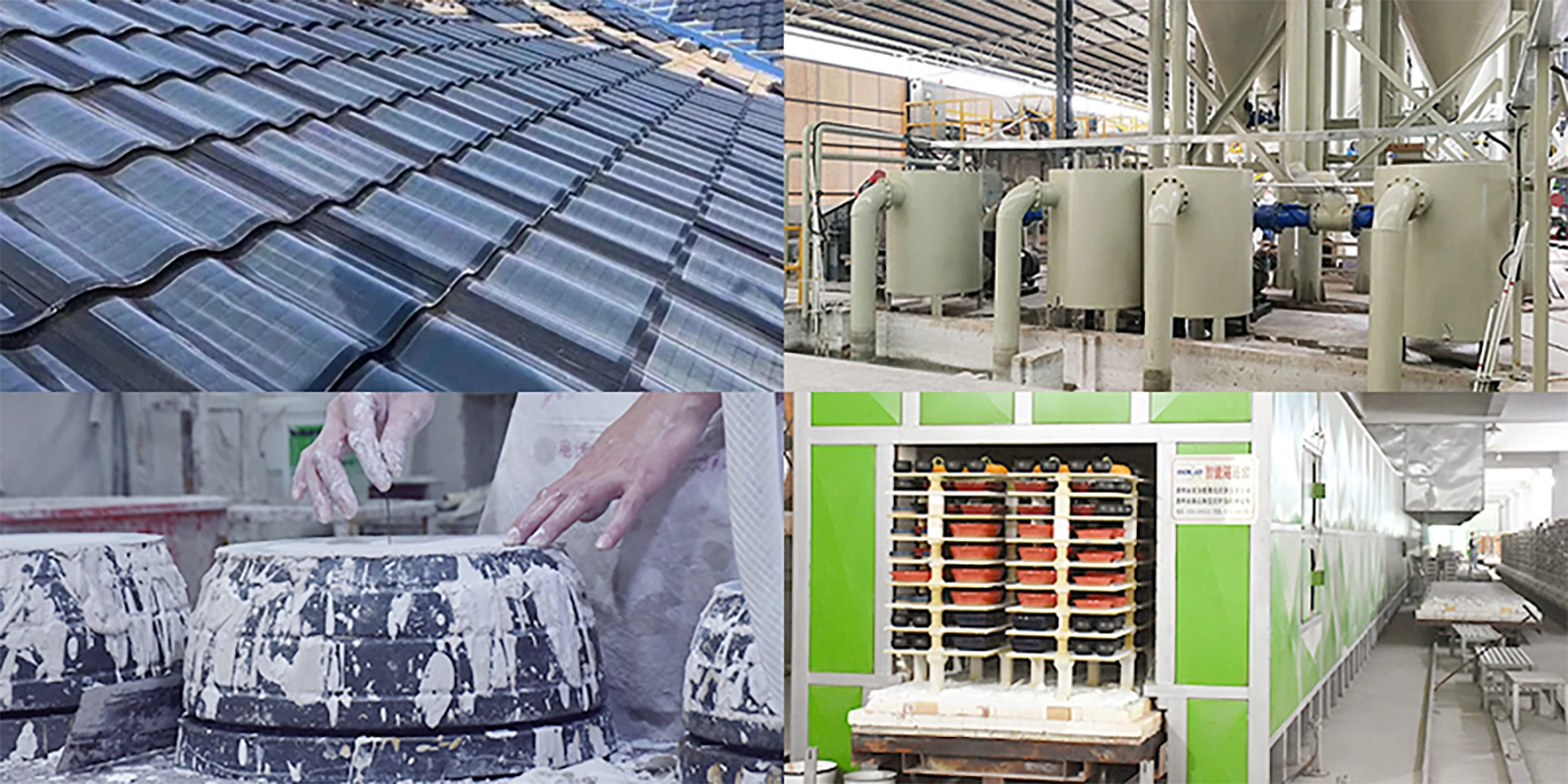
Verify Whether the Factory Truly Possesses Production Capabilities
Many trading companies market themselves as factories.
Buyers should prioritize verifying the following:
| Пункт проверки | Purpose |
|---|---|
| Площадь завода | Assess actual scale |
| Number of Kilns | Assess production capacity |
| Автоматизированное оборудование | Assess consistency |
| Число сотрудников | Assess stable production capacity |
| Showroom & Sampling Room | Assess product development capabilities |
A truly established ceramic tableware factory typically possesses a complete, integrated production chain.
How to Assess Sample Consistency?
Many buyers focus solely on whether the samples look attractive; however, the more critical question is:
Can This Consistency Be Maintained in Mass Production?
It is recommended to prioritize the following checks:
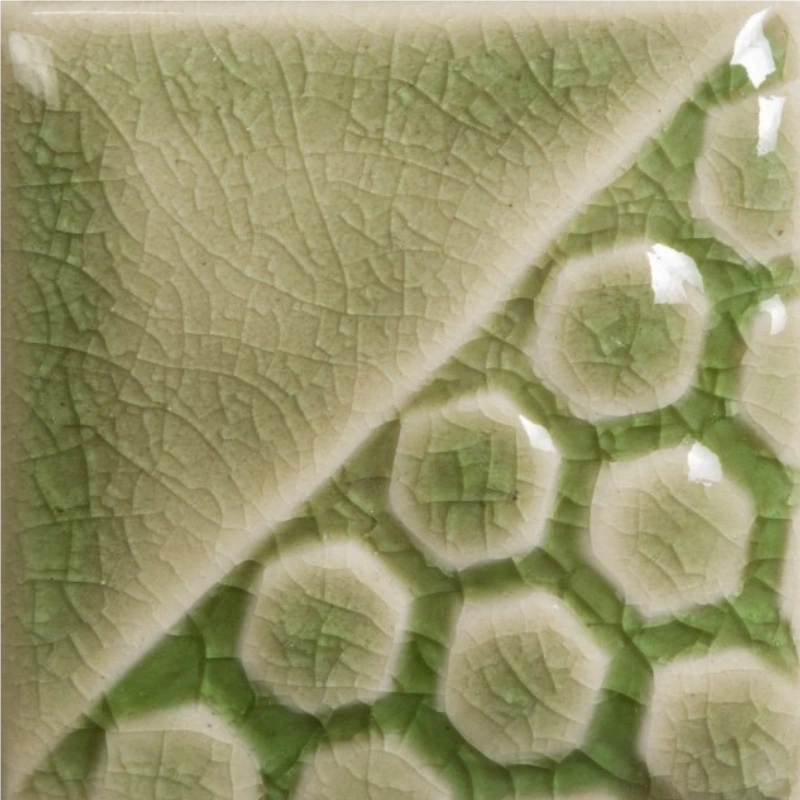
Glaze Color Stability
Are there noticeable color discrepancies between different production batches?


Dimensional Tolerance
Are the dimensions of the bowls and plates consistent and stable?
Logo Application Quality
Is the printed logo prone to peeling or wearing off?
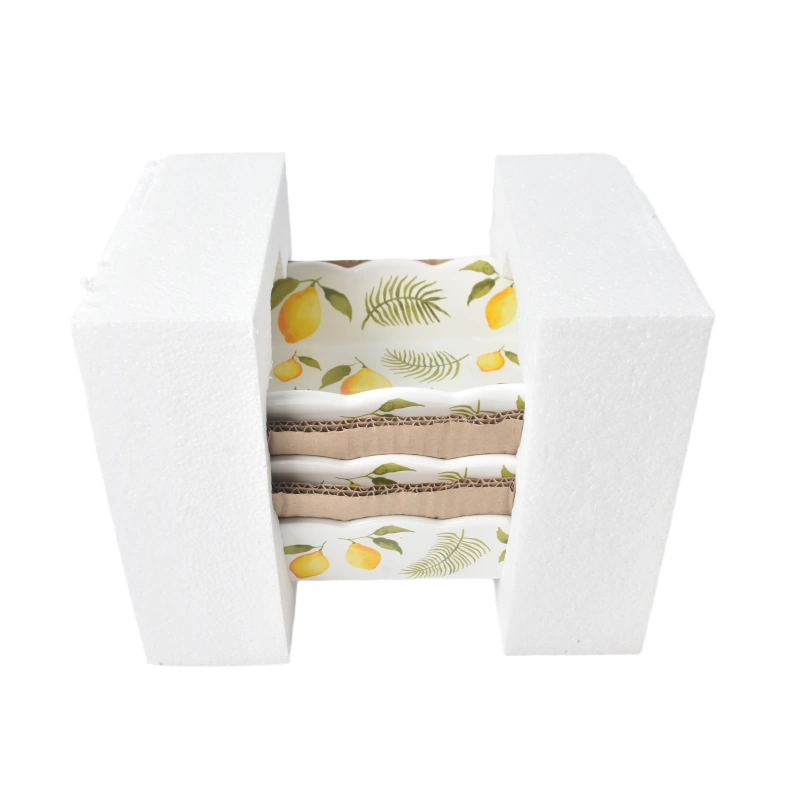
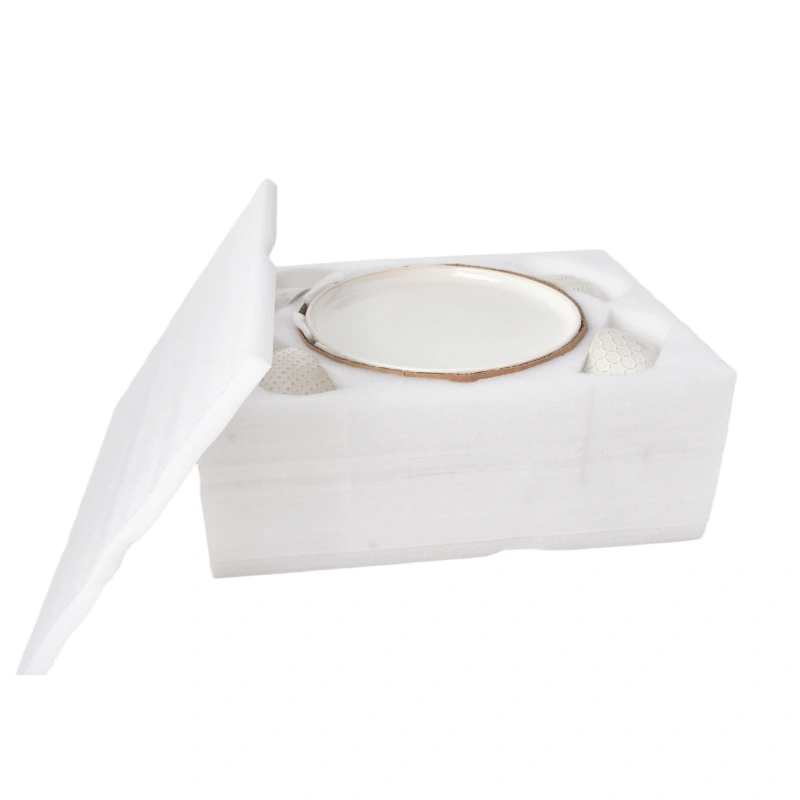
Packaging Structure
Is the packaging suitable for long-distance shipping?
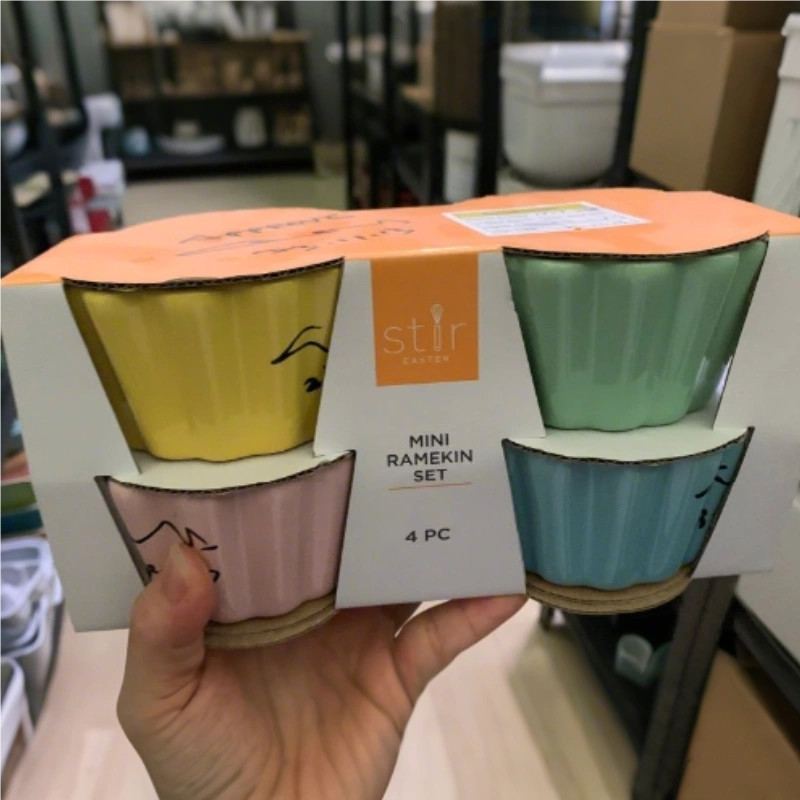
These factors collectively influence the long-term stability of any wholesale ceramic tableware project.
Why Is the Lowest Price Often the Riskiest Option?
Low prices easily entice many buyers during the initial stages.
However, low-cost ceramic tableware factory often suffer from:
- Lower-grade raw materials
- Inadequate QC processes
- Outsourced production
- Minimalist (simplified) packaging
- Limited experience with product testing
Ultimately, this can lead to:
- High breakage rates
- Customer complaints
- Risks of product returns
- Increased long-term costs
Consequently, experienced buyers prioritize:
- Landed cost
- Quality consistency
- Reorder stability
Rather than focusing solely on the FOB unit price.
Ceramic Tableware Factory Comparison: Trading Company vs. Actual Factory
| Comparison Point | Trading Company | Ceramic Tableware Factory |
|---|---|---|
| Price Transparency | Lower | More Direct |
| Production Control | Ограниченный | More Stable |
| Возможности по производству оригинального оборудования (OEM) | Average | Сильнее |
| Sampling Speed | Медленнее | Быстрее |
| Quality Traceability | Weaker | More Comprehensive |
For long-term wholesale ceramic tableware projects, collaborating directly with a factory is typically more stable and reliable.
Real-World Sourcing Scenario: How Do European Clients Select Suppliers?
When developing a new product line, a European kitchenware and tableware brand evaluated three different ceramic tableware factories.
The reasons for ultimately eliminating two of the candidates included:
- Inability to consistently control glaze color
- Excessively high Minimum Order Quantities (MOQ)
- Sampling lead times exceeding 30 days
- Inefficient communication and response times
The factory ultimately selected for collaboration not only offered support for:
- Индивидуальные глазури
- Low MOQs
- Fast sampling
but also assisted the client in optimizing their packaging structure, thereby reducing shipping damage rates by 40%.
Часто задаваемые вопросы
How can I verify whether a ceramic tableware factory possesses genuine production capabilities?
You can request factory videos, inspect their kiln equipment and production lines, and review third-party factory audit reports.
Why is color variation a common issue in wholesale ceramic tableware?
Ceramic products are highly susceptible to variations in kiln temperature and glaze composition; established factories typically possess more sophisticated and stable process controls.
Which is more suitable for a brand client: OEM or ODM?
If the brand already possesses its own designs, OEM (Original Equipment Manufacturer) is the appropriate choice; if design and development support is required, then ODM (Original Design Manufacturer) is the better fit.
How can I minimize shipping damage rates?
By optimizing packaging structures, incorporating drop testing into quality control, and utilizing sturdier shipping cartons.
What Qunfa Can Offer
Основанная в 1993 году, Керамика Qunfa is a ceramic tableware factory with extensive experience in international projects, dedicated to the long-term R&D and manufacturing of household ceramic products.
Today, Qunfa has evolved into a modern ceramic enterprise boasting a 30,000-square-meter facility and a workforce of over 400 employees. We proudly serve a roster of renowned international brands, including Walmart, Costco, Aldi, Disney, and Michaels. Qunfa offers the following services to clients worldwide:
- Wholesale ceramic tableware solutions
- Индивидуальная настройка по схеме OEM/ODM
- FDA/LFGB compliance
- Custom glaze development
- Low MOQ support
- Packaging optimization
- QC inspection
- Rapid sampling
In addition to ceramic tableware and bakeware, Qunfa manufactures a diverse range of products—including pet supplies and garden planters—helping clients expand their product lines and enhance their market competitiveness.
-

Оптовая продажа керамических соусников с 3 отделениями для ресторанов
-

Оптовая продажа керамических мисок диаметром 6,5 дюйма, глубокие конические суповые миски на заказ
-

6,5-дюймовая суповая миска для оптовой продажи, керамическая миска в форме слона с неглазурованным дном
-
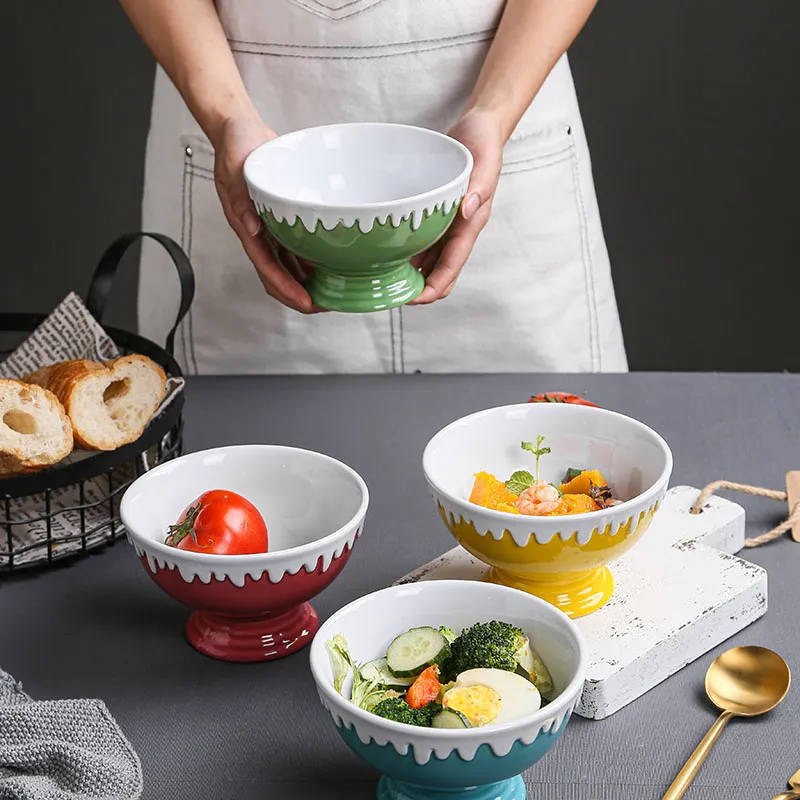
Керамические чаши для мороженого оптом, глазурованные круглые чаши на заказ
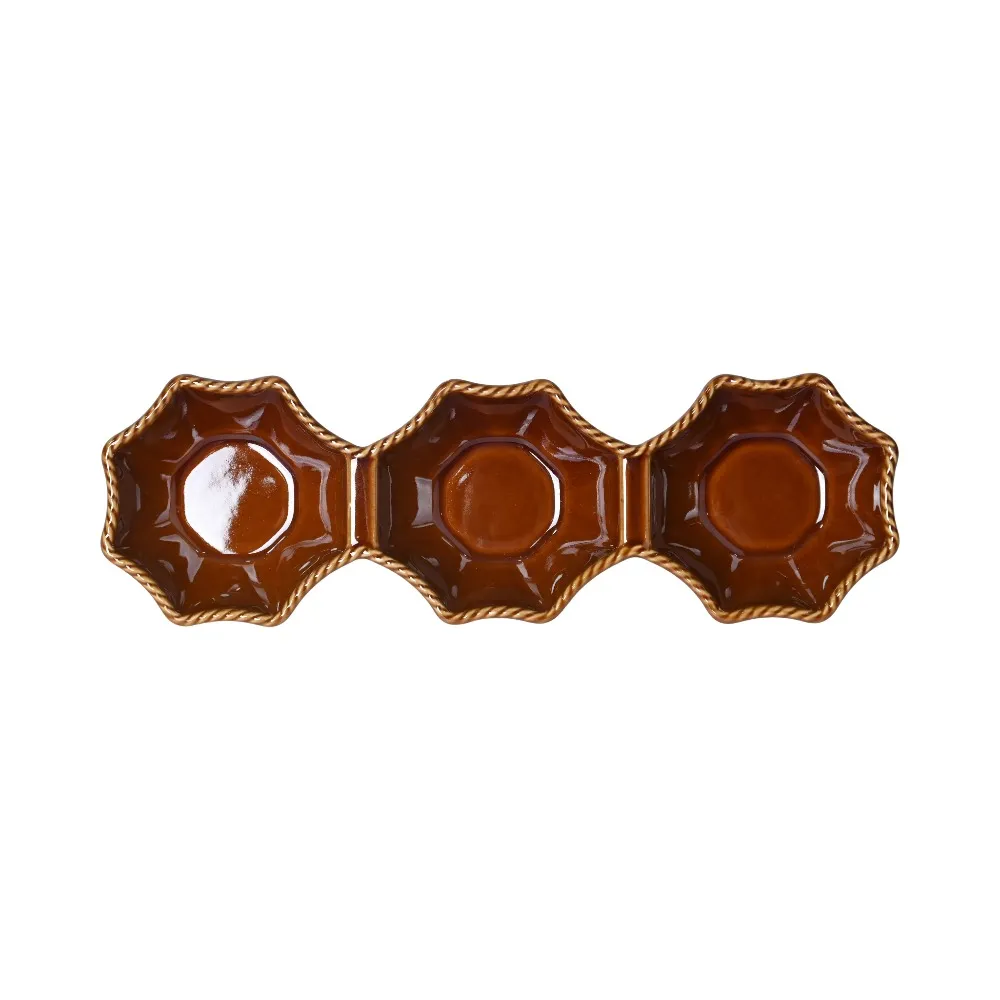
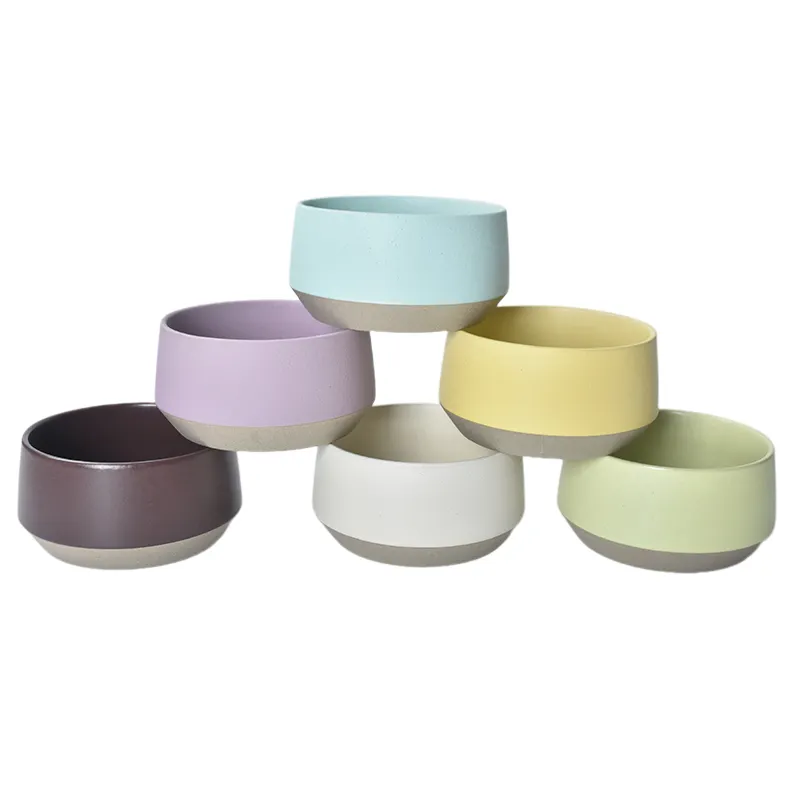
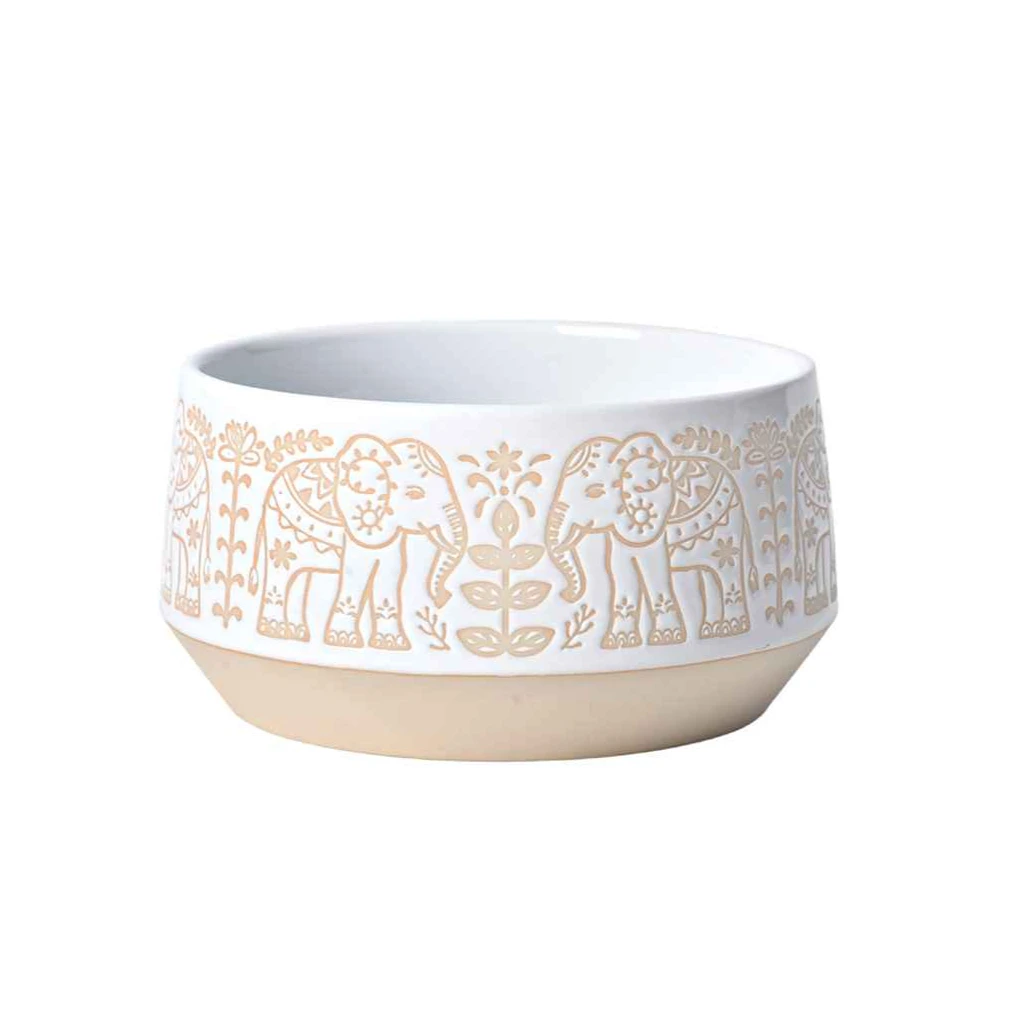
If you are seeking a reliable ceramic tableware factory for a stable, long-term partnership, we invite you to contact Qunfa Ceramics to collaborate on developing highly competitive ceramic products.