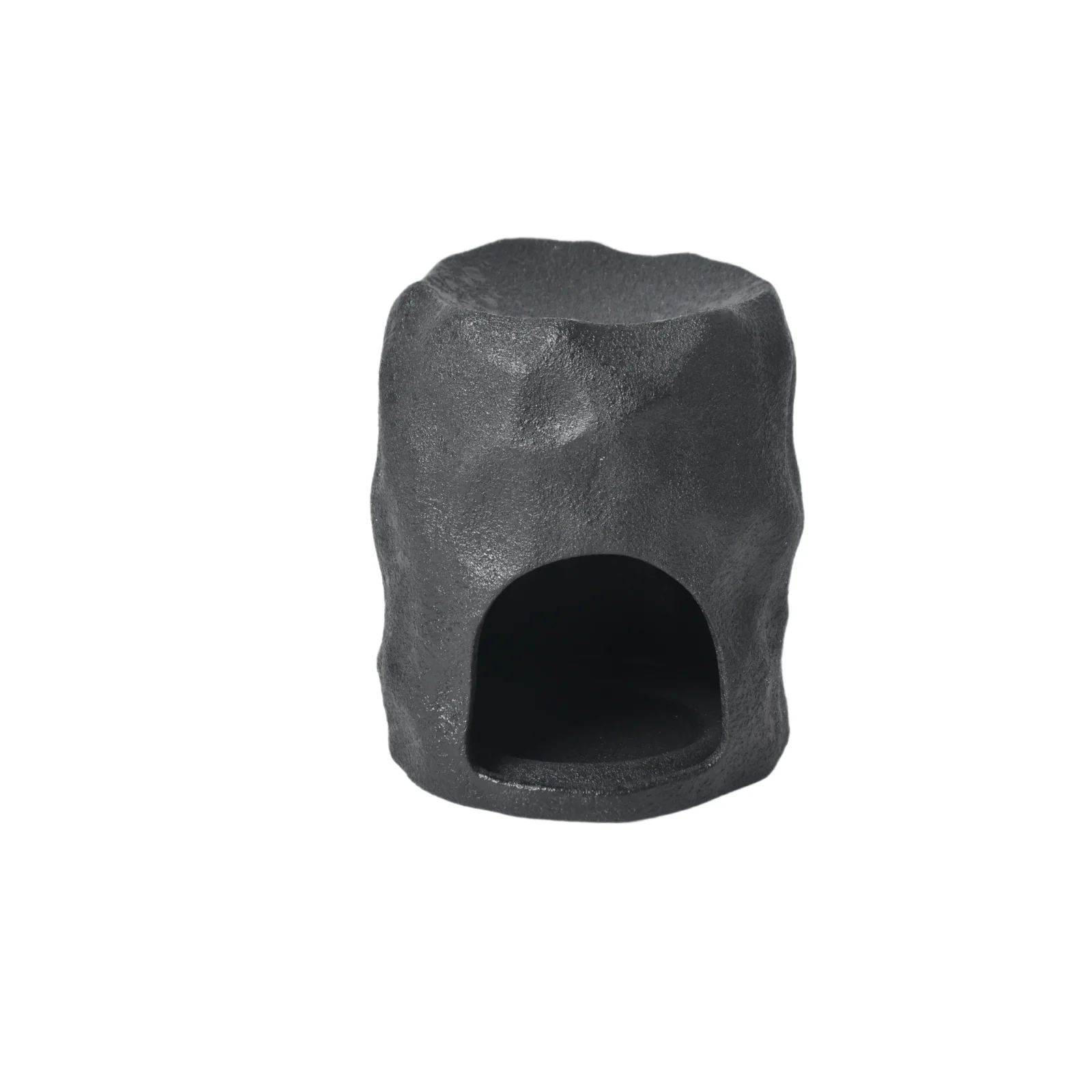
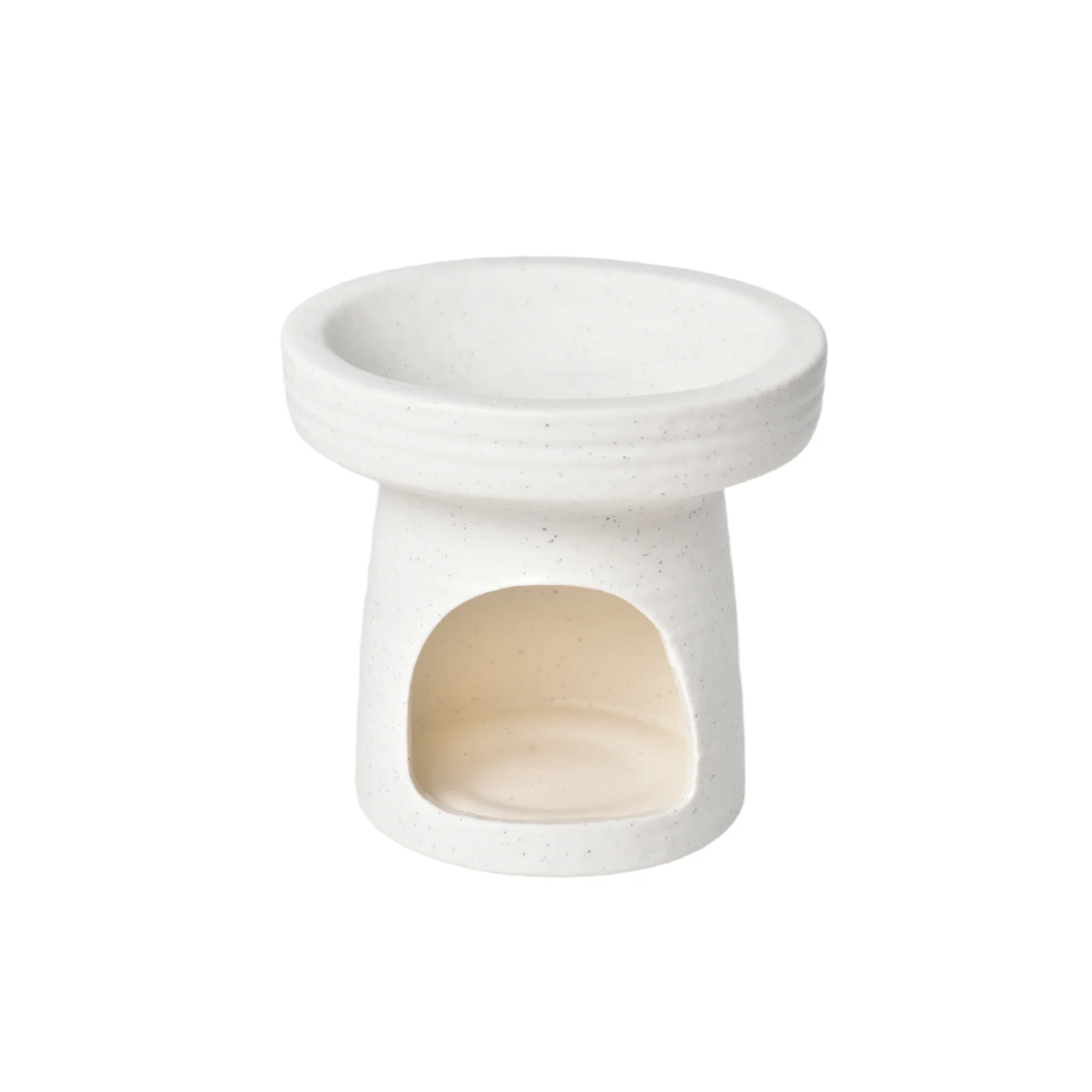
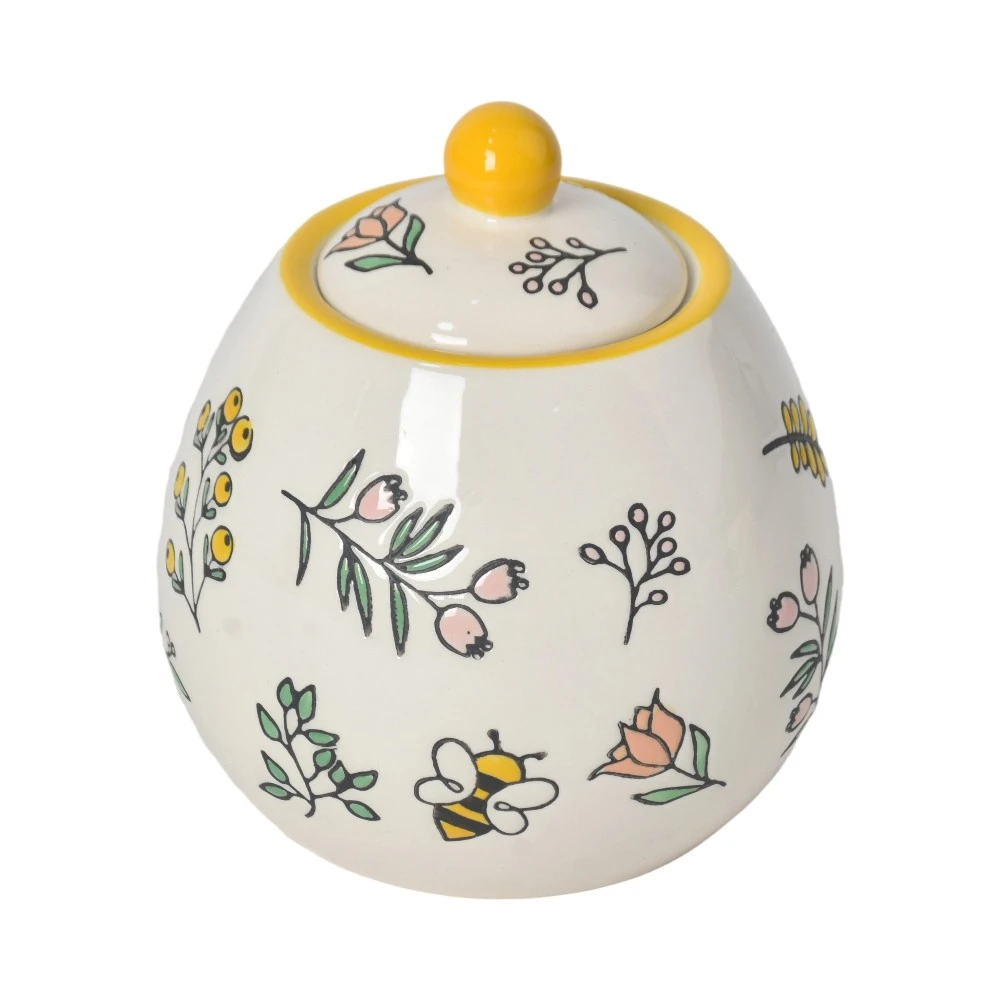
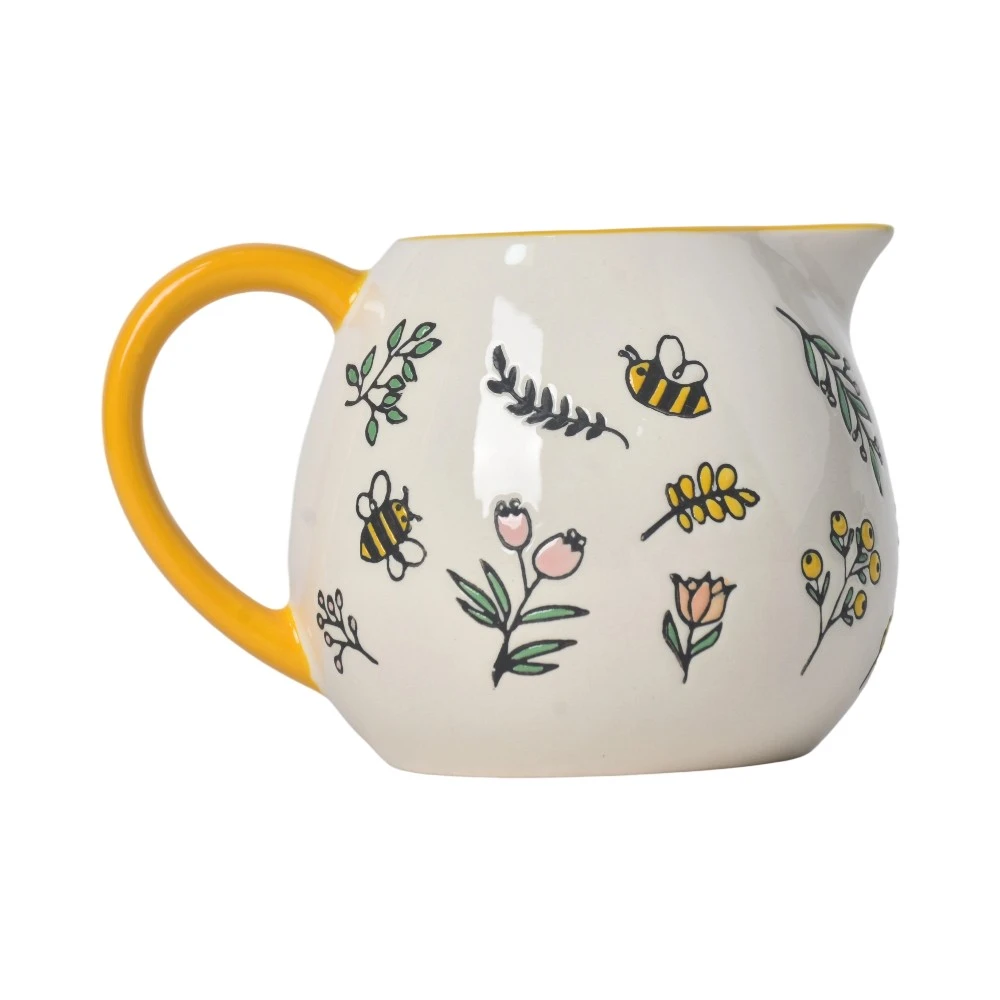
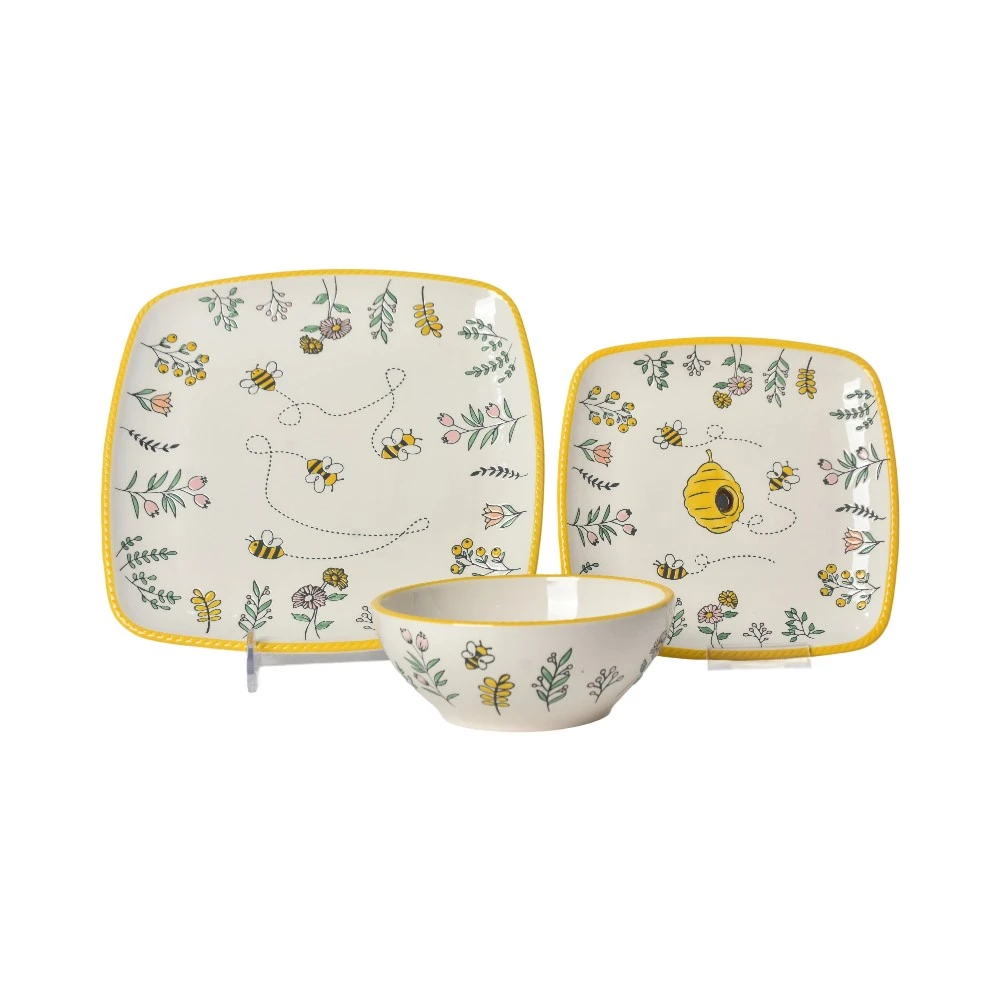
Ceramic plant pot wholesale helps garden retailers build coordinated product collections, control purchasing costs, and meet demand for decorative indoor and outdoor planting. The best sourcing strategy combines practical drainage options, consistent glaze finishes, retail-ready packaging, and flexible customization. Qunfa is a daily ceramics manufacturer specializing in bakeware, tableware, pet bowls, and garden pots, offering bespoke OEM/ODM solutions to support retailers, importers, distributors, and private-label brands.
What Should Garden Retailers Know About Ceramic Plant Pot Wholesale?
Ceramic plant pot wholesale allows garden retailers to purchase coordinated planters in bulk at manufacturer or wholesale prices. Successful sourcing depends on selecting the right sizes, finishes, drainage systems, packaging, and order quantities while maintaining consistent quality and attractive retail margins.
For retailers, the objective is not simply to buy ceramic pots at a low unit price. It is to build a collection that fits customer needs, stands out in-store, survives transportation, and generates repeat sales.
Ceramic plant pots serve both functional and decorative purposes. They complement houseplants, succulents, herbs, flowers, patios, balconies, and interior living spaces. Their glazed surfaces, distinctive shapes, and varied colors also make them suitable for home décor stores, florists, gift shops, and online retailers.
Why Is Ceramic Plant Pot Wholesale a Good Choice for Garden Retailers?
Ceramic plant pot wholesale gives retailers access to coordinated designs, multiple sizes, bulk purchasing opportunities, and manufacturer customization. These advantages help businesses establish recognizable product collections while managing inventory and purchasing costs.
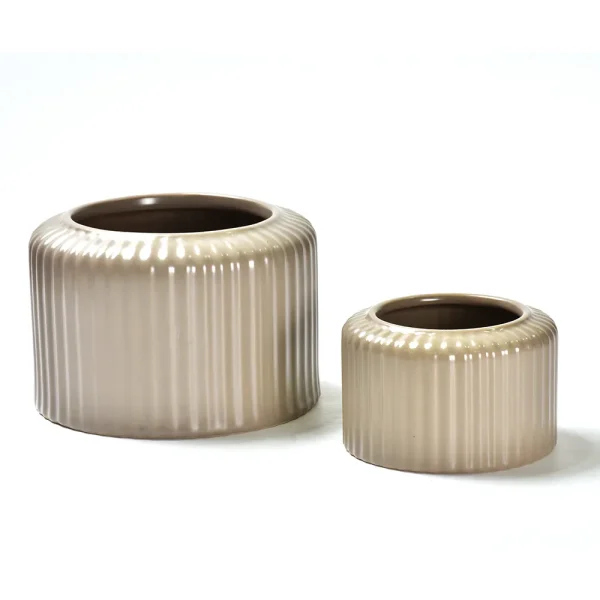
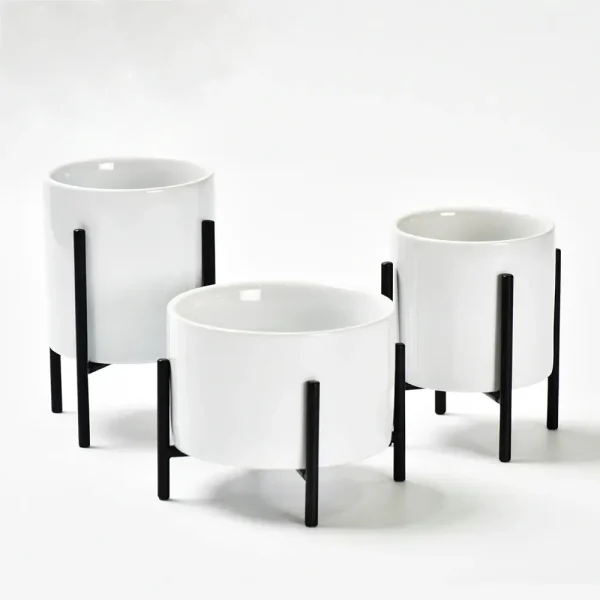
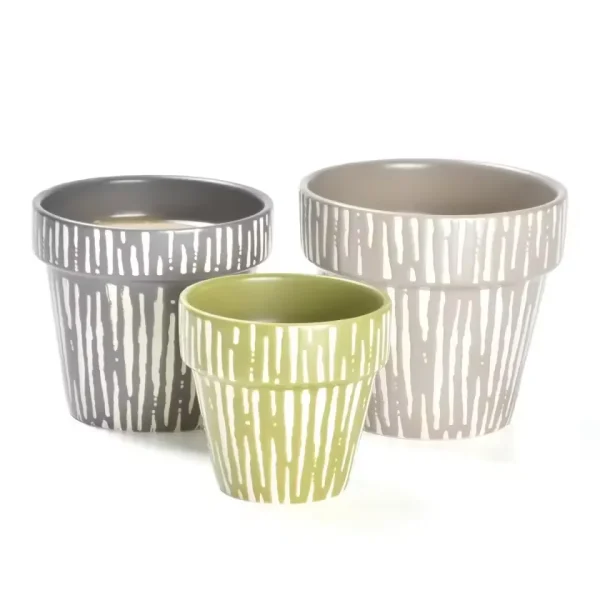
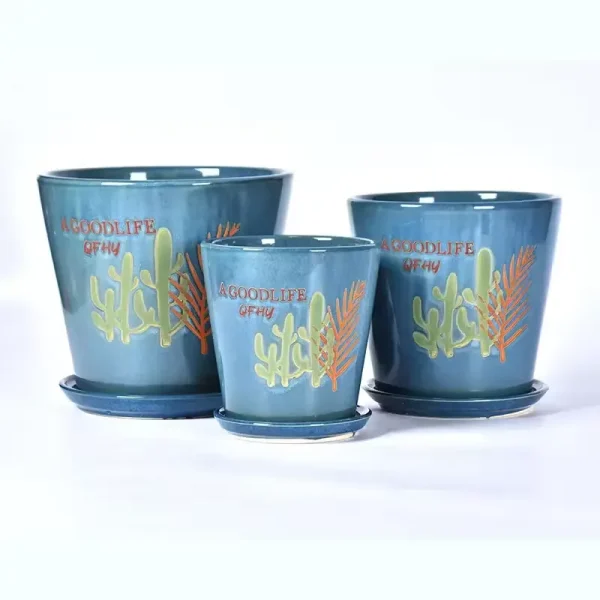
Ceramic planters offer several commercial benefits:
- Strong visual appeal: Glazed, matte, textured, and patterned finishes create attractive displays for plants and home accessories.
- Versatile applications: Ceramic pots suit indoor plants, decorative arrangements, balconies, patios, and selected outdoor garden settings.
- Multiple price points: Small decorative pots, coordinated sets, and larger statement planters allow retailers to serve different budgets.
- Collection development: Matching shapes and finishes create opportunities to sell multiple sizes and complementary products.
- Brand differentiation: OEM/ODM services allow businesses to develop distinctive designs, colors, and packaging.
The wider gardening market also supports the importance of assortment planning. Grand View Research’s U.S. Garden Planters Market report estimated the U.S. market at USD 4.91 billion in 2025. This figure covers garden planters across materials and applications, not ceramic pots alone, but it demonstrates the commercial scale of the broader category.
For buyers exploring ceramic plant pot wholesale, the practical opportunity is to combine decorative appeal with clearly defined product specifications and reliable supply.
Which Ceramic Plant Pot Styles Should Retailers Buy Wholesale?
Garden retailers should stock a balanced combination of everyday designs, premium decorative pieces, and seasonal products. A focused assortment helps maintain visual consistency without creating excessive SKU complexity.
| Ceramic pot style | Target customers | Retail positioning | Key buying consideration |
|---|---|---|---|
| Minimalist glazed pots | Houseplant owners and modern décor shoppers | Everyday and mid-range | Neutral colors and coordinated sizes |
| Matte ceramic planters | Contemporary home and lifestyle stores | Modern and premium | Surface consistency and tactile finish |
| Textured or embossed pots | Design-focused customers | Premium decorative | Pattern definition and glaze quality |
| Small ceramic pots | Succulent, herb, and gift buyers | Entry-level and gifting | Compact dimensions and multipacks |
| Large statement planters | Home décor stores and landscaping retailers | Премиум | Weight, stability, and shipping protection |
| Coordinated planter sets | Gift shops and garden centers | Gift-ready and cross-selling | Consistent finishes and matching dimensions |
The strongest ceramic plant pot wholesale assortment includes products with distinct roles. Standard designs establish dependable core inventory, while premium finishes attract customers seeking distinctive décor. Smaller pots can also complement larger planters and increase the number of products customers purchase together.
Rather than ordering every available color and shape, begin with a limited collection of complementary designs. Expand the range after sales data identifies the most popular sizes, finishes, and price points.
How Should Buyers Choose Ceramic Plant Pot Sizes and Drainage Options?
Buyers should select pot dimensions according to the intended plant, available display space, and planting method. Drainage requirements must be confirmed before ordering because decorative cachepots and direct-planting pots serve different purposes.
Ceramic plant pot wholesale orders should specify both external dimensions and usable internal dimensions. A pot’s outer diameter alone does not confirm whether a nursery pot will fit inside it.
| Product specification | What buyers should confirm | Why it matters |
|---|---|---|
| Outer diameter and height | Exact dimensions in inches or centimeters | Supports shelf planning and accurate product listings |
| Inner opening | Usable opening width and shape | Determines compatibility with nursery pots |
| Internal depth | Space available for the plant container | Prevents fit problems |
| Drainage holes | Presence, placement, and finish | Supports the intended planting method |
| Saucer or tray | Included, optional, or sold separately | Clarifies water management and product pricing |
| Base design | Flatness and stability | Reduces wobbling on shelves and tables |
| Вес изделия | Weight per unit and packed carton | Supports freight and handling calculations |
Retailers should distinguish between two common configurations.
Direct-planting pots: These are designed to hold growing medium and plants directly. Drainage holes and compatible saucers should be specified where appropriate.
Decorative cachepots: These hold nursery pots or inner plant containers. They can provide a clean decorative appearance without requiring the ceramic outer pot itself to have a drainage hole.
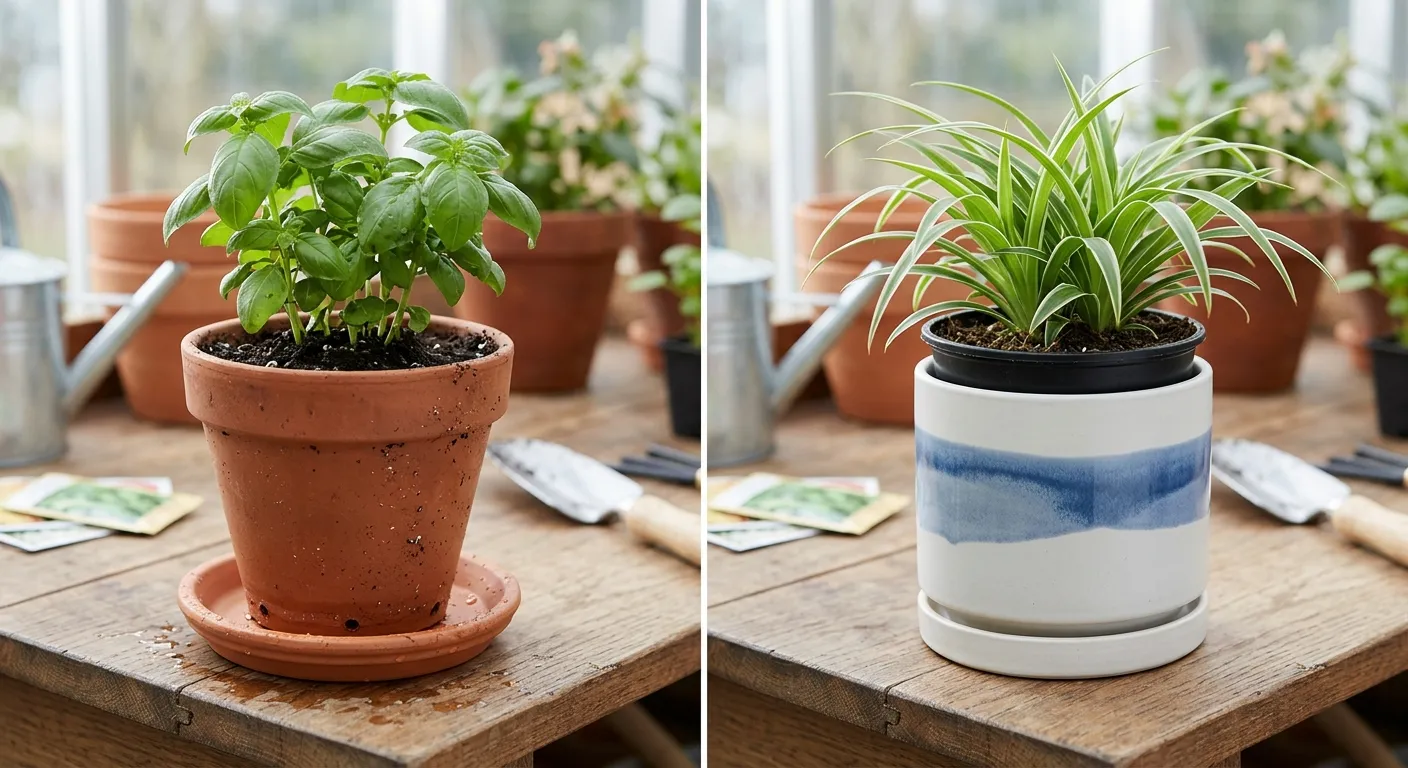
Neither configuration is universally better. The right choice depends on the intended use and the instructions provided to the end customer.
For ceramic plant pot wholesale orders, request physical samples and test the actual nursery pots or inserts intended for use. This simple step can prevent dimensional mismatches, customer complaints, and avoidable returns.
Which Ceramic Materials and Finishes Are Best for Wholesale Orders?
Glazed ceramic is suitable for retailers seeking decorative color and an easy-to-clean surface, while unglazed ceramic offers a more natural appearance and greater moisture exchange through the pot walls. Buyers should select finishes according to product positioning, intended use, and the manufacturer‘s verified specifications.
| Особенность | Glazed ceramic | Unglazed ceramic |
|---|---|---|
| Внешний вид | Smooth, colored, glossy, or satin | Natural, earthy, and understated |
| Surface | Glazed outer surface | Exposed ceramic body |
| Moisture behavior | Glaze reduces water movement through the glazed surface | Porous ceramic can absorb and release moisture |
| Design opportunities | Broad color and decorative finish options | Natural textures and rustic styling |
| Best retail fit | Decorative indoor planters and coordinated collections | Traditional gardening and natural décor ranges |
| Main quality checks | Glaze consistency, pinholes, surface defects | Cracks, surface defects, and absorption suitability |
Retailers should never assume that a glazed pot is automatically waterproof or frost-resistant. Performance depends on the ceramic body, firing conditions, glaze, construction, and intended environment.
For outdoor collections, ask the manufacturer to confirm whether the product is suitable for the destination climate. In regions with freezing winters, water absorption and freeze-thaw resistance deserve particular attention.
A reliable ceramic plant pot wholesale supplier should document the agreed specifications and ensure that the approved sample accurately represents the production order.
How Can Retailers Evaluate Ceramic Plant Pot Wholesale Suppliers?
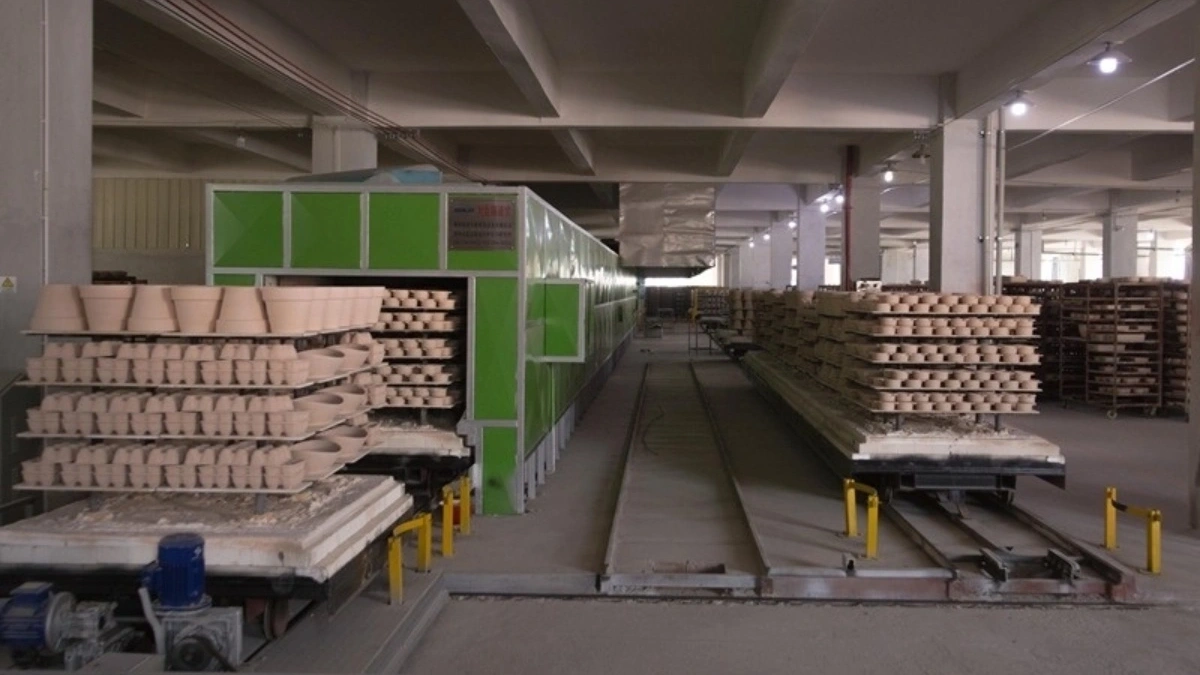
Retailers should evaluate suppliers based on product consistency, production capabilities, customization options, packaging performance, communication, and total landed cost. A low quotation is not sufficient if inconsistent quality or damaged shipments reduce the value of the order.
Use this five-step sourcing process:
- Define your product requirements. List target sizes, shapes, finishes, drainage configurations, quantities, destination markets, and expected retail price points.
- Request a detailed quotation. Confirm unit prices, minimum order quantities, tooling charges, sample costs, packaging specifications, and shipping terms.
- Inspect product samples. Check dimensions, surface quality, base stability, glaze consistency, and compatibility with the intended plant containers.
- Review production and packaging controls. Ask how the supplier checks finished products and protects ceramic pieces during storage and transportation.
- Approve the order specifications. Document the accepted sample, color references, tolerances, packing method, delivery schedule, and inspection requirements before production.
When comparing ceramic plant pot wholesale suppliers, buyers should also distinguish between trading companies and manufacturers. Direct manufacturing relationships can provide clearer communication about product development, production requirements, and customization, although the best sourcing arrangement depends on the buyer’s order volume and service needs.
What Quality Checks Matter Before Mass Production?
A documented quality checklist helps prevent defects from reaching retail shelves.
| Inspection item | What to check |
|---|---|
| Внешний вид | Cracks, chips, scratches, pinholes, and glaze defects |
| Цветовая стабильность | Differences between approved samples and production batches |
| Размеры | Outer diameter, height, inner opening, and usable depth |
| Base stability | Wobbling or uneven contact with the supporting surface |
| Drainage | Hole position, clear openings, and compatible accessories |
| Упаковка | Individual protection, dividers, carton strength, and product separation |
| Order consistency | Correct quantities, models, colors, and labeling |
Inspection criteria should reflect the product and destination market. Buyers selling pots for direct planting should pay particular attention to drainage and water management, while retailers focusing on decorative cachepots should prioritize fit, appearance, and base protection.
How Can Packaging Reduce Damage in Ceramic Plant Pot Wholesale Orders?
Effective packaging protects ceramic planters by preventing direct contact between pieces, cushioning vulnerable rims and bases, and limiting movement inside shipping cartons. Buyers should approve the packaging configuration alongside the product sample, not after mass production begins.
Ceramic products are vulnerable to impact and abrasion during handling and transportation. Packaging quality therefore affects not only freight costs but also inventory availability, customer satisfaction, and return rates.
Recommended packaging practices include:
- Individual protection: Use suitable protective sleeves or cushioning to prevent surface scratches and direct ceramic-to-ceramic contact.
- Internal separation: Add dividers or fitted inserts to keep products stable during transit.
- Carton selection: Choose cartons with appropriate strength for the product weight and shipping method.
- Stacking assessment: Confirm that carton and pallet arrangements distribute weight without placing excessive pressure on fragile products.
- Pre-shipment inspection: Check packed samples or finished cartons before dispatch.
For larger planters, buyers should pay special attention to rim protection, base cushioning, and carton dimensions. Nesting should only be used when the shape and finish allow safe stacking with appropriate separation.
How Can OEM/ODM Customization Help Retailers Build Their Own Ceramic Plant Pot Brand?
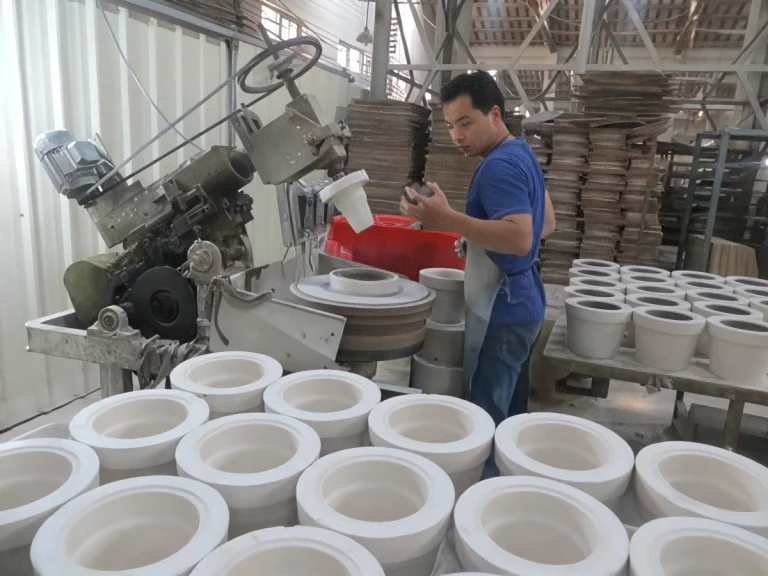
OEM/ODM customization allows retailers to develop ceramic planters that match their brand identity, customer preferences, and merchandising strategy. Options can include selected shapes, dimensions, colors, finishes, decorative details, and branded packaging, subject to the manufacturer’s capabilities and order requirements.
For retailers and distributors, customization creates opportunities to move beyond competing on price alone.
Common customization options include:
- Custom colors: Develop coordinated palettes for seasonal collections or established brand identities.
- Shape and size variations: Build a consistent family of planters for different plant sizes and display settings.
- Surface finishes: Select suitable glazed, matte, textured, or decorative finishes.
- Logo and packaging: Explore branded packaging and approved logo applications where technically appropriate.
- Collection development: Coordinate ceramic pots with other home and garden products for a consistent retail presentation.
Before placing a custom order, request confirmation of the minimum order quantity, sample-development process, tooling requirements, production lead time, and ownership arrangements for custom designs or molds.
For a first launch, retailers should prioritize a small, coordinated collection instead of developing too many unrelated products. This approach makes it easier to evaluate customer response and expand the range using actual sales results.
How Can Retailers Improve Profitability When Buying Ceramic Plant Pots in Bulk?
Retailers can improve profitability by evaluating total landed cost, choosing an appropriate assortment, controlling damage, and using sales data to guide replenishment. The lowest factory price does not automatically produce the highest profit.
Total landed cost includes more than the quoted unit price.
Total landed cost per sellable unit = (Product cost + packaging + freight + duties and other applicable costs + expected damage-related losses) ÷ sellable units received
For example, consider an illustrative order of 1,000 ceramic pots with a total landed cost of $5,000. If 20 units arrive damaged and cannot be sold, the effective landed cost is approximately $5.10 per sellable pot rather than $5.00.
This example uses hypothetical figures to demonstrate the calculation, not a market quotation or industry damage benchmark.
Retailers can use the following strategies to manage purchasing risk:
- Start with a focused assortment. Choose a manageable selection of core sizes and finishes before expanding into slower-moving variants.
- Calculate the landed cost. Include packaging, freight, duties, inspection, and expected losses.
- Compare suppliers on equivalent specifications. Ensure quotations cover the same dimensions, finish, accessories, and packaging level.
- Plan orders around seasonal demand. Work backward from the required in-store date and confirm manufacturing and shipping schedules with the supplier.
- Track sell-through and returns. Reorder proven designs and investigate quality or packaging issues before increasing order quantities.
- Negotiate for repeat business. Discuss forecast-based production, consolidated shipments, and coordinated collections when volumes justify them.
A practical advantage of ceramic plant pot wholesale is the ability to create consistent size and color families. These collections support cross-selling, coordinated displays, and repeat purchasing while simplifying product photography and merchandising.
What Should Buyers Include in a Ceramic Plant Pot Wholesale RFQ?
A complete request for quotation (RFQ) should specify the intended application, product dimensions, finish, order quantity, packaging requirements, customization needs, destination, and target delivery date. Clear requirements help suppliers provide comparable quotations and reduce misunderstandings.
Use this checklist when contacting a manufacturer:
- Product reference images or design drawings
- Target pot dimensions and required size range
- Ceramic material and surface finish
- Color references and acceptable batch variation
- Drainage-hole and saucer requirements
- Estimated quantity by size, color, and design
- Logo, label, and packaging requirements
- Sample and inspection expectations
- Destination country and preferred shipping terms
- Target delivery date and replenishment forecast
For customized ceramic plant pot wholesale projects, also ask the supplier to identify any tooling charges, sample approval stages, and production constraints before confirming the order.
Providing these details from the beginning helps manufacturers assess feasibility, recommend suitable product options, and prepare more accurate commercial proposals.
Frequently Asked Questions About Ceramic Plant Pot Wholesale
Q1: How Do I Choose a Reliable Ceramic Plant Pot Wholesale Supplier?
Request samples, compare detailed quotations, verify production and quality-control capabilities, and review packaging requirements. Confirm dimensions, finishes, drainage configurations, order quantities, and delivery terms in writing before approving mass production.
Q2: Are Glazed Ceramic Plant Pots Suitable for Outdoor Use?
Glazed ceramic pots can be used outdoors when their construction and performance suit the intended environment. Buyers should confirm weather resistance, water absorption, and freeze-thaw suitability rather than assuming that a glazed surface guarantees outdoor durability.
Q3: Should Wholesale Ceramic Plant Pots Have Drainage Holes?
Drainage holes are appropriate for many pots intended for direct planting. Decorative cachepots may be designed without drainage holes to hold nursery pots. Buyers should specify the intended planting method and provide clear usage instructions for each product.
Q4: What Affects the Cost of Ceramic Plant Pot Wholesale Orders?
The main cost factors include dimensions, ceramic body, glaze and decoration, order quantity, customization, packaging, tooling, freight, and destination-related charges. Comparing total landed cost provides a more useful purchasing basis than comparing unit prices alone.
Q5: Can Retailers Order Custom Ceramic Plant Pots With Their Own Branding?
Yes. Retailers can discuss OEM/ODM options such as custom shapes, sizes, colors, finishes, and branded packaging with manufacturers that offer these services. Minimum order quantities, tooling, development timelines, and available decoration methods must be confirmed for each project.
Q6: How Can Buyers Reduce Breakage During International Shipping?
Use individual protection, appropriate dividers, secure inner packaging, and strong outer cartons. Test the packaging configuration for the actual product and shipping conditions, and review damage records by SKU to identify where further improvements are needed.
Q7: When Should Retailers Place Wholesale Orders for Seasonal Demand?
Retailers should work backward from their required stock arrival date, allowing time for sample approval, production, inspection, shipping, and customs clearance where applicable. Confirm lead times directly with the supplier because product customization and shipping arrangements affect the schedule.
Conclusion: Partner With Qunfa for Ceramic Plant Pot Wholesale and OEM/ODM Solutions
Whether you are expanding a garden center’s planter assortment, sourcing ceramic pots for a home décor business, or developing a differentiated product line, defining your product specifications and purchasing objectives is the first step toward a successful partnership.
Qunfa is a daily ceramics manufacturer specializing in bakeware, tableware, pet bowls, and garden pots. With bespoke OEM/ODM solutions tailored to different customer requirements, Qunfa works with business buyers seeking ceramic products for retail collections, wholesale distribution, and private-label development.
Контакты Qunfa to discuss your ceramic plant pot wholesale requirements. Share your preferred designs, target quantities, customization ideas, packaging needs, and delivery destination to explore suitable products and request a quotation for your next collection.