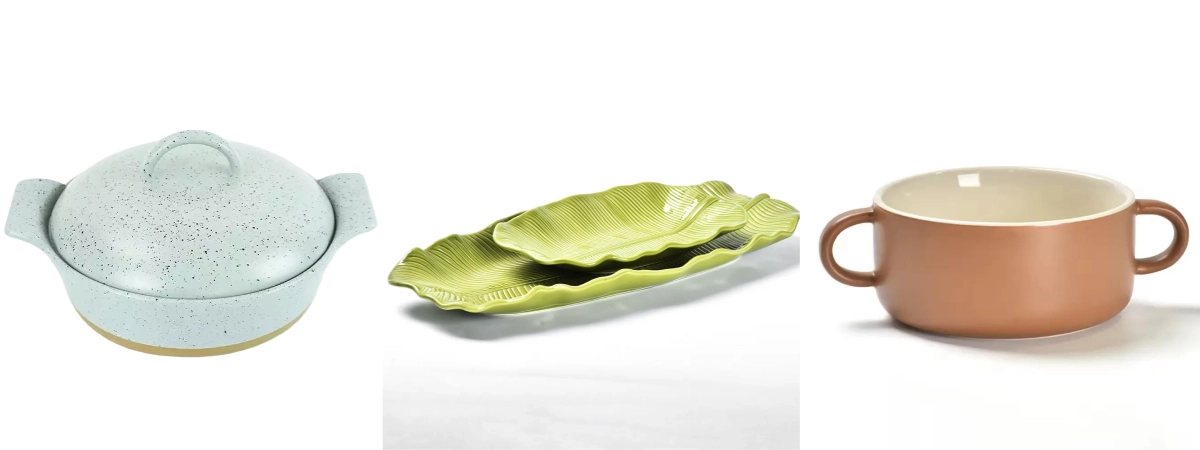
Excerpt: Quiet luxury tableware is defined by understated colors, tactile matte glazes, organic shapes, and durable stoneware rather than flashy decoration. For brands, wholesalers, and retailers, these design features offer a practical way to build premium-looking dinnerware collections that remain relevant across seasons.
What Is Quiet Luxury Tableware?
Quiet luxury tableware brings the “less but better” philosophy of luxury fashion to the dining table. Instead of logos, metallic decoration, or complicated patterns, it relies on material quality, craftsmanship, subtle colors, and refined textures.
For B2B buyers, this trend is more than an aesthetic preference. It creates opportunities for wholesale stoneware tableware, restaurant dinnerware collections, private-label products, and retail lines that look premium without depending on short-lived decorative trends.
The core idea is simple: buy less, buy well, and use for longer.
Why Is Quiet Luxury Tableware Becoming More Popular?
1. Color: Soft Tones Create a Premium Dining Experience
Traditional dinnerware often emphasizes bright white, glossy surfaces, and highly uniform designs. Quiet luxury moves in a warmer direction.
Popular colors include:
- Sand and beige
- Oatmeal and cream
- Mushroom
- Terracotta
- Olive green
- Warm gray
- Earth-inspired neutrals
These colors create a relaxed dining atmosphere without competing with the food. For example, an olive green plate can enhance the color of a tomato salad, while a terracotta bowl can make creamy soup look warmer and more appetizing.
For retailers and distributors, neutral stoneware dinnerware also offers an important commercial advantage: it can work across multiple interior styles and remain suitable for different seasons.
White dinnerware will always have a place in the market, but earthy tones give brands another way to create an emotional connection with customers.

2. Texture: Premium Tableware Should Feel Good in the Hand
The second defining feature of quiet luxury is texture.
Rather than relying entirely on smooth, reflective surfaces, premium stoneware collections increasingly use:
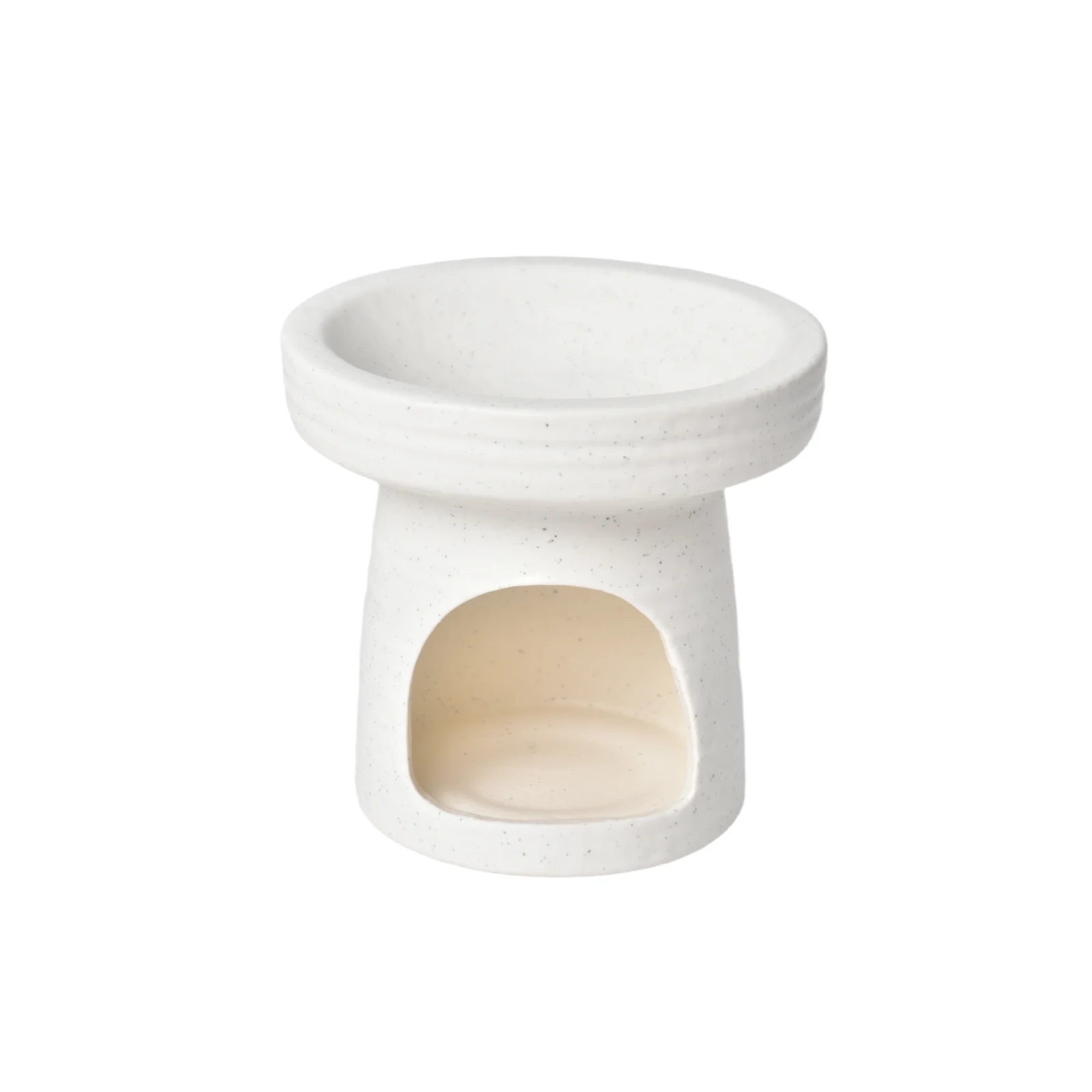
- Matte glaze
- Satin finishes
- Speckled surfaces
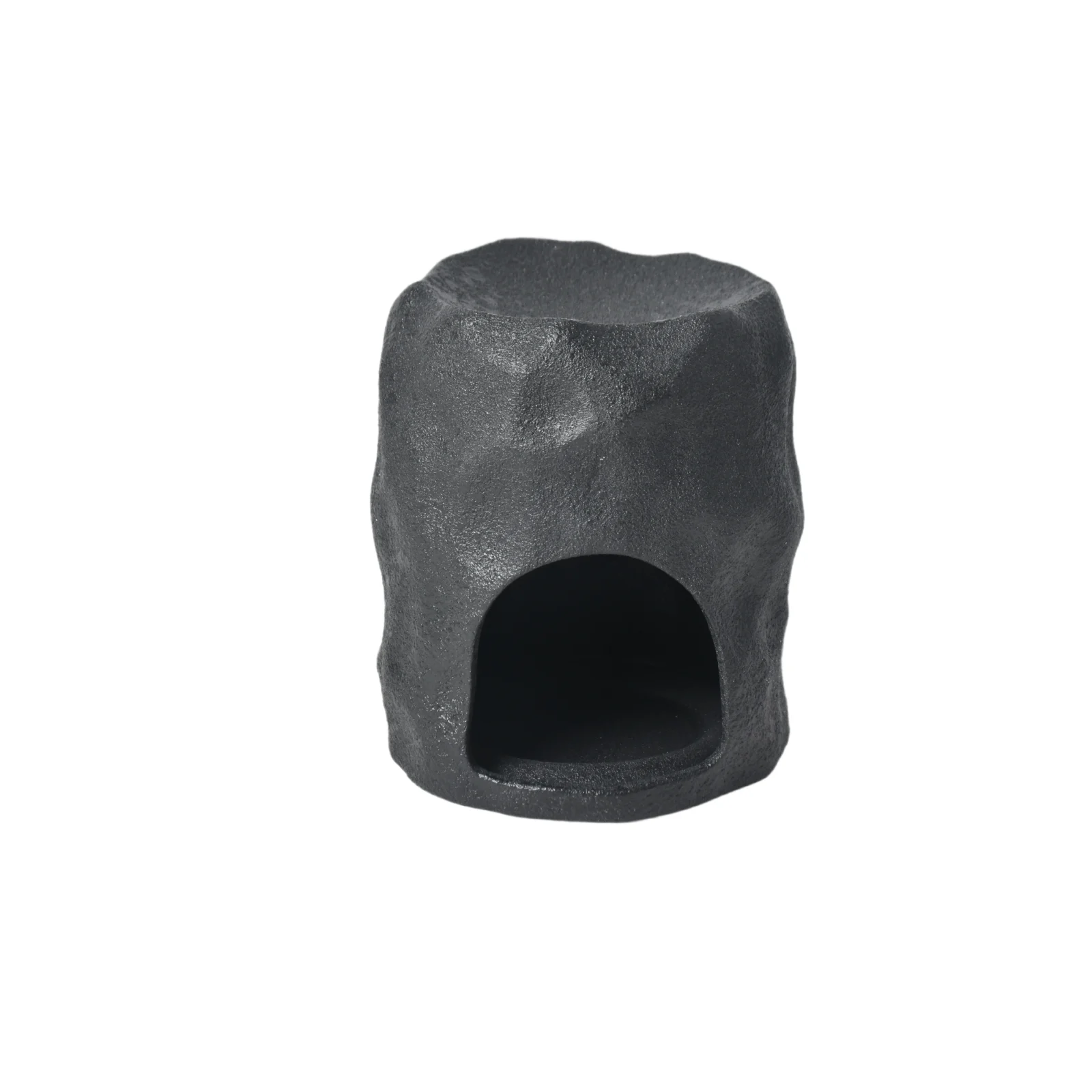
- Subtle granular textures
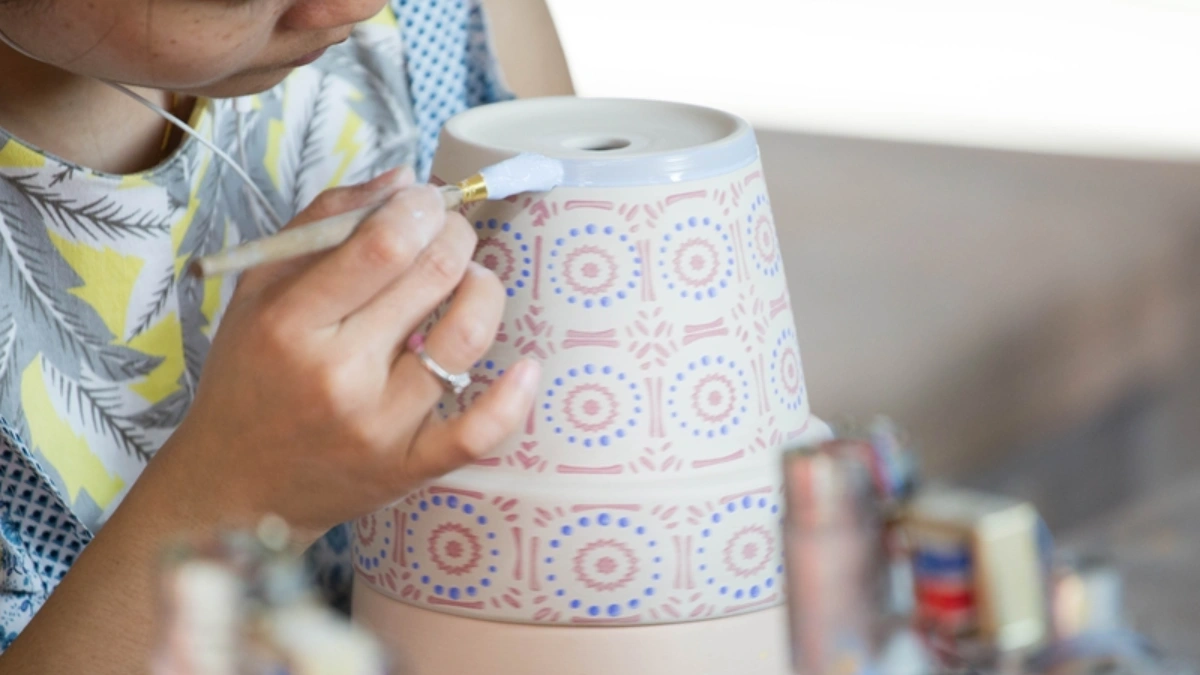
- Hand-applied glaze effects
- Natural glaze variation
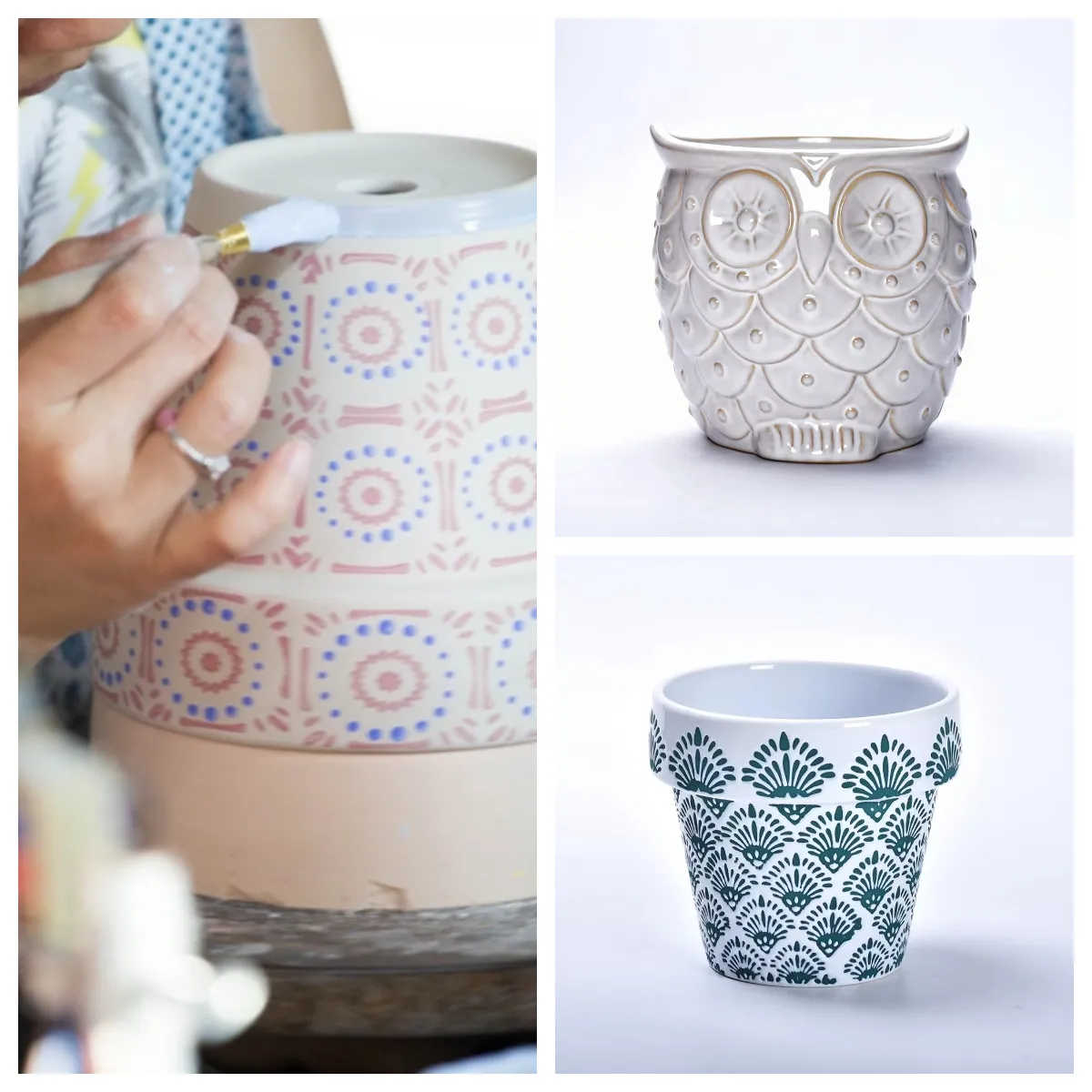
These finishes make tableware feel warmer and more substantial. When customers hold a textured ceramic plate or bowl, they can experience the material rather than simply seeing its decoration.
From a manufacturing perspective, however, tactile design requires consistency. B2B buyers should evaluate whether a ceramic supplier can maintain the intended glaze appearance, color range, surface quality, and dimensional tolerance across production batches.
This is particularly important for wholesale ceramic tableware, where a visually attractive sample is not enough. The supplier must be able to reproduce the same product at commercial scale.
3. Shape: Controlled Imperfection Adds Handmade Character
Quiet luxury tableware does not always pursue perfect symmetry.
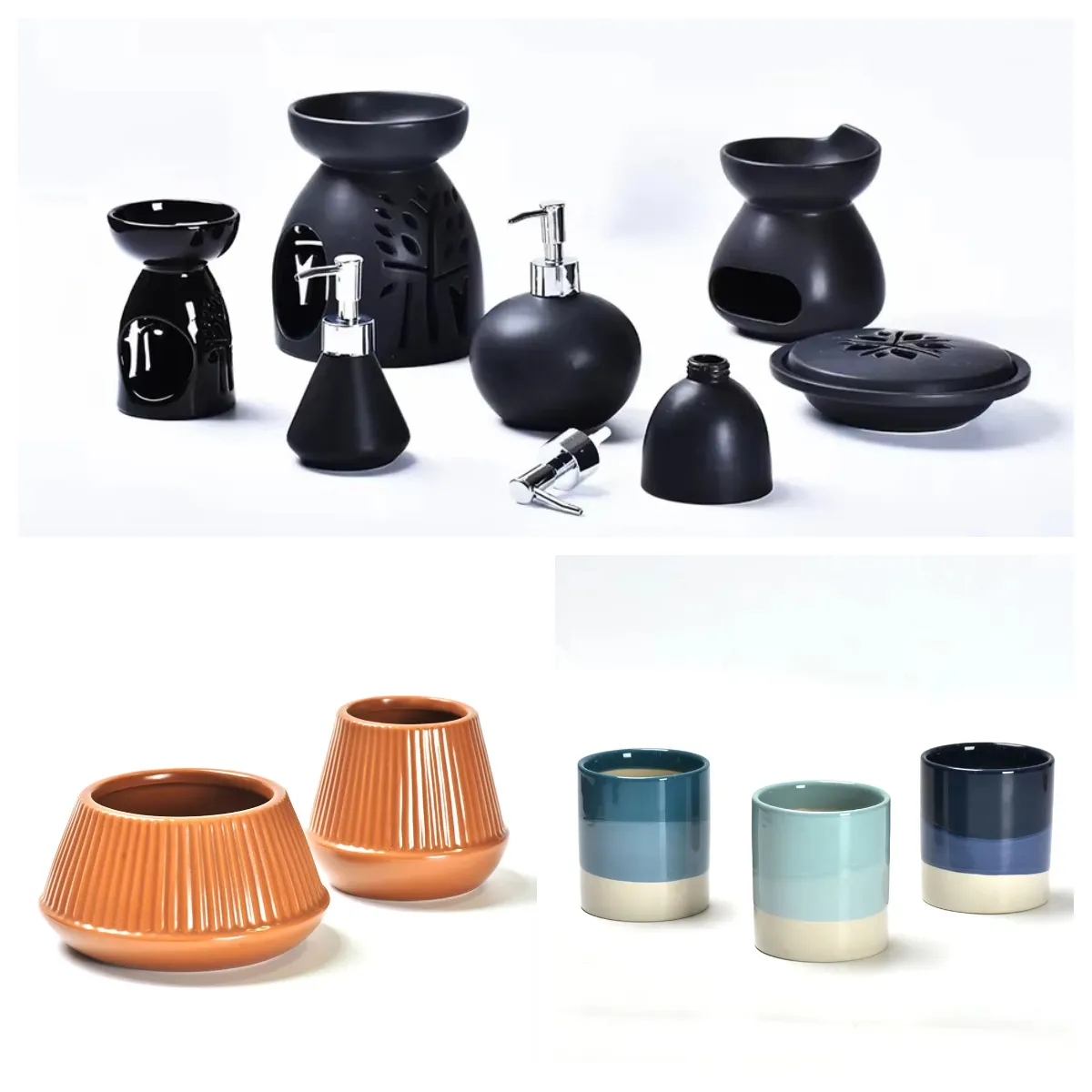
Slightly irregular rims, organically shaped plates, softly rounded bowls, and subtle hand-finished details can create the appearance of craftsmanship.
The keyword is controlled imperfection.
These variations should look intentional rather than defective. For B2B buyers, this means manufacturers need appropriate production controls to distinguish acceptable handmade variation from quality problems such as uneven rims, unstable bases, cracks, pinholes, or excessive glaze defects.
This balance is particularly valuable for brands looking for OEM ceramic tableware with a handcrafted appearance. The product can communicate an artisanal story while still meeting the consistency required for wholesale distribution.
4. Material: Why Stoneware Fits the Quiet Luxury Trend
Stoneware is a natural match for quiet luxury because it combines visual warmth, substantial weight, tactile surfaces, and everyday durability.
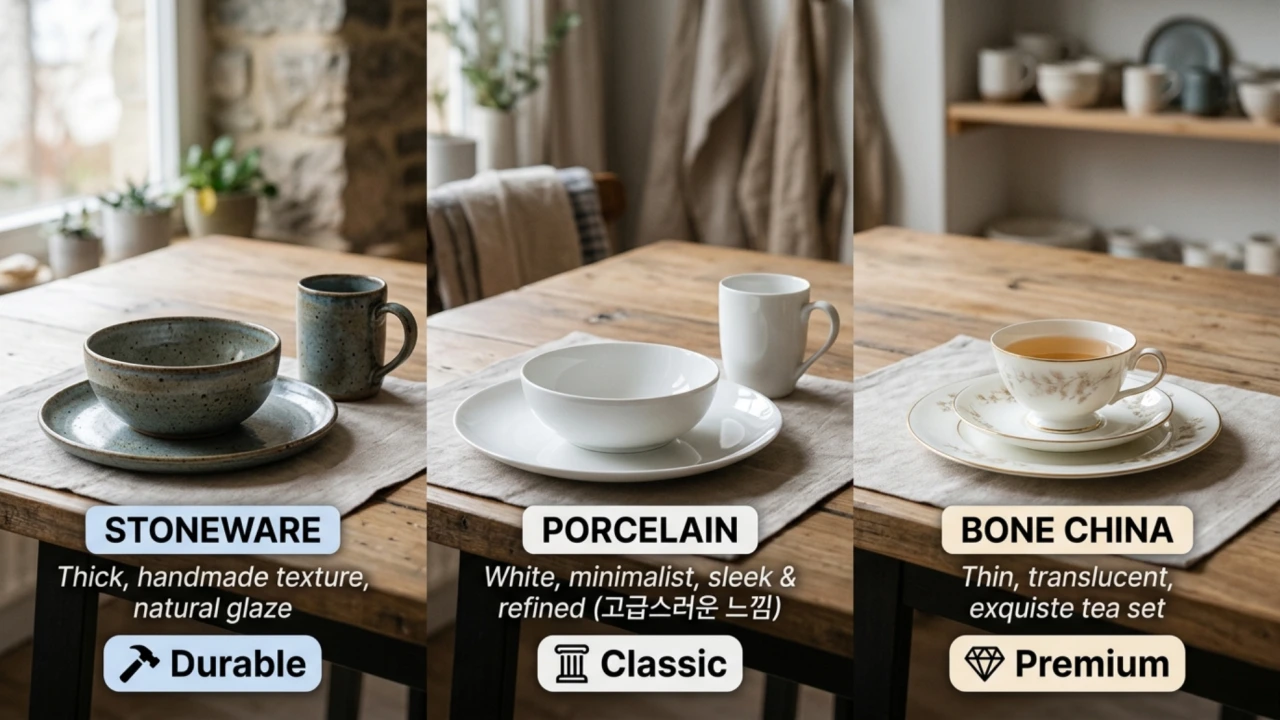
Compared with porcelain, stoneware generally has a more substantial body and a more natural appearance. Bone china is known for its lightweight and translucent qualities, while stoneware offers a stronger connection to the earthy, handcrafted aesthetic that defines quiet luxury.
For commercial buyers, the material also needs to perform beyond appearance. Important considerations include:
- Body strength
- Water absorption
- Glaze durability
- Thermal performance
- Dishwasher suitability
- Microwave or oven suitability
- Food-contact safety
- Batch-to-batch consistency
This is why choosing the right stoneware tableware manufacturer matters. A premium-looking glaze is only commercially valuable when the underlying ceramic body and manufacturing process can support reliable daily use.
Medium-Temperature Ceramics and Quiet Luxury: A Practical Match
Medium-temperature ceramic production provides manufacturers with flexibility when developing tactile and decorative tableware.
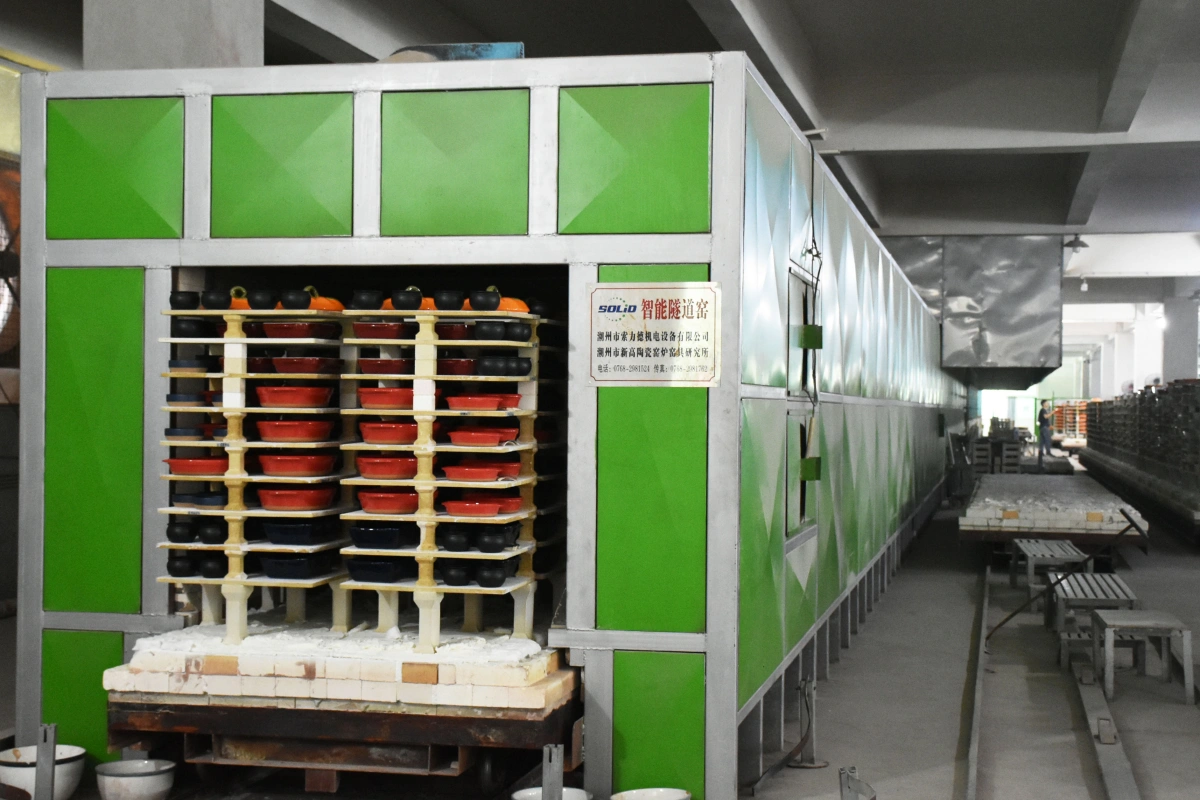
The firing process needs to balance body density, glaze development, surface appearance, and product performance. With suitable clay bodies and glaze formulations, manufacturers can develop matte, speckled, granular, and naturally varied surfaces while maintaining the durability required for everyday tableware.
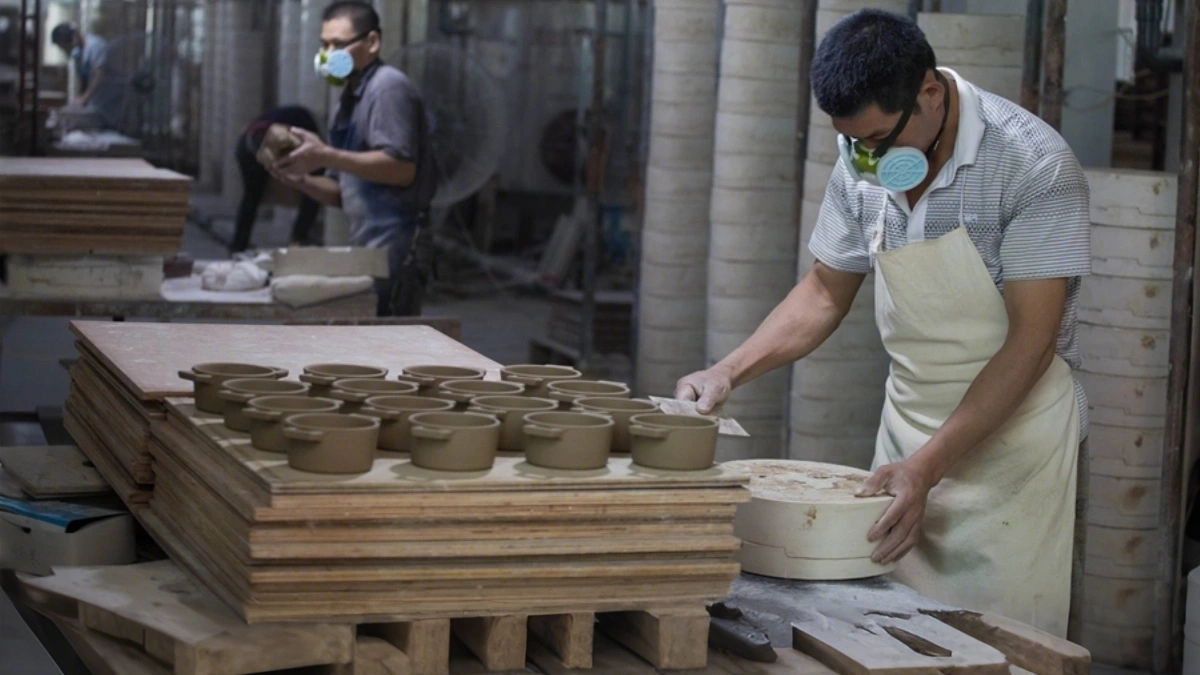
For B2B buyers, the important point is not simply the firing temperature. It is whether the manufacturer can control the complete process—from raw materials and forming to glazing, firing, inspection, and final packing.
At Qunfa Ceramics, this production experience supports the development of wholesale stoneware tableware with natural colors, matte surfaces, organic textures, and other quiet luxury characteristics.
What Does Quiet Luxury Mean for B2B Tableware Buyers?
The trend creates several practical opportunities for importers, distributors, retailers, restaurant suppliers, and private-label brands.
Build Collections Around Timeless Designs
Instead of launching completely new patterns every season, brands can build collections around neutral colors, simple silhouettes, and subtle glaze variations.
Offer Mix-and-Match Tableware
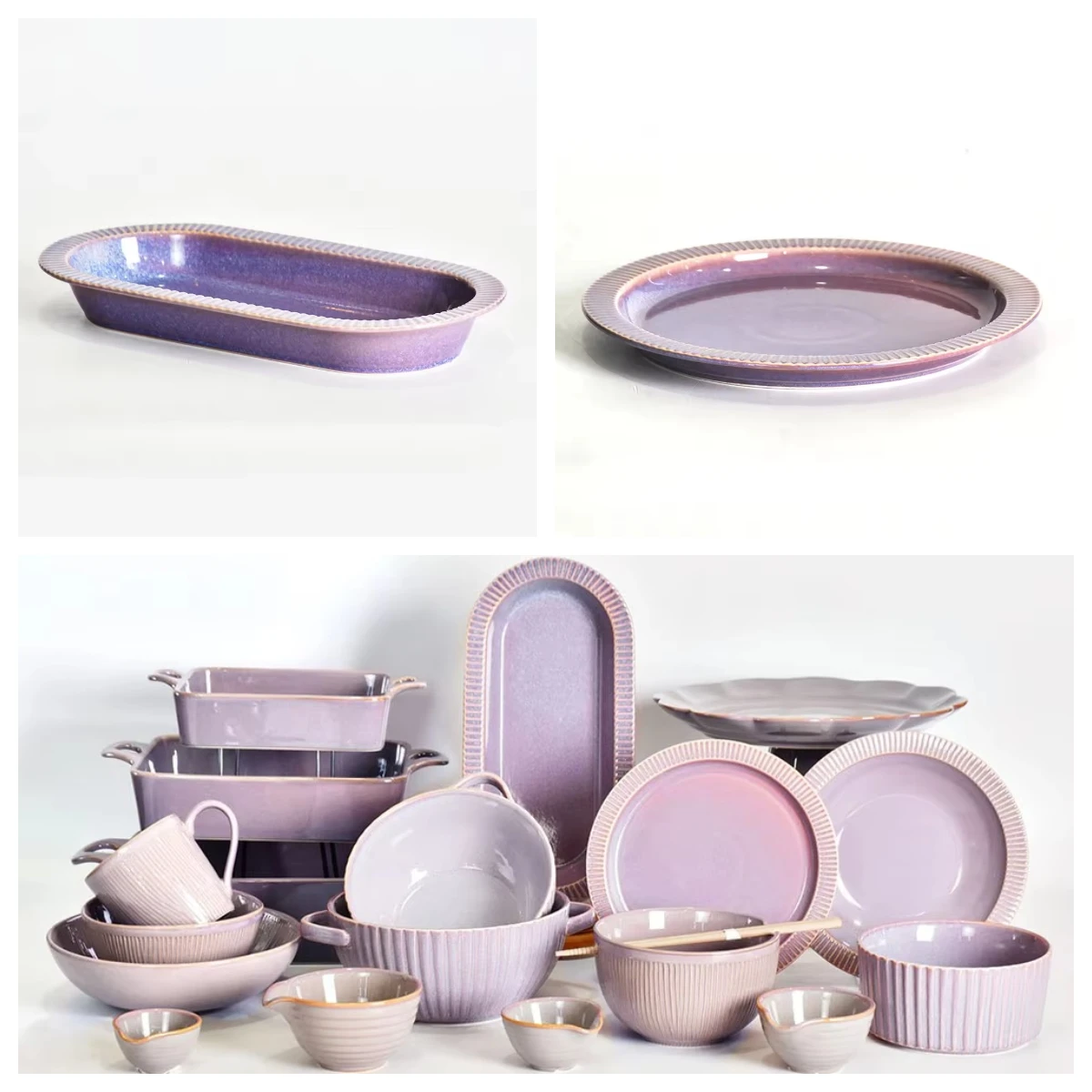
Quiet luxury works particularly well with coordinated but non-identical collections. Plates, bowls, mugs, and serving pieces can share a glaze family while using different shapes or tones.

Use Texture as a Product Differentiator
When many suppliers offer similar basic white dinnerware, matte finishes, reactive effects, and handcrafted textures can help a product line stand out at retail.
Prioritize Production Consistency
A handcrafted appearance does not mean uncontrolled production. B2B buyers should confirm the supplier’s quality-control procedures, acceptable variation standards, sample approval process, packaging protection, and production capacity before placing large orders.
For brands developing their own collection, OEM/ODM ceramic tableware can provide additional flexibility in colors, shapes, glaze finishes, packaging, and branding.
Quiet Luxury Tableware FAQ
Is stoneware good for premium tableware?
Yes. Stoneware combines a substantial feel, natural appearance, versatile glaze options, and good everyday durability, making it well suited to premium-looking dinnerware collections.
What colors are popular for quiet luxury tableware?
Neutral and earthy colors such as cream, oatmeal, sand, mushroom, terracotta, olive green, and warm gray are strong choices because they create an understated, timeless look.
Is matte tableware better than glossy tableware?
Not necessarily. Matte and glossy finishes serve different markets. Matte finishes are particularly suitable for quiet luxury collections because they provide a softer, more tactile appearance.
What should wholesalers check when buying stoneware tableware?
Wholesalers should evaluate material quality, glaze consistency, dimensional tolerance, food-contact safety, durability, packaging, production capacity, MOQ, lead time, and the supplier’s ability to maintain consistent quality across batches.
Can a manufacturer produce quiet luxury tableware under a private label?
Yes. Experienced ceramic manufacturers can develop private-label collections with options such as custom colors, glaze finishes, shapes, logos, packaging, and other product specifications, depending on MOQ and production requirements.
Why Choose Qunfa Ceramics for Wholesale Stoneware Tableware?
Founded in 1993, Qunfa Ceramics is an experienced ceramic manufacturer with a 30,000㎡ production facility, 400+ employees, and strong OEM/ODM capabilities. As a designated supplier for brands including Walmart, Costco, Aldi, Disney, C&B, and Michaels, Qunfa provides wholesale ceramic tableware, stoneware tableware, ceramic bakeware, and other household ceramics for importers, distributors, retailers, and brands worldwide.
If you are developing a quiet luxury dinnerware collection or looking for a reliable stoneware tableware manufacturer, contact Qunfa Ceramics to discuss your product requirements and explore a suitable wholesale or OEM/ODM solution.
Quiet luxury does not need to be loud. The right material, finish, shape, and craftsmanship can make a tableware collection feel premium while remaining practical for everyday use.