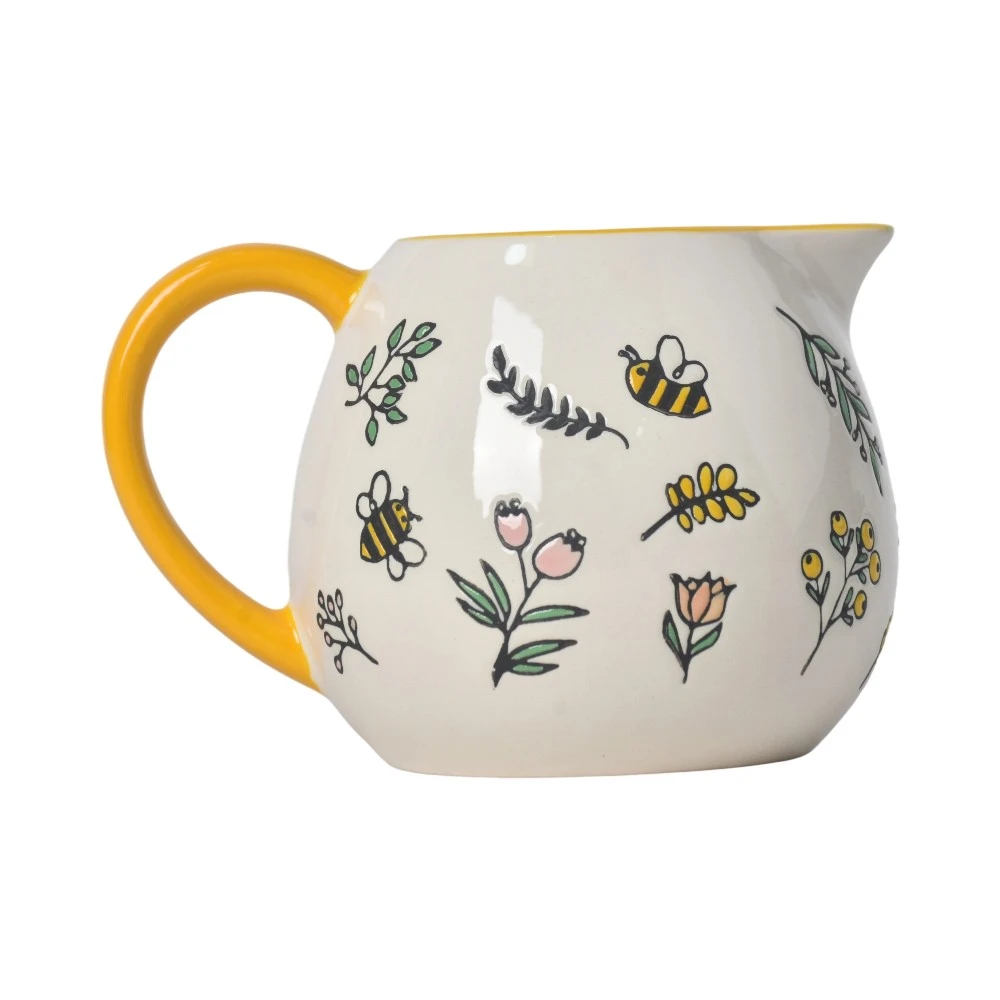
A well-designed dinner set does not have to come from one brand, material, or collection. By coordinating colors, textures, shapes, and proportions, ceramic manufacturers can create versatile tableware collections that appeal to modern consumers. For wholesalers, retailers, and private-label brands, mixed dinner set designs also offer opportunities to expand product ranges, differentiate collections, and meet changing market preferences.
1. Why Are Mixed Dinner Sets Replacing Traditional Matching Sets?
Traditional dinner sets usually include matching plates, bowls, cups, and serving dishes in one consistent design. While complete sets remain popular for everyday dining and retail sales, consumer preferences are increasingly moving toward more personalized table settings.
Instead of purchasing an entire matching collection, consumers are combining individual pieces from different brands, materials, colors, and designs.
This trend creates new opportunities for tableware wholesalers, retailers, and private-label brands.
For example, a retail collection might combine:
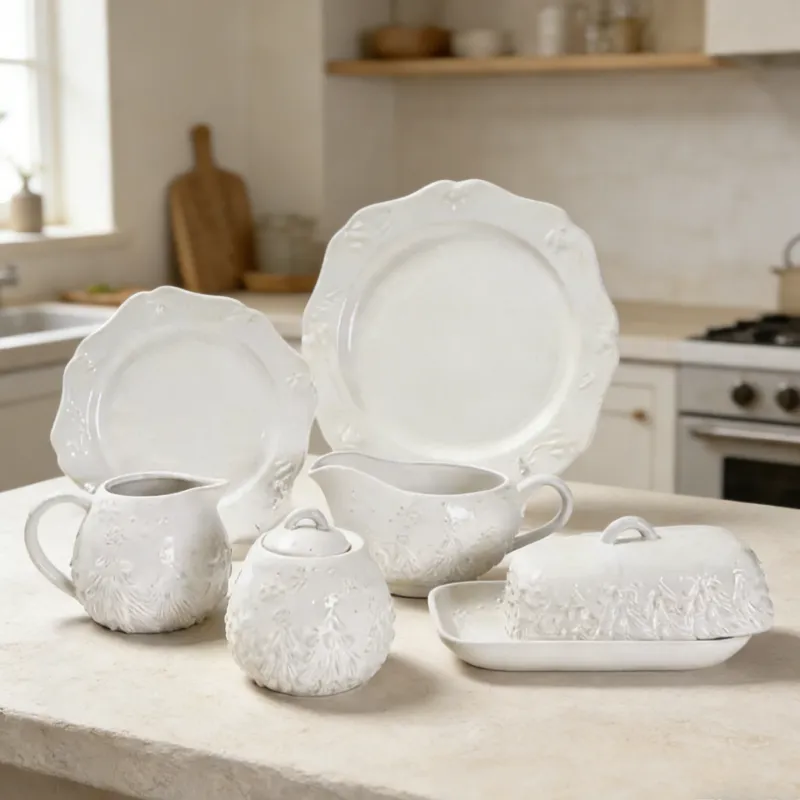
- Minimalist white dinner plates with colored ceramic soup bowls.
- Matte-finish stoneware-style tableware with glossy porcelain dishes.
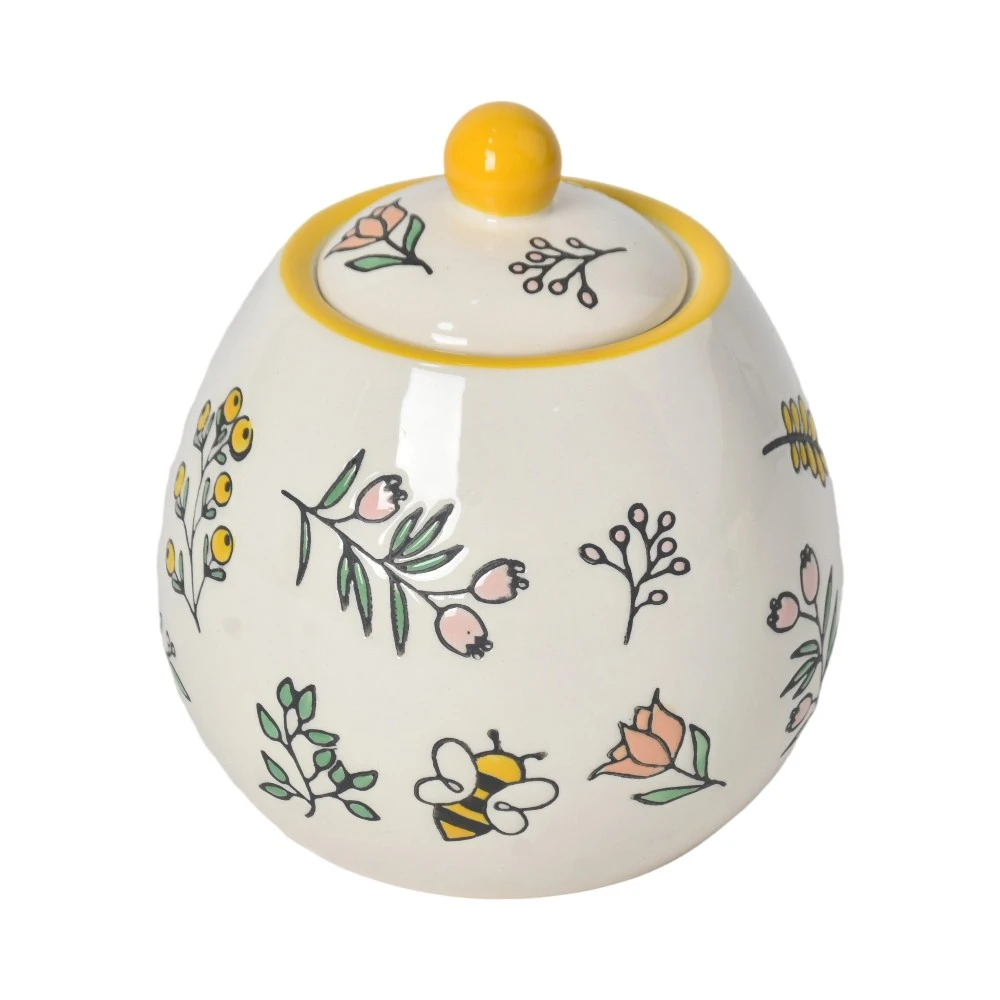
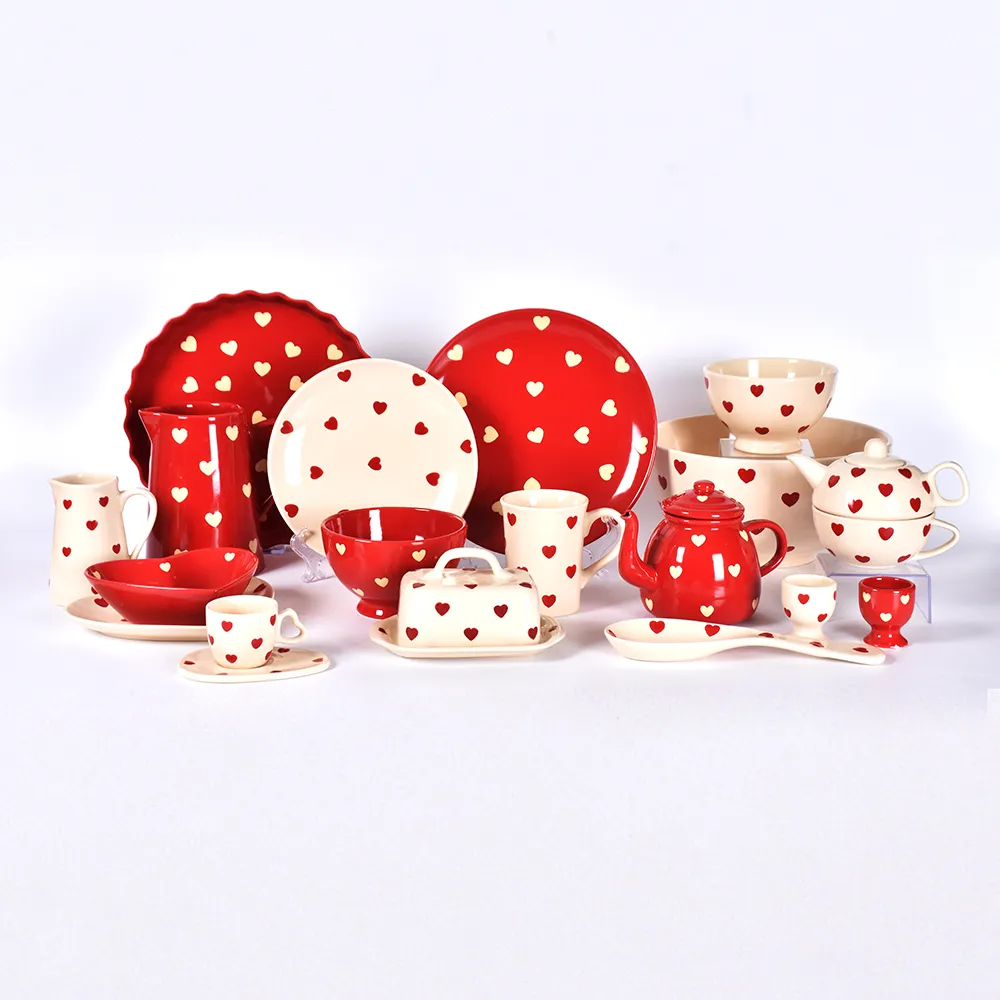
- Floral-patterned side plates with modern, solid-color dinnerware.
- Different bowl and plate shapes within a coordinated color palette.
The appeal lies in flexibility. Consumers can gradually build their own collections, replace individual pieces, and create different table settings without purchasing another complete set.
For B2B buyers, this means a successful dinner set collection does not always need to follow a traditional matching design. Offering coordinated individual products can help retailers build more flexible product assortments and appeal to different customer preferences.
2. Five Key Principles for Mixing Different Tableware Styles
Combining different tableware products requires a balance between variety and consistency. The following five principles can help create collections that look coordinated rather than randomly assembled.
1. Connect Different Brands and Designs Through Color
Color is one of the easiest ways to connect tableware from different collections.
Even when plates and bowls have different patterns or shapes, a shared color palette can create a visually consistent dining experience.
How to create a coordinated color scheme:
- Start with neutral colors: White, cream, beige, and light gray provide a versatile foundation for different tableware styles.
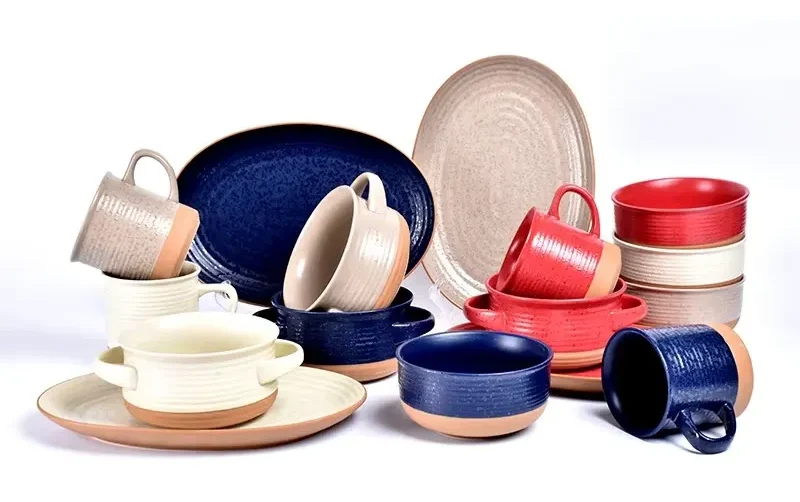
- Use tonal combinations: Combine dark blue dinner plates with light blue salad plates and matching soup bowls to create depth without introducing too many colors.
- Apply the 60-30-10 rule: Use a dominant color for approximately 60% of the tableware, a secondary color for 30%, and an accent color for the remaining 10%.
Earth tones are particularly suitable for mixed tableware collections. Terracotta, sage green, sand, and mushroom gray create a natural appearance and work well with both modern and rustic dining styles.
For wholesale buyers, offering several coordinated color options can make it easier for retailers to combine individual products into different collections.
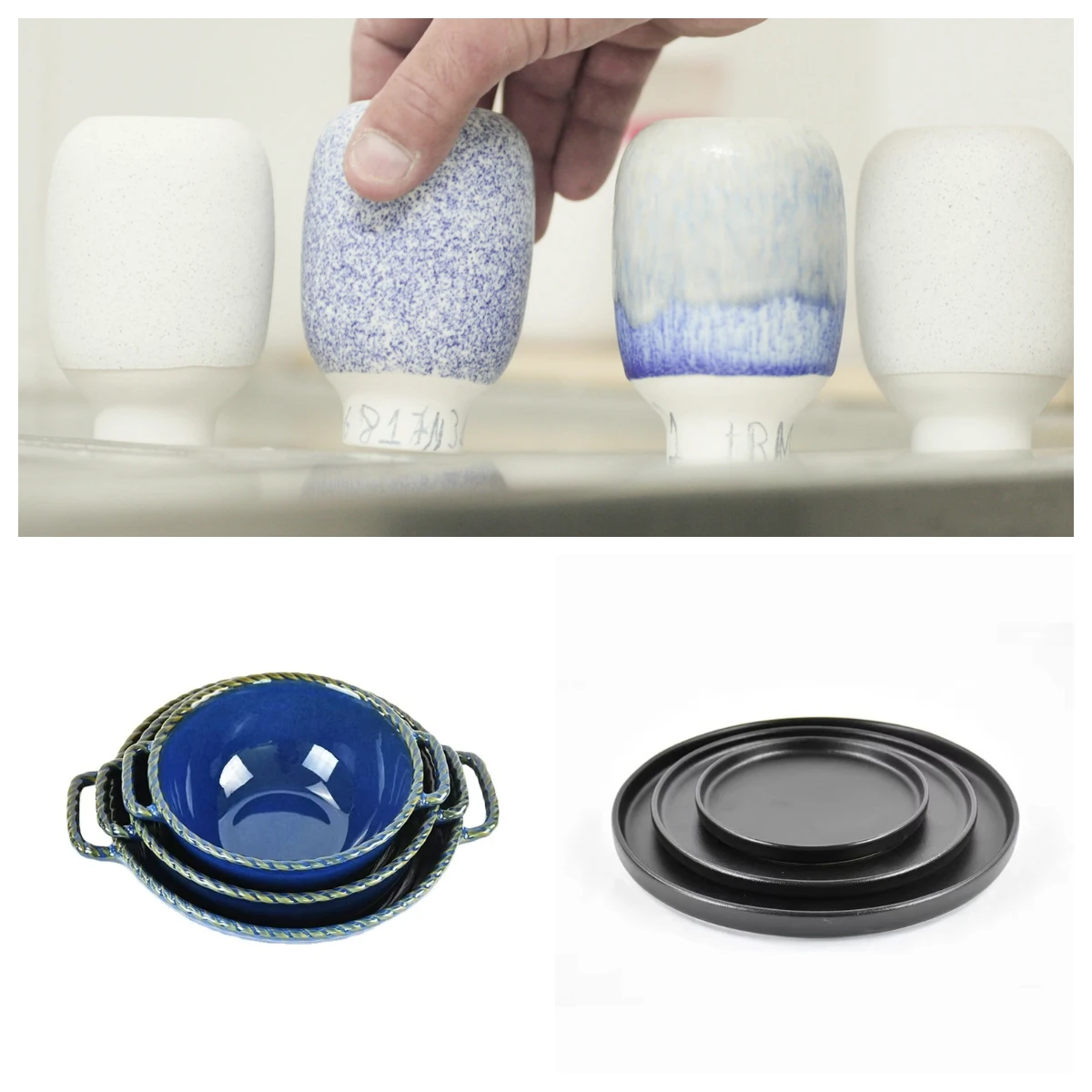
2. Combine Different Materials and Surface Finishes
If color provides visual consistency, material creates contrast and character.
One effective approach is to combine different surface finishes and visual textures.
Por exemplo:
- Matte ceramic plates paired with glossy porcelain bowls.
- Textured ceramic dinner plates combined with smooth glass cups.
- Rustic-looking ceramic bowls alongside refined white tableware.
- Thick-bodied ceramic dishes paired with lightweight serving accessories.
The contrast between rough and smooth, matte and glossy, or heavy and lightweight creates visual interest.
Why is ceramic tableware a suitable foundation?
Ceramic tableware offers considerable flexibility in shapes, colors, glaze effects, and surface finishes. Depending on the material and production process, manufacturers can develop products ranging from simple everyday designs to decorative collections.
For brands developing a mixed dinner set range, working with an experienced ceramic manufacturer makes it easier to maintain consistent design direction across different product categories.
One practical approach is to start with neutral ceramic plates and bowls, then introduce a few products with distinctive glaze effects or textures.
3. Mix Different Shapes and Sizes for a More Dynamic Table
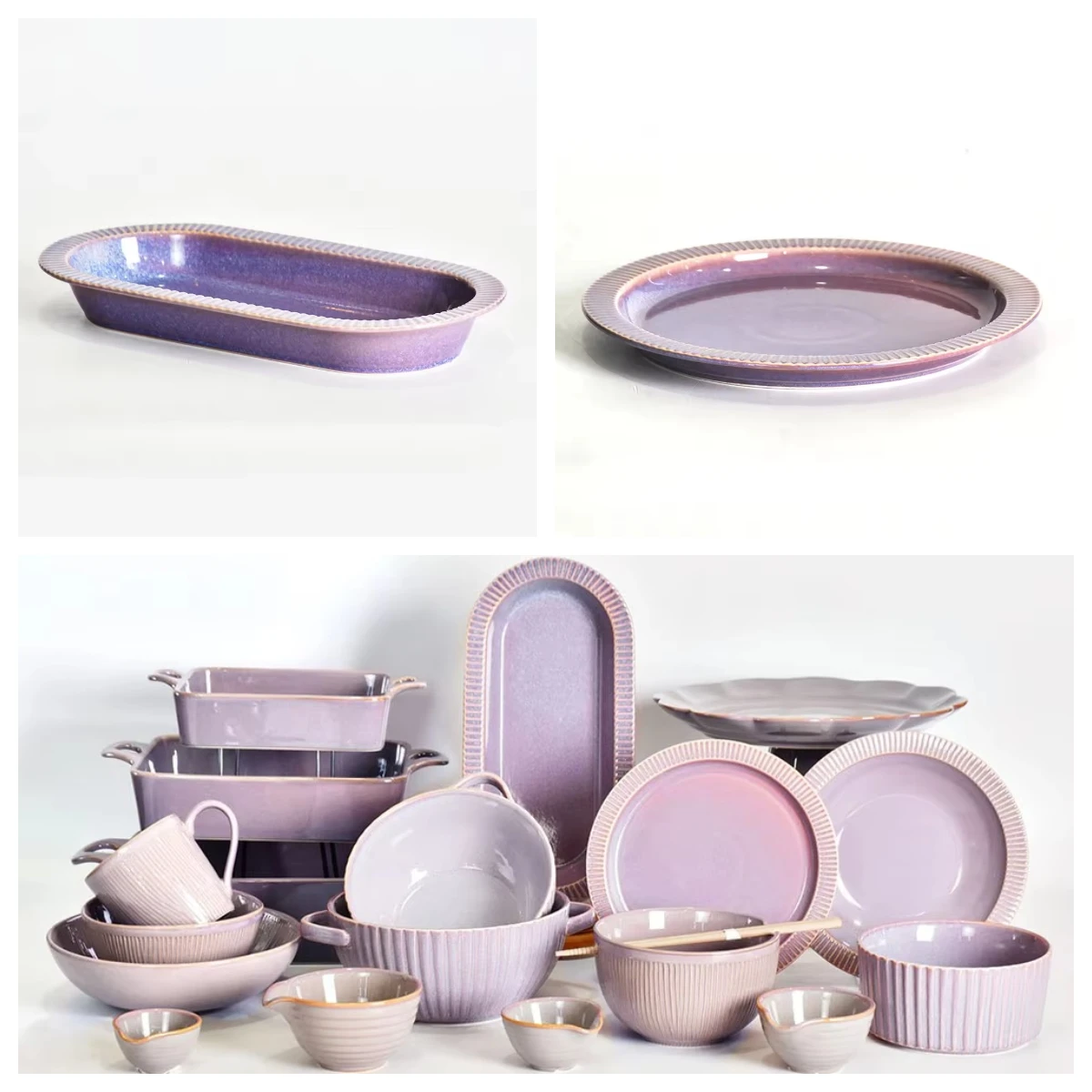
Using the same shape and size for every piece can make a table setting look repetitive.
A more interesting arrangement combines different forms while maintaining a clear visual hierarchy.
Consider these combinations:
- Large round dinner plates with small square side plates.
- Shallow serving dishes with deep soup bowls.
- Oval platters alongside traditional round plates.
- Scalloped-edge dessert plates combined with simple everyday bowls.
A practical product combination might include standard round dinner plates as the main collection, smaller irregular-shaped plates for desserts, and deep bowls for soups or side dishes.
For B2B brands, offering different shapes within one coordinated collection can increase product variety and create more opportunities for cross-selling.
When developing a wholesale dinner set range, manufacturers can also help buyers coordinate plate sizes, bowl capacities, and serving pieces to create a more complete product assortment.
4. Combine Vintage and Modern Designs
Mixing old and new styles is another way to create distinctive tableware collections.
For example, traditional blue-and-white patterns can be paired with minimalist white plates. Vintage floral bowls can also work well alongside contemporary ceramic cups.
The contrast between decorative patterns and clean modern lines gives a table setting more personality.
For commercial collections, this approach can be adapted into several product directions:
- Vintage-inspired: Floral patterns, traditional motifs, and decorative edges.
- Modern minimalist: Simple shapes, neutral colors, and clean surfaces.
- Rustic dining: Natural-looking textures, earthy colors, and handcrafted-inspired finishes.
- Contemporary collections: Geometric shapes, contrasting colors, and distinctive glaze effects.
A ceramic manufacturer with OEM and ODM capabilities can help brands develop coordinated designs that combine different styles while maintaining a consistent collection identity.
5. Follow the 70/30 Rule: Basic Pieces and Accent Pieces
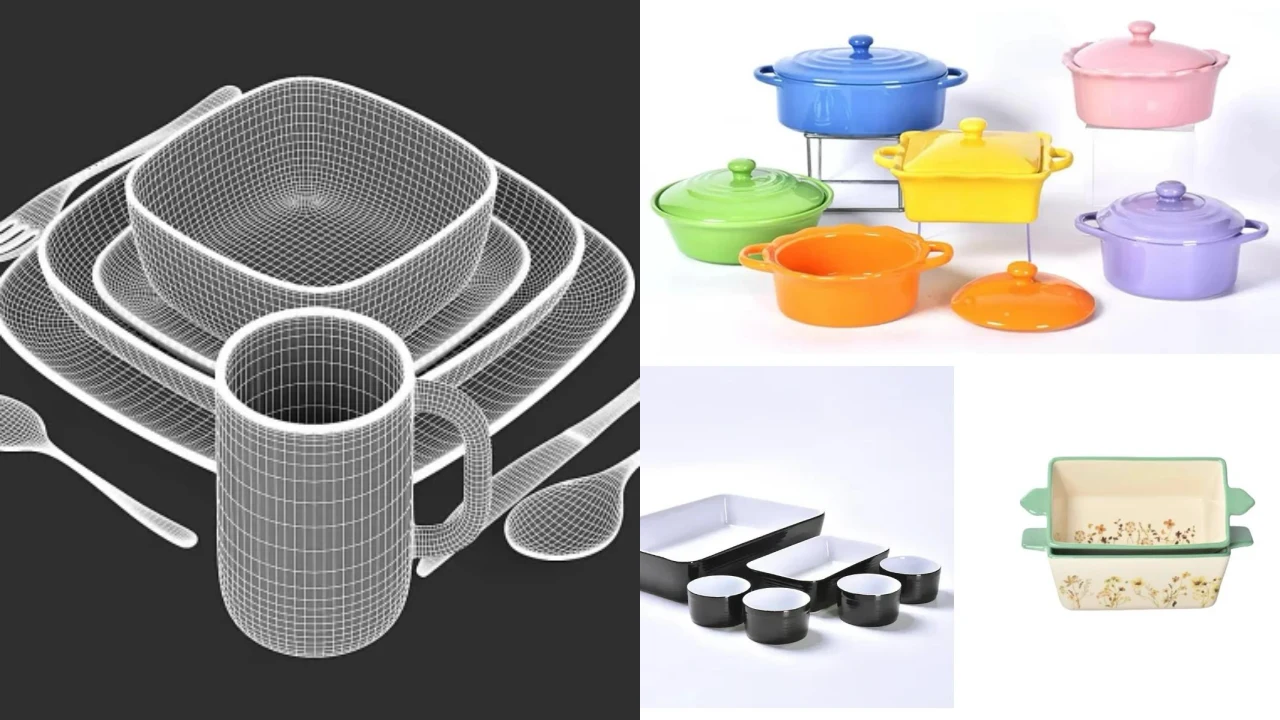
A simple way to avoid visual clutter is to use approximately 70% basic tableware and 30% statement pieces.
70% foundation: Choose simple plates, bowls, and serving dishes in neutral colors such as cream, white, beige, or gray.
30% accents: Introduce distinctive colors, decorative patterns, unusual shapes, or special surface finishes.
For example, a collection could feature neutral ceramic dinner plates and bowls as its foundation, with terracotta serving dishes and patterned side plates as accent pieces.
This approach is also useful for retailers and wholesalers because basic products can serve as long-term core items, while accent products can be updated to reflect seasonal colors and changing consumer preferences.
3. How to Build a Coordinated Dinner Set Collection
For tableware brands and wholesale buyers, the same design principles can be translated into a practical product development strategy.
Step 1: Define the Main Color Direction
Start with two or three core colors.
Popular combinations include:
- White and blue for a classic dining style.
- Beige and brown for a natural, rustic appearance.
- Sage green and cream for a soft contemporary look.
- Black and white for a minimalist collection.
A consistent color direction makes it easier to expand the product range later.
Step 2: Select the Core Tableware Products
Choose the essential products that will form the foundation of the collection.
A typical assortment may include:
- Dinner plates
- Salad plates
- Soup bowls
- Cereal bowls
- Side plates
- Serving dishes
For retailers, these products can be sold individually or combined into different dinner set configurations to suit different customer requirements.
Step 3: Introduce Distinctive Designs
Once the basic products are established, introduce one or two distinctive elements.
For example, a neutral collection can be complemented by colored ceramic bowls, patterned dessert plates, or serving dishes with special glaze effects.
The goal is to create product differentiation without making the entire collection visually inconsistent.
Step 4: Complete the Collection with Coordinated Accessories
Accessories can further enhance the overall presentation.
Ceramic mugs, small dipping dishes, serving trays, and decorative pieces can complement the main tableware range.
For B2B buyers, these additional products also create opportunities to develop bundled offerings and expand the average product selection per collection.
-

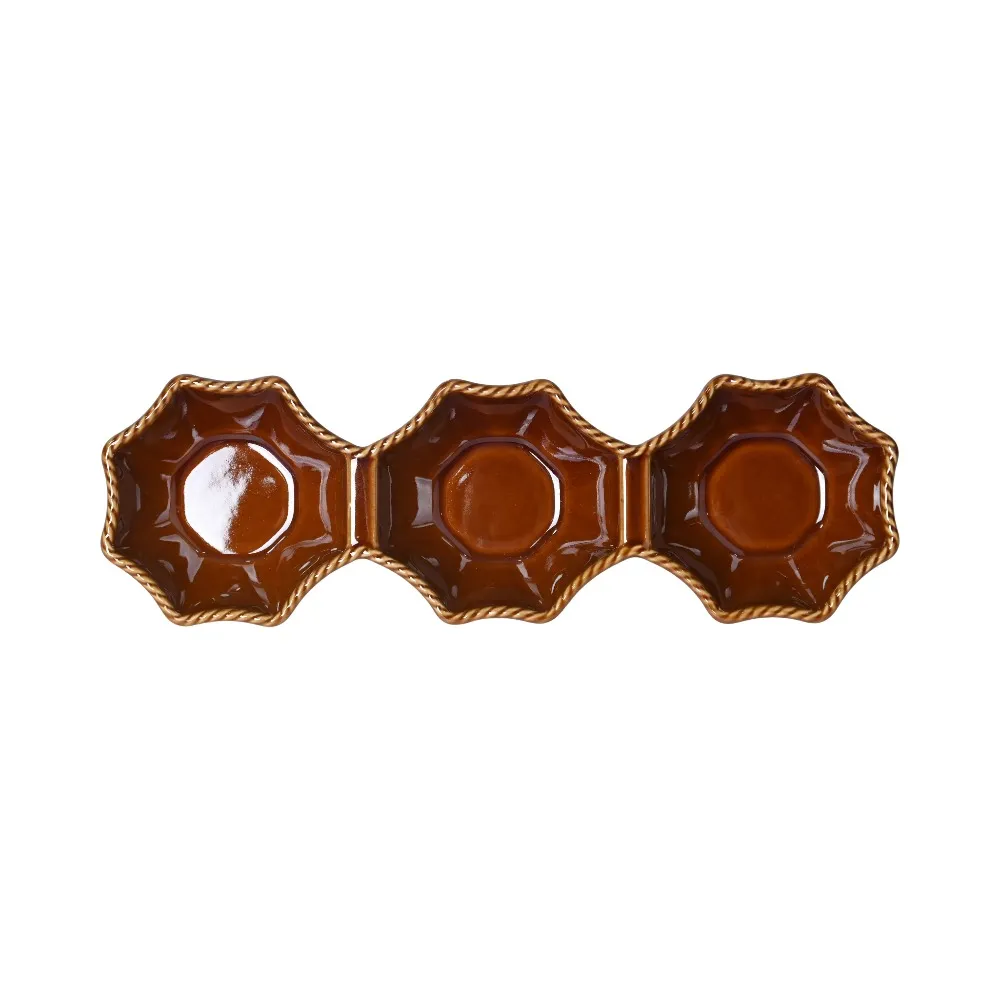
Venda por grosso de travessas de molho em cerâmica com 3 compartimentos para restaurantes
-

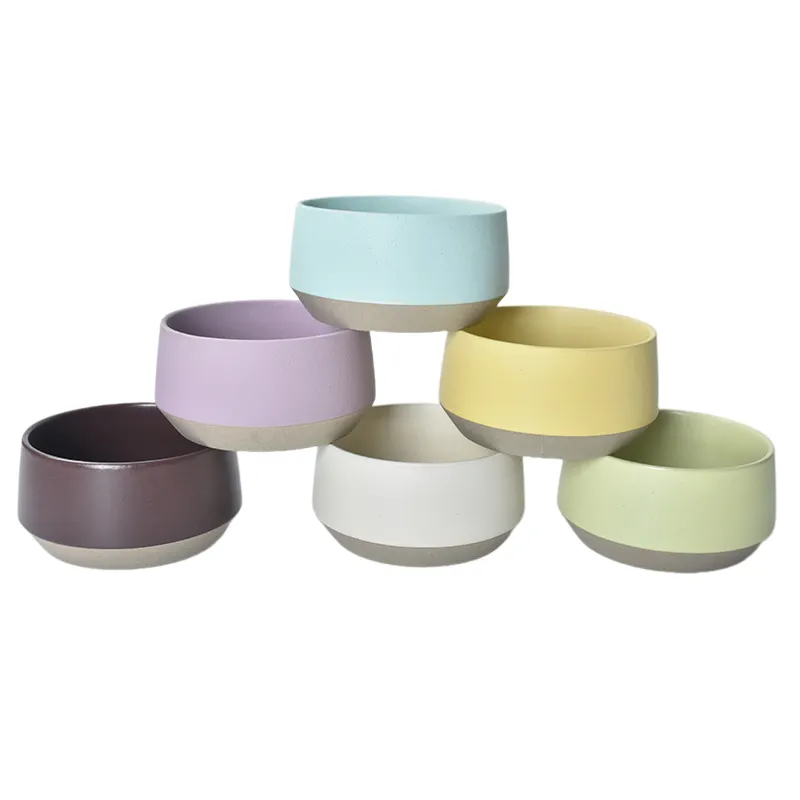
Taças de cerâmica de 6,5 polegadas para venda por grosso, taças de sopa cónicas e fundas personalizadas
-

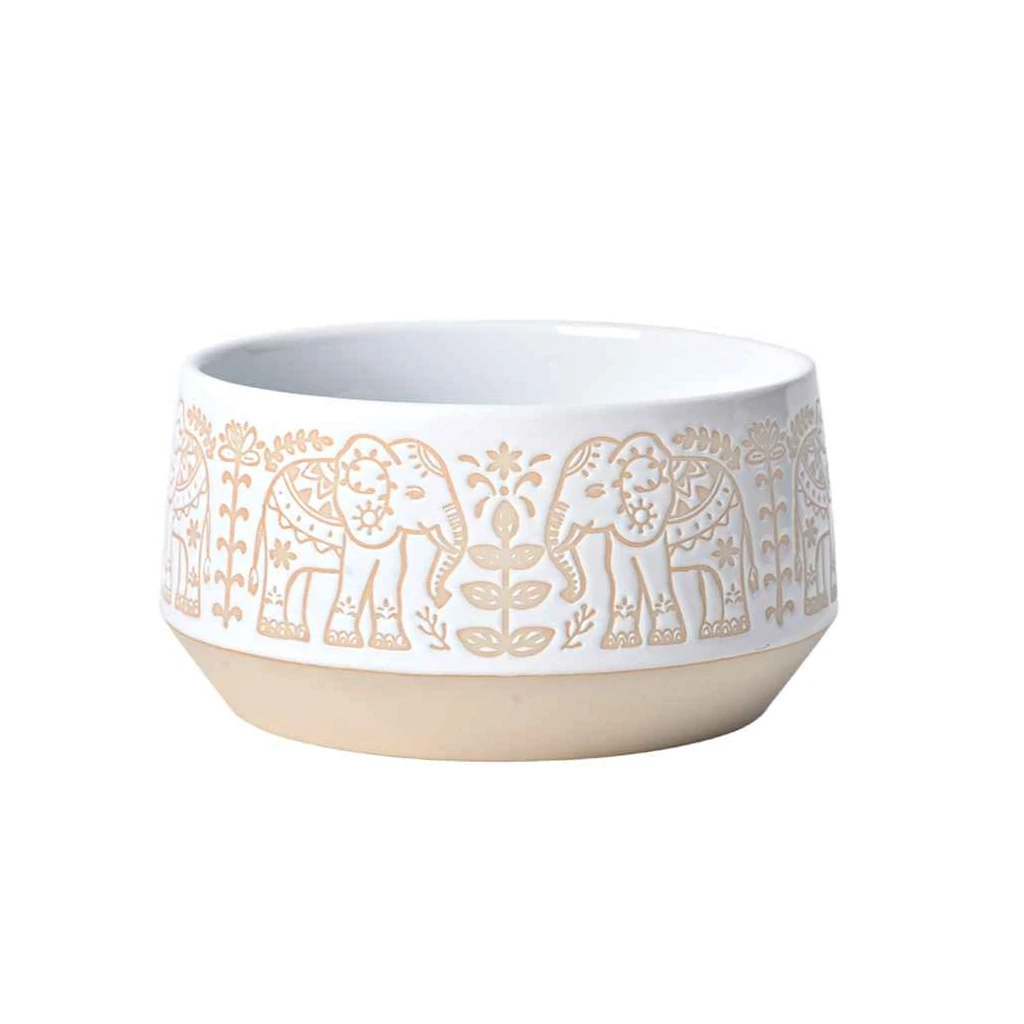
Taça de sopa de 6,5″ para venda por grosso, taça de cerâmica com motivo de elefante e base sem esmalte
-
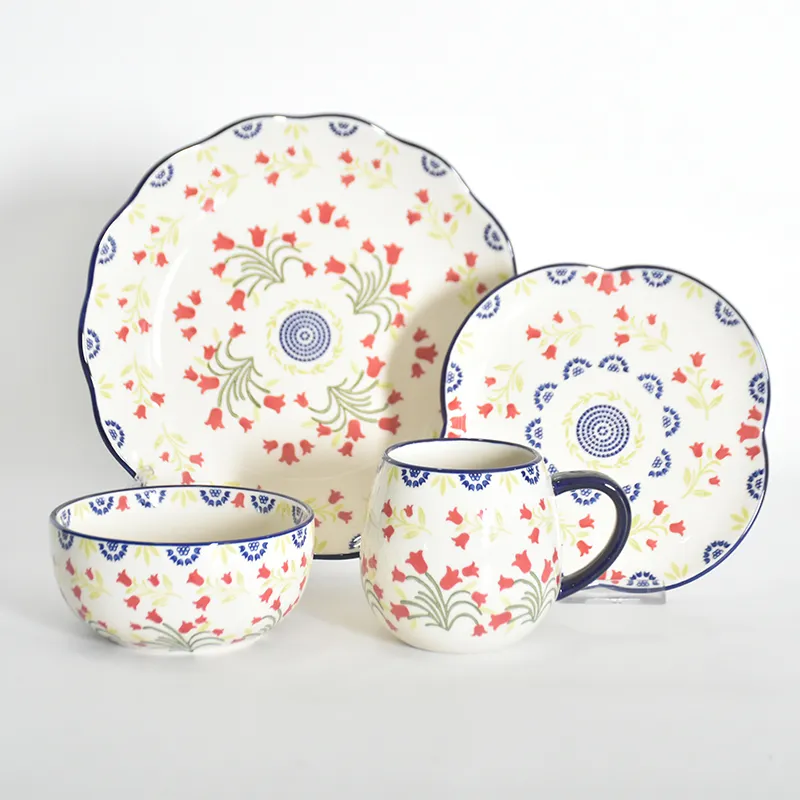
Conjuntos de loiça personalizados Bell Flower, Fornecimento de loiça em cerâmica
4. What Should Wholesale Buyers Consider When Developing Mixed Tableware Collections?
A visually attractive collection is important, but commercial suitability also matters.
When sourcing products from a dinner set manufacturer, buyers should consider several factors.
| Key Consideration | What Buyers Should Look For |
|---|---|
| Design consistency | Different products should share a coordinated color, pattern, or design direction. |
| Material selection | Product materials should suit the intended market and application. |
| Size compatibility | Plates, bowls, and serving dishes should work together in practical table settings. |
| Decoration options | Available colors, patterns, glaze effects, and logo applications should support brand positioning. |
| Gama de produtos | Individual products should be available for flexible collection development. |
| Production capability | The manufacturer should support consistent product quality across different styles and categories. |
For brands and importers, working with a ceramic dinnerware manufacturer that offers both standard products and OEM/ODM services can simplify collection development.
Instead of sourcing every product from a different supplier, buyers can explore coordinated products from one manufacturing partner, helping improve design consistency and supplier management.
Conclusion: Develop Your Own Coordinated Tableware Collection with Qunfa Ceramics
A successful mixed dinner set collection is not about making every product look identical. It is about combining different colors, materials, shapes, and finishes into a coordinated product range that reflects a brand’s identity and meets consumer preferences.
Fundada em 1993, Cerâmica Qunfa is a professional ceramic manufacturer specializing in the R&D and production of household ceramic products. With a 30,000 m² production base, over 400 employees, and a medium-temperature ceramic production system, Qunfa provides OEM/ODM manufacturing solutions for global B2B customers. Its product range covers ceramic dinnerware, bakeware, pet products, and garden planters, serving international brands including Walmart, Costco, Aldi, Disney, Crate & Barrel, and Michaels.
Whether you are developing a new dinner set collection, expanding an existing wholesale tableware range, or looking for custom ceramic products for your private label, Qunfa can support your product development and manufacturing needs. Contacto Cerâmica Qunfa to discuss your designs, product requirements, and target markets, and explore opportunities to build your next tableware collection together.