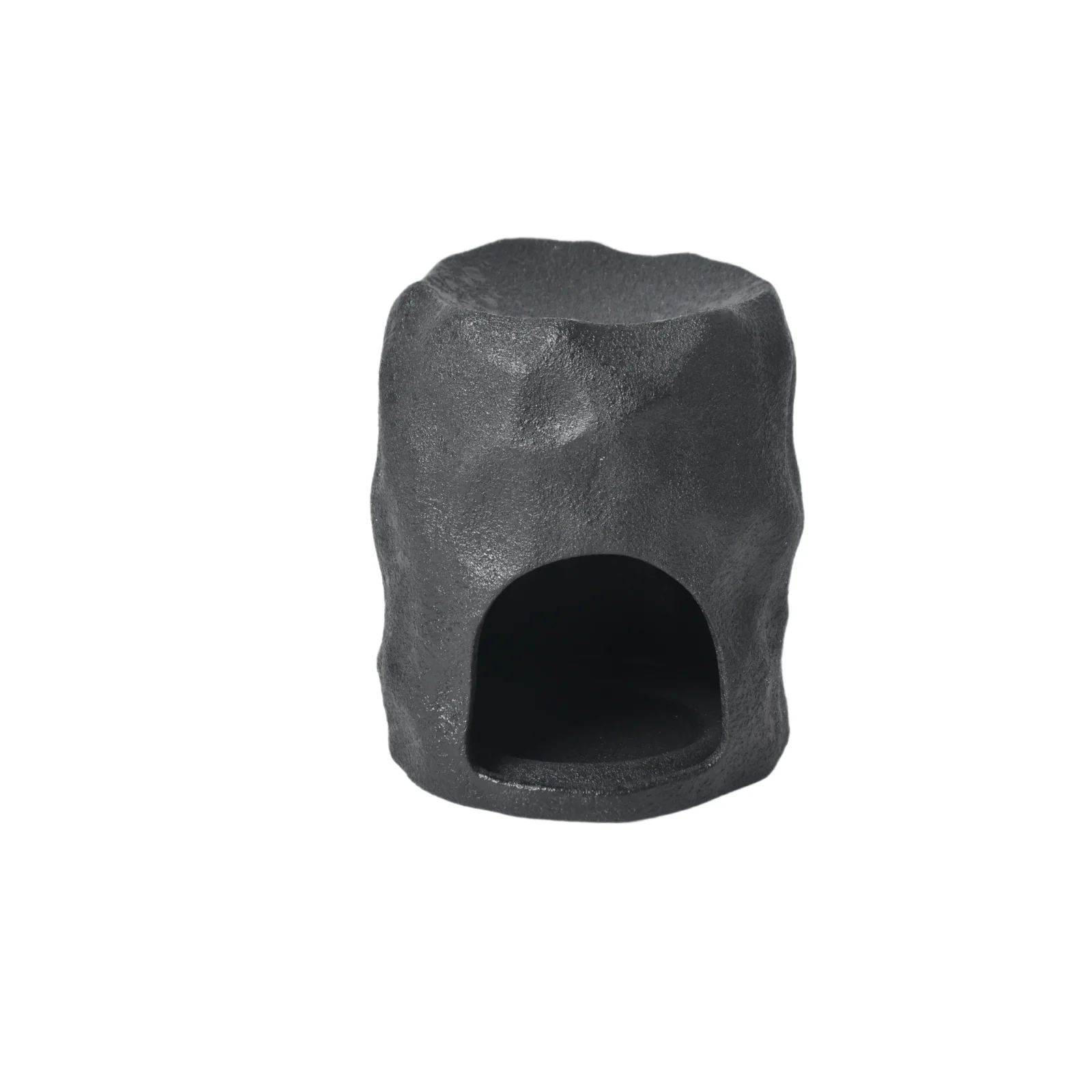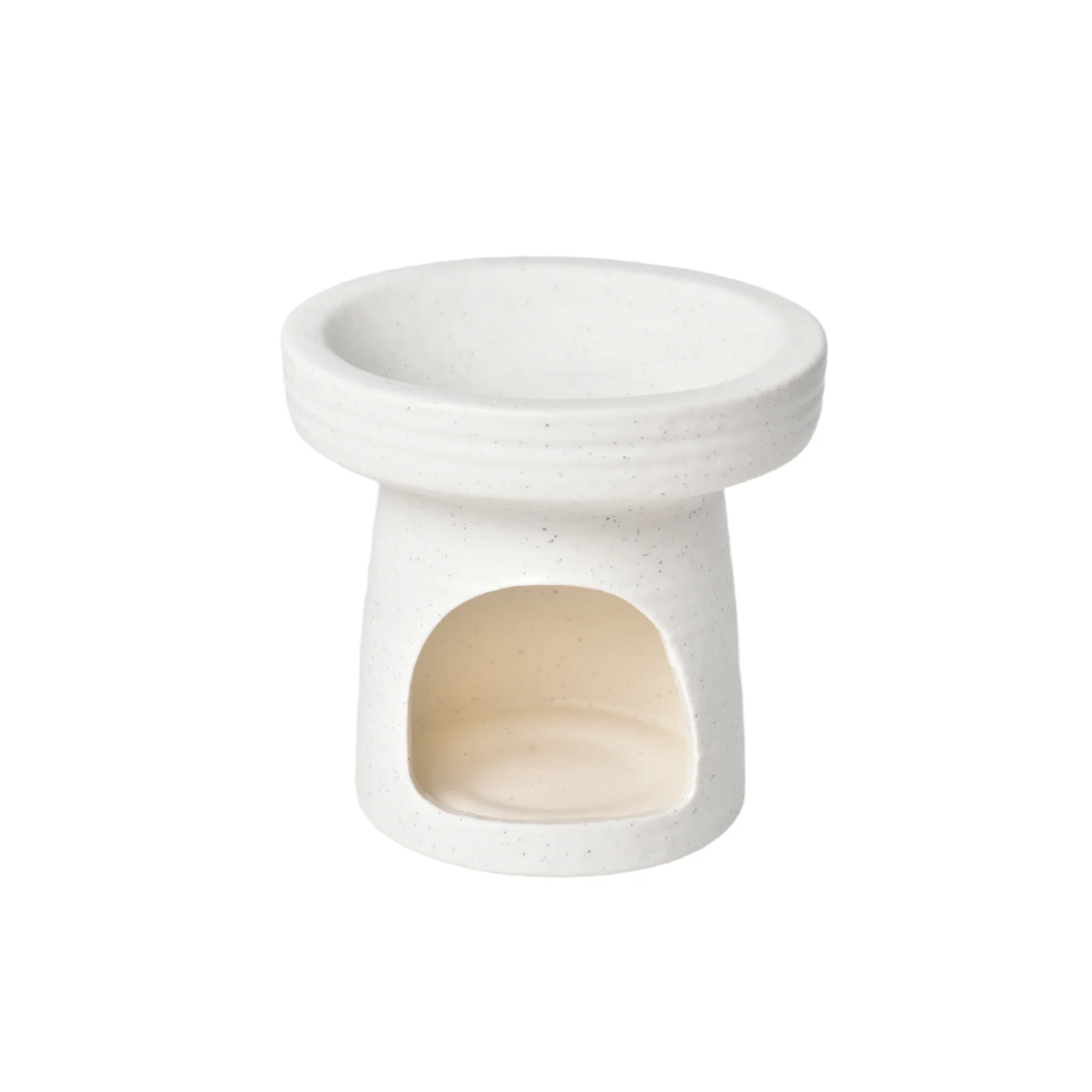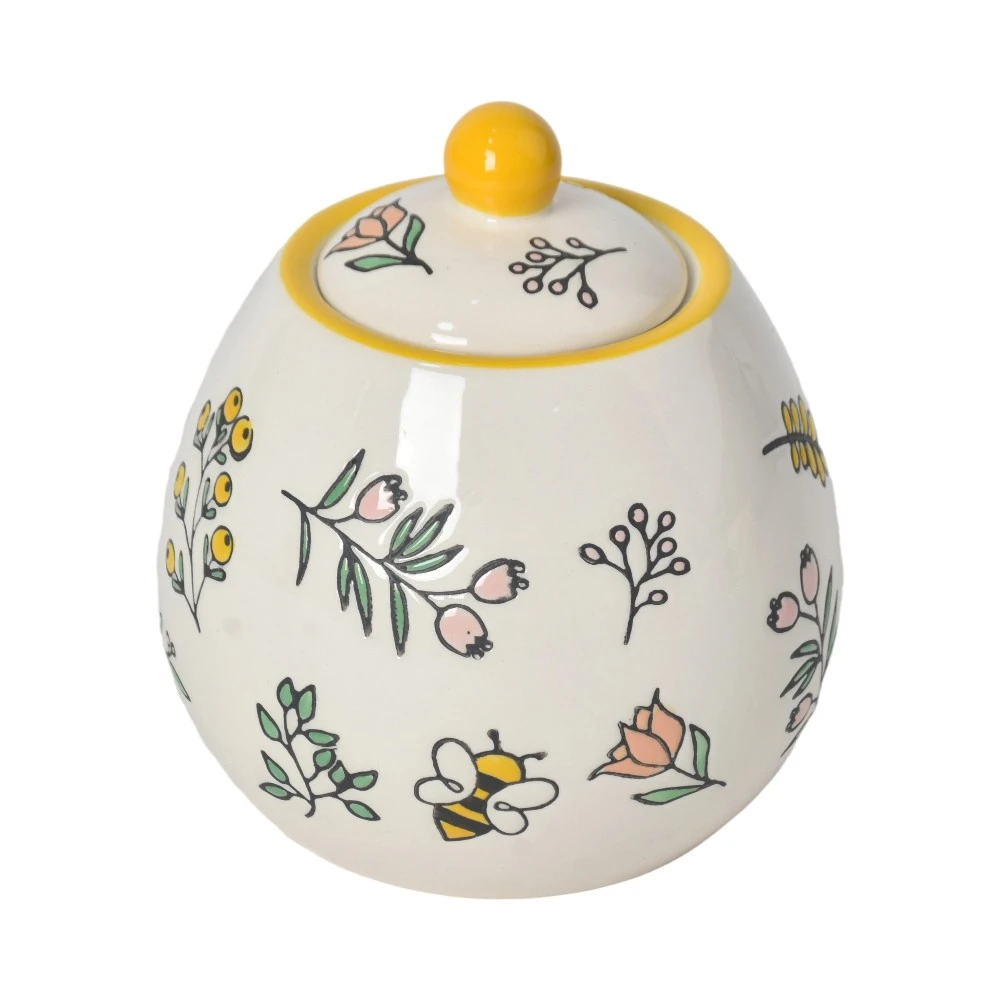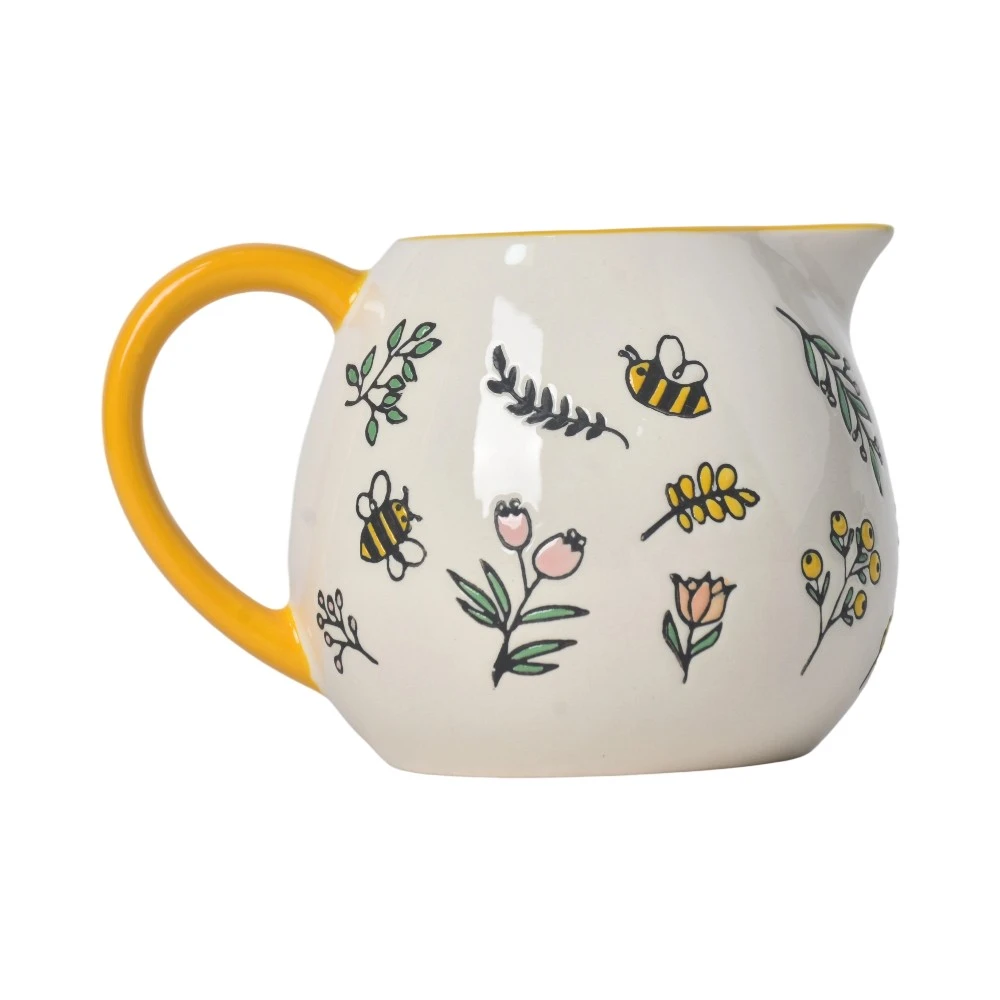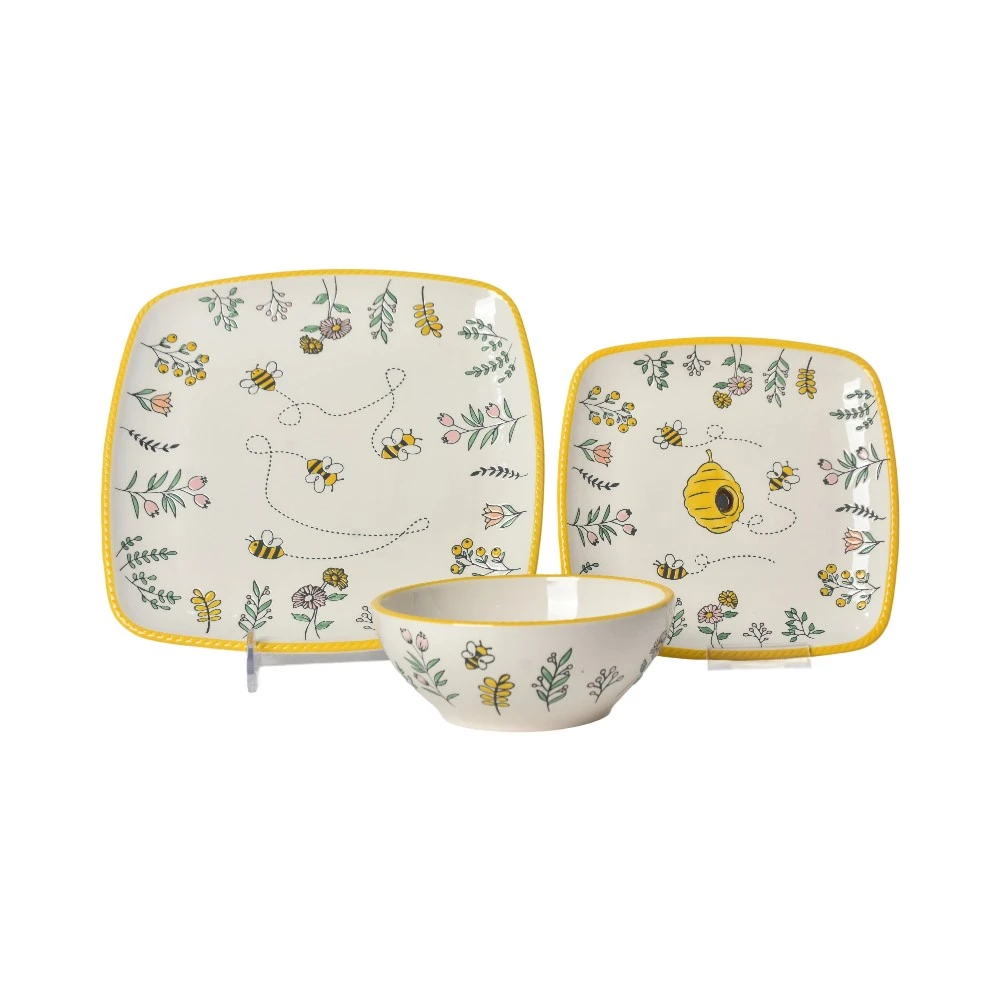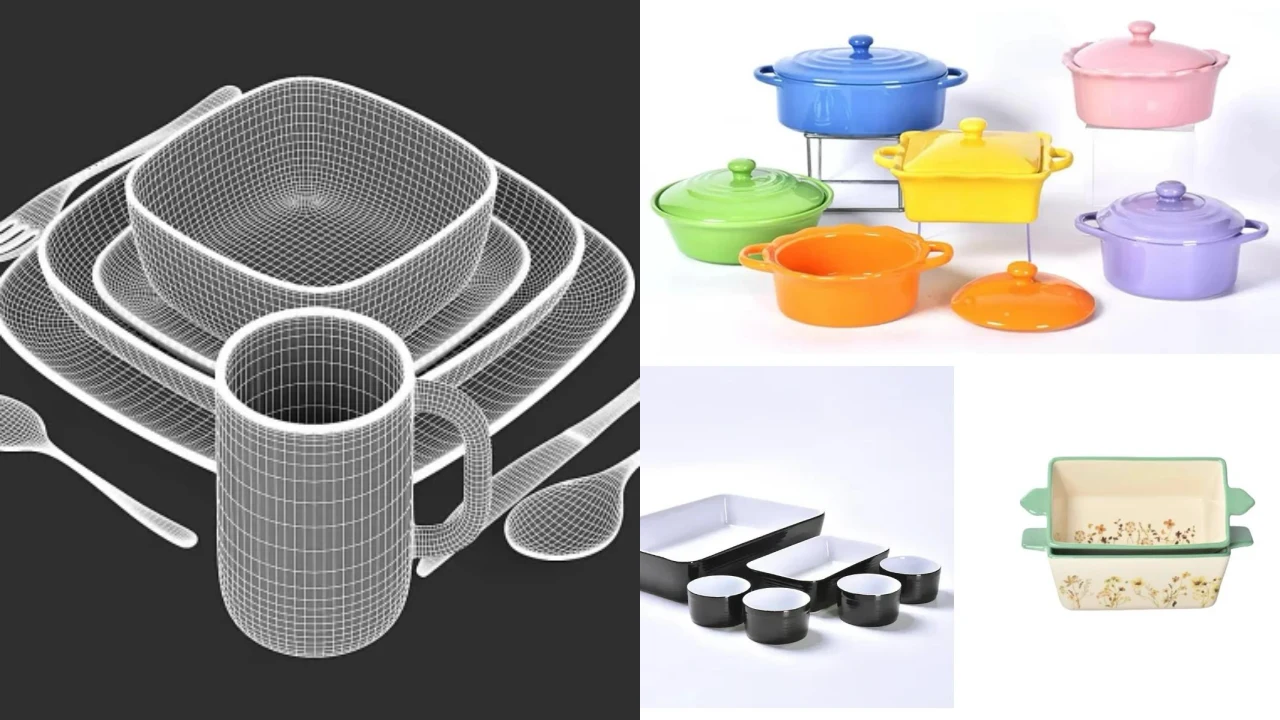
oem-vs-odm-tableware-which-solution-is-better-1

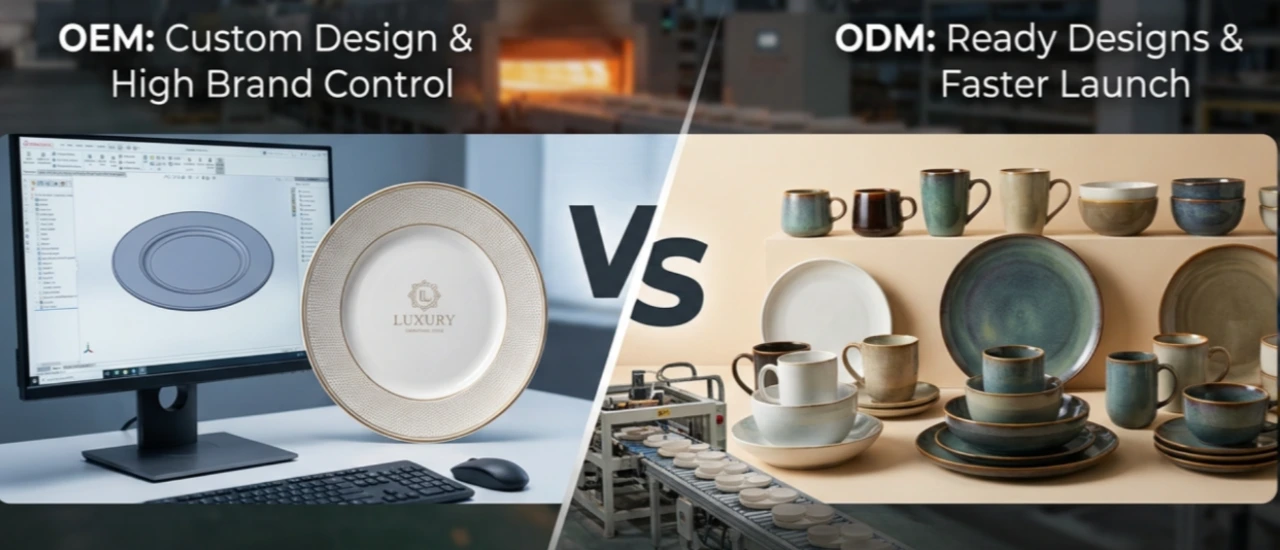
If a brand already has clear requirements regarding design, specifications, and packaging, the OEM model is better suited for maintaining product consistency and brand differentiation. Conversely, if the goal is to quickly launch established styles, the ODM model is ideal for shortening the development cycle. For tableware brands, the true criterion for choice isn’t simply “which is better,” but rather how well the options align with your needs regarding design control, development speed, minimum order quantities (MOQs), and long-term product planning.

OEM vs. ODM Tableware: What Are the Key Differences?

を選ぶ際には ceramic manufacturing solution, brand owners, foodservice brands, and retail buyers often compare OEM and ODM models.

In simple terms:

  • OEM (Original Equipment Manufacturing): The brand provides the design, dimensions, functionality, colors, patterns, or technical specifications, and the manufacturer produces the goods according to these requirements.
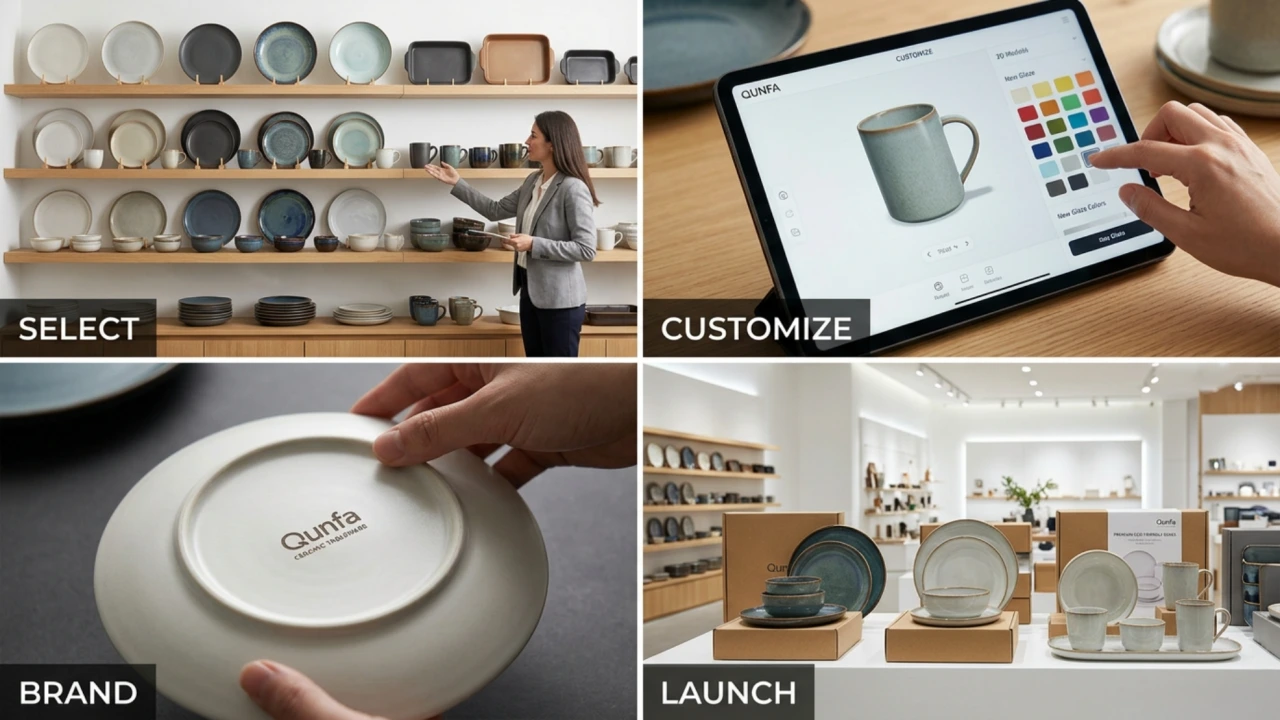
  • ODM (Original Design Manufacturing): The manufacturer possesses existing product designs, structures, or development plans; the brand can select, customize, and brand these established products.

Therefore, OEM emphasizes “manufacturing according to your specific product requirements,” whereas ODM emphasizes “leveraging the manufacturer’s existing product development capabilities for a quick market launch.”

For brands developing new products, choosing a capable OEM tableware manufacturer does not necessarily mean starting the design process from scratch; likewise, opting for ODM tableware does not mean a brand is limited to selling generic, undifferentiated products.

The most efficient procurement strategy is to select the manufacturing model that best suits the specific stage of product development.

oem-vs-odm-tableware-1

OEM Tableware Manufacturer: Ideal for Brands with a Defined Product Direction

If a brand already possesses a complete product design or aims to create a tableware collection with a distinctive identity, partnering with a professional OEM tableware manufacturer is usually the better choice.

Key Advantages of the OEM Model

1. Higher Level of Product Differentiation

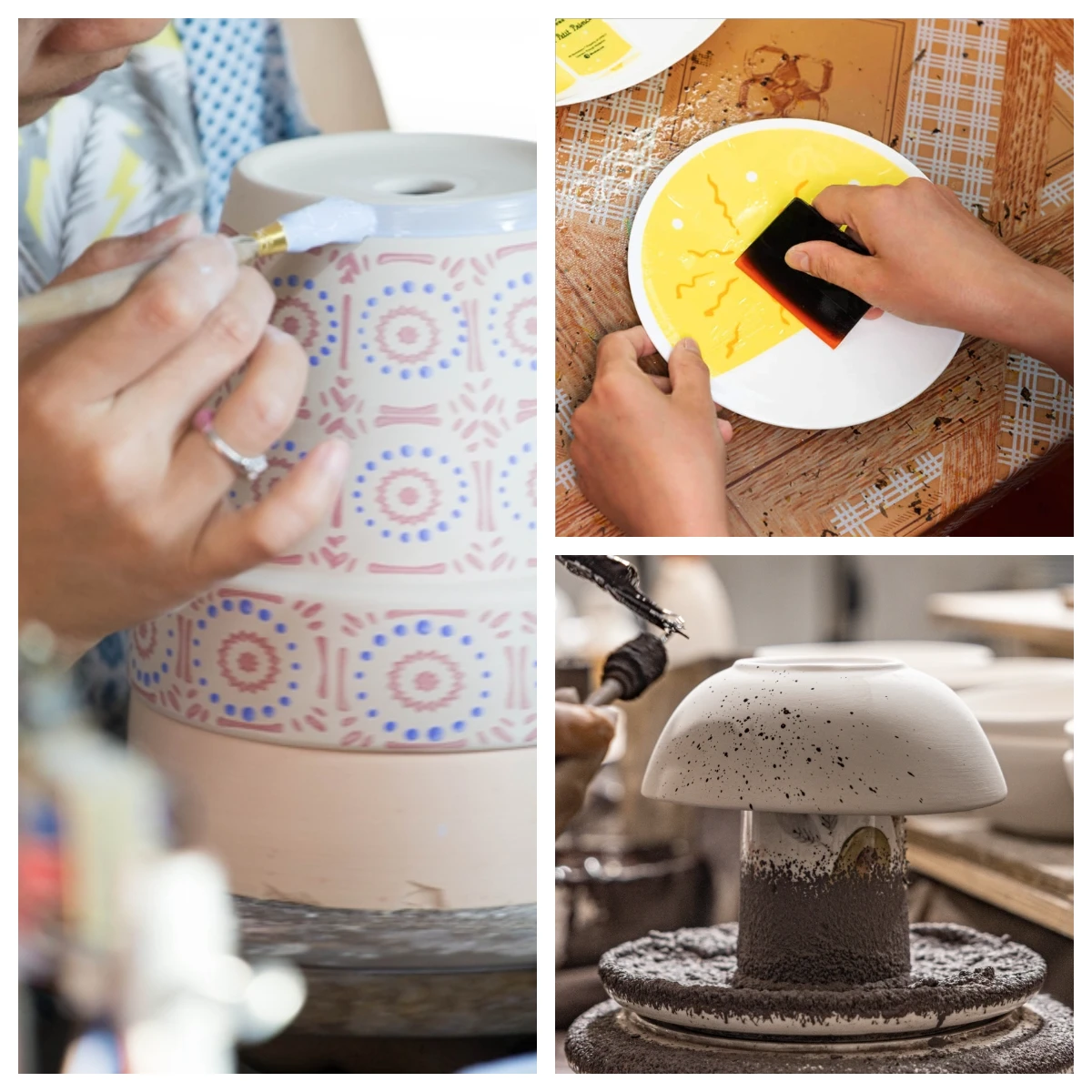
Brands can define every aspect of the product—including the shapes of plates, bowls, and cups, as well as dimensions, capacity, glaze colors, textures, and decorative schemes—based on their specific market positioning.

For example, a foodservice brand wishing to create a unique tabletop aesthetic might develop custom plate rims, surface colors, and glaze effects, rather than simply selecting standard models available on the market.

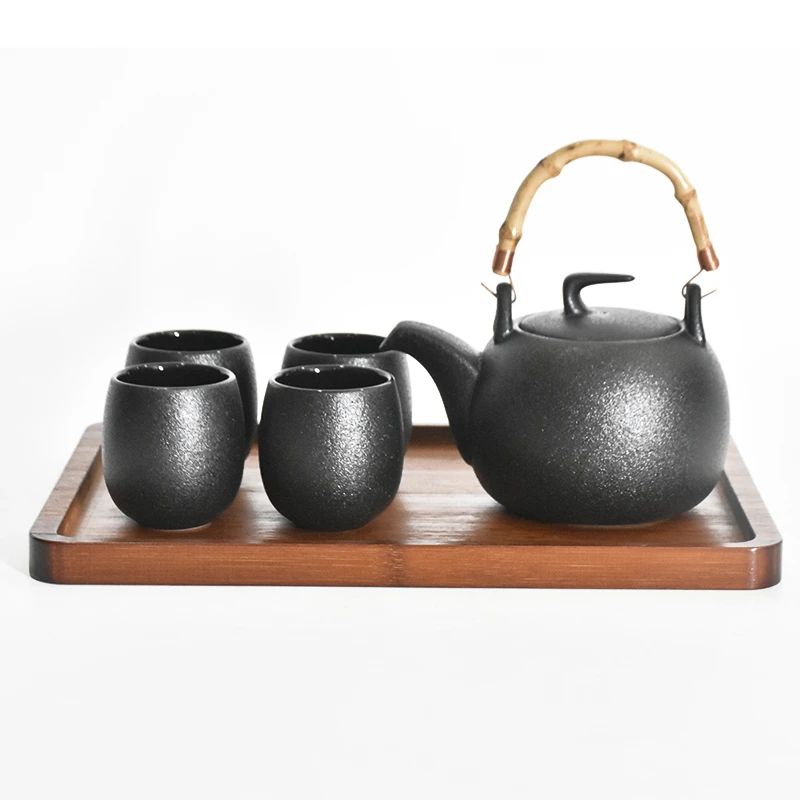
多様な職人技が光る高級卸売食器

2. Greater Brand Control Over the Product

OEM projects typically involve the confirmation of detailed product specifications, including dimensional tolerances, color standards, packaging methods, and quality requirements. This capability for standardization is crucial for brands that need to sell the same product series over the long term.

3. Better suited for building long-term product series

If a brand plans to expand its range in the future—moving from dinner plates to bowls, cups, bakeware, and more—the OEM model helps establish a unified design language, ensuring the products form a cohesive collection rather than appearing as a series of unrelated SKUs.

When should you prioritize OEM?

If you already have:

  • Product designs or blueprints;
  • Specific requirements for dimensions and capacity;
  • Brand-specific colors or patterns;
  • Clear packaging specifications;
  • A long-term product line strategy;

Then partnering with a professional OEM tableware manufacturer is usually the more valuable approach.

OEM-Tableware-Manufacturing-Process-1

ODM Tableware Manufacturer: Ideal for brands seeking a quick market launch

For brands that lack an in-house design team or wish to launch new products within a shorter timeframe, ODM tableware is often the more efficient choice.

The core value of ODM lies not merely in “buying off-the-shelf products,” but in leveraging the manufacturer’s existing R&D, structural validation, and production expertise.

Why is the ODM model suitable for new product development?

First, it shortens development time.

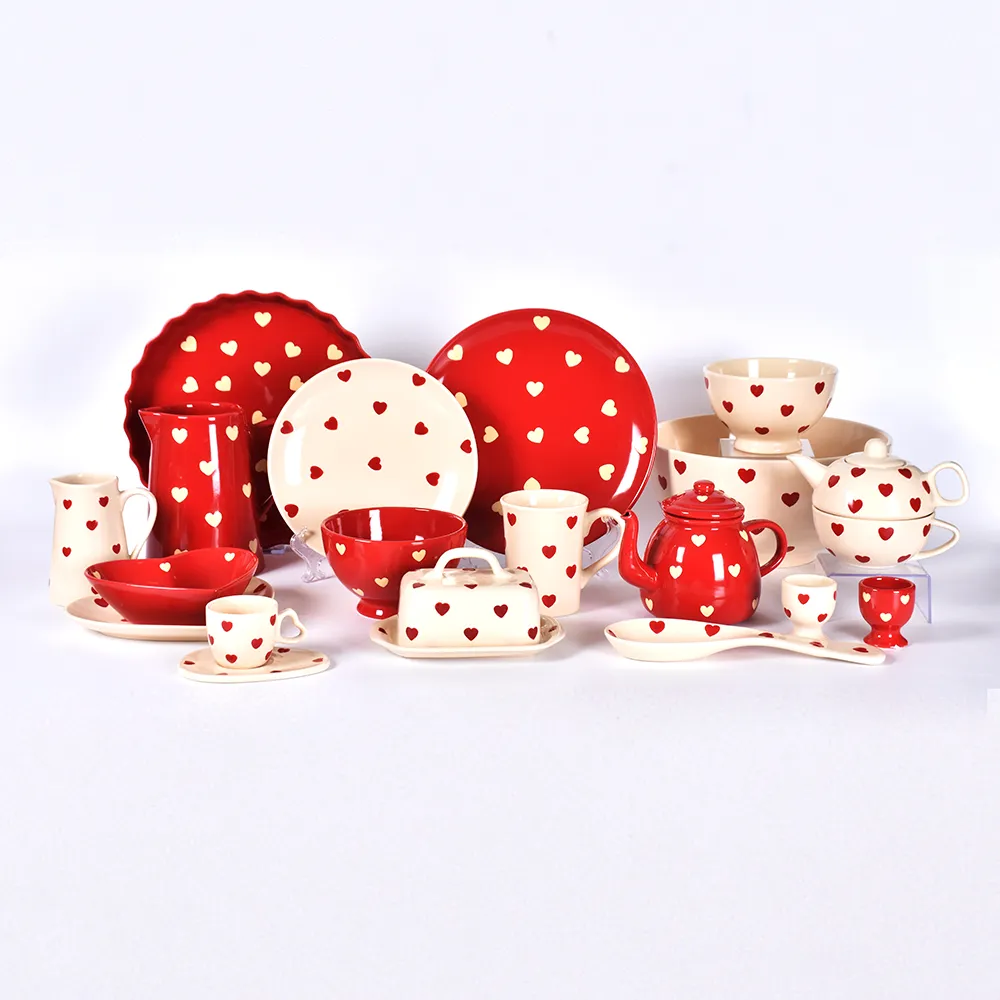
Brands do not need to define the product structure from scratch; instead, they can select suitable styles from the manufacturer’s existing catalog and then customize elements such as color, pattern, logo, and packaging.

Second, it reduces the complexity of initial development.

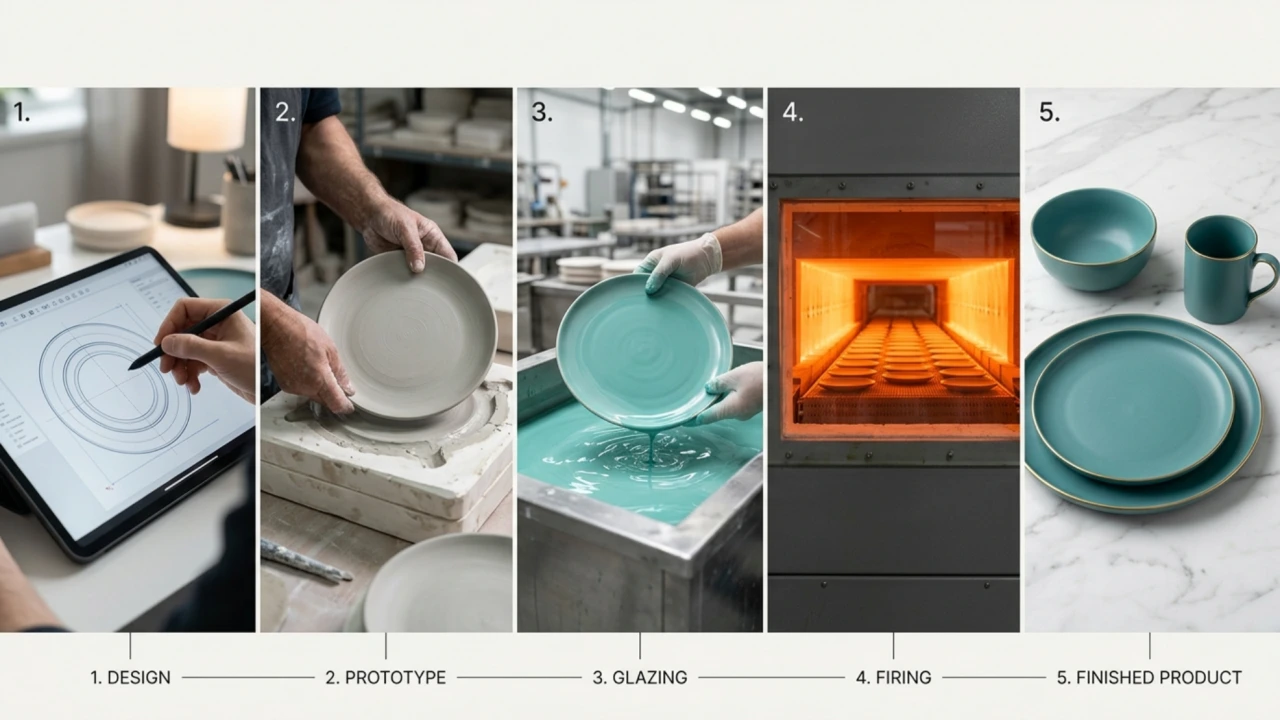
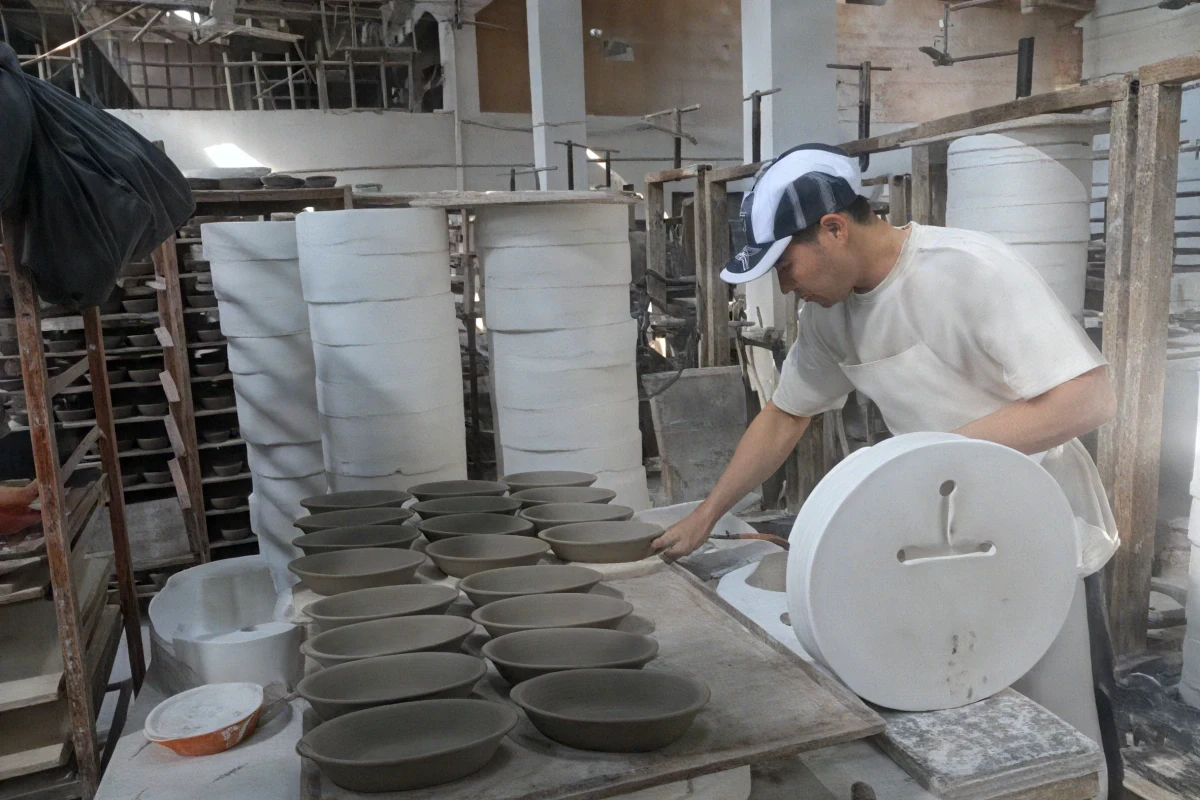
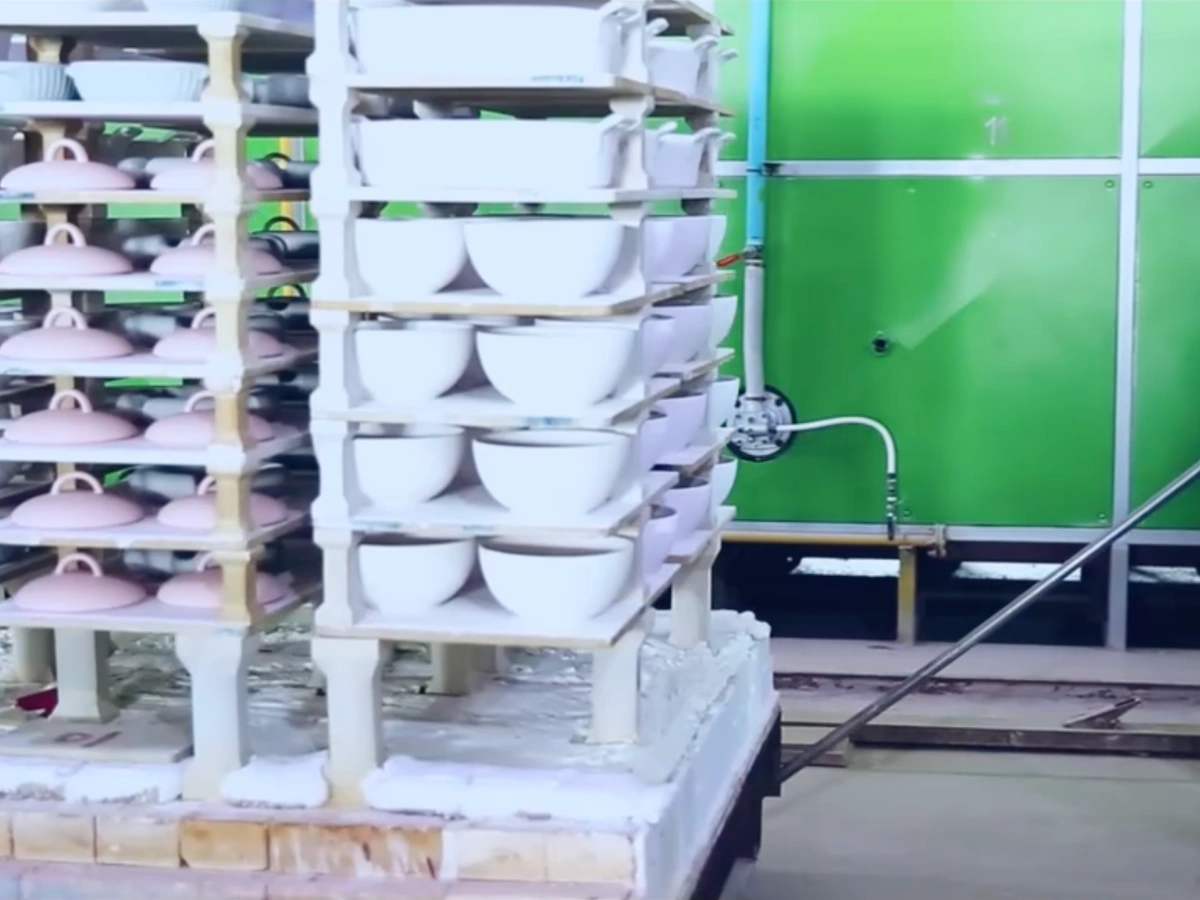
While ceramic products may appear simple, the process actually involves multiple stages—including body preparation, forming, drying, glazing, firing, and ensuring dimensional stability. Mature ODM products have already been validated by the manufacturer, which helps minimize the costs associated with trial and error.

Third, it is better suited for rapid market testing.

If a retailer or a new restaurant brand wants to gauge market reaction to a specific type of tableware, adapting an existing, mature product offers greater flexibility than developing one entirely from scratch.

ODM-Tableware-Selection-2

OEM vs. ODM Tableware: How should a brand choose?

ComparisonOEMODM
Design SourceMainly provided by the brandMainly provided by the manufacturer
Development SpeedRelatively slowerUsually faster
Product DifferentiationHighMedium to high
Upfront Development WorkMoreLess
Brand ControlHighMedium
Initial Market Testing CostRelatively higherRelatively lower
Best ForEstablished brands and long-term product linesNew brands and fast product launches
Ideal ApplicationExclusive product developmentFast launch of proven designs

However, procurement decisions shouldn’t hinge solely on the choice between OEM and ODM.

A frequently overlooked factor is: What stage is the product currently in?

If a brand is still testing the market, diving straight into full OEM development can inflate upfront costs and extend timelines. Conversely, if a mature, best-selling SKU relies indefinitely on a highly standardized ODM solution, it may limit the brand’s ability to differentiate itself.

Therefore, we recommend a “phased development” approach.


A More Practical Strategy: Test with ODM, Upgrade to OEM

For many B2B brands, OEM and ODM are not mutually exclusive choices.

A more practical product development pathway looks like this:

Phase 1: Market testing via ODM → Phase 2: Light customization → Phase 3: Exclusive OEM development.

For instance, a retail brand looking to launch a new line of ceramic tableware could start by selecting established plate and bowl designs via ODM tableware services, then adjusting elements like color, glaze, logo placement, and packaging.

If sales data confirms the line has long-term market potential, the brand can then proceed to develop exclusive sizes, shapes, or decorative patterns.

This approach strikes a balance between speed to market and brand differentiation.

Why Qunfa’s Mid-Temperature Ceramics Are Worth Your Attention

For household tableware and bakeware, the ceramic production system employed by the manufacturer significantly impacts product development.

群発陶磁器 utilizes a mid-temperature ceramic production system and has long specialized in the R&D and manufacturing of household ceramic products. For brands, this means that selecting an OEM or ODM solution involves more than just picking an aesthetic design; it allows for an evaluation based on actual manufacturing capabilities—specifically regarding manufacturability, potential for product line expansion, and long-term supply reliability.

This is a frequently overlooked factor when selecting an OEM tableware manufacturer: What truly matters is not merely whether the product can be made, but whether it can be produced consistently and sustainably while supporting future product line expansion.

群発セラミックスの品質管理基準を発表-2

What should you ask beyond price when sourcing OEM or ODM tableware?

Relying solely on unit price can easily lead to flawed purchasing decisions.

B2B buyers should prioritize clarifying the following points:

1. Who owns the product design?

Especially with OEM projects, it is crucial to clarify—in advance—the ownership and usage rights regarding design files, molds, and the results of custom development.

2. Is prototyping supported?

Before placing a formal order, confirm the details regarding sample production, the number of allowed revisions, and the criteria for final approval.

3. What is the MOQ?

MOQs (Minimum Order Quantities) can vary based on the product, decoration technique, and level of customization. Do not judge a project’s suitability based solely on a supplier’s “absolute minimum” MOQ.

4. How is batch consistency controlled?

Ceramic production involves multiple stages—such as raw material preparation, forming, glazing, and firing—making batch-to-batch stability vital for long-term sales.

5. To what extent can ODM products be customized?

高品質 ODM ceramic tableware solutions should offer more than just “picking an off-the-shelf style”; you should confirm the scope for customization regarding color, logos, packaging, and decorative patterns.

6. Is there long-term OEM capability?

If an ODM product becomes a bestseller for your brand, the supplier’s ability to provide ongoing OEM development and support product line expansion will directly impact the future stability of your supply chain.


Choose Qunfa Ceramics for Your Next Tableware Project

群発陶磁器 combines 30,000㎡ of production capacity, 400+ employees, medium-temperature ceramic manufacturing, and proven OEM/ODM expertise to support brands from product selection to custom development. Our tableware and bakeware have been supplied to international brands including Walmart, Costco, Aldi, Disney, C&B, and Michaels.

Whether you are developing a new brand collection, sourcing tableware for a foodservice business, or expanding a retail ceramic line, Qunfa can help you choose between ODM and OEM based on your product goals, market, and expected volume. Share your requirements with our team to explore the right manufacturing solution for your next ceramic project.

信頼できる家庭用陶磁器メーカーのパートナー

見積もりを取得する

当社製品にご関心をお寄せいただき、誠にありがとうございます。下記情報をご記入ください。担当チームより、詳細な見積もりをお送りいたします。お早めにご連絡いたします。.

よくある質問

メッセージを送信する

見積もりを取得する

当社製品にご関心をお寄せいただき、誠にありがとうございます。下記情報をご記入ください。担当チームより、詳細な見積もりをお送りいたします。お早めにご連絡いたします。.

よくある質問

メッセージを送信する

関心のある人を検索する