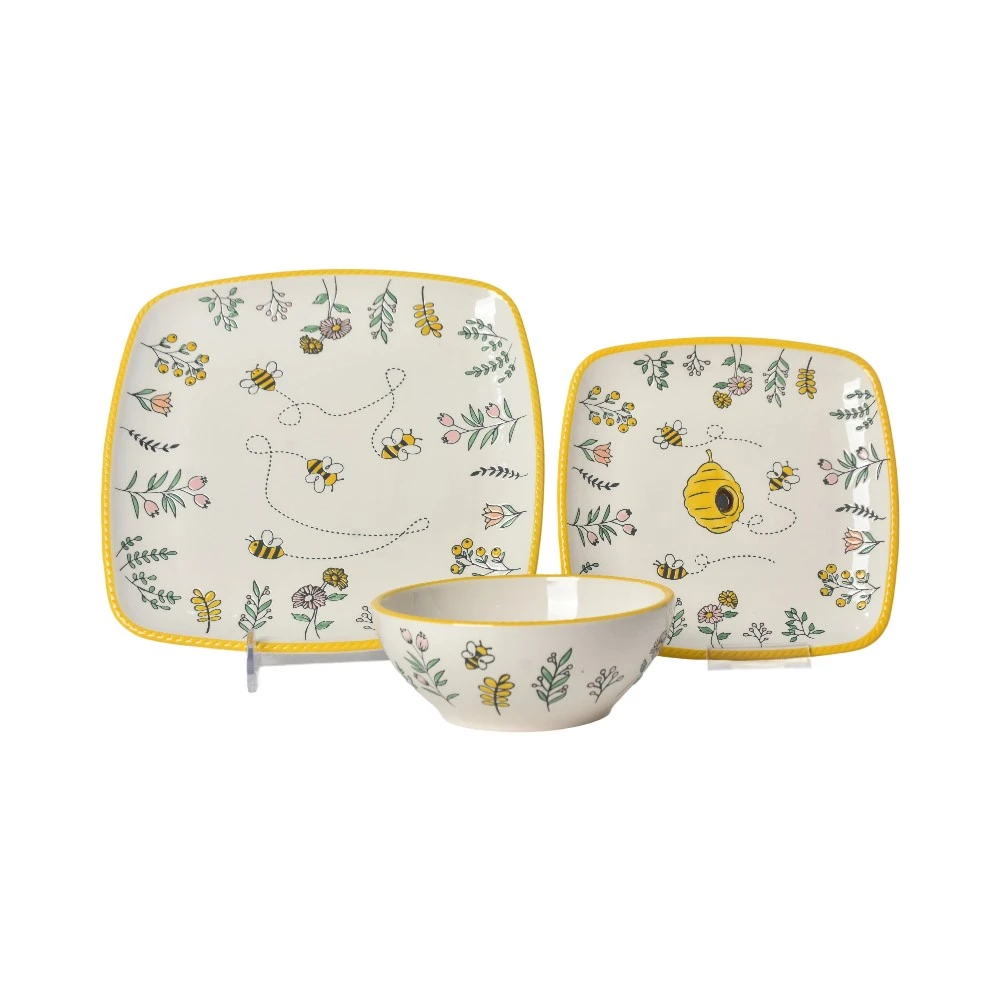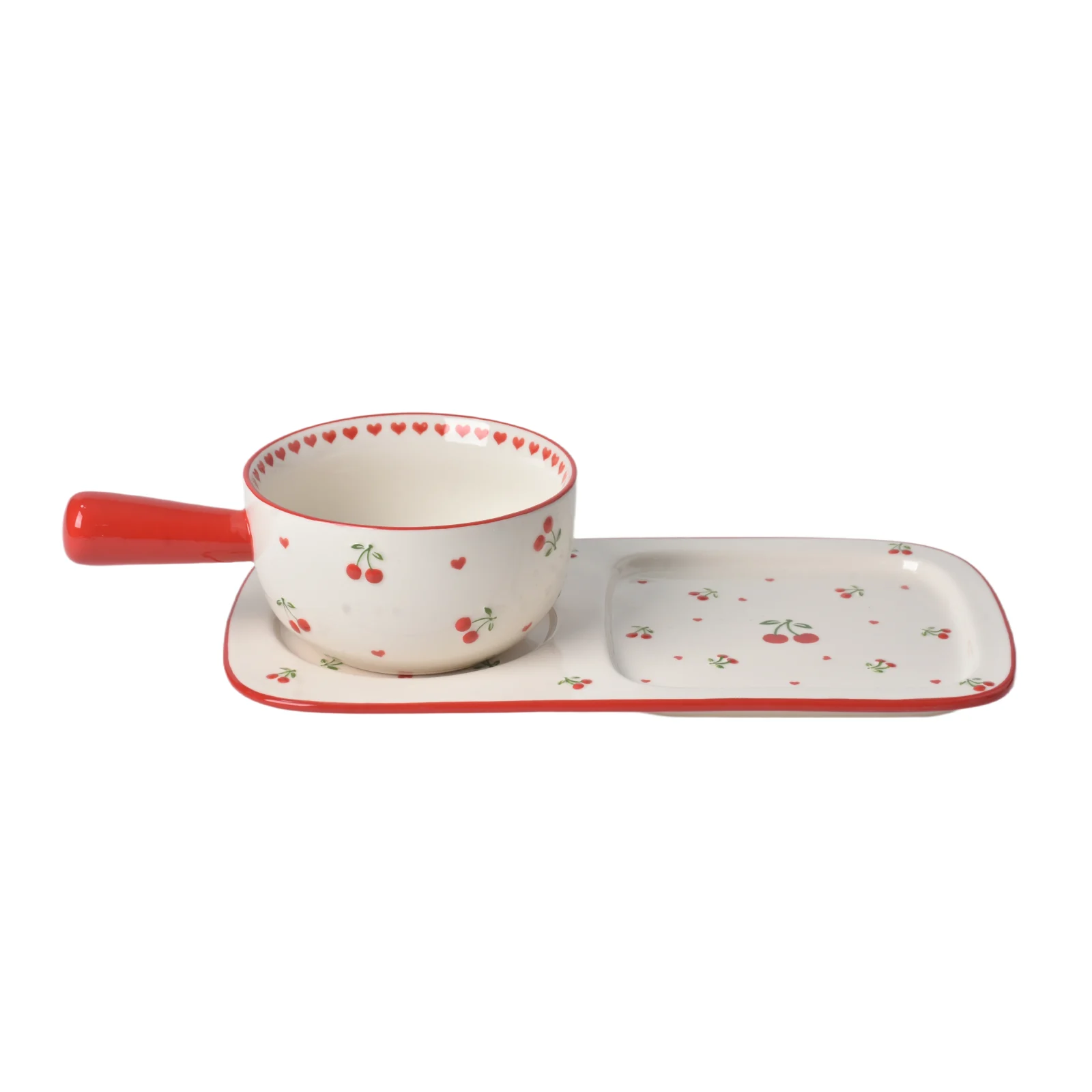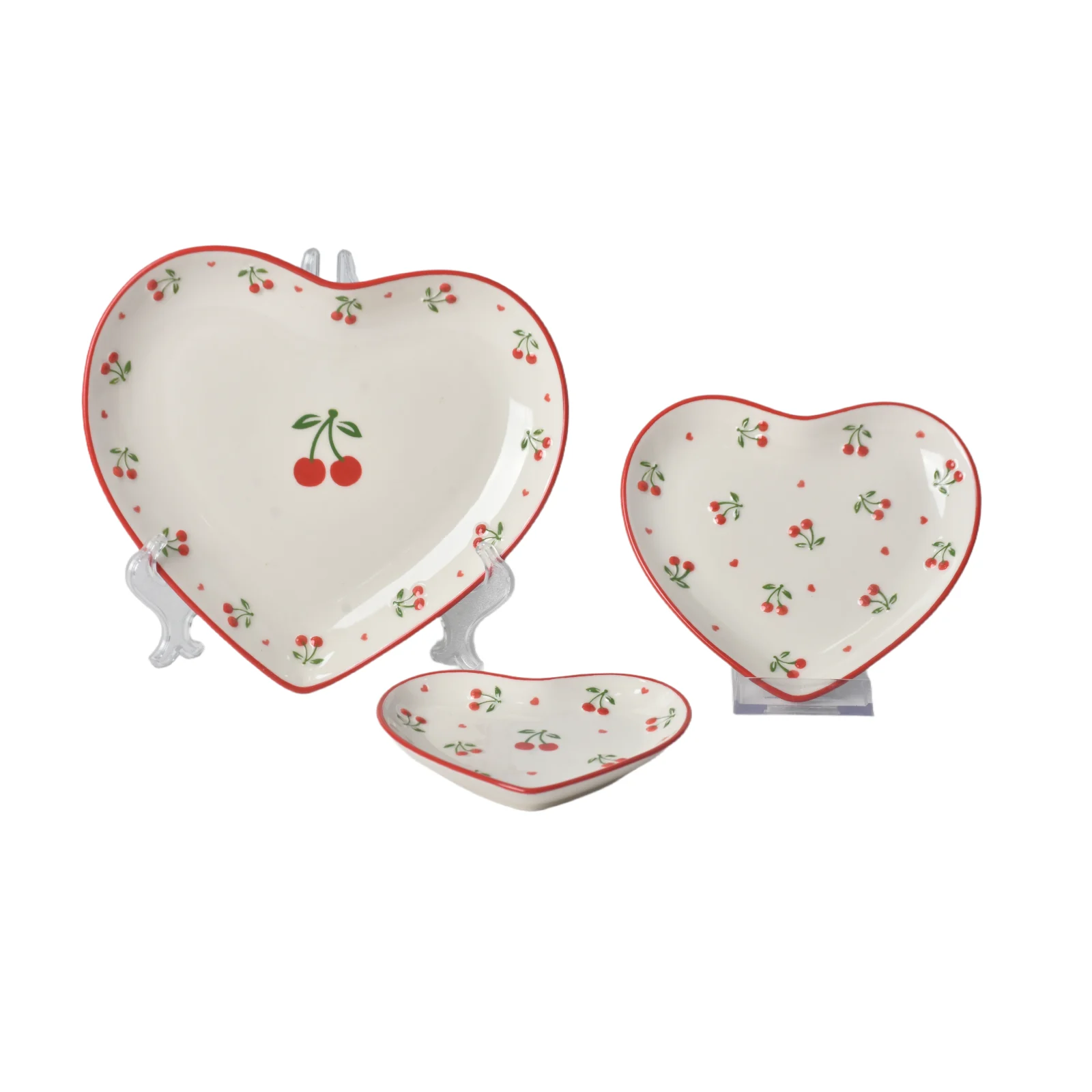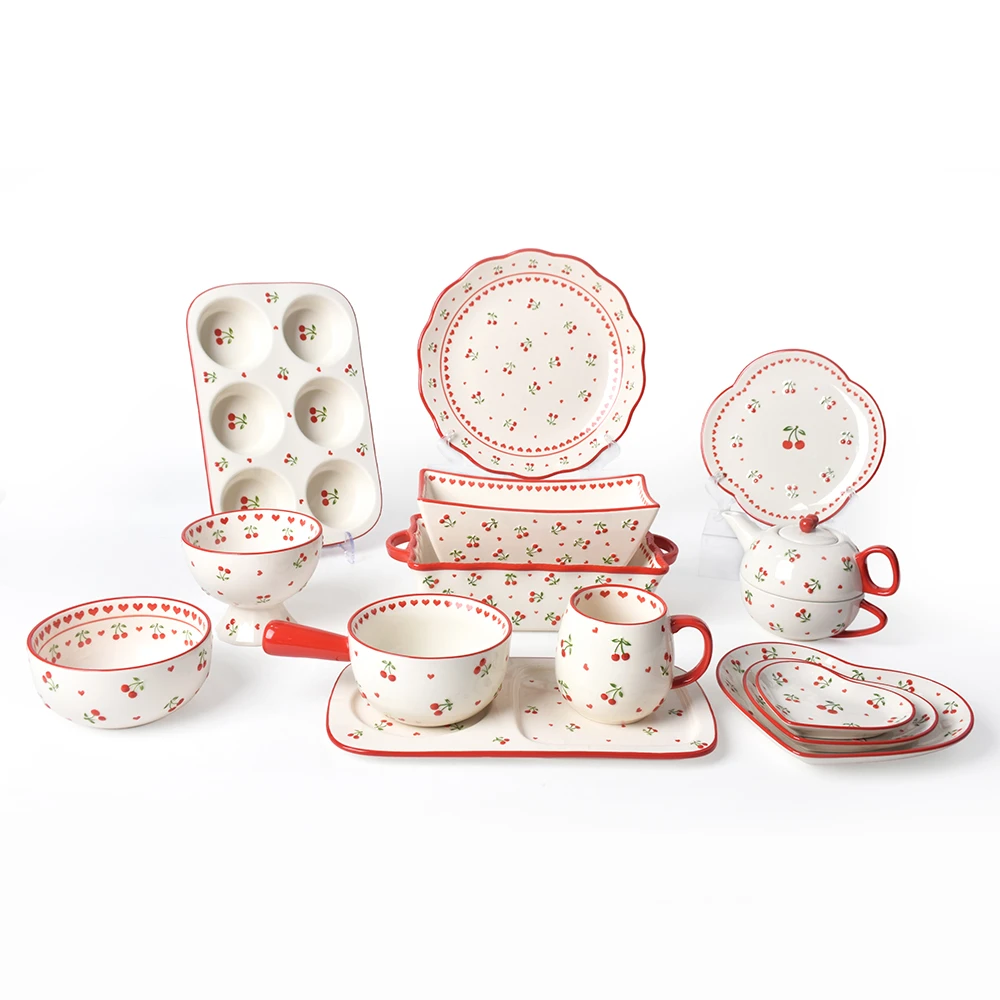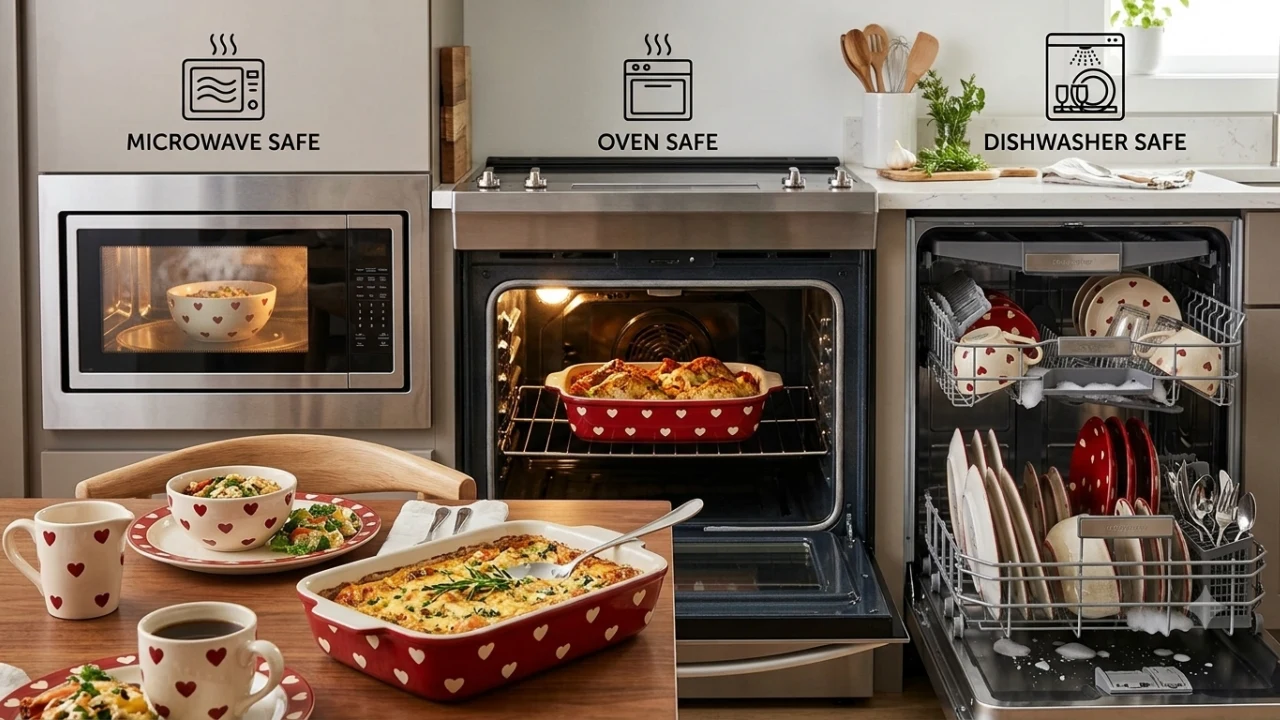
Most high-quality ceramic tableware is safe for use in microwaves, ovens, and dishwashers, provided the products have been properly fired, glazed, and safety-tested. Factors such as the specific ceramic material, temperature fluctuations, and usage environment can affect heat resistance and durability.
Can Ceramic Tableware Be Used in the Microwave, Oven, or Dishwasher?
For foodservice brands, retailers, and wholesale buyers, selecting the right Keramikgeschirr requires looking beyond aesthetics to consider performance in real-world usage scenarios. Since consumers use ceramic plates, bowls, and baking dishes daily, the question of whether these items are microwave, oven, or dishwasher safe has become a top priority for both buyers and end-users.
In short, ceramic tableware manufactured to standard specifications is generally suitable for microwaves and dishwashers, and some products are also oven-safe. However, specific performance depends on the ceramic material, firing temperature, glazing technique, and quality control during production.
As a professional ceramics manufacturer, Qunfa Keramik has long been dedicated to developing products for the home, foodservice, and retail markets. Through stable production processes, we help global clients create household ceramic products that combine beauty with practicality.
Microwave Safety: Can Ceramic Tableware Go Into a Microwave?
Microwave heating works by using electromagnetic waves to agitate water molecules in food, generating heat; the ceramic material itself typically does not absorb microwaves. Consequently, most high-quality ceramic tableware is safe for microwave use.
However, buyers should pay attention to the following key factors:
1. Avoid Metallic Decorations on Ceramic Tableware
To enhance their decorative appeal, some ceramic tableware items feature gold or silver rims or metallic pigments. Such products can spark in a microwave environment and are therefore unsuitable for microwave heating.
For export markets, it is important to clarify the intended use when purchasing in bulk. If the target market focuses on everyday household tableware, choosing designs without metallic decorations is recommended to better meet the needs of a broad consumer base.
2. Stable Glaze Quality Matters
The glaze layer on a ceramic surface affects not only the appearance but also the product’s stability during long-term use.
Hochwertig Keramikgeschirr should feature:
- Uniform glaze coverage;
- Good thermal shock resistance;
- Stable chemical properties;
- Compliance with food contact safety standards.
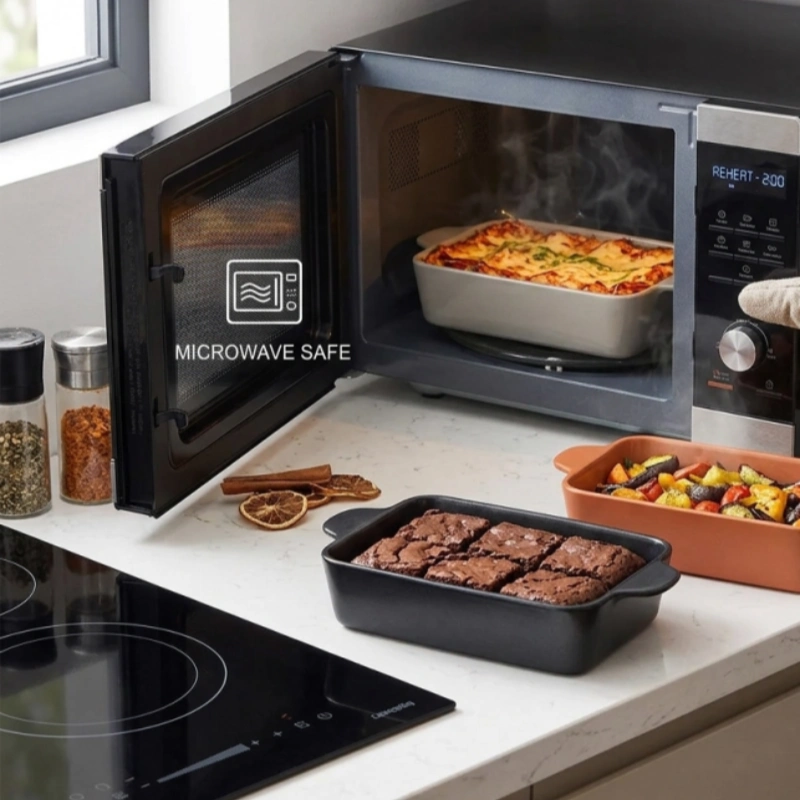
Qunfa Keramik employs mature mid-temperature ceramic production technology. By strictly controlling raw material ratios, forming, glazing, and firing processes, we ensure our products are suitable for daily household use.
Oven Safety: Can Ceramic Tableware Be Used for Baking?
Many buyers ask:
“Can ceramic tableware be placed directly into an oven?”
Die Antwort lautet: Some can, but not all ceramic products are suitable for high-temperature baking.
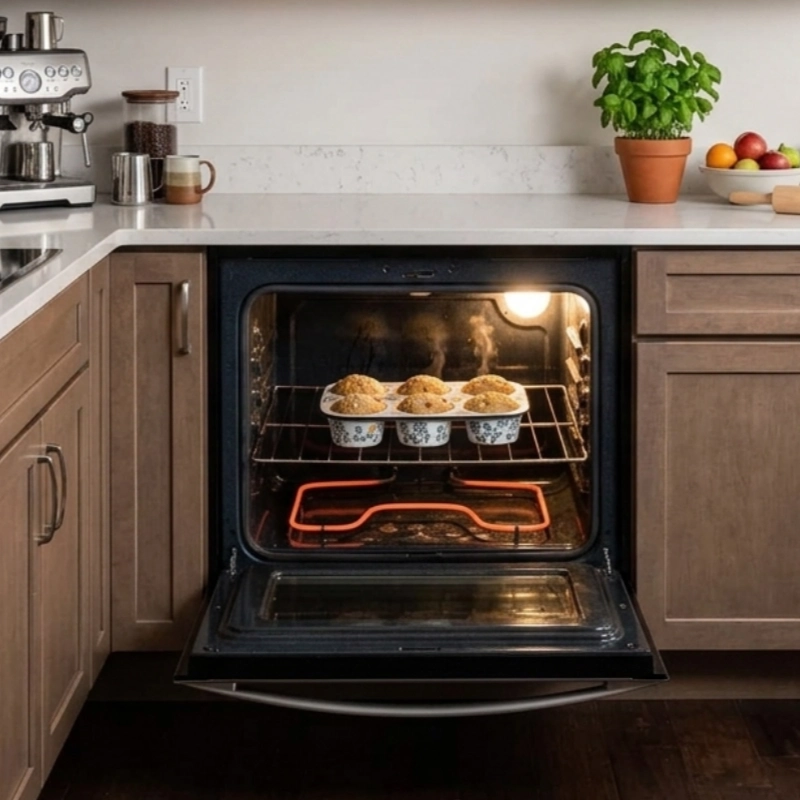
Standard dinner plates are primarily designed for serving food, whereas products like ceramic baking dishes and gratin dishes require superior heat resistance.
Oven-Safe Ceramic Tableware Requires Thermal Shock Resistance
When placed in an oven, ceramic products undergo rapid heating; upon removal, they may come into contact with cold air or cold countertops. If the ceramic’s internal structure has defects, cracks can easily form.
Key factors affecting oven safety include:
1. Clay Body Structure
The ceramic body determines the product’s internal density and thermal conductivity.
Qunfa utilizes mid-temperature ceramic technology and optimizes clay formulations to ensure products maintain an attractive finish while delivering the stability needed for everyday kitchen environments.
2. Production Process Control
For large-scale orders, product consistency is more critical than the performance of a single sample.
A professional ceramics manufacturer typically controls:
- Raw material inspection;
- Dimensional tolerances during forming;
- Firing temperature profiles;
- Glaze quality;
- Random sampling of finished products.
These production details directly impact the user experience when products enter markets in different countries.
Dishwasher Safety: Is Ceramic Tableware Dishwasher Safe?
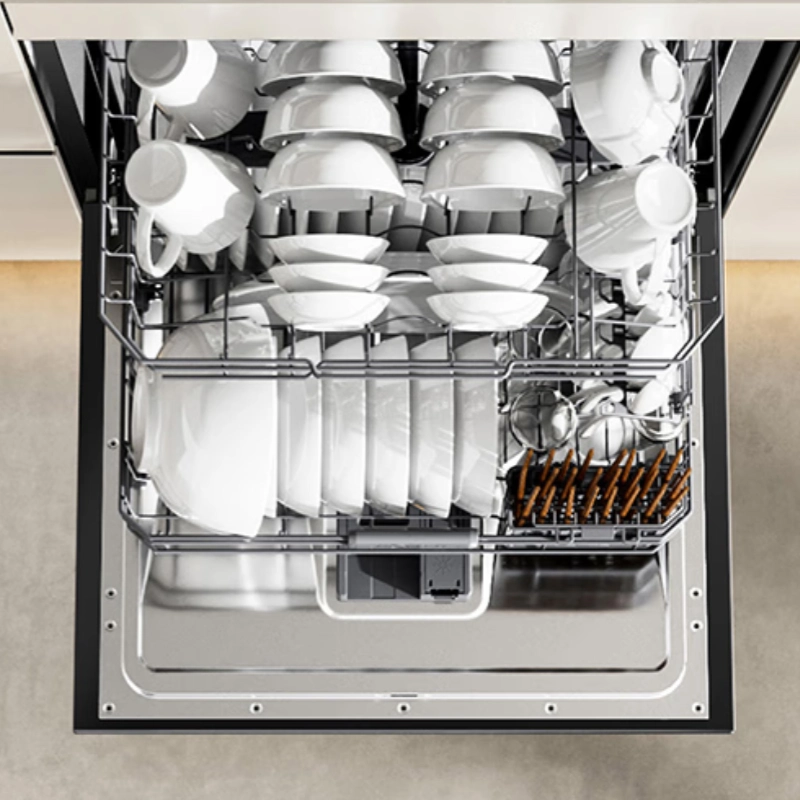
Dishwashers have become essential appliances in Western households and the foodservice industry; consequently, dishwasher compatibility is a key criterion for buyers selecting Keramikgeschirr. Generally, high-quality ceramic tableware is dishwasher-safe.
However, to extend the product’s lifespan, the following factors should be considered:
1. Glaze Durability
During the dishwasher cleaning process, water pressure, detergents, and high temperatures all act upon the ceramic surface over time.
A stable glaze finish helps to:
- Minimize color fading;
- Prevent surface roughening;
- Maintain the product’s aesthetic appeal over the long term.
2. Decoration Method
Durability varies depending on the decoration technique used:
| Decoration Method | Dishwasher Suitability |
|---|---|
| Solid-colored glaze | Hoch |
| Unterglasur | Hoch |
| In-glaze | Hoch |
| Aufglasur | Subject to testing |
| Gold/Silver rim decoration | Generally not recommended |
Therefore, supermarkets, foodservice suppliers, and brand clients should determine the intended usage scenario during the product development stage.
How Qunfa Ensures Ceramic Tableware Quality for Global Markets
As a ceramics manufacturer serving the international market for years, Qunfa Keramik believes that product safety stems not only from final inspections but from the entire manufacturing process.
Our production strengths include:
1. Professional Ceramic Manufacturing Experience
Established in 1993, Qunfa Ceramics possesses over 30 years of experience in the R&D and production of household ceramics.
Currently, the company operates:
- A 30,000-square-meter modern production facility;
- A workforce of over 400 professional employees;
- A comprehensive ceramic production process;
- OEM/ODM product development capabilities.
Our extensive manufacturing experience enables Qunfa to meet the diverse needs of different markets regarding product design, functionality, and quality standards.
2. OEM/ODM Development Capability
There are significant differences in the demand for ceramic tableware across various markets.
Zum Beispiel:
- The European market prioritizes minimalist designs and eco-friendly concepts;
- The North American market focuses on convenience for home kitchen use;
- Foodservice clients prioritize durability and the capacity for bulk supply.
Qunfa can provide the following services based on client requirements:
- Product design and development;
- Mold making;
- Color customization;
- Packaging solutions;
- Mass production support.
3. Experience Supplying International Brands
Qunfa Ceramics has become a supplier for numerous international brands, including:
- Walmart;
- Costco;
- Aldi;
- Disney;
- C&B;
- Michaels.
Our extensive experience serving international clients ensures we are well-versed in the specific requirements regarding product safety, packaging, and quality control for ceramic products across different markets.
FAQ About Ceramic Tableware: Microwave, Oven, and Dishwasher Use
Q1: Can all ceramic tableware be used in a microwave?
Not all ceramic tableware is suitable for microwave use. Ceramic products that are free of metallic decorations, structurally stable, and have passed relevant safety tests are generally safe to use.
Q2: Is ceramic tableware better than glass for oven baking?
Both ceramics and glass have their own advantages. Ceramics offer superior heat retention and aesthetic appeal, whereas glass often makes it easier to monitor the food’s cooking progress. For applications such as baking and oven-baked rice dishes, high-quality ceramic bakeware offers distinct advantages.
Q3: Why does ceramic tableware crack in the oven?
Key reasons include:
- Rapid temperature fluctuations (thermal shock);
- Pre-existing micro-cracks in the product;
- Insufficient thermal stability of the ceramic material;
- Improper usage.
Therefore, choosing a reliable manufacturer is crucial.
Q4: Is ceramic tableware safe for daily family use?
Ceramic tableware manufactured in compliance with food safety standards is suitable for daily household use. When purchasing, it is important to verify that the manufacturer possesses extensive production experience and a robust quality control system.
Q5: What should wholesalers consider when sourcing ceramic tableware?
Wholesale buyers should focus on the following factors:
- Intended use (household, foodservice, or retail);
- Material type;
- Availability of OEM customization;
- Quality testing capabilities;
- Supply stability.
Partnering with an experienced ceramics manufacturer helps minimize procurement risks.
Partner with Qunfa Ceramics for Reliable Ceramic Tableware Solutions
Qunfa Keramik is a professional manufacturer of household ceramics, specializing in the R&D and production of Keramikgeschirr, ceramic bakeware, pet products, and ceramic gardening items. With over 30 years of industry experience, advanced manufacturing technology, and robust OEM/ODM-Fähigkeiten, Qunfa delivers reliable, high-quality ceramic product solutions to global brands, wholesalers, and retailers.
Whether you are looking to develop a new line of ceramic tableware or seeking a long-term ceramics manufacturing partner, Qunfa Keramik offers professional support tailored to your market needs. We invite you to contact us to collaborate on creating ceramic homeware products for the global market.