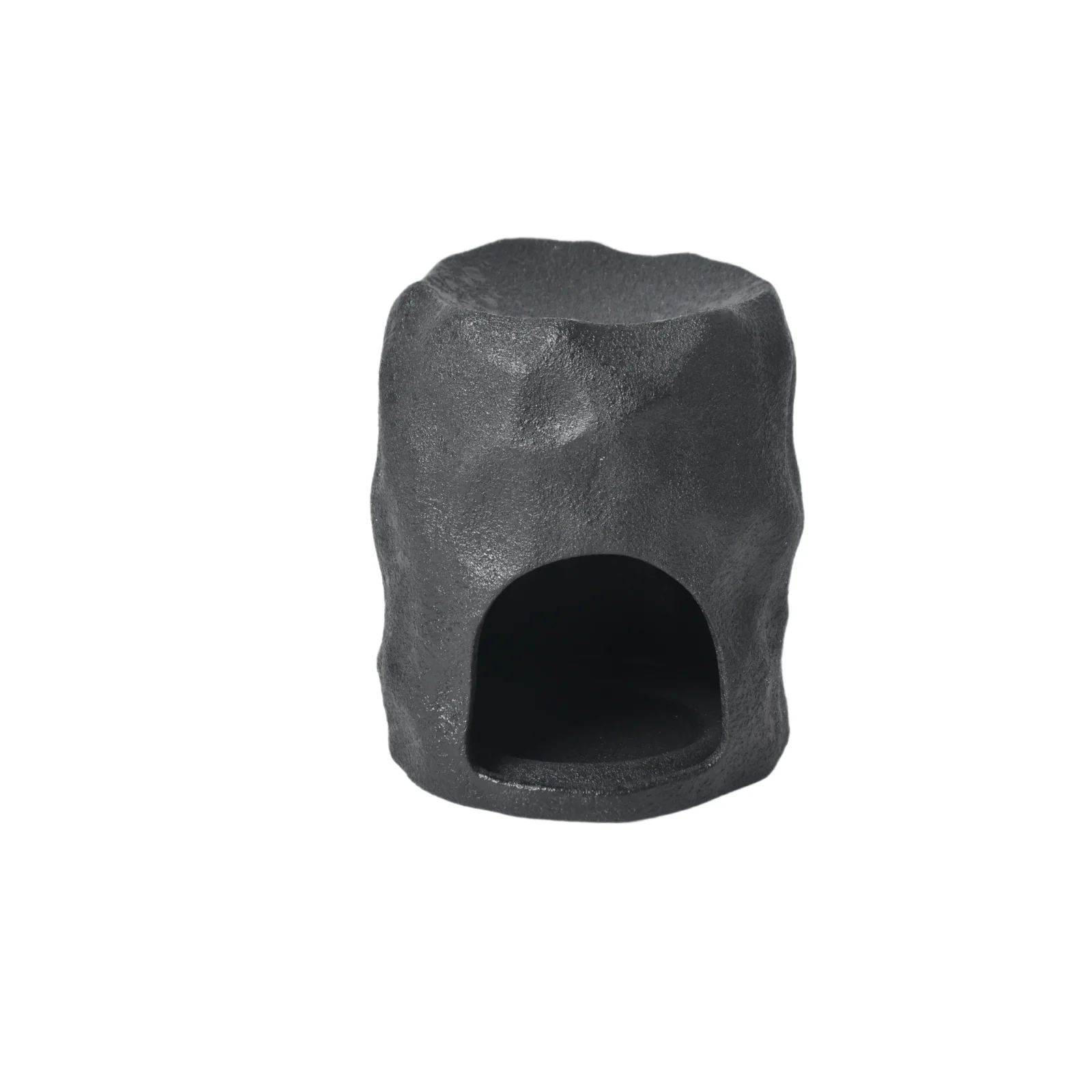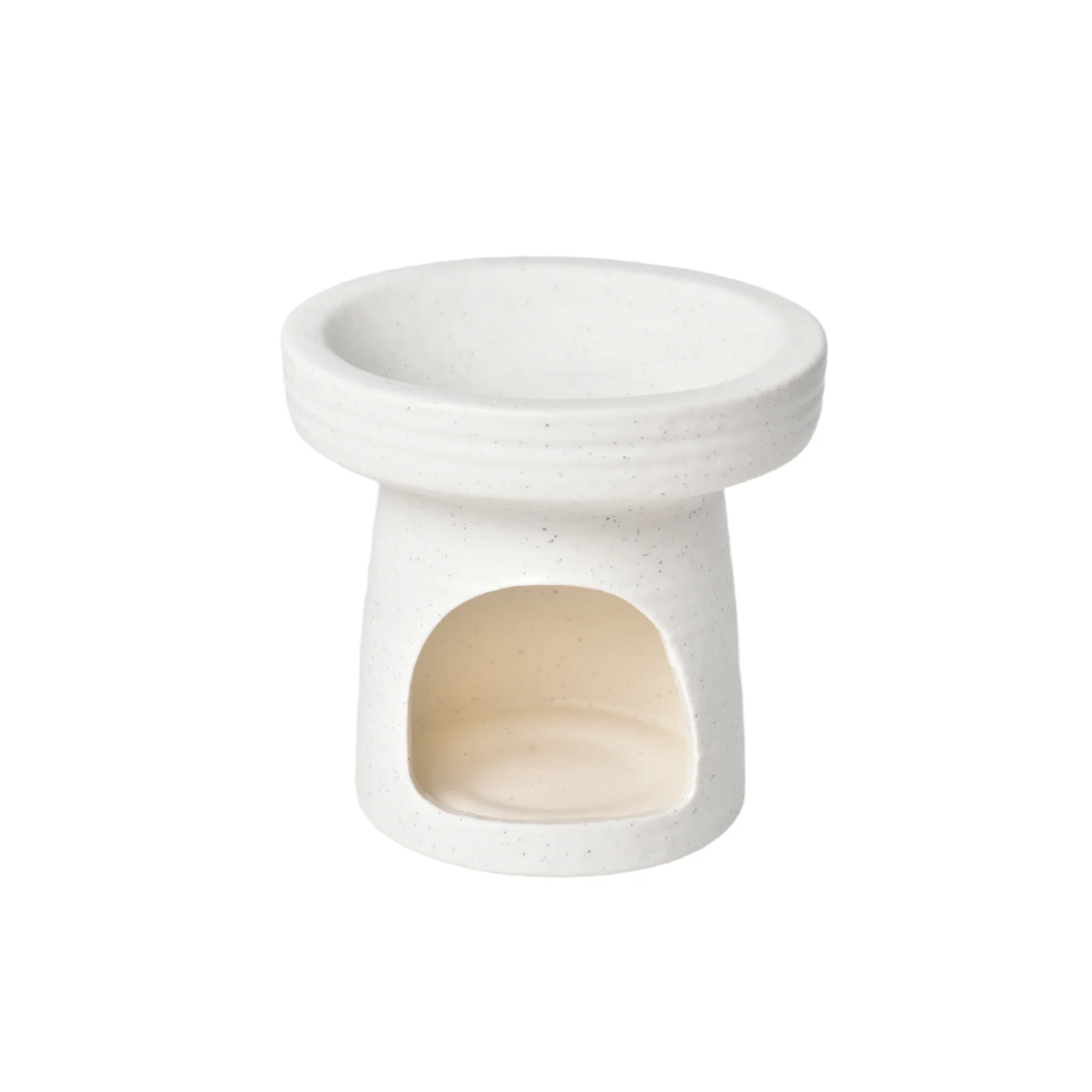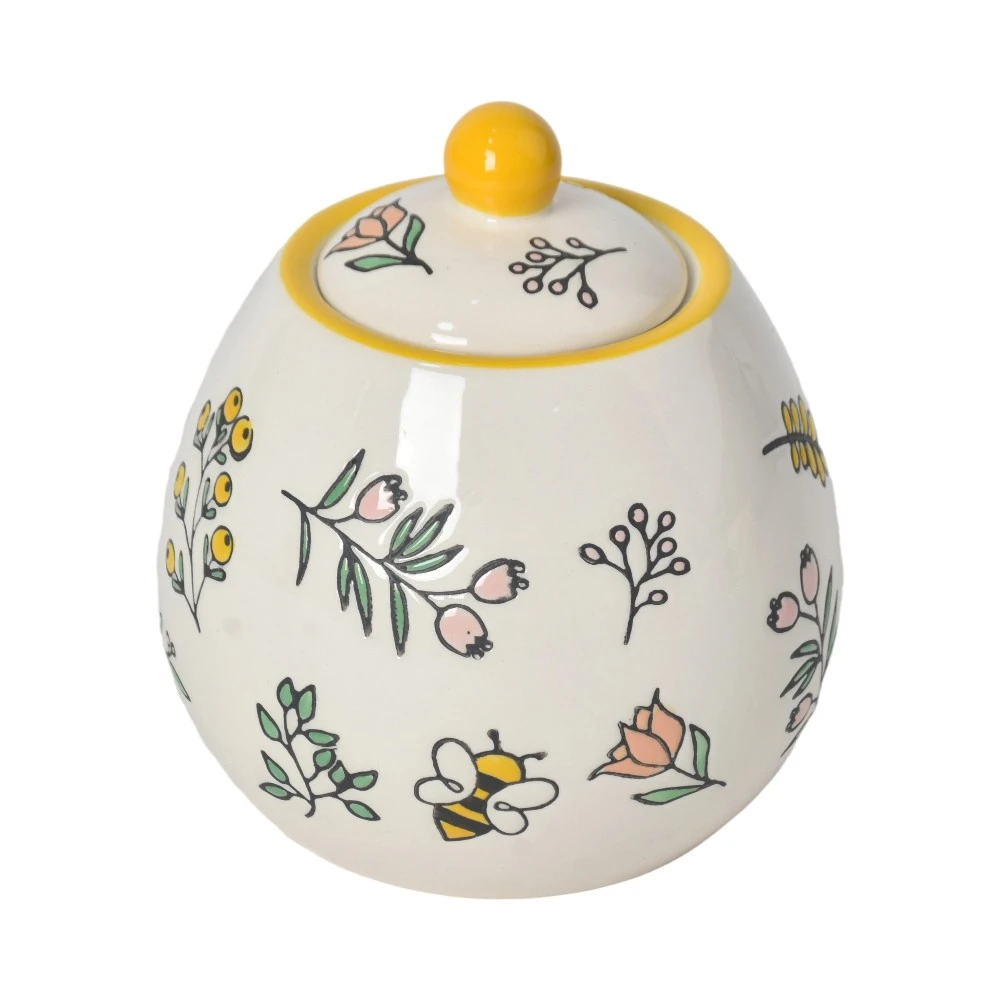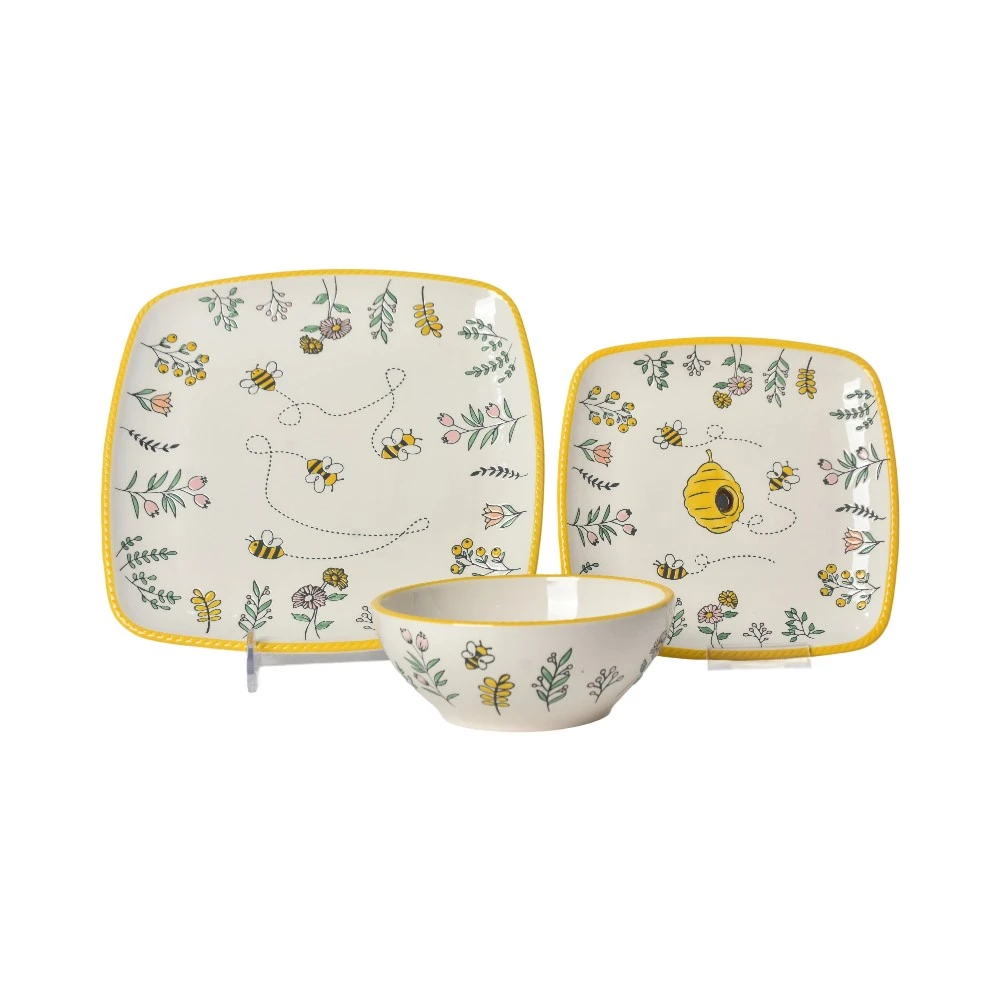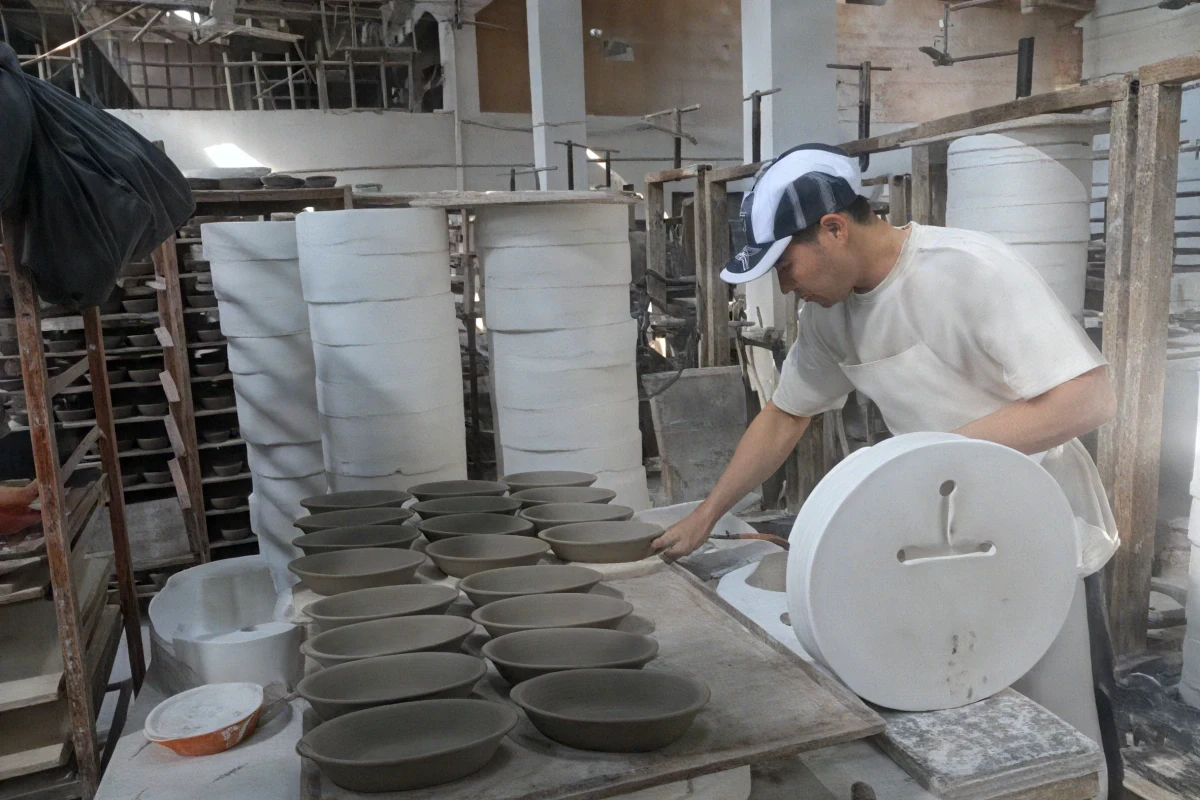
How do you know whether a ceramic quality control manufacturer can consistently deliver the same quality in every shipment? The answer lies in its ceramic quality control system, inspection procedures, and production traceability. In this guide, we explain how Qunfa Ceramics manages dimensional accuracy, appearance inspection, and process control to ensure stable Medium Temperature Ceramics manufacturing for global brands.
When sourcing medium-temperature ceramic tableware or ceramic bakeware, buyers often compare designs, pricing, and production capacity. However, experienced importers know that none of these matter if product quality cannot remain consistent from one production batch to the next.
After more than 30 years of manufacturing daily-use ceramics, we’ve learned that attractive design may win the first order, but consistent quality wins long-term partnerships. That’s why our production system is built around strict ceramic quality control standards, measurable inspection criteria, and standardized manufacturing procedures rather than on subjective judgment.
In this article, we’d like to share how our internal Product Acceptance System helps us maintain reliable quality for every ceramic project.
Standards Are the Foundation of Ceramic Quality Control
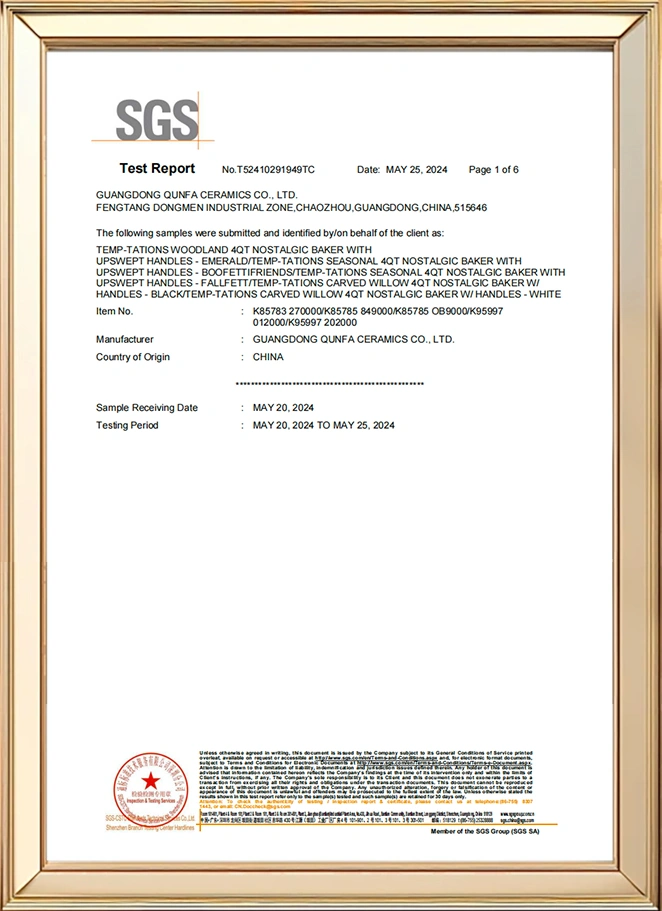
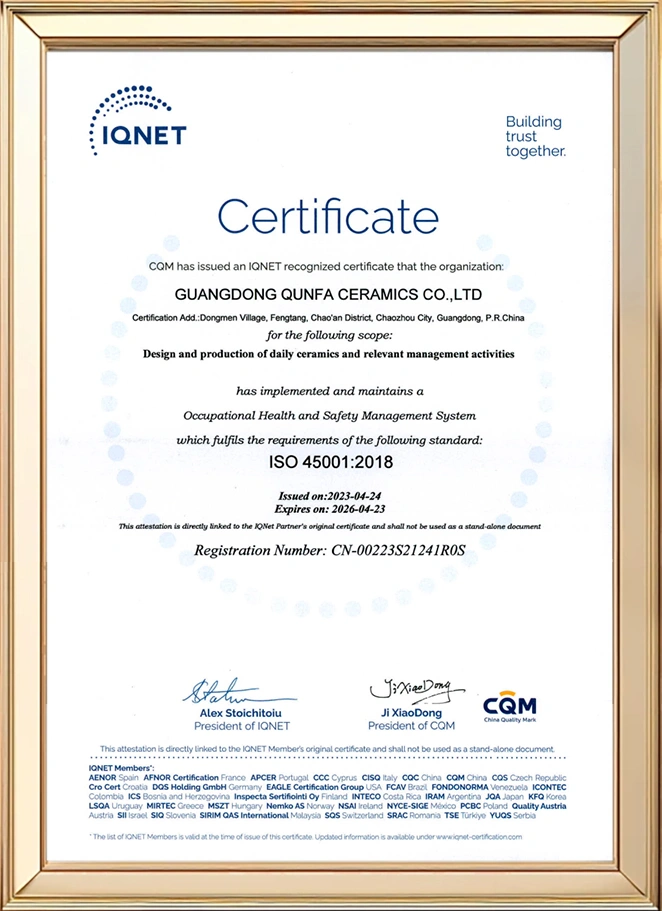
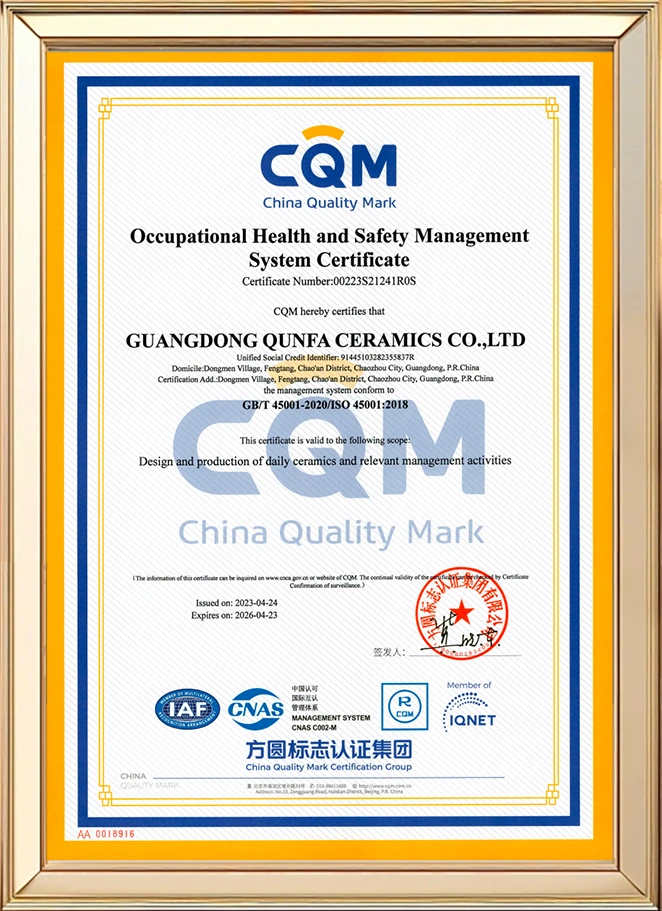
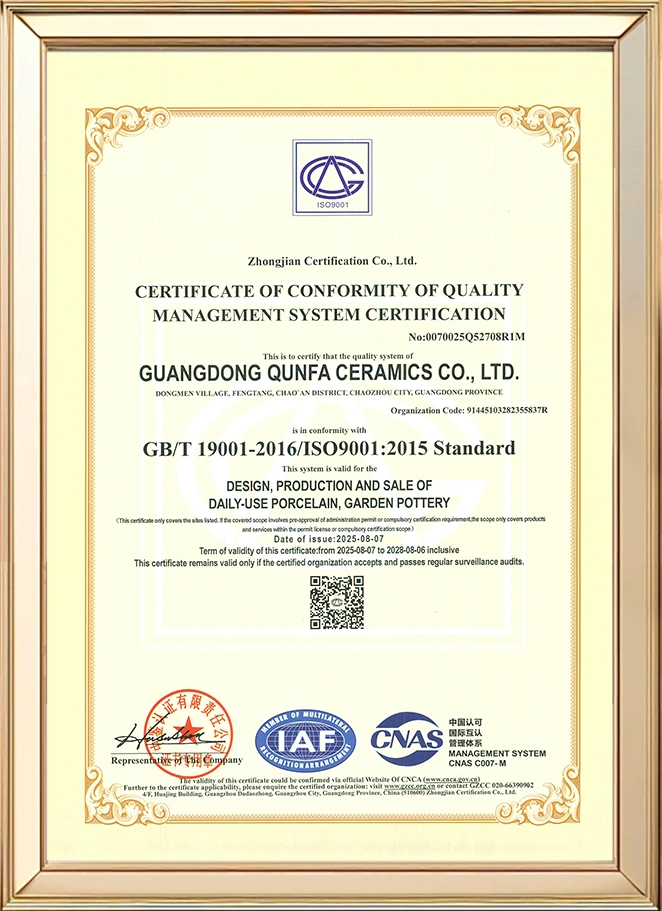
Like most professional manufacturers, our ceramic quality control system follows China’s national standards for daily-use ceramics while adding stricter internal acceptance criteria.
- GB/T 3532-2022 for product grading
- GB 4806.4 for food-contact safety
- GB/T 3298 and GB/T 3299 for testing methods
However, these standards provide only the baseline.
Our real quality management depends on an internal Product Appearance Acceptance System, continuously refined through decades of production experience. This document is significantly more detailed than the national standards and serves as the operating manual used by every production department and QC inspector.
Products are classified according to their maximum diameter or height:
- Small: <120 mm
- Medium: 121–280 mm
- Large: 281–360 mm
- Extra Large: ≥361 mm
Strip-shaped products are classified using the average of length and width.
Every dimensional tolerance, appearance defect, inspection method, and acceptance limit is clearly defined with numerical values—not personal judgment.
Ceramic Quality Control Begins with Dimensions and Functional Accuracy
Dimensional consistency is one of the first indicators buyers evaluate when receiving ceramic products.
Our acceptance standards specify strict manufacturing tolerances:
| Inspection Item | Acceptance Standard |
|---|---|
| Diameter | ±3% |
| Height | ±3% |
| Weight (Hollow Forming) | ±10% |
| Weight (High Pressure Forming) | ±8% |
| Weight (Roller Forming) | ±5% |
Every production batch undergoes 100% appearance inspection after firing.
QC inspectors measure products using precision calipers. Any product exceeding the allowable tolerance is either reworked or rejected.
For products with lids, we also inspect functional fitting:
- Lid clearance must not exceed 3 mm
- When shifted to one side, no visible bottom gap is allowed
- Teapot lids must remain secure when tilted to 70°
These are mandatory inspection requirements—not optional quality checks.
For complete dinnerware sets, inspectors also verify:
- Color consistency
- Whiteness consistency
- Decoration alignment
- Correct bottom markings
- Clear trademarks and logos
These details directly influence customers’ first impression and brand perception.
Ceramic Quality Control for Appearance Inspection
One aspect that often surprises overseas buyers is how detailed ceramic appearance inspection really is.
Our internal acceptance manual classifies more than a dozen defect types, including:
- Deformation
- Pinholes
- Slag inclusion
- Black spots
- Clay residue
- Glaze bubbles
- Glaze skipping
- Impact damage
- Cracks
- Clay shortage
- Mold line deviation
- Decal misalignment
- Color contamination
- Missing decoration
Each defect has different acceptance criteria depending on:
- Product size
- Defect size
- Defect location
- Visible or non-visible surface
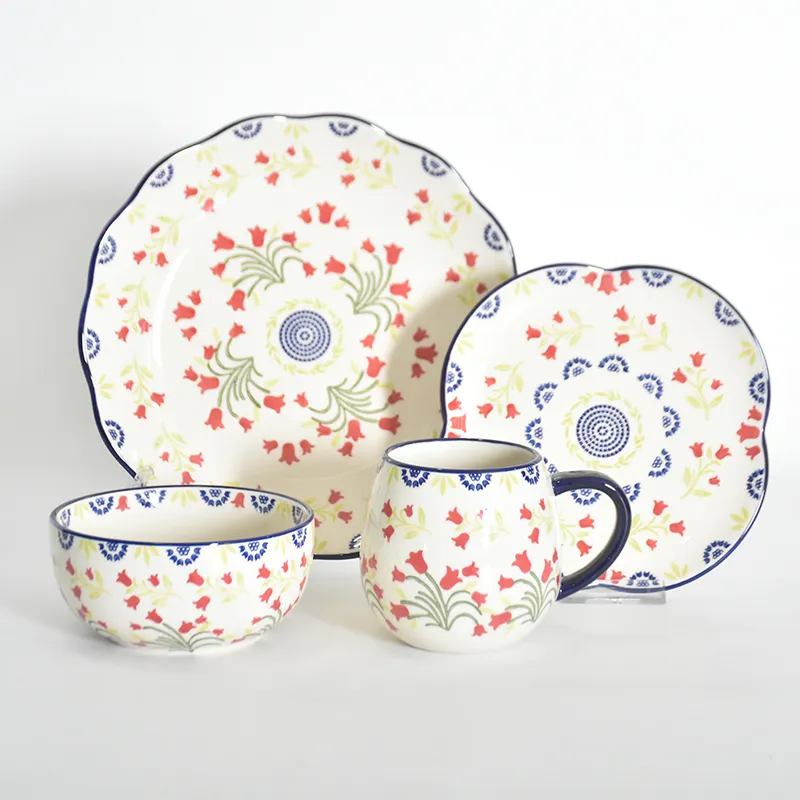
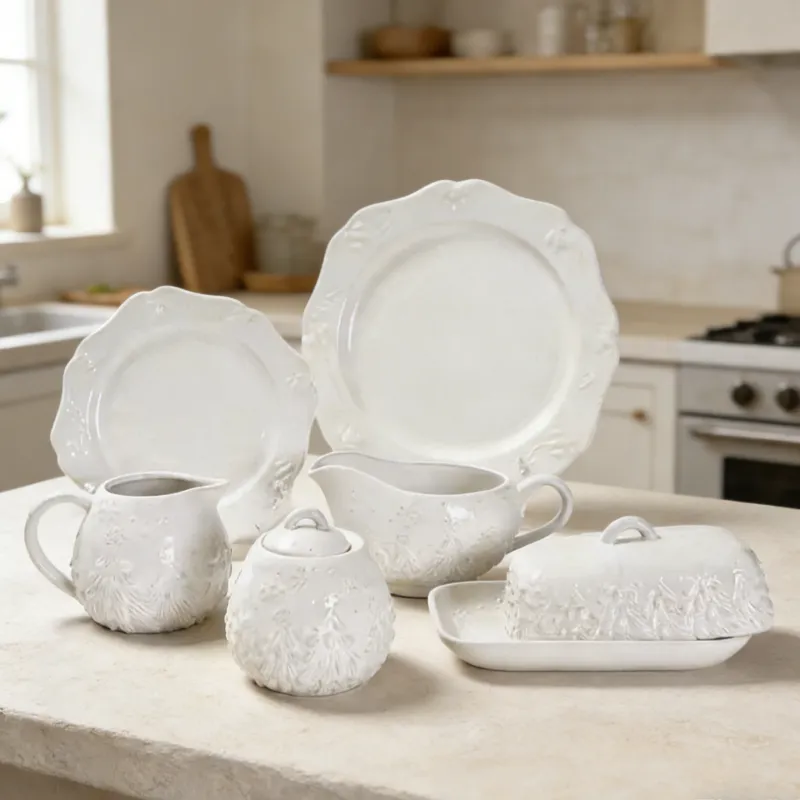
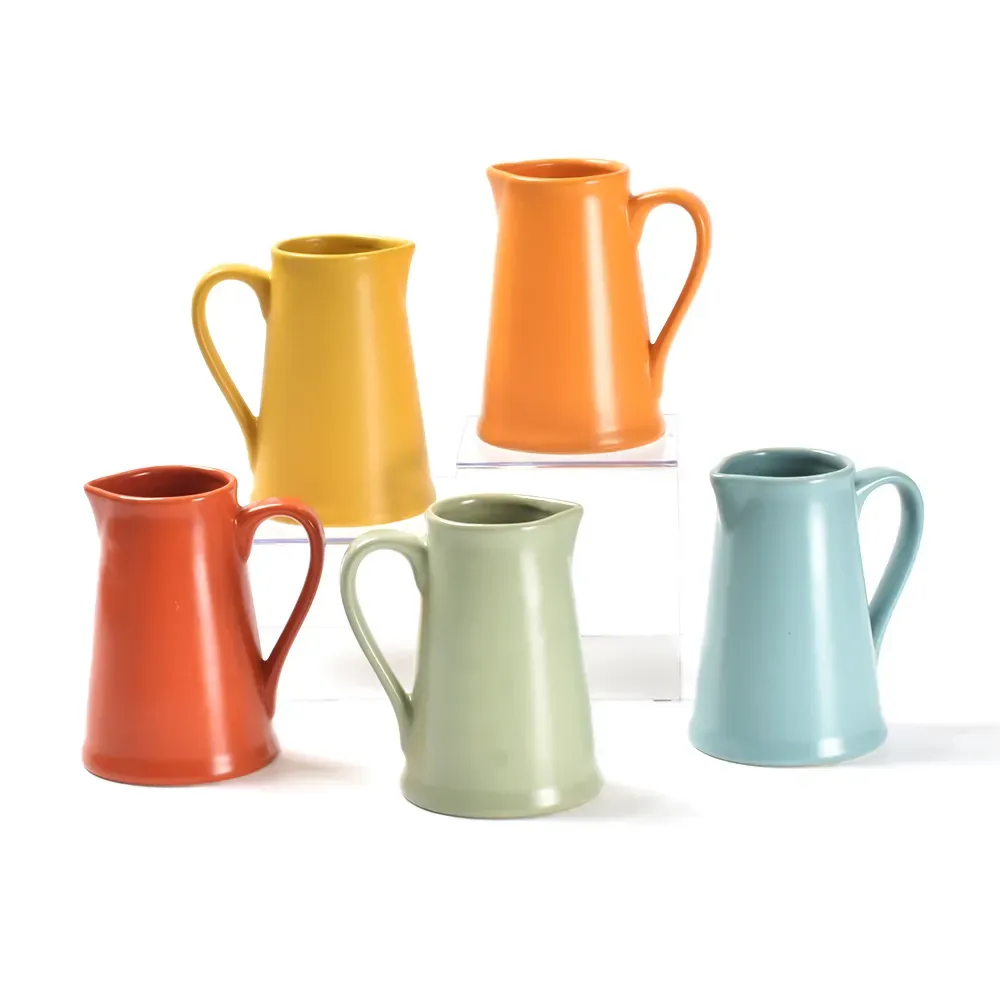
Typical Examples
Deformation
- Large products: ±3 mm maximum
- Medium products: ±2.5 mm
- Small products: ±2 mm
Anything exceeding these limits is rejected.
Pinholes
- Large products: maximum 3 (≤0.5 mm²)
- Medium products: maximum 2
- Small products: maximum 1
Exposed ceramic body is never permitted.
Slag Inclusion, Clay Residue and Glaze Bubbles
Visible surfaces:
Not permitted.
Non-visible surfaces:
Allowed only after dressing and only within strict quantity and size limits.
Cracks, Chipping and Clay Shortage
Visible surfaces:
Zero tolerance.
Bottom surface:
One small defect without exposed ceramic body may be accepted.
Any exposed body results in rejection.
Decoration Defects
Mold lines, over-decoration and decal misalignment are unacceptable on visible surfaces.
Minor defects on hidden areas may be accepted only if they are not visually obvious.
This distinction between visible and hidden surfaces allows us to maintain premium product appearance while minimizing unnecessary waste during production.
Product Grading Is Based on Objective Standards
Our Ceramic Quality Control standards define clear grading rules based on measurable inspection results instead of subjective judgment.
An acceptable product may contain no more than one minor defect, unless special customer requirements have been approved.
Products are rejected immediately if they contain:
- Major defects
- Functional defects
- Cracks
- Face defects on human or animal figurines
- Significant color differences
- Insufficient gloss
- Whiteness below approved standards
Instead of relying on operator experience alone, inspectors compare products against approved reference samples and use measuring instruments whenever necessary.
Quality decisions are based on data—not opinions.
Signed Production Samples Ensure Batch Consistency
One of the most important procedures in our ceramic quality control system is production sample approval.
Before mass production begins:
- Production prepares shape samples.
- Sales confirms decoration and color.
- Customer-approved samples are signed.
Three identical approved samples are then distributed:
- Production Department
- Glazing Department
- Quality Inspection Department
Each sample clearly records:
- Customer name
- Purchase order
- Product code
These signed samples become the official production standard.
Every QC inspection during production compares finished products directly against these approved references.
Without approved samples, production does not begin.
Ceramic Quality Control Throughout the Manufacturing Process
Quality cannot be created during final inspection alone.
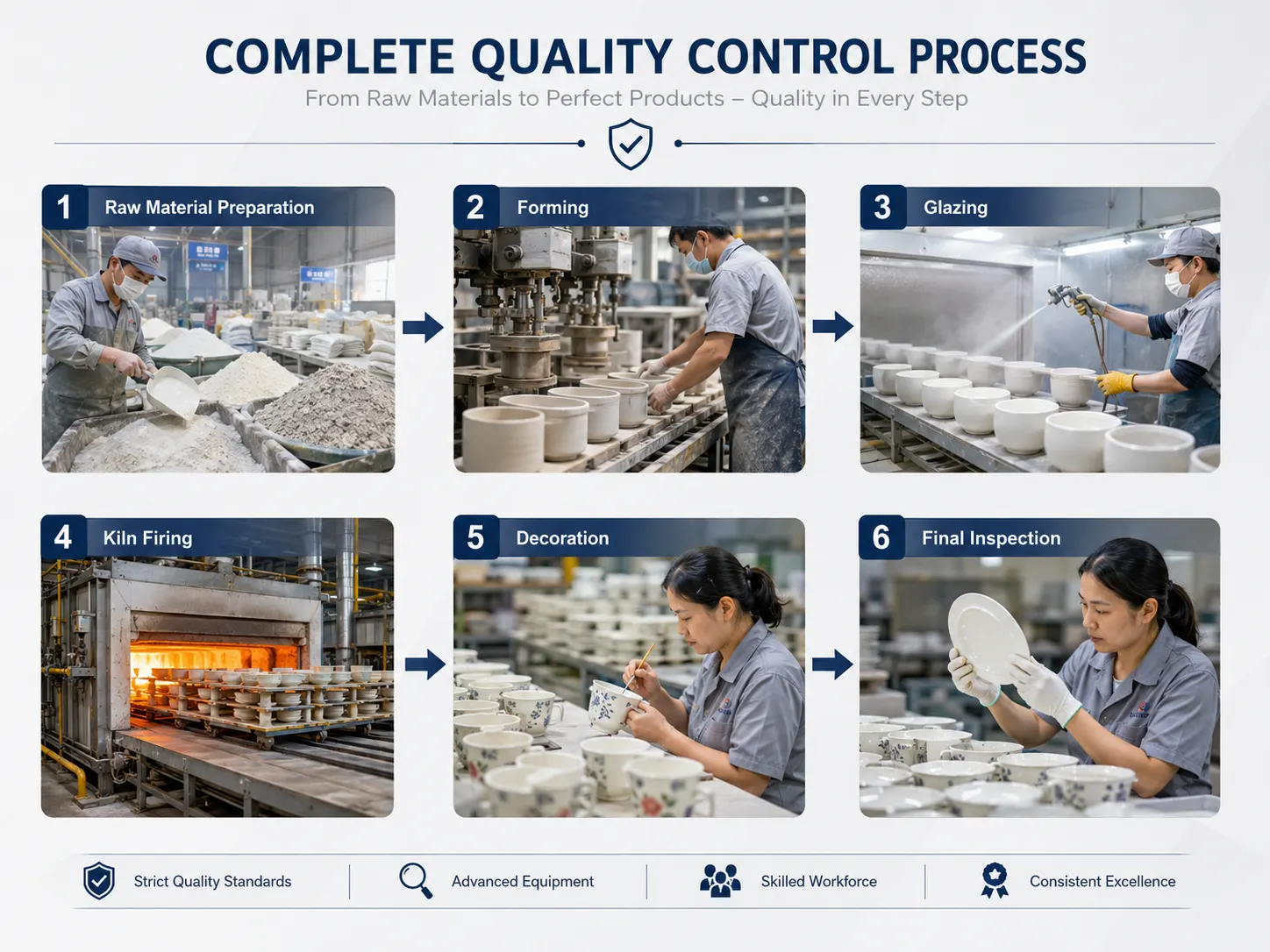
Stable ceramic quality control depends on controlling every manufacturing stage.
Our inspection system covers:
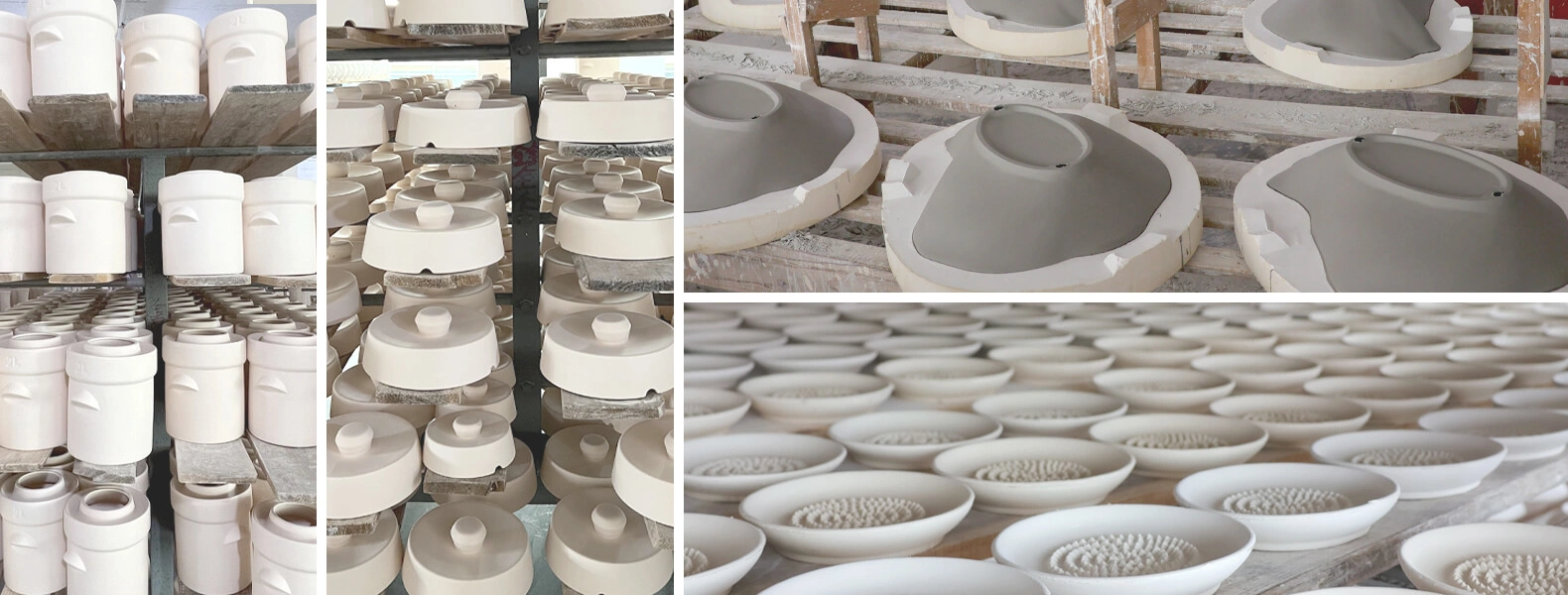
Raw Materials
- Clay plasticity
- Shrinkage rate
- Glaze viscosity
- Glaze flow performance
Forming
- Shape accuracy
- Deformation inspection
Glazing
- Glaze thickness
- Surface coverage
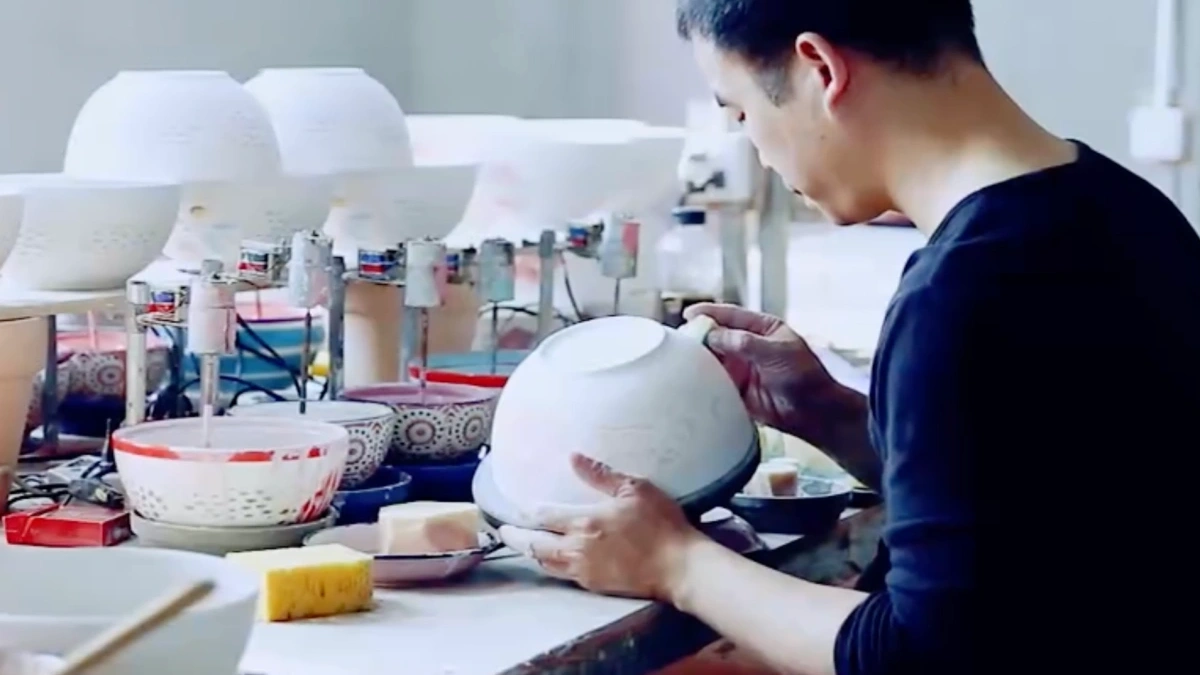
Decoration
- Decal alignment
- Color consistency
Final Inspection
Every fired product undergoes 100% manual inspection covering both internal and external appearance.
If abnormal defect rates are detected, the entire production batch is quarantined and re-inspected.
Whenever we introduce:
- New products
- New production processes
- Major kiln maintenance
complete qualification testing is repeated before production resumes.
Why Ceramic Quality Control Matters for OEM Buyers
A mature ceramic quality control system helps OEM buyers reduce defects, improve consistency, and lower after-sales costs.
A mature ceramic quality management system helps ensure:
- Stable product dimensions across repeat orders
- Consistent decoration and glaze appearance
- Lower defect rates
- Easier quality inspections before shipment
- Reduced after-sales costs
- Better customer satisfaction
Reliable quality is not achieved through luck—it comes from repeatable systems backed by measurable standards.
Frequently Asked Questions
Why are ceramic quality control standards important for B2B buyers?
Quality standards ensure every production batch meets the same specifications, reducing defects, returns, and inconsistencies that can affect retail sales or private-label brands.
What is the difference between visible and non-visible surface inspection?
Visible surfaces must meet much stricter appearance requirements because they directly affect the customer’s experience. Hidden areas may allow limited cosmetic defects if they do not impact function or safety.
Why are signed production samples necessary?
Approved samples become the official reference for production and inspection, ensuring every department manufactures according to the same color, shape, and appearance standards.
Can Qunfa support OEM and ODM ceramic projects?
Absolutely. We support custom colors, logos, packaging, surface decoration, and product development while maintaining strict quality control throughout the manufacturing process.
Partner with Qunfa Ceramics for Reliable OEM Ceramic Manufacturing
Since 1993, Qunfa Ceramics has specialized in the design and manufacture of medium-temperature daily-use ceramics for global brands, retailers, wholesalers, and importers. Operating from a 30,000㎡ manufacturing facility with more than 400 skilled employees, we provide flexible OEM/ODM services, advanced production technology, and a rigorous quality management system built on decades of manufacturing experience.
Our product range includes ceramic bakeware, dinnerware, kitchenware, pet bowls, and garden planters, serving customers worldwide. As a trusted manufacturing partner for internationally recognized retailers such as Walmart, Costco, Aldi, Disney, C&B, and Michaels, we understand that consistent quality is essential for long-term business success.
If you’re looking for a ceramic manufacturer that combines creative product development with strict ceramic quality control standards, we’d be happy to discuss your next project and help you bring reliable, market-ready ceramic products to your brand.