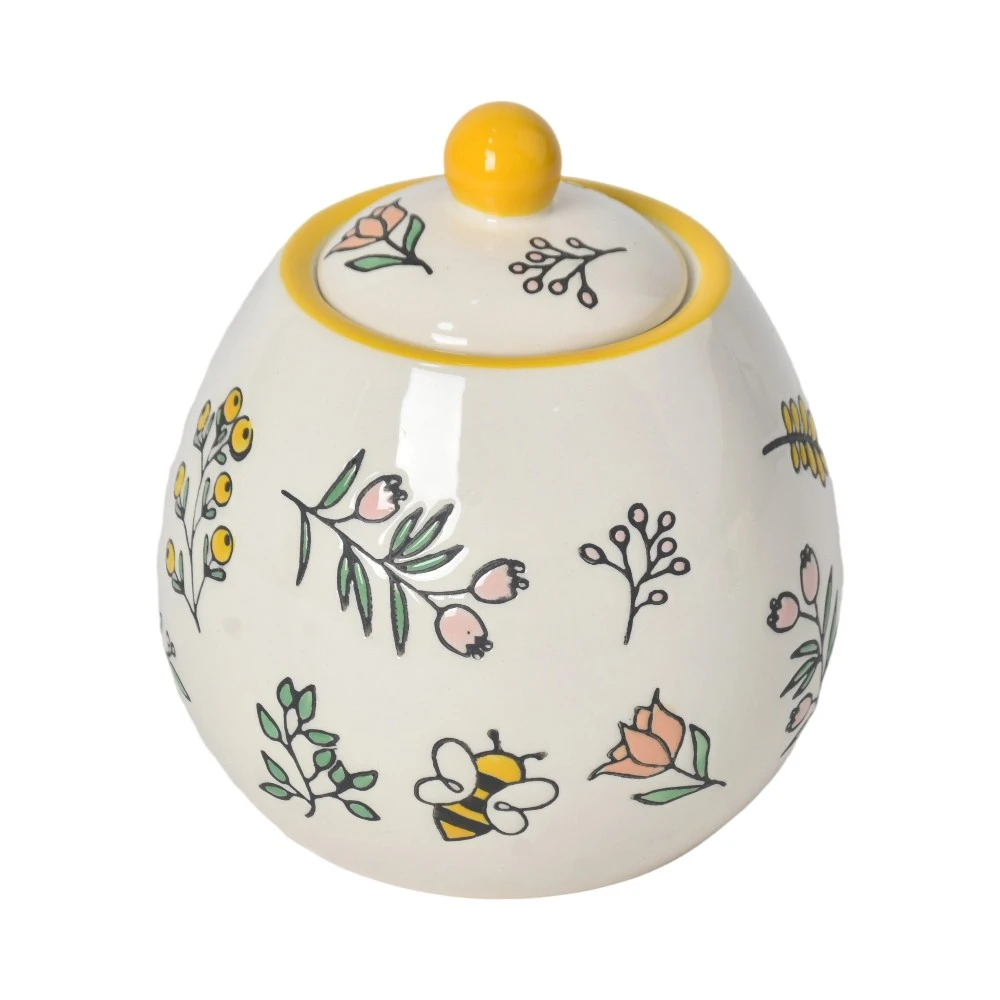
For wholesalers, retail brands, and home goods buyers, ceramic canisters are better suited for product lines that emphasize a premium aesthetic, shelf appeal, and giftability. Glass storage jars, by contrast, are ideal for showcasing contents, offering visibility, and highlighting functionality. The choice should be based on a comprehensive assessment of your target market, price positioning, packaging and shipping requirements, and supplier capabilities.
In the kitchen organization and home goods market, ceramic canisters and glass storage jars often appear on the same procurement list. While both can be used to store coffee, tea, sugar, grains, spices, and other dry goods, B2B buyers shouldn’t simply ask, “Which material is better?” Instead, they should consider, “Which product best aligns with my specific market positioning and sales channels?”
If a brand aims to develop a design-forward kitchen storage collection, ceramic canisters typically offer a distinct visual advantage. Conversely, if the retail market prioritizes the visibility of the contents—favoring a “see-through” storage solution—glass may be the more appropriate choice.
Therefore, when seeking a suitable storage jar supplier, buyers should evaluate potential partners based on three key factors: product positioning, the needs of the end consumer, and supply chain execution capabilities.
Ceramic Canisters vs. Glass Storage Jars: What’s the Difference?
| Comparison Aspect | Ceramic Canisters | Glass Storage Jars |
|---|---|---|
| Aesthetic Positioning | Suited for design-forward, home-oriented, and mid-to-high-end products | Emphasizes transparency, simplicity, and utility |
| Shelf Appeal | Rich variety in colors, glazes, and shapes | Relies primarily on transparency and vessel design |
| Content Visibility | Opaque or partially visible | Contents are directly visible |
| 礼品市场 | Ideal for gift sets, kitchenware collections, and home decor gifts | Primarily functional; geared toward everyday storage |
| Brand Customization | Highly customizable via colors, patterns, logos, and packaging | Relies on bottle shapes, lids, labels, and packaging |
| Product Series | Easily developed into a series through colors and shapes | Easily developed into a series through sizes and capacities |
| Shipping Requirements | Requires careful handling to prevent breakage; robust packaging essential | Also requires protective packaging to prevent breakage |
| Ideal Sales Channels | Home decor brands, gift markets, lifestyle retail | Supermarkets, kitchenware stores, general household storage |
For buyers developing their own private-label brands, choosing to source ceramic canisters is more than just selecting a storage container—it is about defining a visual language for the product.
Why Choose Ceramic Canisters for Wholesale?
1. A Premium Aesthetic Strengthens Product Positioning
One of the greatest advantages of ceramic is the vast creative scope it offers for design.
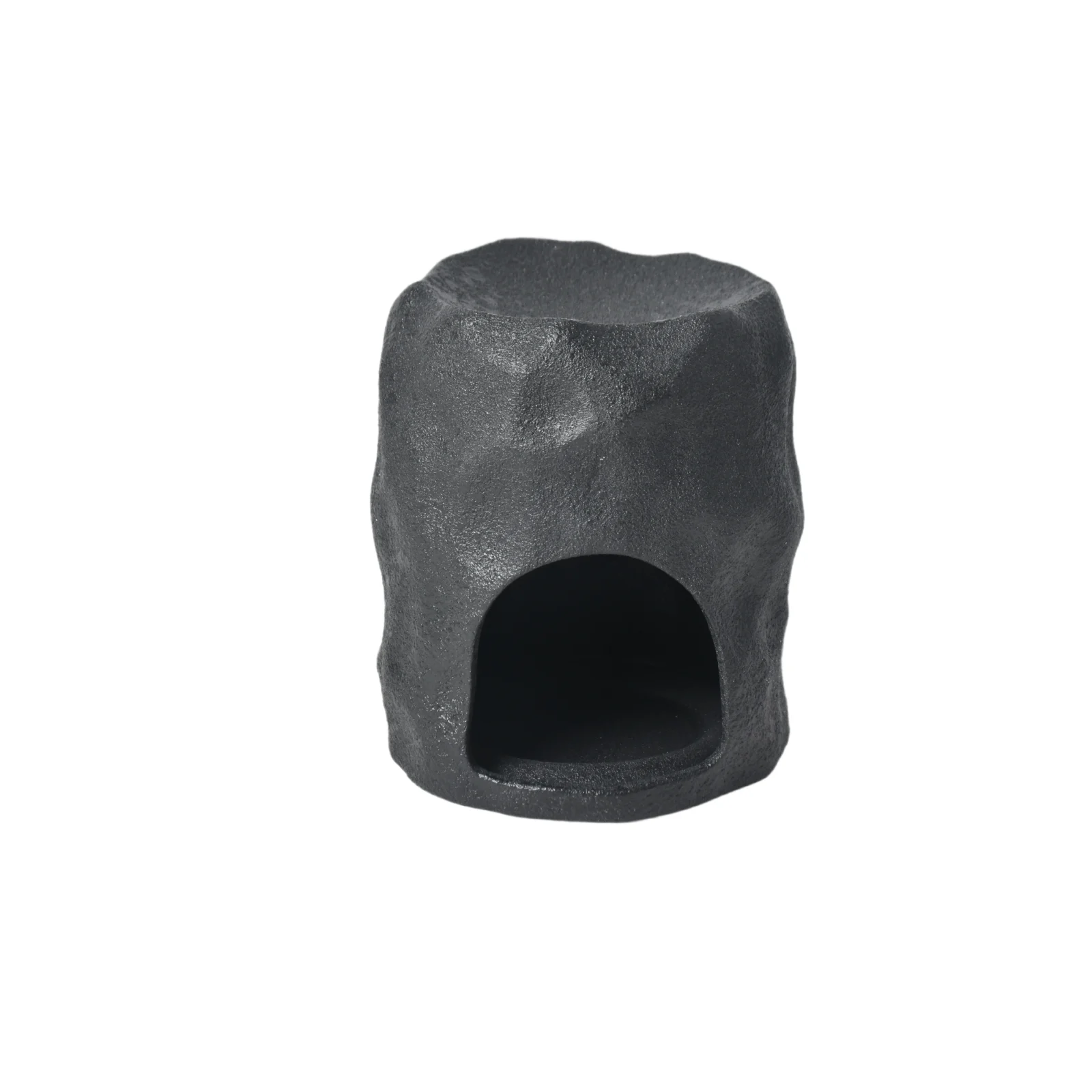
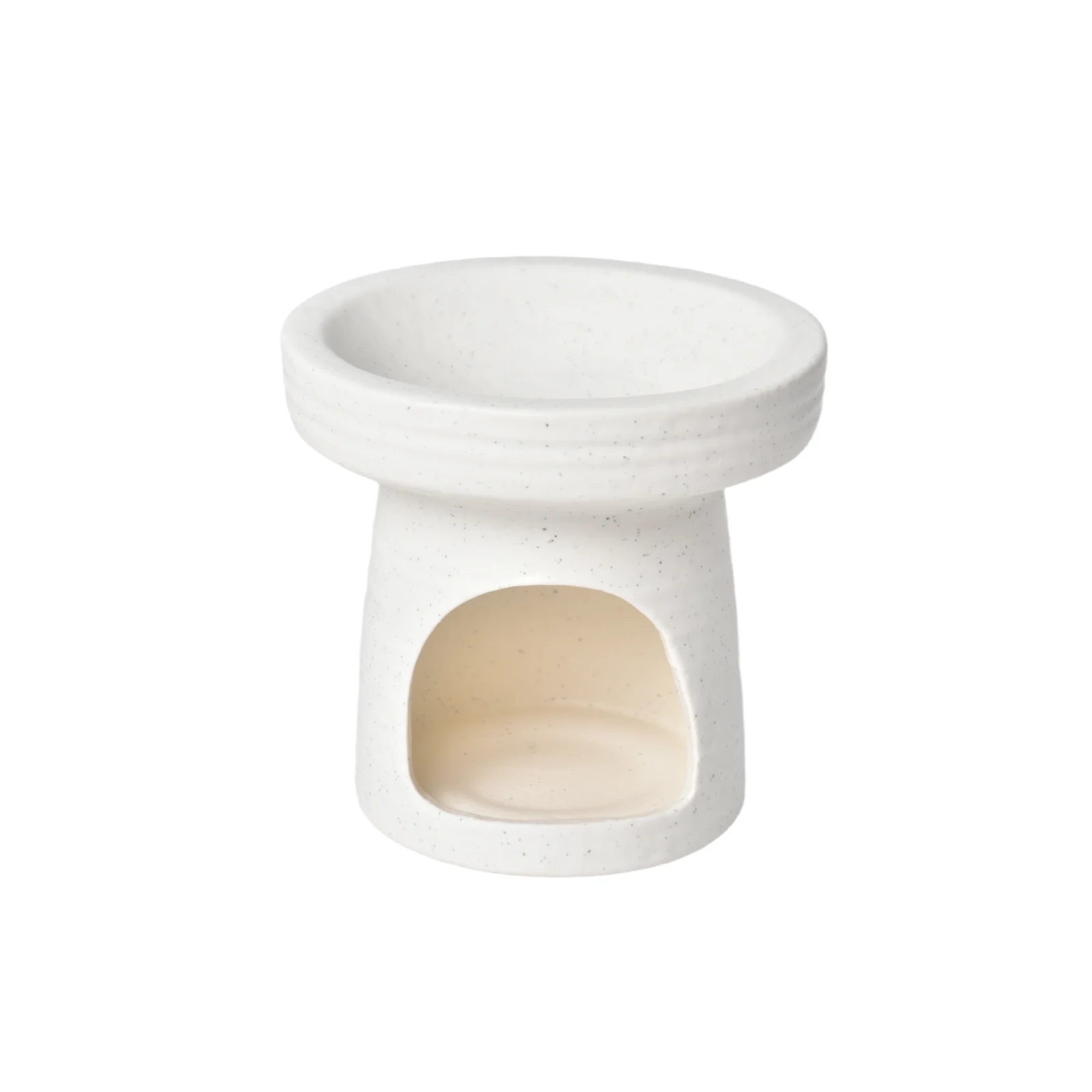
Unlike glass, which relies solely on its transparency to showcase contents, ceramic allows for the creation of distinct product styles through colors, glazes, shapes, textures, and decorative finishes. For instance, a brand could develop a collection featuring minimalist white, natural earth tones, vintage-inspired hues, or handcrafted surface textures—transforming the canister into an integral part of the kitchen decor rather than just a utilitarian storage tool.
For buyers targeting the mid-to-high-end home goods market, lifestyle brands, or boutique retail channels, this visual differentiation helps establish a clearer, more premium price positioning.
Consequently, opting for ceramic canisters is an excellent choice for procurement projects that aim to elevate brand identity and create a cohesive product series through distinctive design.


2. Better Shelf Appeal Helps Products Stand Out
For B2B buyers, a key consideration is how a product will perform at the point of sale.
Glass storage jars offer a clear advantage: they showcase the ingredients stored inside. However, in a kitchen storage market saturated with similar products, a transparent jar alone may not provide a sufficiently strong visual identity.
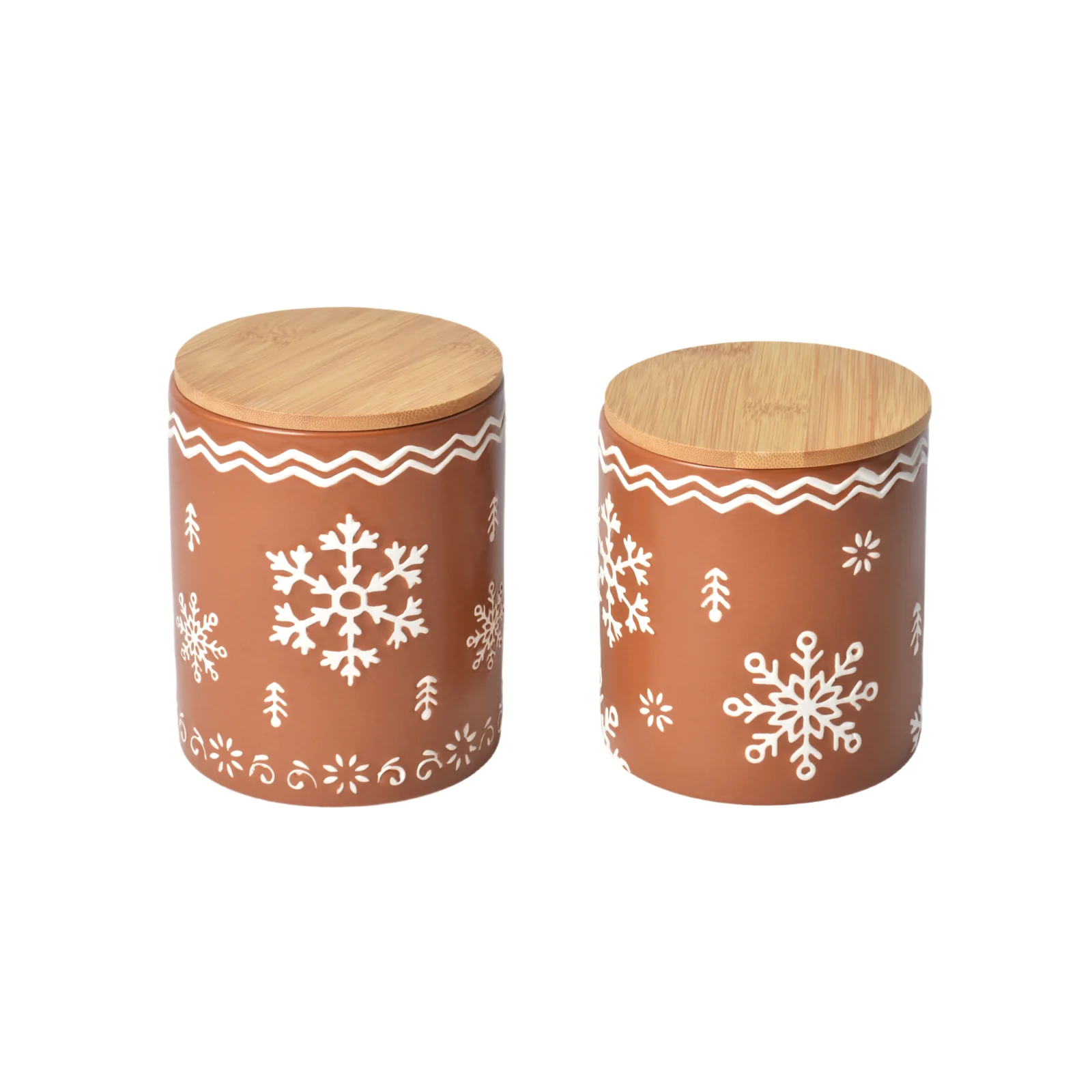
Ceramic storage jars, by contrast, can create distinct differentiation on the shelf through a variety of colors and shapes.
For example, a collection of ceramic canisters in coordinated colors—such as off-white, green, and blue—allows consumers to instantly recognize a cohesive brand style, even without opening the packaging.
For retail brands, this “shelf appeal” is particularly advantageous when the jars are cross-merchandised with other ceramic kitchenware—such as dinner plates, mugs, bakeware, and other culinary essentials—to build a comprehensive home goods collection.
3. Ceramic Canisters Fit the Gift Market Better
If your procurement project targets the gift market, seasonal sales, or home-goods gift sets, ceramic canisters generally offer greater creative potential for design.
While a simple glass jar tends to emphasize “functional storage,” a ceramic canister can be elevated into a gift-worthy item through its color, patterns, shape, and packaging design.
Buyers might also consider bundling ceramic canisters with coffee mugs, dinner plates, spoons, or other kitchen accessories to create curated sets.
For brands, such combinations not only increase the sales value of an individual SKU but also help in developing a well-rounded product line.
Therefore, when selecting a storage jar supplier, if your sales channels include home gift shops, lifestyle retail, seasonal gift markets, or branded gift sets, ceramic options are well worth serious consideration.
When Are Glass Storage Jars the Better Choice?
Ceramic is not the right choice for every procurement project.
The most significant advantage of glass storage jars is their transparency. Because consumers can clearly see the contents—whether coffee beans, grains, candies, or spices—glass is the ideal choice for products where “visibility of the contents” is a key selling point. If your product needs to:
- Allow consumers to quickly identify the contents;
- Emphasize functionality for kitchen organization;
- Showcase the color and condition of the contents through transparent packaging;
- Highlight capacity, dimensions, and practicality as key selling points;
…then glass storage jars may be the more suitable choice.
For buyers whose primary sales channels include supermarkets, general merchandise retail, or the mass-market kitchenware sector, glass is often a very straightforward and logical option.
Therefore, when searching for a storage jar supplier, you should not simply view ceramic as a direct substitute for glass; rather, the choice of material should be determined by your specific sales context.
How Should Wholesale Buyers Make the Decision?
Consider Your Target Customer
First, clarify who your product is for.
If your target consumers value kitchen aesthetics, home decor style, and brand design, ceramic often makes it easier to differentiate your products.
If your target customers prioritize transparent storage, capacity, and practicality, then glass is likely more aligned with their purchasing logic.
Consider Your Product Positioning
The product’s price point is also crucial.
If your brand is developing a mid-to-high-end kitchenware line, ceramic can enhance perceived value through its glaze, color, and form.
If your product positioning emphasizes high cost-performance and essential storage functionality, you will need to focus more closely on the balance between material costs, packaging expenses, shipping-related breakage, and the final retail price.
Consider Packaging and Shipping
For B2B buyers, the choice of material directly impacts supply chain management.
Since both ceramic and glass are fragile, you shouldn’t just compare the unit purchase price. You should also ask your storage jar supplier the following:
- Do they provide packaging solutions specifically designed for export shipping?
- Can they provide data on drop tests or other transit-related testing?
- How are individual items and full cartons protected?
- Can the packaging solution be adjusted based on order volume?
- Can they accommodate custom, brand-specific packaging?
- What are the policies regarding breakage rates and replacement/replenishment?
These considerations are often more important than simply comparing unit prices.
What Should You Ask a Ceramic Canister Supplier?
If you ultimately decide on ceramic storage jars, you may want to clarify the following details when communicating with a ceramic canister wholesale supplier.
Product Development
Inquire whether the supplier can offer a variety of capacities, shapes, colors, and glaze finishes.
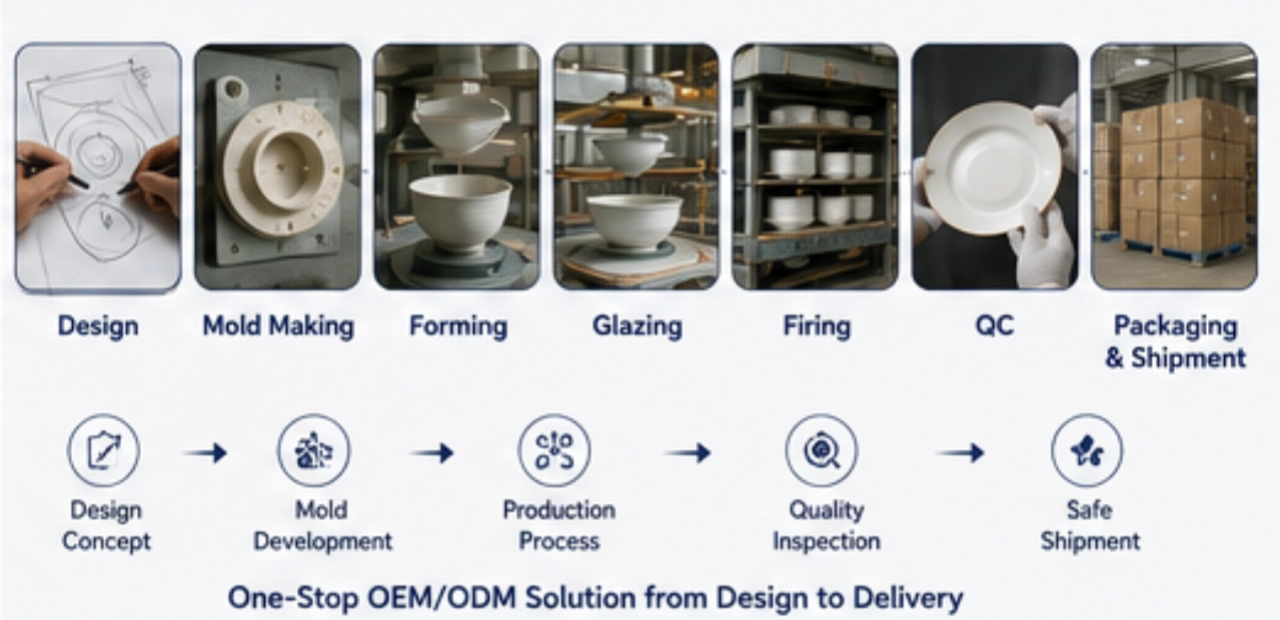
For brand clients, a supplier capable of managing the entire process—from selecting existing products to customizing designs, developing samples, and executing mass production—can significantly shorten the product development cycle.
OEM and ODM Capabilities
If your brand already has a finalized design, focus on the supplier’s OEM capabilities, including customization options for logos, colors, patterns, and packaging.
If your brand has a general product concept but lacks a complete design, explore the supplier’s ODM capabilities, which include modifying existing styles or developing entirely new products.
Production and Quality Control
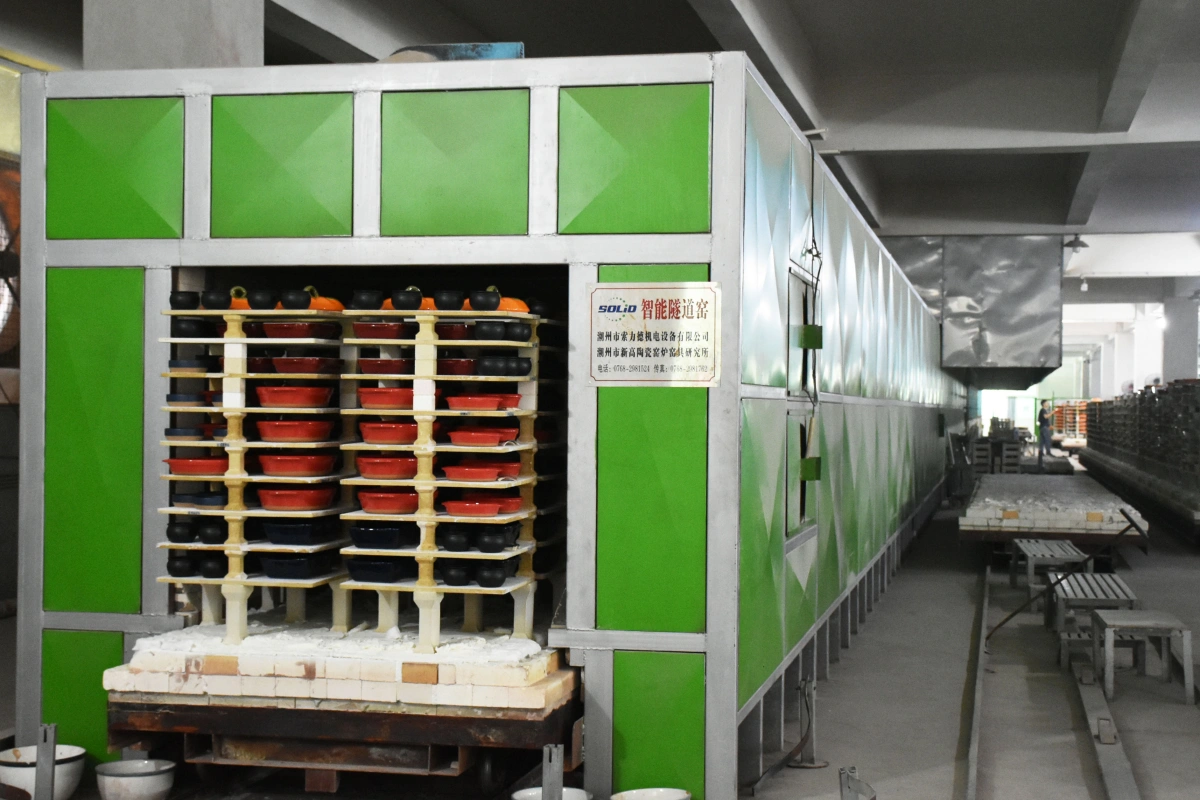
The consistency of ceramic products depends not only on the design but also on critical stages such as forming, glazing, firing, and quality inspection.
Buyers should verify whether a supplier maintains a stable production system and how they ensure consistency in dimensions, color, glaze, and overall appearance.
For retail brands in particular, maintaining relative consistency across different production batches is essential for long-term sales success.
Ceramic or Glass: Which Is Better for Your Product Line?
From a B2B procurement perspective, neither material is inherently “better” than the other.
Glass is ideal for transparent display and functional storage, while ceramics offer a premium appearance, superior shelf appeal, and greater suitability for the gift market.
If your brand aims to develop a kitchen storage collection with a strong focus on home decor, opting for wholesale ceramic canisters may be the better choice.
Ultimately, for any buyer, the priority should be finding a storage jar supplier that understands your target market, supports product development, and possesses the capacity for stable, large-scale production—rather than simply seeking the lowest possible purchase price.
Why Work with Qunfa Ceramics?
成立于 1993 年、, 群发陶瓷 specializes in the R&D and manufacturing of household ceramic products. The company operates a production facility spanning approximately 30,000 square meters, employs over 400 staff members, and possesses mature OEM/ODM capabilities.
Qunfa’s core product range includes ceramic tableware and bakeware, with an expanded portfolio that encompasses ceramic pet supplies, garden planters, and other household ceramic items. As a designated supplier for international brands such as Walmart, Costco, Aldi, Disney, C&B, and Michaels, Qunfa possesses extensive production experience in serving brand owners, wholesalers, and retail procurement programs.
If you are looking for a supplier for wholesale ceramic canisters, aiming to develop a line of kitchen storage products, or seeking OEM/ODM collaboration, please reach out to Qunfa Ceramics. Share your product designs, target markets, and procurement requirements with us, and let’s work together to develop a collection of ceramic products tailored to your end market.