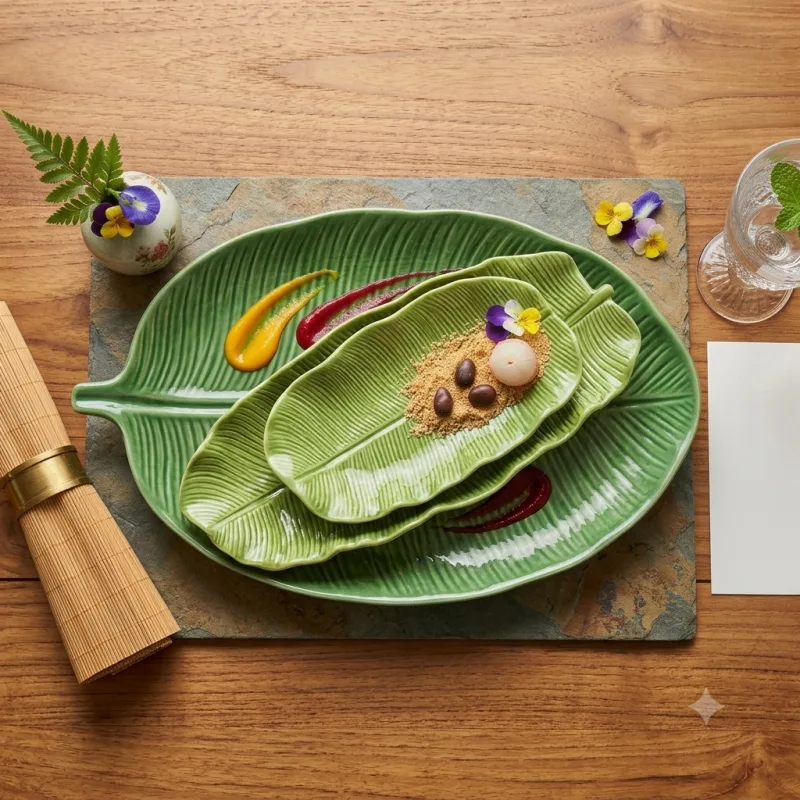
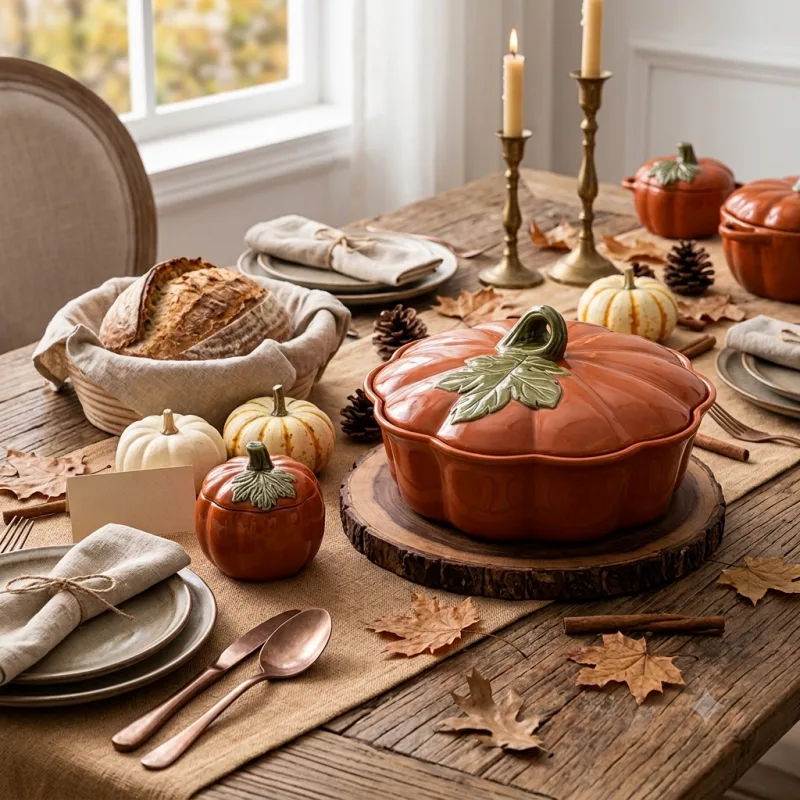
Fruit and vegetable style ceramic tableware is becoming a key design trend in 2026 by combining natural shapes, tactile textures, and creative ceramic craftsmanship. For wholesale buyers and brands, this trend offers new opportunities for differentiated tableware collections through OEM/ODMによるカスタマイズ, unique molds, and innovative glaze solutions.


The Garden on the Table: A Comprehensive Analysis of Fruit and Vegetable Style Ceramic Tableware in 2026

Over the past two years of attending international trade shows, one clear change in the ceramic tableware design trend has emerged: buyers are no longer only asking “what pattern should be printed on tableware?” but “what experience can tableware create?”

Traditional floral prints, geometric patterns, and minimalist designs are still widely used, but a new generation of consumers is looking for more emotional and interactive products. This demand has driven the rapid growth of fruit and vegetable style ceramic tableware, a design approach that transforms fruits, vegetables, and natural elements into functional ceramic products.

From lemon-shaped bowls and strawberry-textured plates to basil leaf dipping dishes and pumpkin-inspired serving plates, this trend turns everyday dining products into a small, touchable garden.

について ceramic tableware manufacturers and wholesale buyers, this trend represents more than a seasonal style. It creates new opportunities for customized collections, premium retail products, and differentiated brand positioning.


What Is Fruit and Vegetable Style Ceramic Tableware?

Fruit and vegetable style ceramic tableware is different from traditional tableware with painted fruit patterns or decorative borders. Instead of simply printing images on ceramic surfaces, this trend focuses on three-dimensional reconstruction of natural forms.

The key concept is biomimetic ceramic design — using ceramic craftsmanship to recreate the shape, texture, color, and structure of fruits and vegetables.

例えば:

  • A lemon bowl may feature raised textures that imitate citrus pulp.
  • A strawberry plate may include embossed seed details around the edge.
  • A persimmon tea jar may use a stem-shaped lid design.
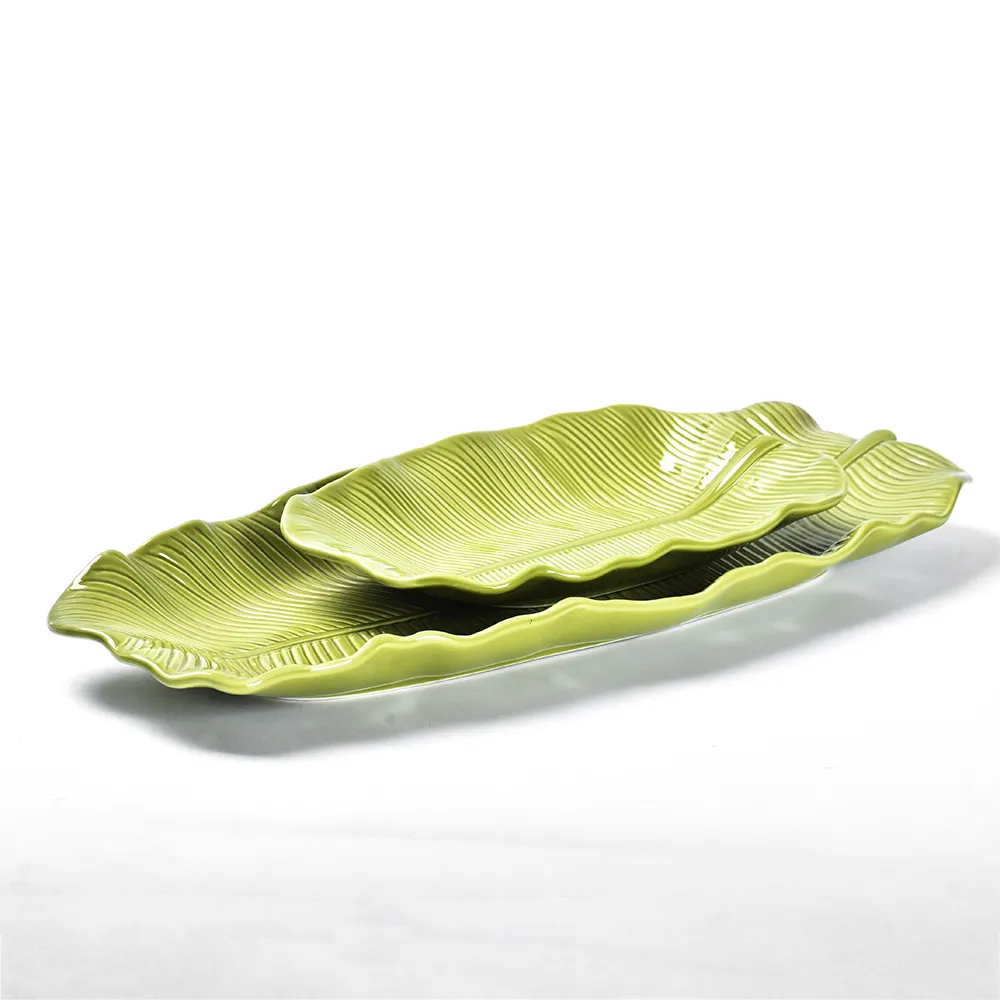
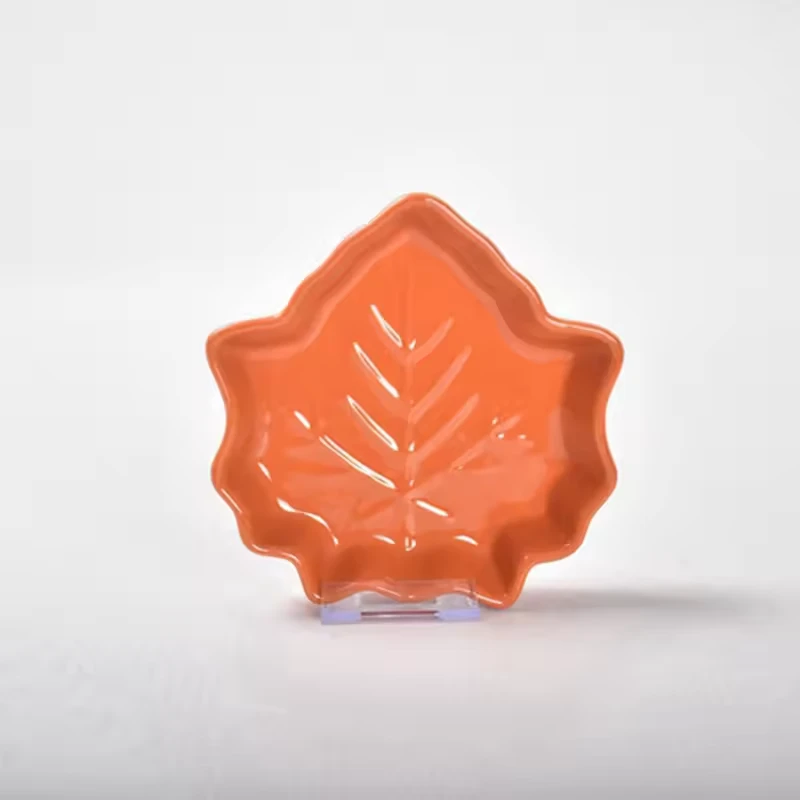
  • A basil leaf dipping dish may be molded with realistic leaf veins.

The goal is not to decorate the tableware with ingredients, but to make the tableware itself become part of the ingredients.

For buyers sourcing オーダーメイドのセラミック食器, this design direction provides stronger visual appeal and higher product differentiation compared with standard printed collections.


Why Is Fruit and Vegetable Style Becoming Popular in 2026?

The popularity of fruit and vegetable style ceramic tableware is driven by several consumer and market changes.

1. Growing Interest in Natural Lifestyle

Home cooking, gardening, and slow living trends have increased people’s desire to reconnect with nature. Consumers want products that bring warmth and freshness into daily life.

A vegetable-shaped bowl or fruit-inspired plate creates a closer connection between food preparation and dining experiences.

2. Social Media-Friendly Tableware

Today’s consumers value products that are visually attractive and shareable.

A salad served in an avocado-shaped ceramic bowl or dessert displayed on a strawberry-textured plate is more likely to attract attention on social platforms than ordinary tableware.

For retailers and brands, unique ceramic designs can help increase product visibility and create stronger customer engagement.

3. A Shift Away from Cold Minimalism

For several years, simple white ceramics and minimalist Nordic styles dominated the market. However, many consumers now want more personality, color, and emotional value.

Fruit and vegetable style designs provide a balance between functionality and creativity, making dining spaces feel more lively and personal.


Color Trend: From Earth Tones to Fresh Fruits

In 2026, the color direction of fruit and vegetable style ceramic tableware develops along two major paths.

Color DirectionMain ColorsDesign Inspiration
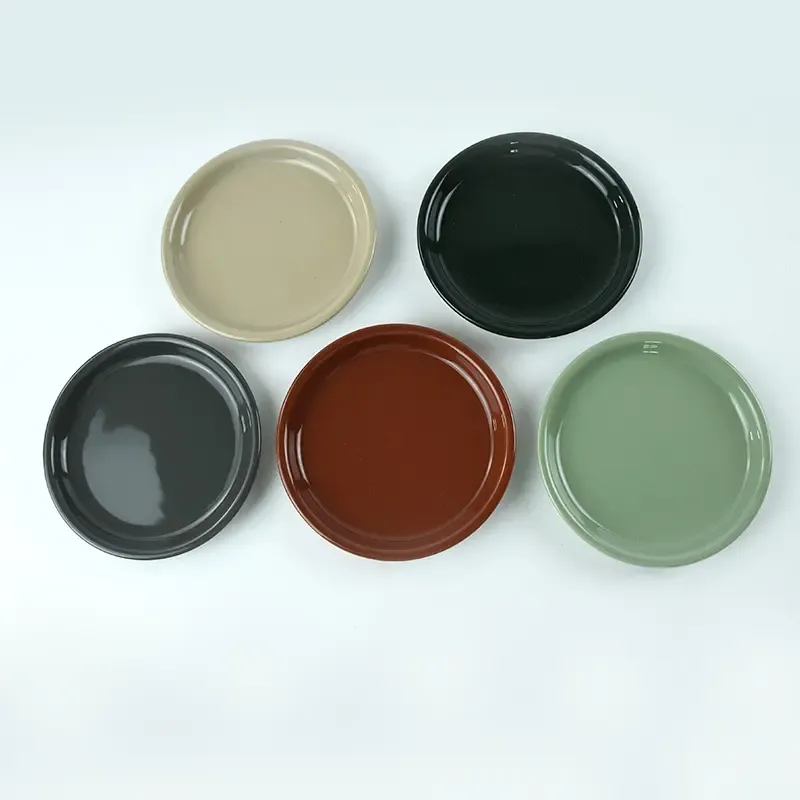
Natural Earth StyleTerracotta brown, wheat yellow, moss greenSoil, plants, vegetables growing in nature
Fresh Fruit StyleLemon yellow, peach pink, fig purple, olive greenFresh fruits, herbs, and garden harvest

Interestingly, many designers combine these two color systems in one collection.

For example, an earthy brown serving plate paired with a bright lemon-yellow dipping bowl can create strong visual contrast while maintaining a natural feeling.

について wholesale ceramic tableware buyers, this mixed color strategy provides flexibility for creating seasonal collections, restaurant table settings, and lifestyle product lines.

wholesale-ceramic-dishes-round-solid-color-sauce-dish-bulk-6

Form Design: The Shape Becomes the Ingredient

The most recognizable feature of fruit and vegetable style ceramic tableware is the transformation of shape.

Unlike traditional bowls and plates based on standard circles and curves, these products recreate the appearance of natural objects.

例としては、次のようなものがあります:

  • Garlic-shaped ceramic bowls
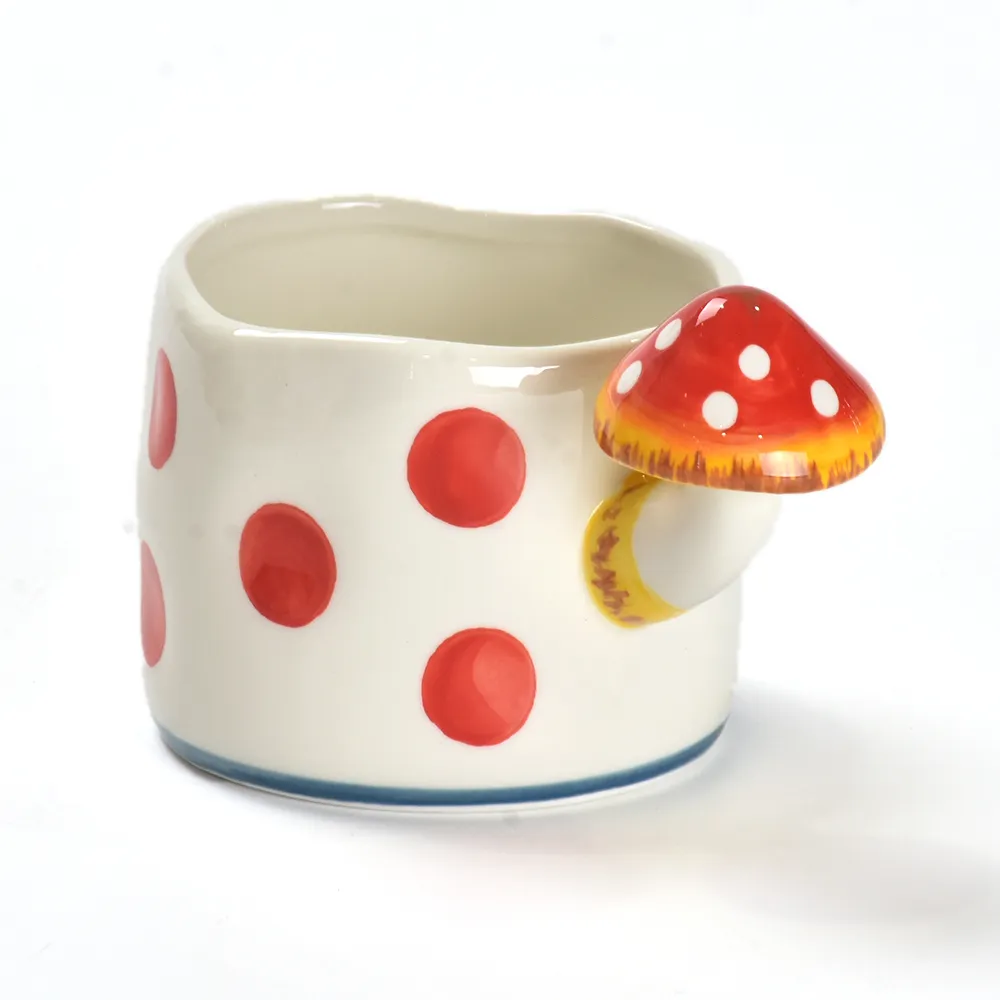
  • Mushroom-inspired serving dishes
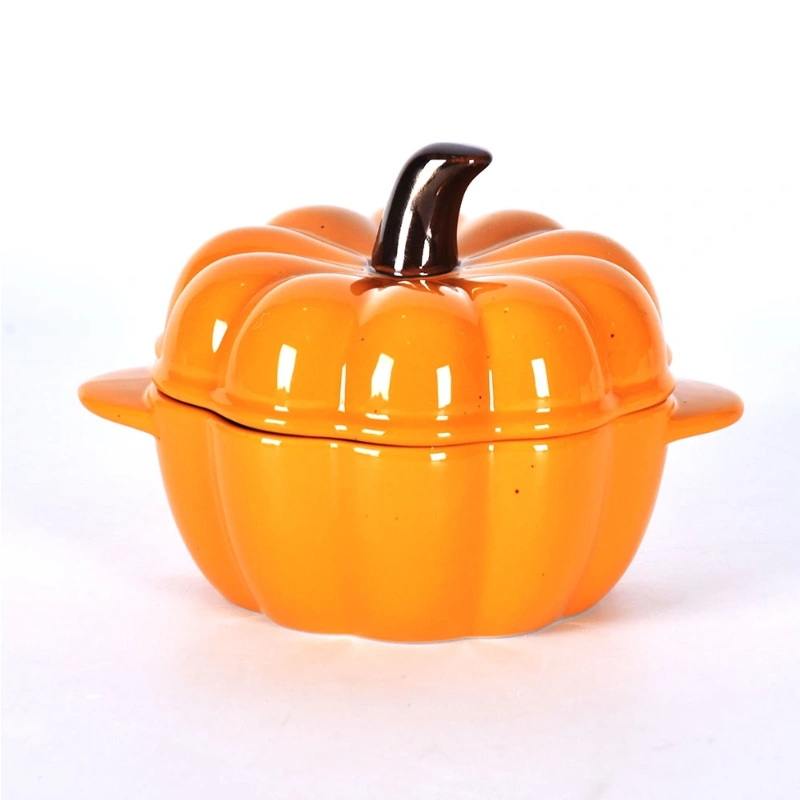
  • Pumpkin leaf plates
  • Celery-stem inspired cup handles
  • Fruit-shaped dessert plates
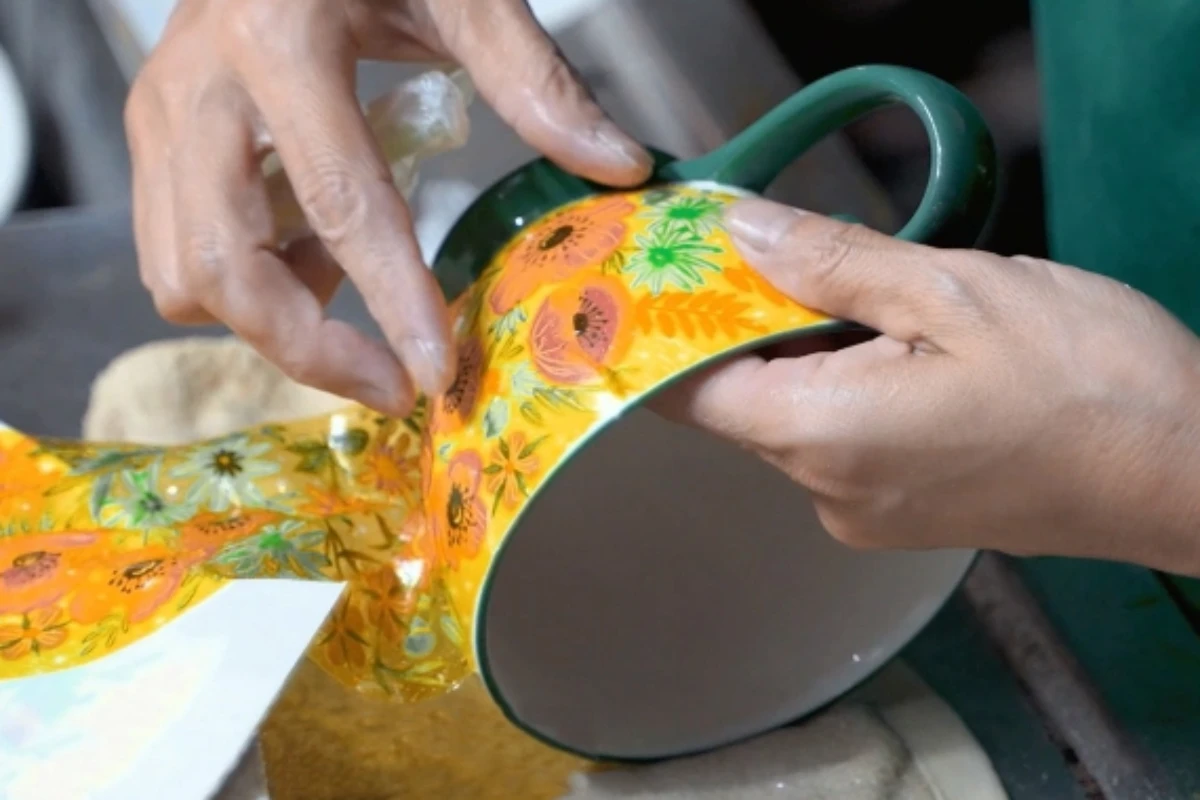
セラミックス成形プロセス - ローラー鋳造、圧力鋳造、スリップ鋳造

For ceramic manufacturers, this requires advanced mold development, precise forming techniques, and strong OEM/ODM capabilities.

The challenge is not only producing a functional bowl or plate, but making customers immediately recognize the inspiration behind the design.

This is why custom mold development has become an important capability for manufacturers producing innovative ceramic tableware.


Touch Experience: Ceramic Tableware Beyond Visual Design

The advanced stage of biomimetic design is not only about appearance but also about touch.

High-quality fruit and vegetable style ceramic products often include realistic surface treatments:

  • Lemon peel-like textures
  • Pumpkin skin patterns
  • Leaf vein relief
  • Natural matte glaze finishes
  • Soft textured ceramic surfaces

These details make ceramic products feel warmer and more expressive.

For manufacturers producing medium-temperature ceramics, glaze development plays an important role. Medium-temperature firing allows designers to maintain detailed surface textures while achieving sufficient strength, durability, and daily-use performance.

By controlling glaze shrinkage, particle distribution, and firing conditions, manufacturers can achieve the balance between natural texture and practical usability.


Matching Guide: How to Create a Natural Dining Scene

The best use of fruit and vegetable style ceramic tableware is not covering the entire table with themed products.

A more professional approach is:

80% simple tableware + 20% natural design accents

例えば:

  • Basic white matte plates as the foundation
  • A lemon-shaped sauce bowl as a highlight
  • Several leaf-shaped dipping dishes for decoration
  • Linen tablecloths and wooden trays for natural atmosphere

Fruit and vegetable style products work especially well for:

  • Salad serving
  • Dessert presentation
  • Sauce containers
  • Afternoon tea settings
  • Restaurant decoration

Instead of replacing traditional dinnerware, these products create unexpected visual moments.


Why Fruit and Vegetable Style Is More Than a Short-Term Trend

The long-term value of this trend comes from its emotional connection.

A lemon-shaped bowl is not only a container for sauce. It creates a small moment of pleasure when users interact with it during daily meals.

This is why custom ceramic tableware with natural-inspired designs has strong market potential. Consumers are increasingly looking for products that combine functionality, storytelling, and lifestyle value.

For brands, retailers, and importers, fruit and vegetable style ceramics provide an opportunity to build unique product collections instead of competing only through price.


FAQ About Fruit and Vegetable Style Ceramic Tableware

1. Is fruit and vegetable style ceramic tableware suitable for wholesale business?

Yes. This design trend is suitable for retailers, lifestyle brands, restaurants, and gift companies looking for differentiated ceramic products. Customized shapes, colors, and packaging can help create exclusive collections.

2. Can manufacturers customize fruit-shaped ceramic tableware?

Yes. Professional ceramic manufacturers with OEM/ODM capabilities can customize product shapes, molds, glaze colors, textures, logos, and packaging according to customer requirements.

3. What ceramic techniques are used for these designs?

Common techniques include mold development, relief decoration, textured glazing, hand finishing, and customized firing processes to achieve realistic natural details.

4. Is fruit and vegetable style tableware durable for daily use?

With proper ceramic materials and firing technology, these products can achieve good durability while maintaining decorative details. Production standards should always include quality testing for strength, glaze performance, and food safety.


Qunfa Ceramicsと提携して、オーダーメイドのセラミック食器を製作しましょう

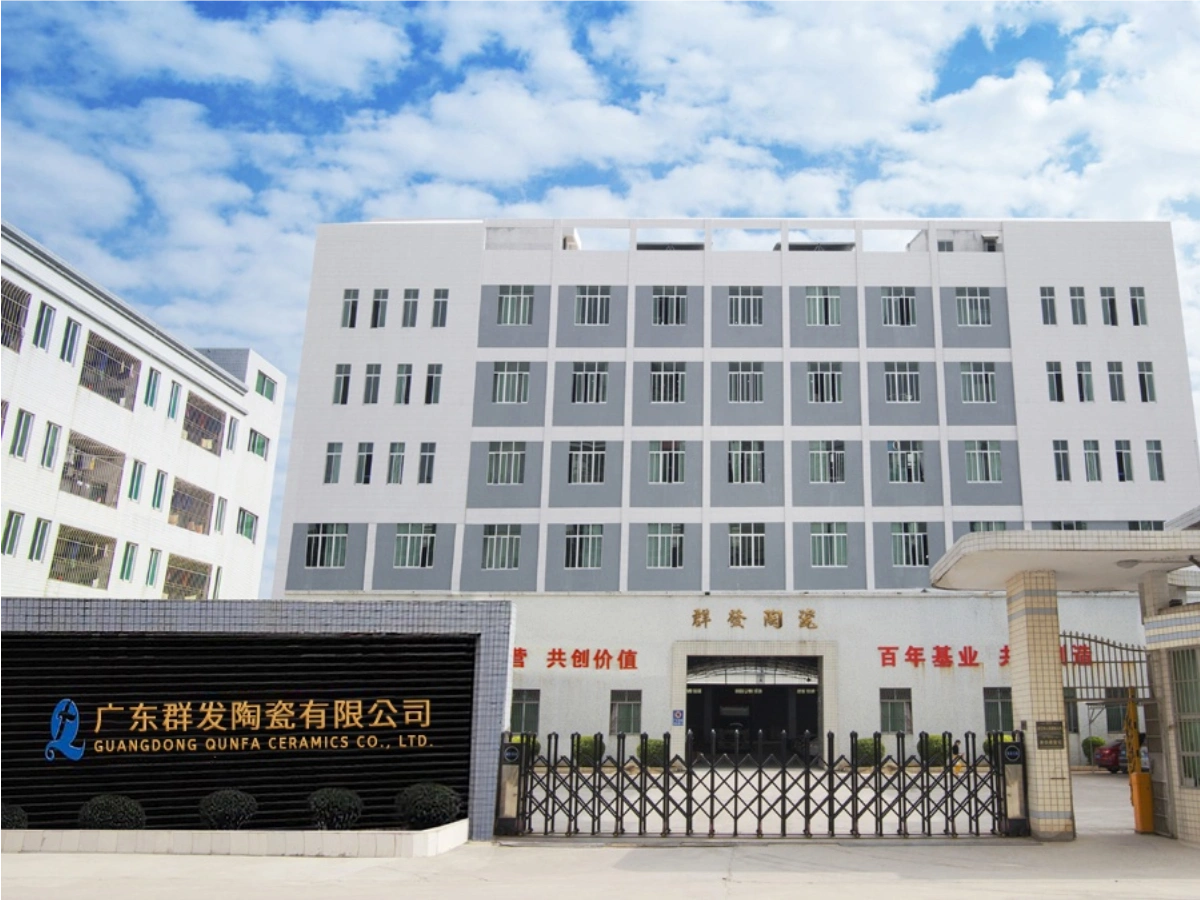
1993年に設立され、, Qunfa Ceramics is a leading ceramic tableware manufacturer with a 30,000㎡ factory and 400+ employees. Specializing in ceramic bakeware, tableware, pet ceramics, and garden planters, Qunfa provides flexible OEM/ODM solutions for global brands.

With advanced production capabilities and experience supplying international retailers, Qunfa helps customers develop innovative ceramic collections from design to mass production. Contact us for reliable wholesale ceramic tableware solutions.

見積もりを取得する

当社製品にご関心をお寄せいただき、誠にありがとうございます。下記情報をご記入ください。担当チームより、詳細な見積もりをお送りいたします。お早めにご連絡いたします。.

よくある質問

メッセージを送信する

見積もりを取得する

当社製品にご関心をお寄せいただき、誠にありがとうございます。下記情報をご記入ください。担当チームより、詳細な見積もりをお送りいたします。お早めにご連絡いたします。.

よくある質問

メッセージを送信する

関心のある人を検索する