Tealight oil burner guide: learn how it works, design tips, safety, materials, and why it’s a top-selling product in home fragrance markets.
What Is a Tealight Oil Burner?
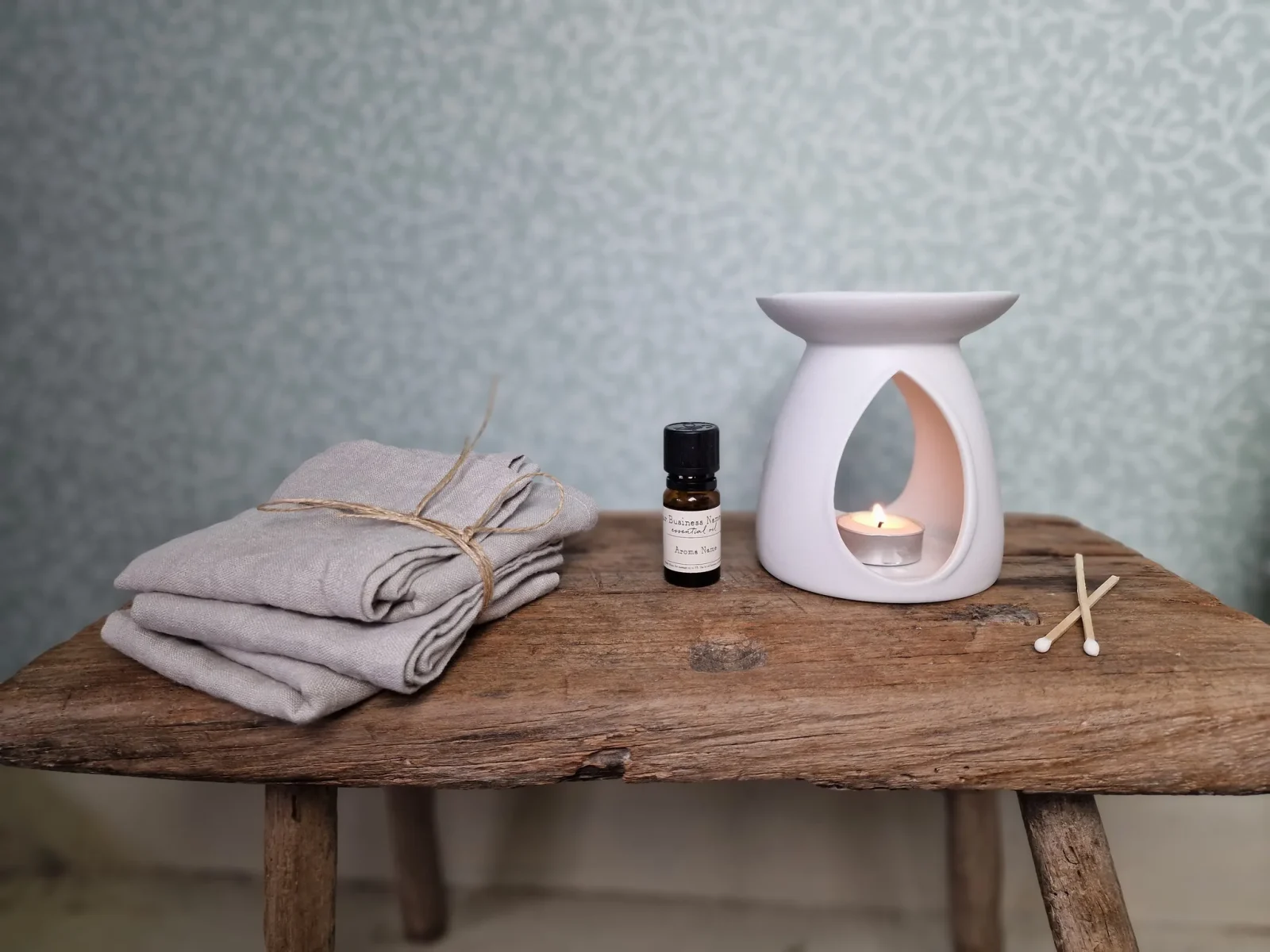
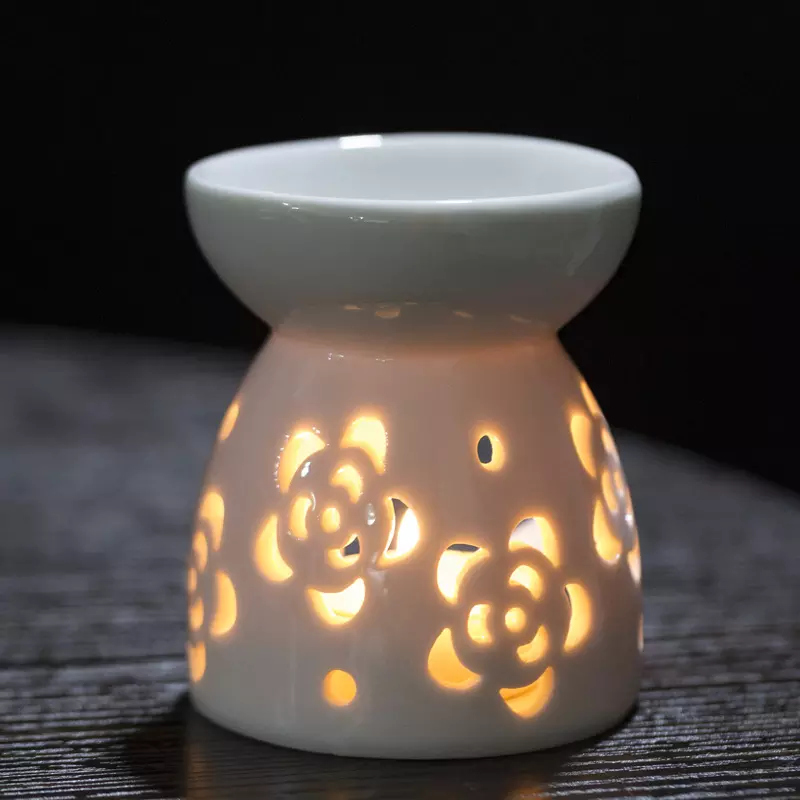
A tealight oil burner is a traditional home fragrance device that utilizes a small candle (a “tealight”) to gently heat an aromatic liquid or essential oil, causing it to evaporate and diffuse its scent into the surrounding space. Compared to electric diffusers, it places a greater emphasis on the combination of a natural heat source and the creation of a specific spatial ambiance.
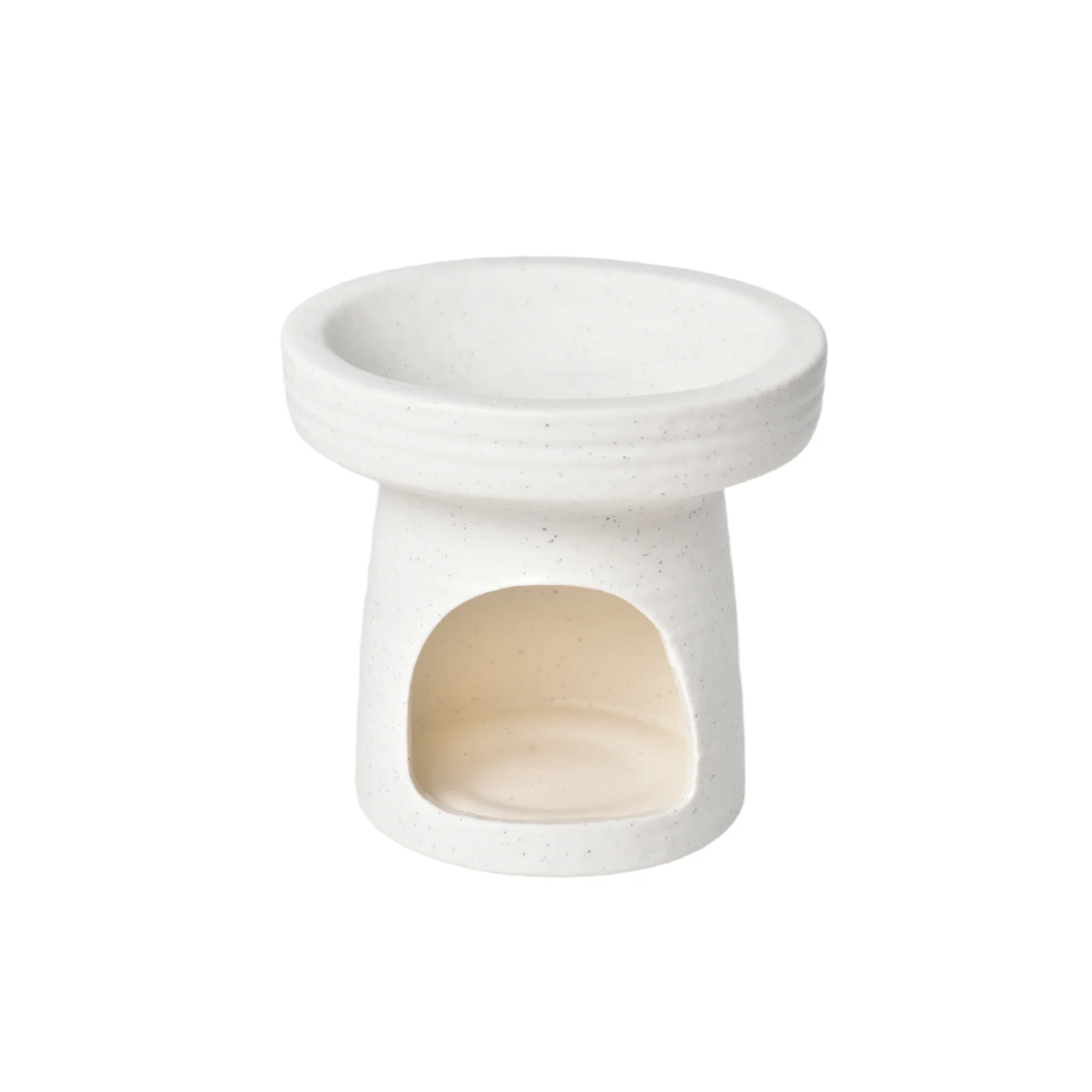
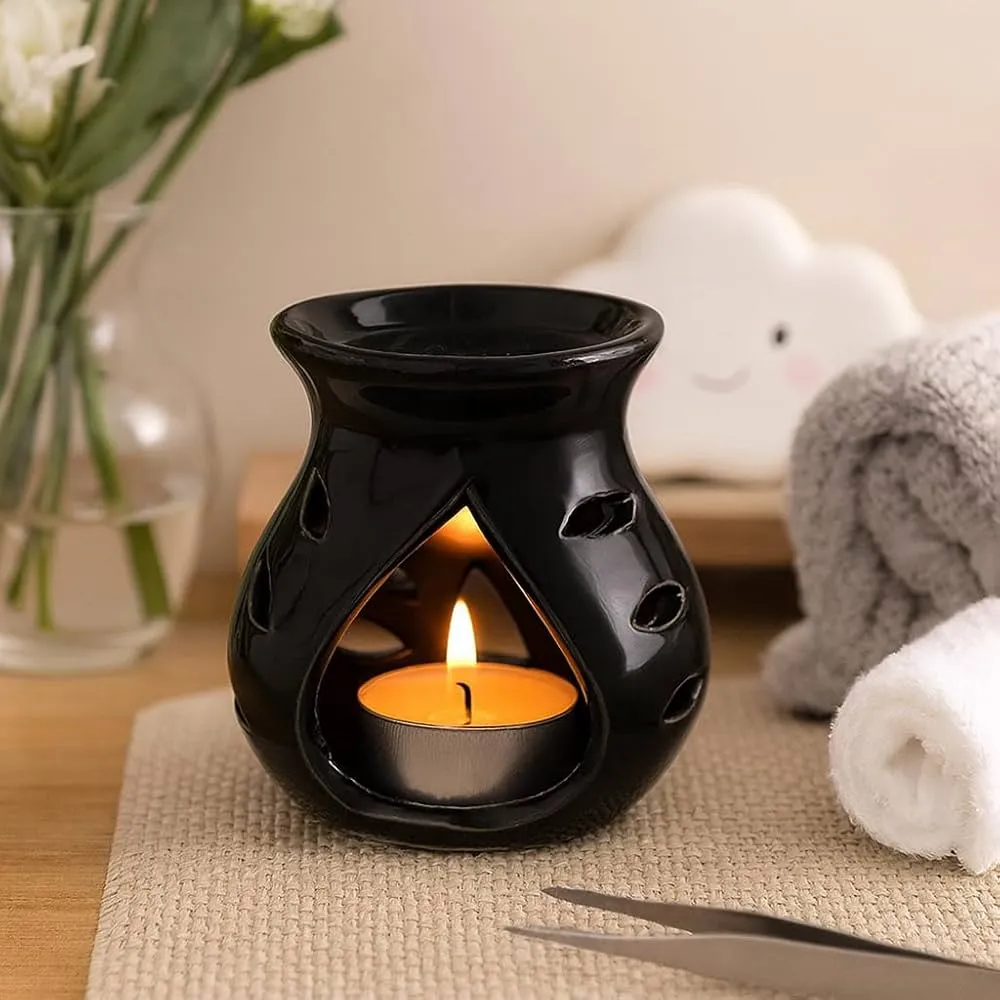
Its standard structure typically consists of:
- Upper Vessel (Bowl/Dish): Used to hold water and essential oils.
- Mid-section Support Structure: Connects the upper and lower components while facilitating airflow.
- Lower Burning Chamber: Houses the tealight candle and ensures adequate oxygen circulation.
👉 In the B2B market, it serves not merely as a functional product, but as a vehicle for home décor and emotional consumption.
How It Works: More Than Just “Heating”
The core mechanism of a tealight oil burner can be broken down into three distinct physical processes:
1. Heat Transfer
The burning tealight generates a flame temperature of approximately 800–1200°C, which is then conducted upward through the air and the ceramic structure of the burner.
2. Gentle Evaporation
The liquid in the upper vessel is heated to a temperature of approximately 40–60°C—the ideal range for the evaporation of essential oils (a temperature low enough to prevent high heat from damaging the molecular structure of the fragrance).
3. Convection Diffusion
The rising warm air carries the fragrance with it, facilitating a natural and uniform diffusion of scent throughout the space. 👉 Compared to electric diffusers, its key advantages are:
Softer, more natural, and creates a stronger “ambient atmosphere.”
Key Structural Design Considerations (Critical for Manufacturing & Sourcing)
For B2B buyers, structural design directly impacts both safety and user experience:
✔ Bowl Depth & Capacity
- Recommended Capacity: 30–50ml
- Prevents rapid water evaporation, thereby avoiding “dry burning” (heating without liquid).
✔ Distance Between Flame & Bowl Base
- Ideal Distance: 6–10cm
- Too Close: Excessive heat increases the risk of cracking.
- Too Far: Heating efficiency is compromised.
✔ Ventilation Hole Design
- Ensures oxygen circulation to enhance combustion stability.
- Simultaneously helps regulate flame size.
✔ Base Stability
- Anti-tipping design (particularly crucial for the retail market).
👉 These details often determine whether a product meets the safety and quality standards of Western markets (Europe & North America).
Material Comparison: Why Does Ceramic Dominate?
| 材料 | メリット | デメリット | Market Positioning |
|---|---|---|---|
| Ceramic | High heat resistance, highly moldable, premium texture | Heavier weight | Mainstream / Mid-to-High End |
| Glass | Transparent, visually appealing | Fragile | Decorative / Aesthetic |
| Metal | Sturdy structure | Conducts heat too quickly | Industrial Style |
| Resin | Low cost | Poor heat resistance | Low-End Market |
👉 In actual sourcing scenarios, ceramic tealight oil burners account for the largest market share, making them an ideal choice for brand clients and retail chains.
Why Do Tealight Oil Burners Continue to Be Global Best-Sellers?
1. Driven by Growth in the Home Fragrance Market
As “Home Fragrance” evolves into a major consumer trend, consumers are increasingly willing to invest in products that enhance their emotional well-being and sensory experiences. ### 2. Distinct Advantages of Non-Electric Products
- No electricity required
- Suitable for markets with varying voltage standards worldwide
- Reduces after-sales support risks
3. Strong Visual & Social Appeal
Flame + Fragrance = Greater potential for virality on Instagram / TikTok
4. High Repurchase & Cross-Selling Potential
Can be bundled with the following products:
- Essential oils
- Scented candles
- ギフトセット
👉 For B2B clients, this translates to higher Average Order Value (AOV) and repurchase rates.
Design Trends: The Key to Your Pricing Strategy
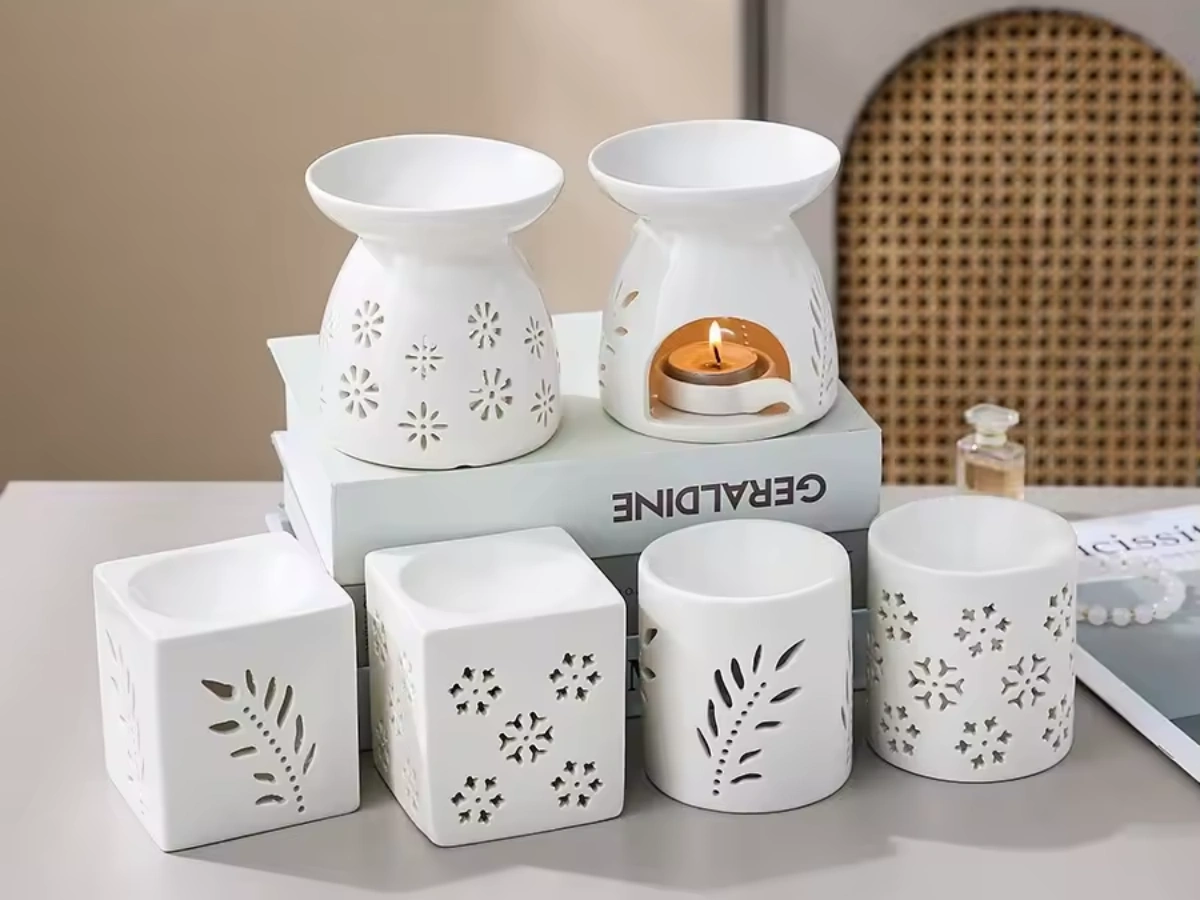
The current market is dominated by two major design directions:
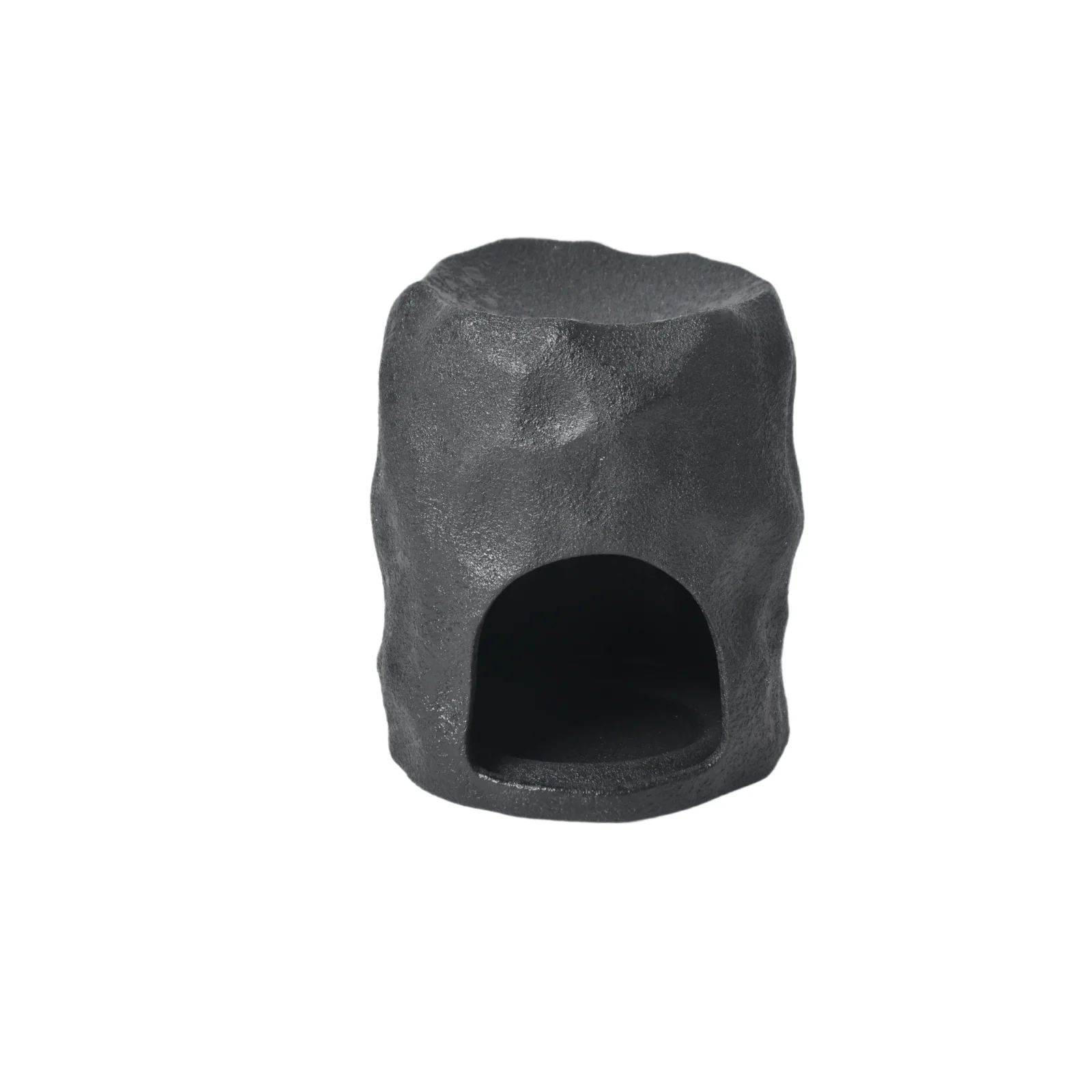
Minimalist Style
- Solid colors, matte finishes
- Nordic / Japanese aesthetics
- Ideal for long-term, evergreen sales
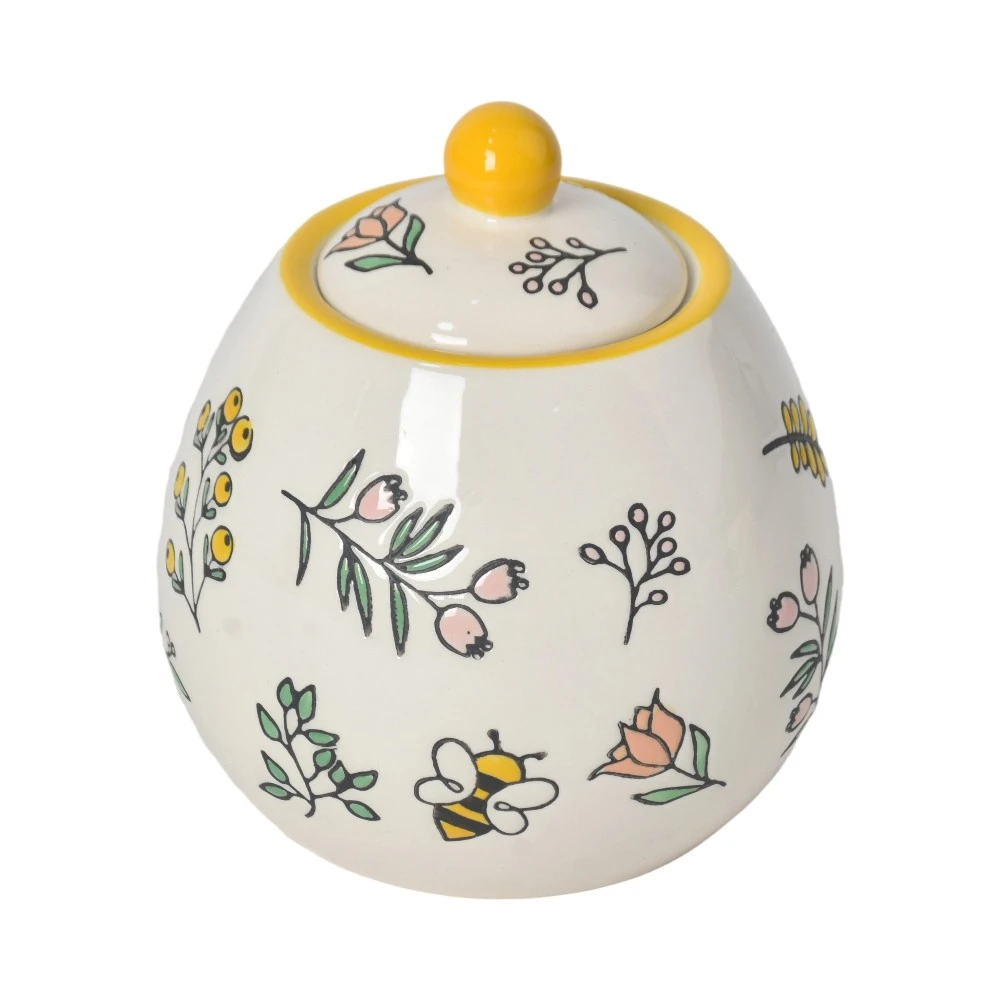
Decorative Style
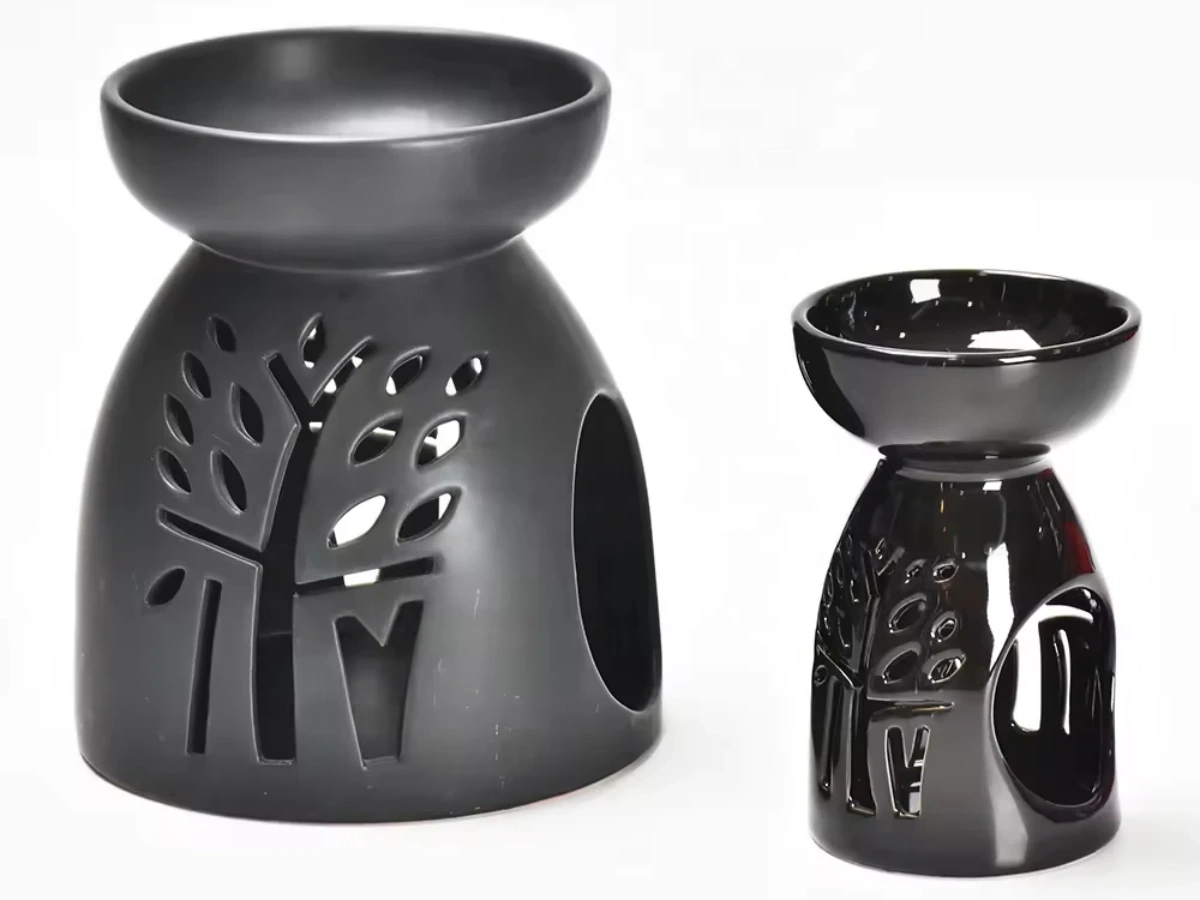
- Intricate cutouts, embossed textures
- Holiday themes (Christmas, Easter)
- Strong appeal for impulse purchases
👉 Strategic Recommendation: Develop a mix of “Core” (Basic) and “Seasonal” product lines.
Application Scenarios
| Scenario | Key Requirements | Product Recommendations |
|---|---|---|
| Retail Stores | High visual appeal + Price sensitivity | Standard models + Gift sets |
| SPAs | Strong atmospheric appeal | Large-format models + Stable structures |
| ホテル | Quality & Design consistency | Custom-designed models |
| ギフトマーケット | Packaging-centric appeal | Bundled gift sets |
FAQ: Buyers’ Most Pressing Questions
1. Why Are Tealight Oil Burners Popular in Home Fragrance Markets?
They combine functionality, decorative appeal, and emotional value; demand continues to rise, driven by the trend toward “upgrading the home living experience.”
2. Minimalist vs. Decorative Oil Burners: Which Sells Better?
Performance varies across different sales channels:
- Long-term Retail: Minimalist styles offer more stable sales.
- Holidays/Gifting: Decorative styles generate stronger sales spikes.
👉 The optimal strategy is to offer a diverse mix of SKUs.
3. Are Tealight Oil Burners Safe?
Yes, they are safe—provided they are designed in compliance with safety standards and used correctly. Key considerations include:
- Use of high-temperature-resistant ceramics
- Appropriate flame-to-surface distance
- Dry-burn protection design
👉 We recommend compliance with European and American testing standards (e.g., temperature rise tests).
4. How Does Design Impact Sales of Home Fragrance Accessories?
Design directly influences:
- Conversion rates (visual appeal)
- Premium pricing potential
- Brand recognition
👉 The essence of the high-end market is that “design drives sales.”
5. Tealight Oil Burner vs. Electric Diffuser?
| ディメンション | オイルバーナー | Diffuser |
|---|---|---|
| Ambiance | Strong | Subtle |
| Convenience | Moderate | 高い |
| Cost | 低い | 高い |
👉 Most brands opt for a dual-product-line strategy.
6. How to Prevent Cracking Issues?
- Control firing temperatures
- Use high-density ceramics
- Optimize structural design
7. Is This Suitable for OEM/ODM?
It is highly suitable; customization options include:
- Exterior styling/shape
- Glaze effects
- Logo placement and packaging
Conclusion: The Business Logic Behind the Product
The tealight oil burner is not merely a simple commodity; rather, it is a composite product that integrates:
- Home aesthetics
- Emotional consumption
- The fragrance economy
For B2B buyers, selecting the right supplier translates to:
👉 More consistent quality
👉 More competitive designs
👉 Higher market returns
Qunfaセラミックスと提携
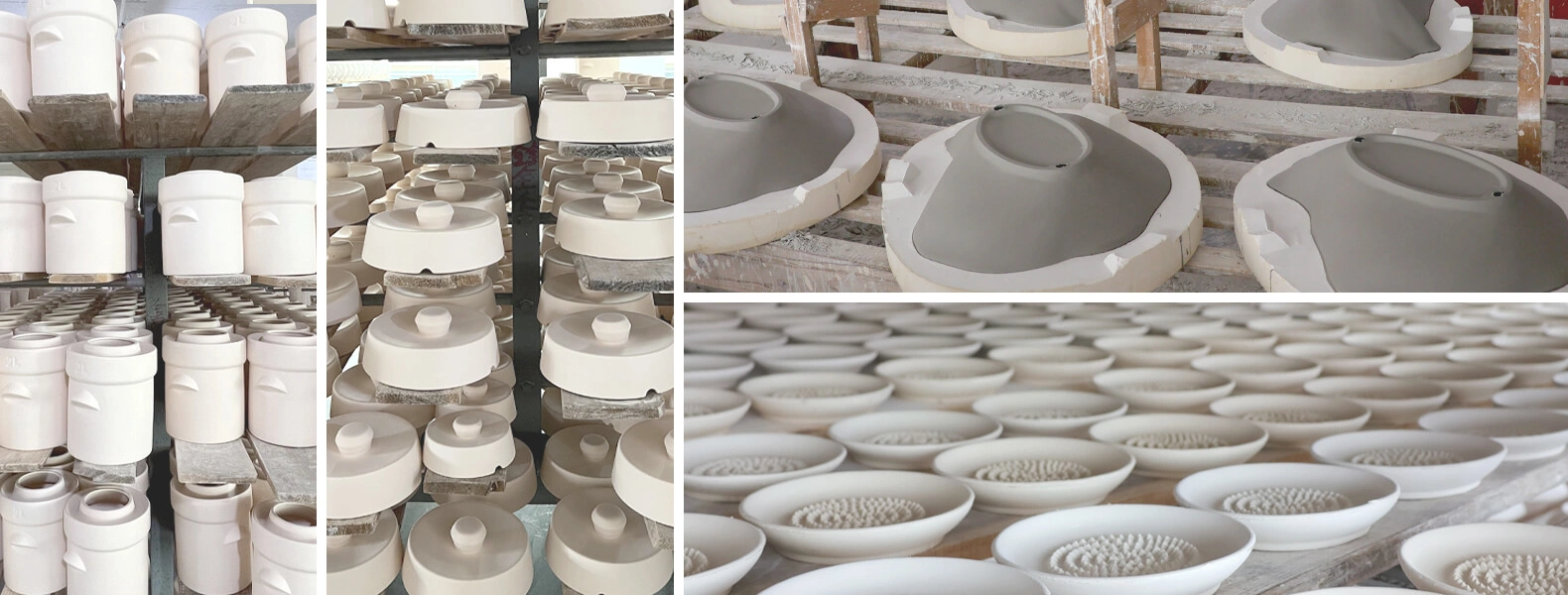
1993年に設立され、, 群発陶磁器 is a leading enterprise specializing in the R&D and manufacturing of home ceramic products. We operate a modern 30,000-square-meter production facility and employ a professional team of over 400 staff members.
As a long-term supplier to international brands such as Walmart, Costco, Aldi, and Disney, we possess mature OEM/ODM capabilities. From design development to mass production, we provide our clients with stable, high-quality product solutions.
Within the home fragrance sector, we offer a diverse range of tealight oil burner designs and support extensive customization, helping you build a product line with strong market competitiveness.
👉 Please feel free to contact us for our product catalog, samples, and customized solutions.