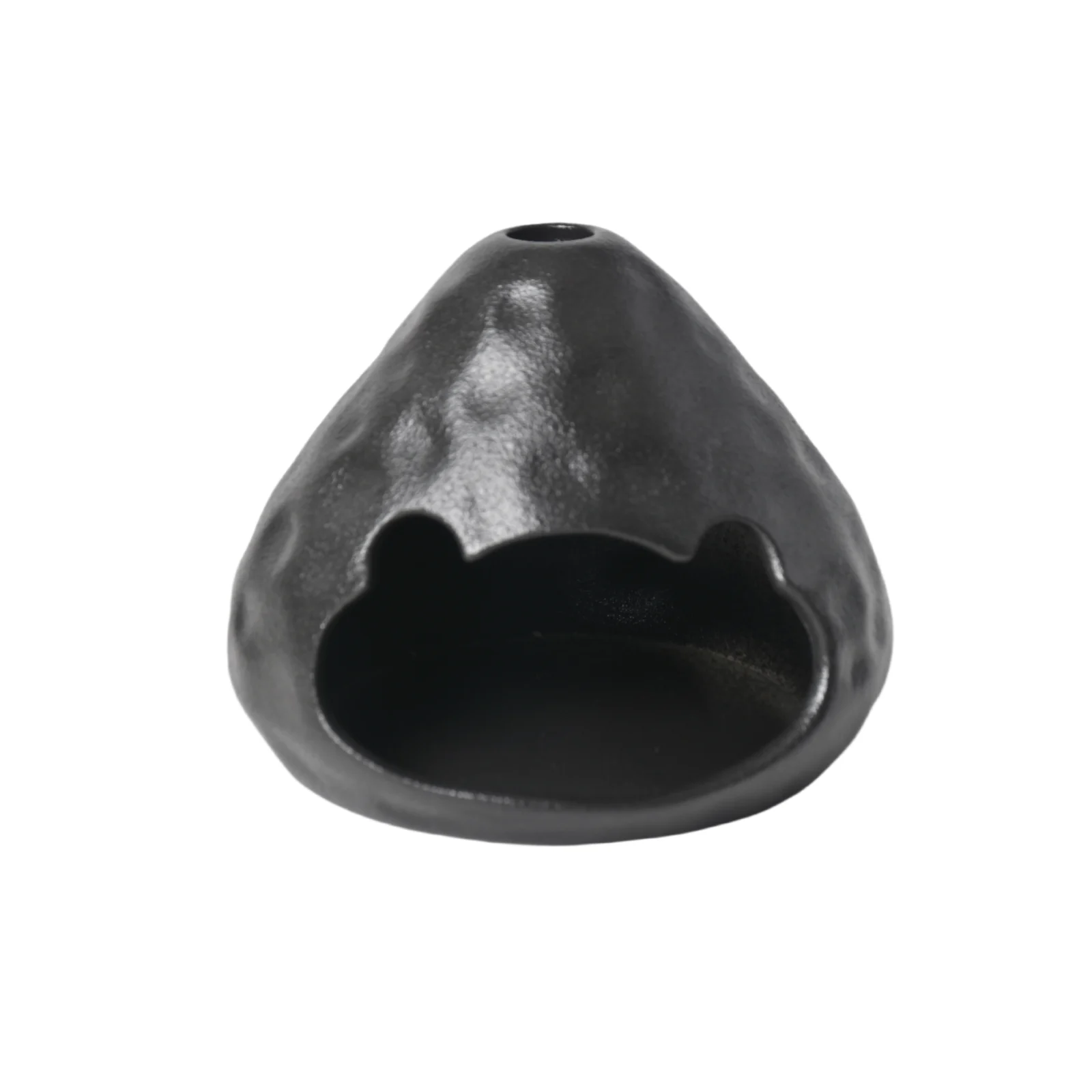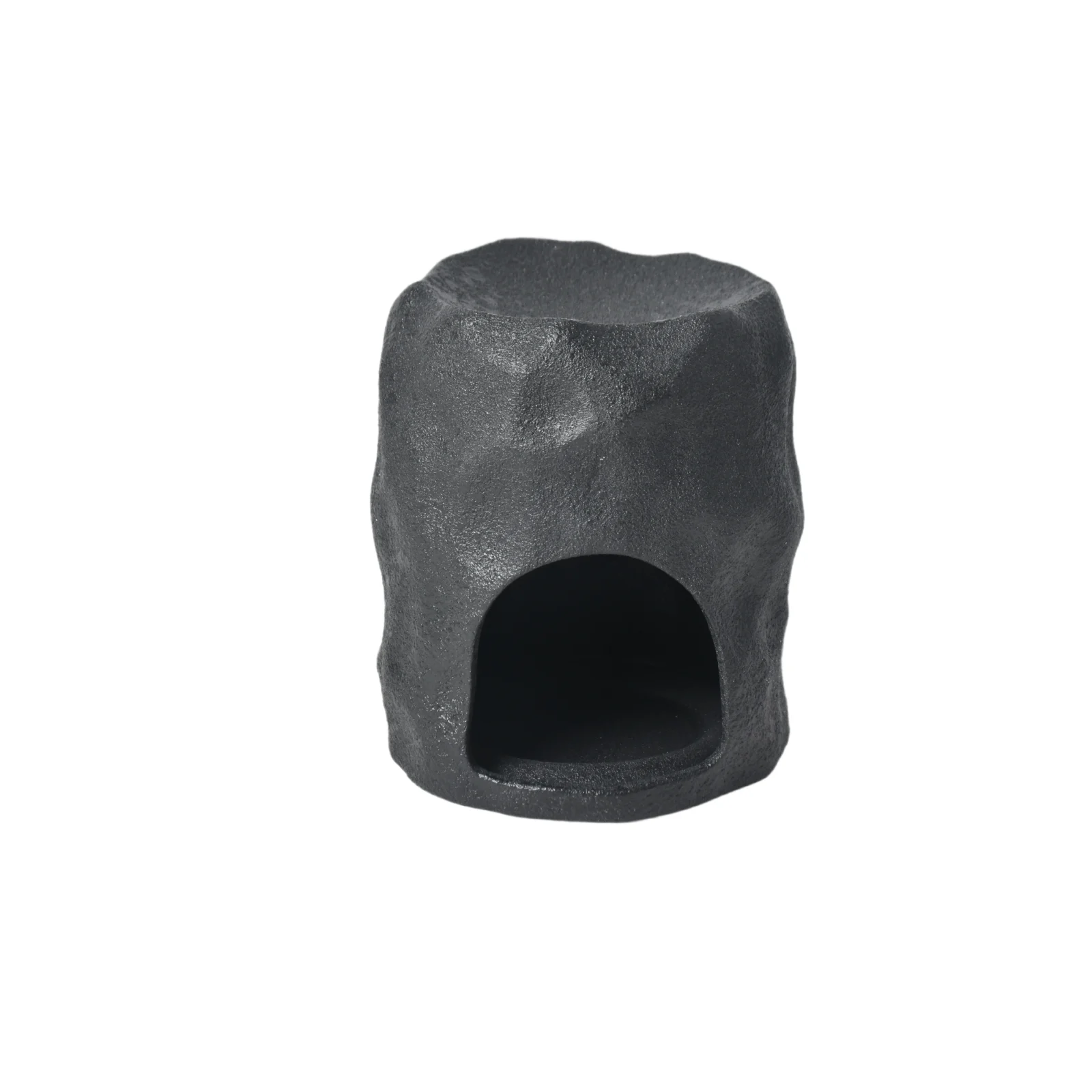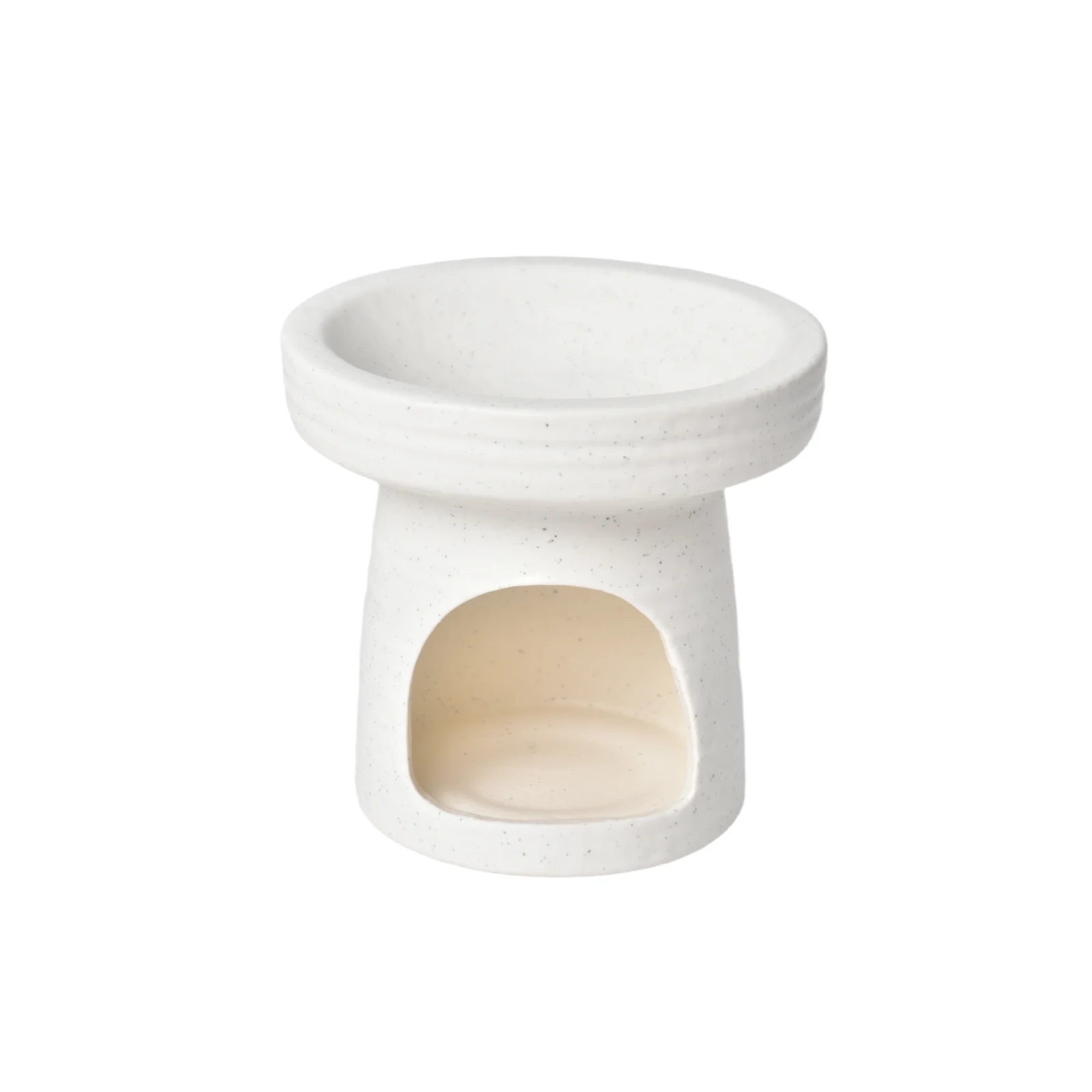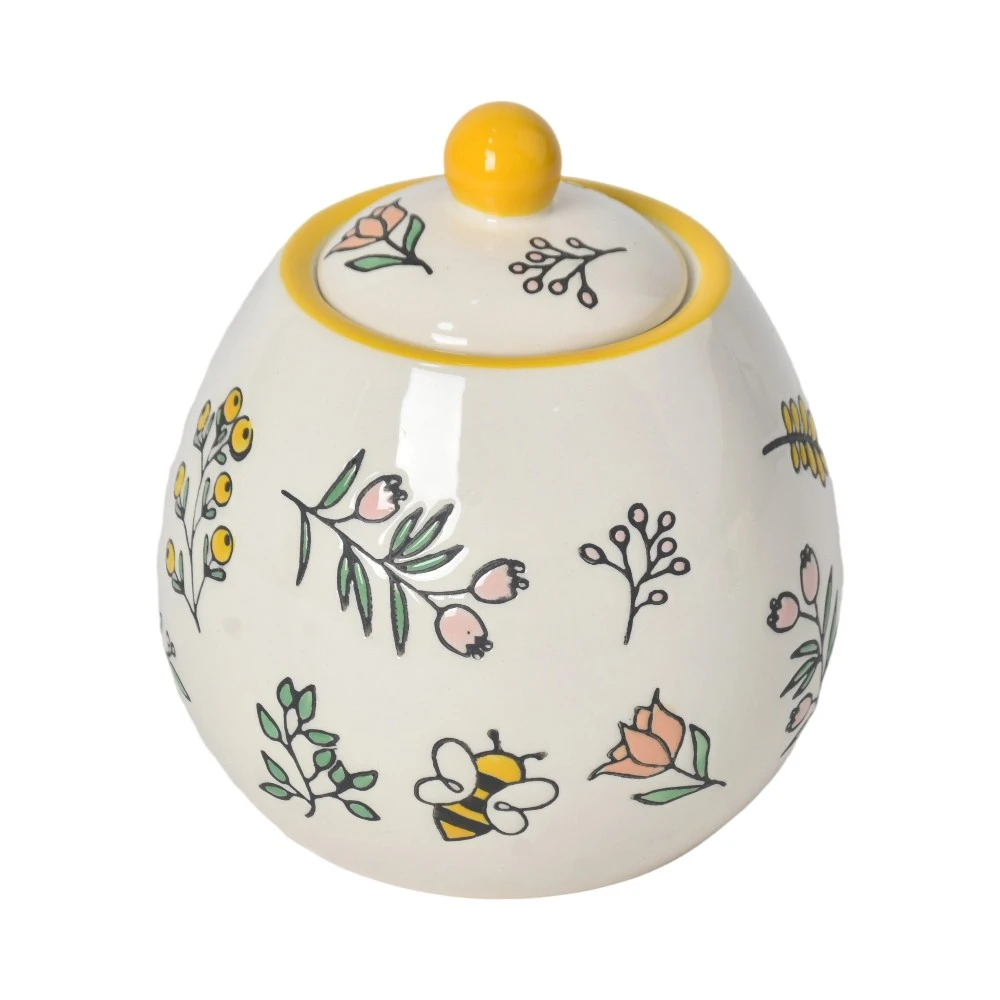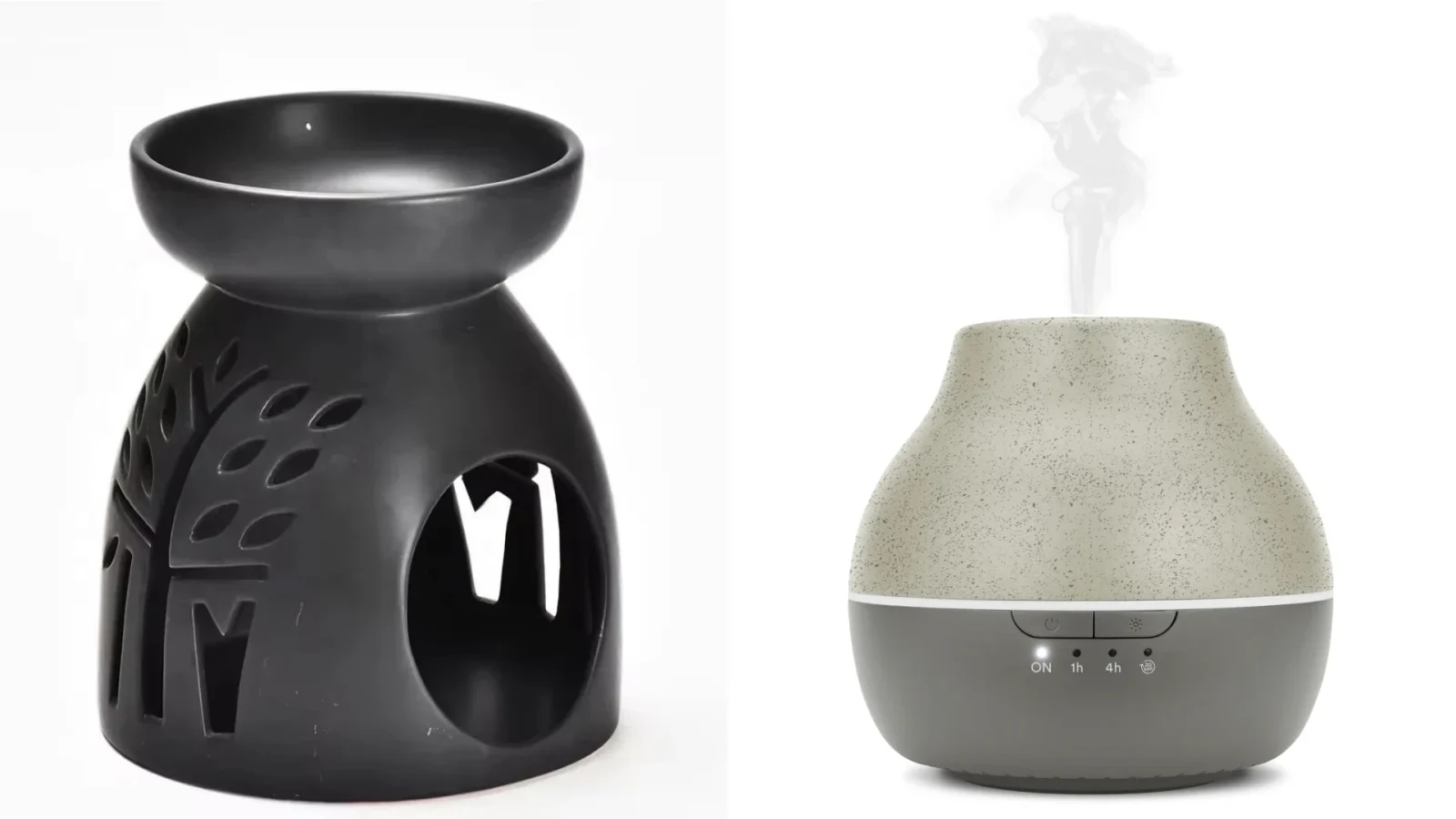
A ceramic oil burner vs. electric diffuser comparison helps home fragrance brands, wholesalers, and retailers select products that match their customers’ preferences and price positioning. Ceramic oil burners use a tealight candle to warm a fragrance mixture, while electric diffusers use powered mechanisms to disperse fragrance, depending on the device type.
Neither option is universally better. The right choice depends on how customers want to use the product, the atmosphere they prefer, the required maintenance, and the role the product plays in a retail collection.
For buyers developing a home fragrance range, understanding these differences can help create a more balanced product assortment.
1. How Do Ceramic Oil Burners and Electric Diffusers Work?
Ceramic Oil Burners
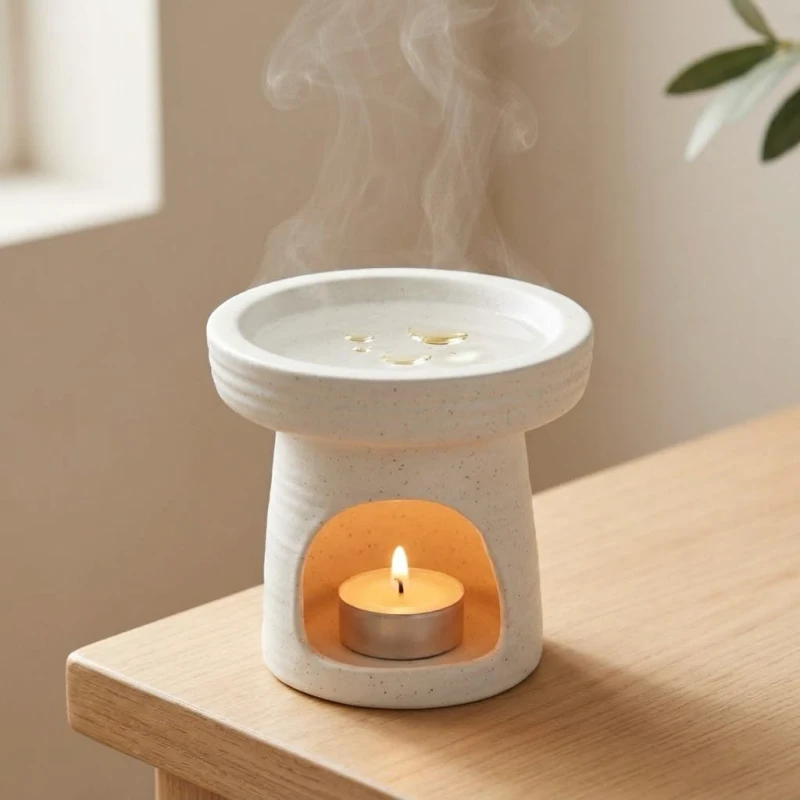
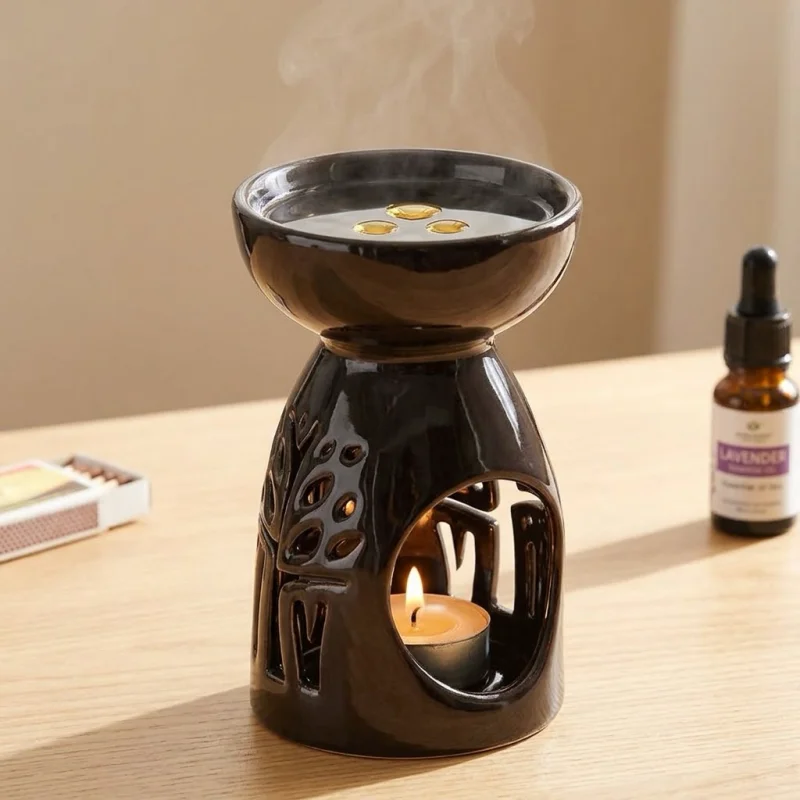
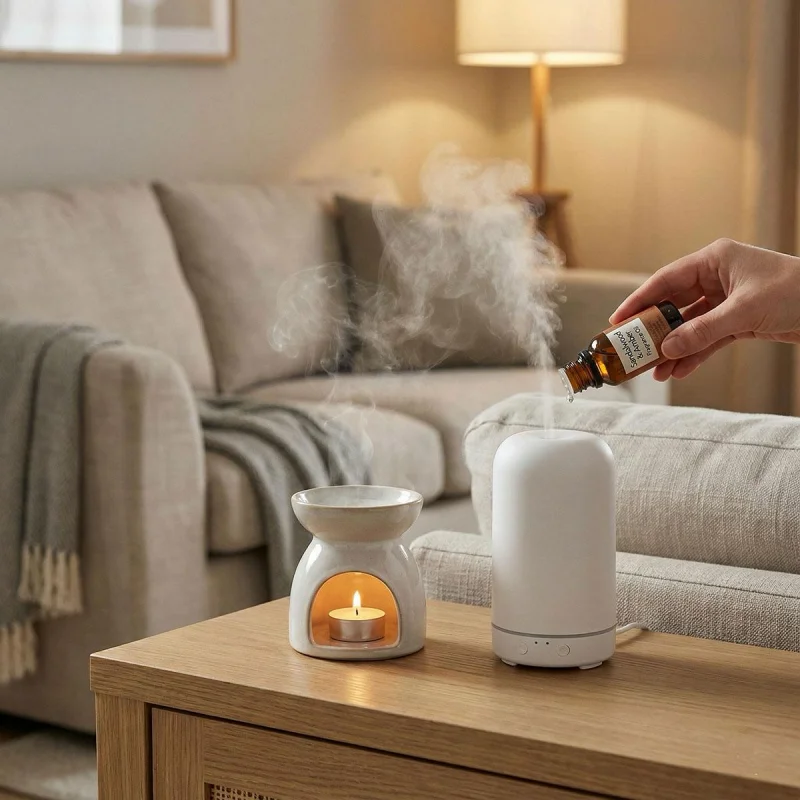
A ceramic oil burner typically consists of a bowl or dish above a chamber that holds a tealight candle. The bowl usually contains water and a suitable amount of essential oil or fragrance oil, according to the product instructions.
The candle warms the liquid, helping release its fragrance into the surrounding space. The ceramic body also adds a decorative element, making it suitable for display on shelves, tables, and other appropriate surfaces.
Key characteristics include:
- Uses a tealight candle as its heat source.
- Combines fragrance use with decorative ceramic design.
- Does not require an electrical connection.
- Requires supervision and careful handling because it uses an open flame.
Electric Diffusers
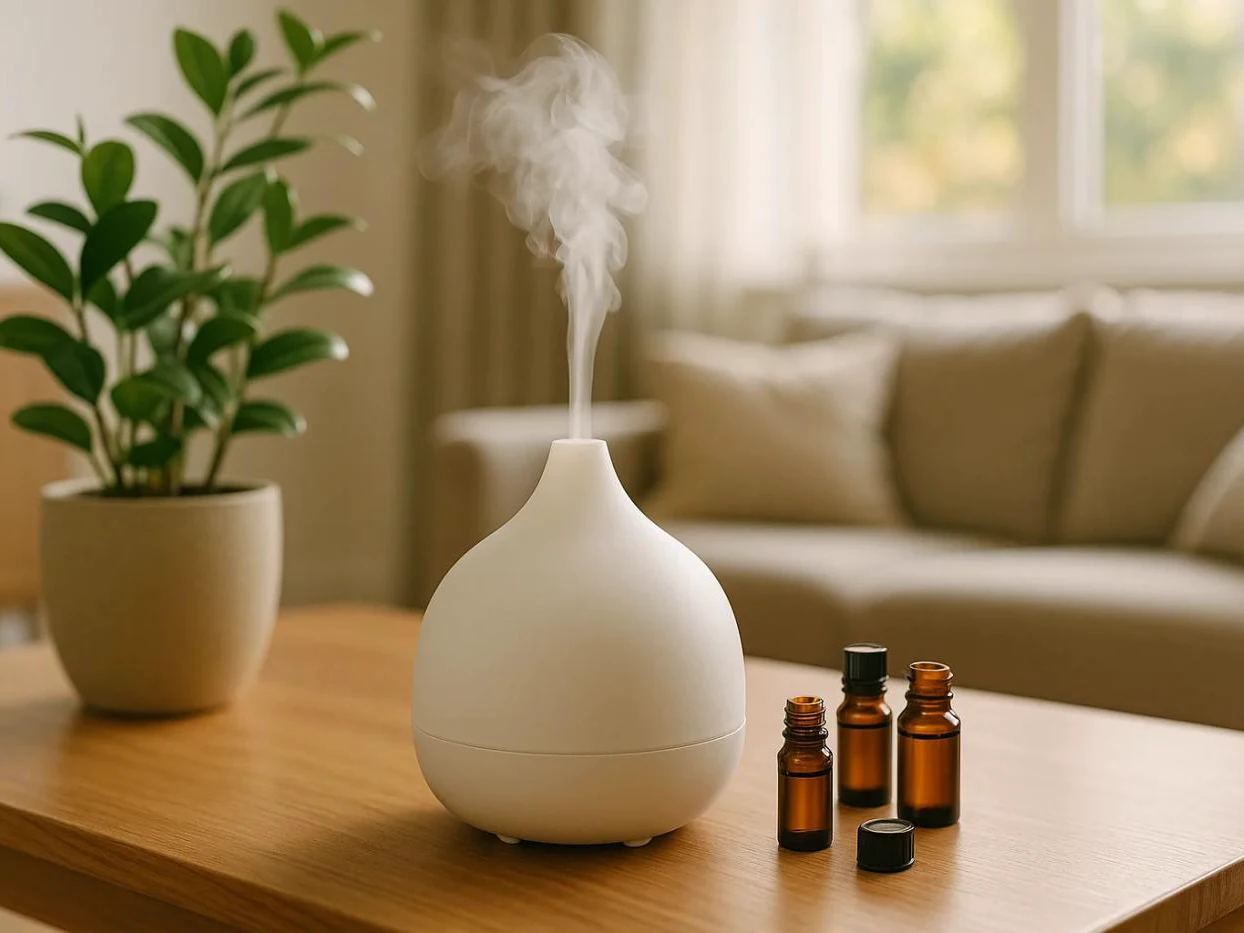
An electric aroma diffuser uses electricity to disperse fragrance. Depending on the design, it may use ultrasonic vibration, airflow, or heat.
Some models operate with water and essential oils, while others use fragrance directly or require compatible cartridges. Buyers should check the intended operating method before selecting a product.
Key characteristics include:
- Requires a power source or charging, depending on the model.
- May offer timers, lighting, or other electronic features.
- Often requires cleaning or component maintenance.
- Does not necessarily use an open flame, although the operating instructions still need to be followed.
2. Ceramic Oil Burner vs. Electric Diffuser: Key Differences
| Comparison factor | Ceramic Oil Burner | Electric Diffuser |
|---|---|---|
| Energy source | Tealight candle | Electricity or battery, depending on model |
| Fragrance release | Heat-assisted evaporation | Depends on the diffuser mechanism |
| Visual style | Ceramic form, glaze, texture, and candlelight | Often combines a housing with electronic components |
| Portability | No electrical connection required, but a flame limits suitable use | Depends on power source and design |
| Maintenance | Bowl cleaning and candle replacement | Varies by water tank, cartridge, or diffusion system |
| Product development | Focuses on ceramic form and finish | May require electronics, components, and technical testing |
| Main retail appeal | Decorative design and candlelit ambiance | Convenience and potential electronic functions |
The comparison is not simply about which product performs better. Each format serves a different user preference and product positioning.
3. Which Product Is Better for Different Customer Needs?
For Decorative Home Fragrance Collections
A ceramic oil burner can suit collections where the product’s appearance is as important as its fragrance function. Shape, glaze, surface texture, and cutout patterns can help retailers build a distinctive visual assortment.
For Customers Who Prefer Electronic Convenience
Electric diffusers may be more suitable for buyers looking for features such as adjustable settings, timers, or automatic operation, depending on the model.
These features can also create additional product-development and after-sales considerations for brands.
For Gift and Seasonal Collections
Both product types can work in gift assortments. Ceramic oil burners offer opportunities for decorative finishes, seasonal shapes, coordinated colors, and customized packaging.
Electric diffusers may appeal to customers who prioritize electronic functions. The best option depends on the target price, customer expectations, and the rest of the gift collection.
4. What Should Wholesale Buyers Consider Before Choosing?
For B2B buyers, product selection should account for more than the initial unit price.
Target market and positioning: Decide whether the product belongs in an affordable homeware range, a decorative collection, or a higher-priced gift assortment.
Product design: Consider how the shape, finish, color, and overall appearance fit your brand identity.
Safety and instructions: For candle-operated products, assess flame clearance, stability, heat exposure, and appropriate warnings. Electric products require their own electrical and operational safety assessment.
Packaging and shipping: Ceramic products need suitable protective packaging. Electric products may require additional packaging and documentation for electronic components.
Order quantities and customization: Confirm minimum order quantities, sampling arrangements, lead times, and the feasibility of your requested changes before committing to a production order.
5. Why Ceramic Oil Burners Offer Design Opportunities for Private Labels
For brands seeking a distinctive home fragrance collection, a ceramic oil burner provides several areas for product differentiation.
Depending on the design and production requirements, customization may include:
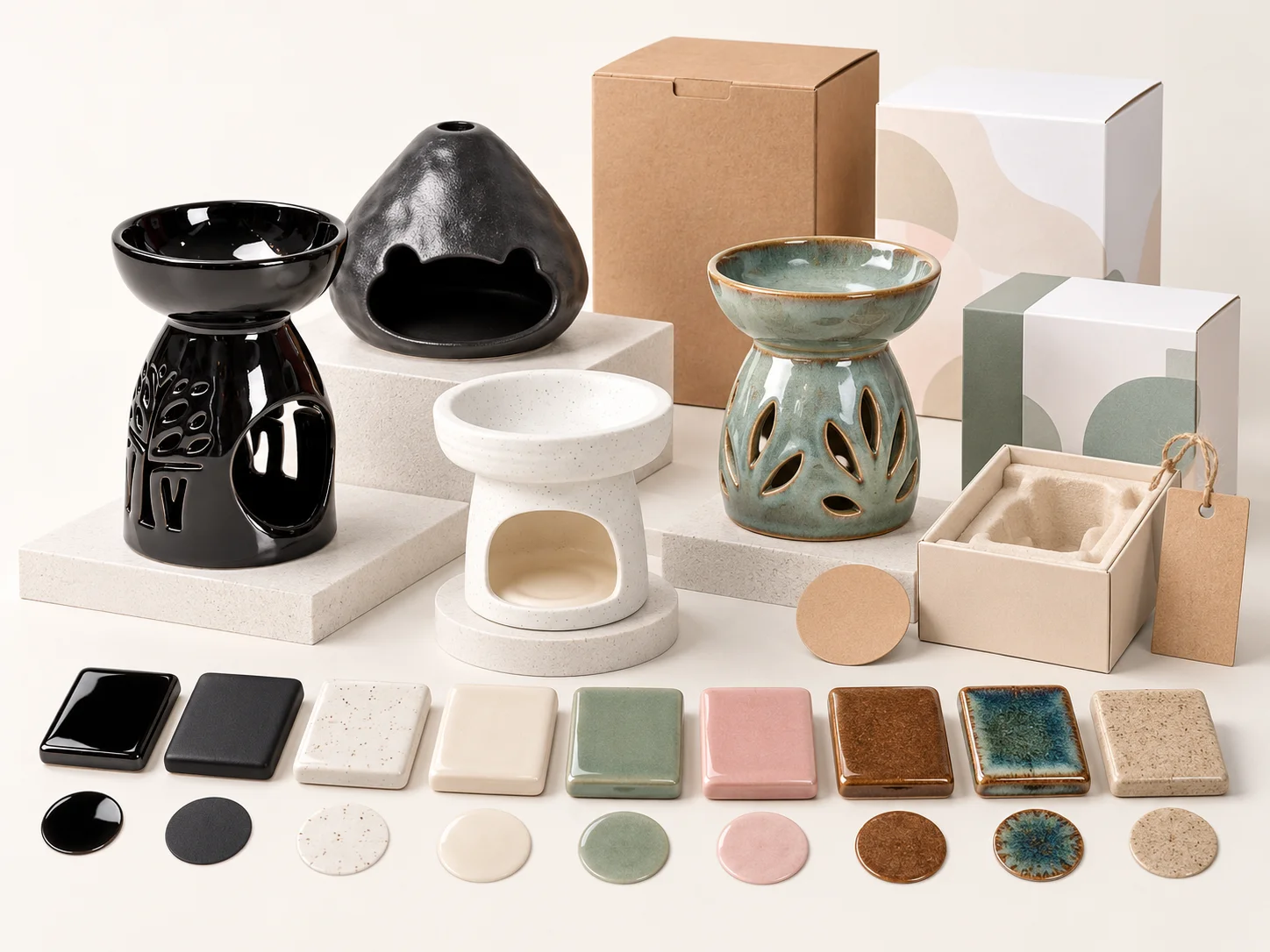
- Shape: Round, square, oval, polygonal, or other suitable forms.
- Color: Single-color, two-tone, gradient, or metallic-effect finishes.
- Glaze: Matte, glossy, reactive, or crackle effects.
- Decoration: Decals, hand painting, embossing, or other suitable techniques.
- Packaging: Retail boxes, display boxes, or gift packaging.
These options allow buyers to develop products that fit their brand positioning rather than relying exclusively on standard designs.
For example, a minimalist collection might use restrained colors and clean silhouettes, while a seasonal gift range could emphasize decorative cutouts, contrasting finishes, and coordinated packaging.
6. How to Choose the Right Product for Your Business
Use the following decision framework when planning your next collection:
- Choose ceramic oil burners if your customers value ceramic craftsmanship, decorative finishes, and candlelit ambiance.
- Consider electric diffusers if your target audience prioritizes electronic functions and convenient operation.
- Consider carrying both if you want to serve different preferences and price segments within the home fragrance category.
Before finalizing your selection, request product specifications, confirm intended usage, review packaging options, and assess the applicable safety requirements for your target market.

Foire aux questions
Is a ceramic oil burner the same as an electric diffuser?
No. A ceramic oil burner typically uses a tealight to heat a fragrance mixture, whereas an electric diffuser uses a powered mechanism to disperse fragrance.
Which is easier to maintain?
Maintenance depends on the design. Ceramic oil burners require bowl cleaning and safe candle handling. Electric diffusers may require tank cleaning, cartridge replacement, or other maintenance specified by the manufacturer.
Can ceramic oil burners be customized for wholesale orders?
Yes. Depending on the design, buyers can discuss customized shapes, colors, glazes, decoration, logos, and packaging with a ceramic manufacturer.
Which product is better for a private-label brand?
Both can suit private-label programs. Ceramic oil burners may be particularly suitable for brands that want to differentiate their products through ceramic design, glaze effects, and decorative styling.
Develop Your Home Fragrance Collection with Qunfa
Choosing the right product format is the first step toward building a home fragrance collection that fits your market. If ceramic design, decorative finishes, and private-label development are priorities, working with an experienced ceramic manufacturer can help turn your product ideas into a practical sourcing plan.
Guangdong Qunfa Ceramics Co., Ltd., established in 1993, offers ceramic aroma burner designs and OEM/ODM support for suitable projects. Customization options can include product shape, color, glaze, decoration, and packaging, depending on the design.
Looking for wholesale ceramic oil burners for your next collection?
Explore Qunfa’s Ceramic Aroma Products or contact our team to discuss your product requirements, target quantities, and customization options.