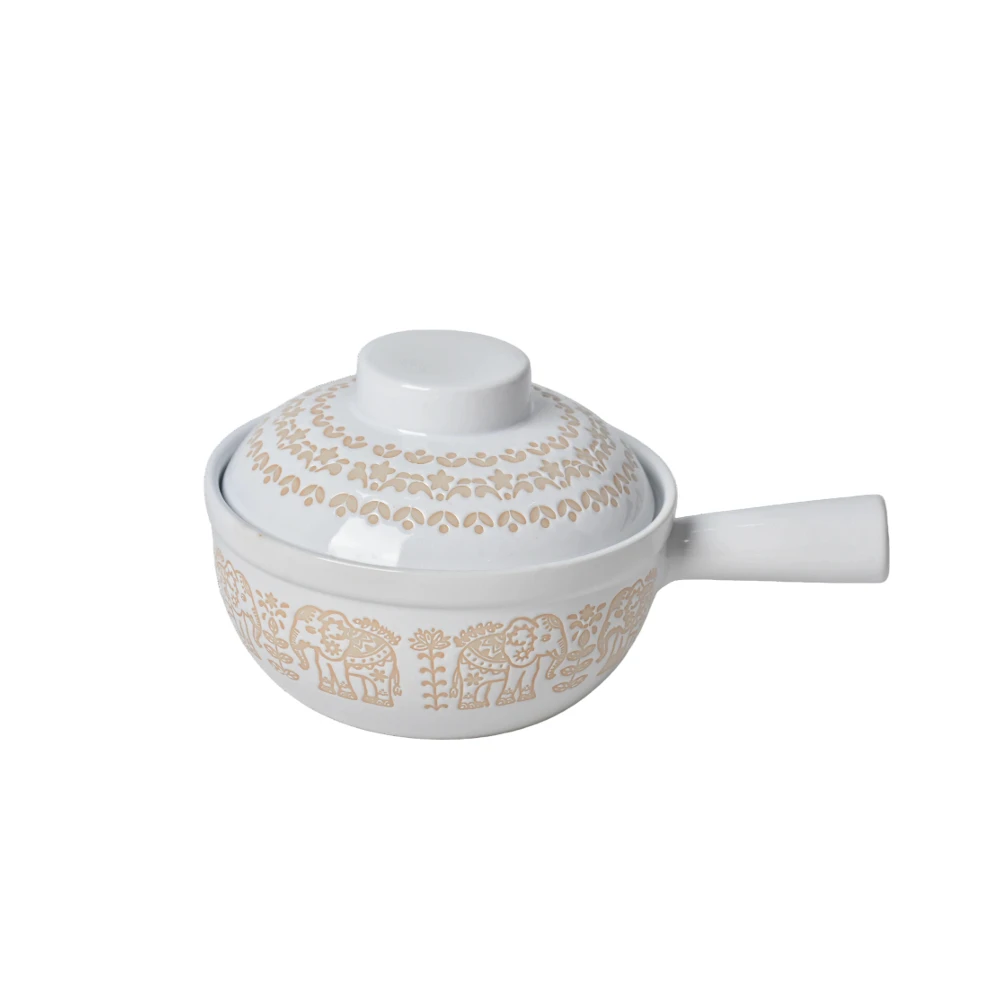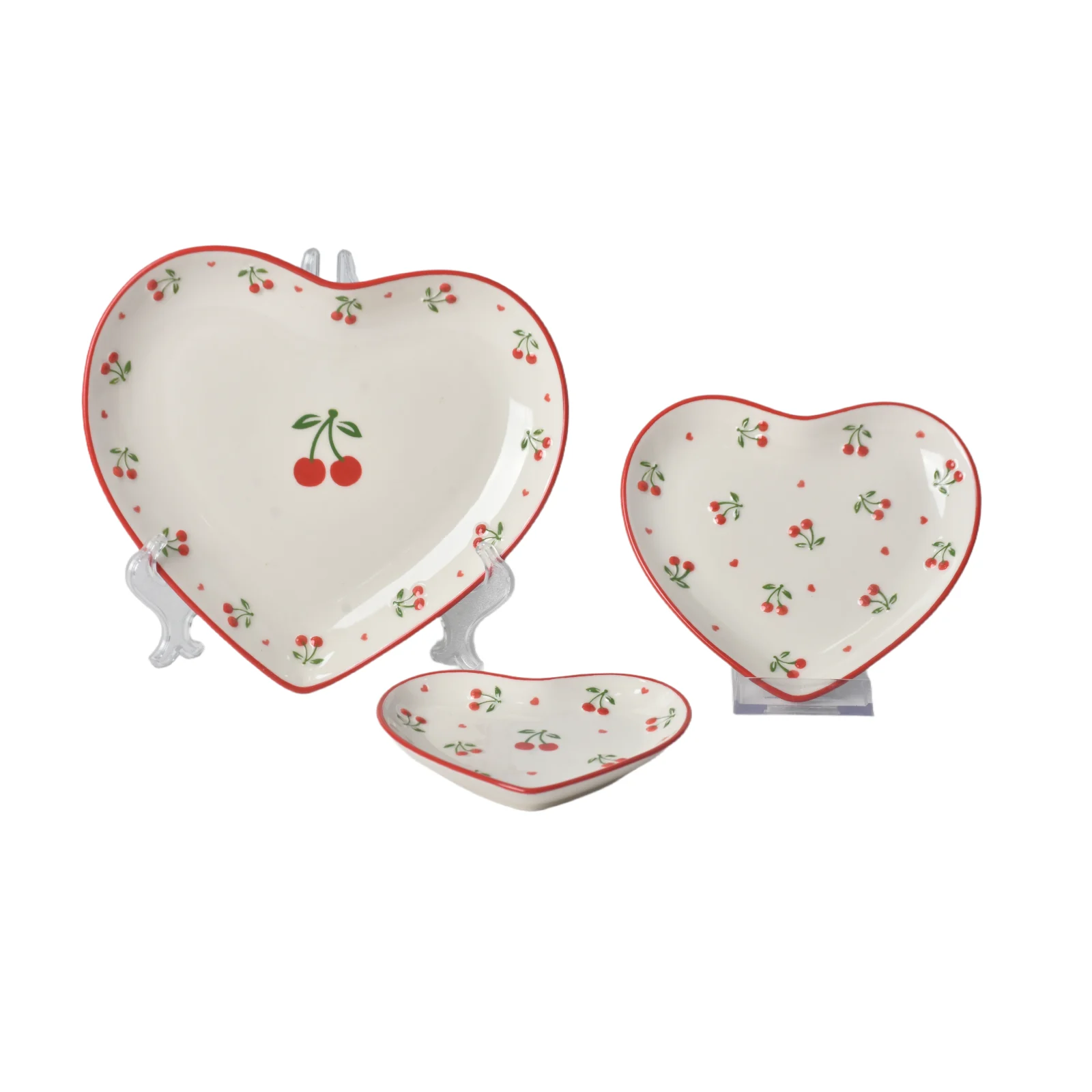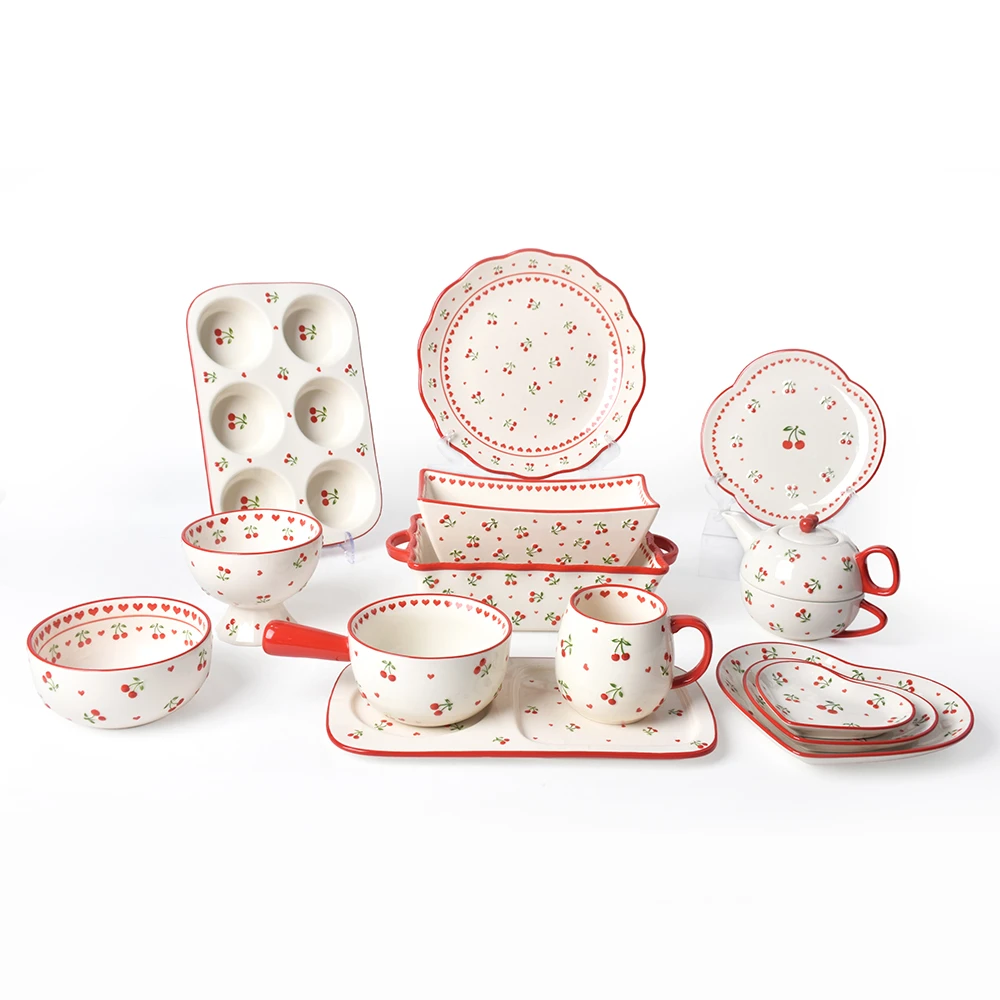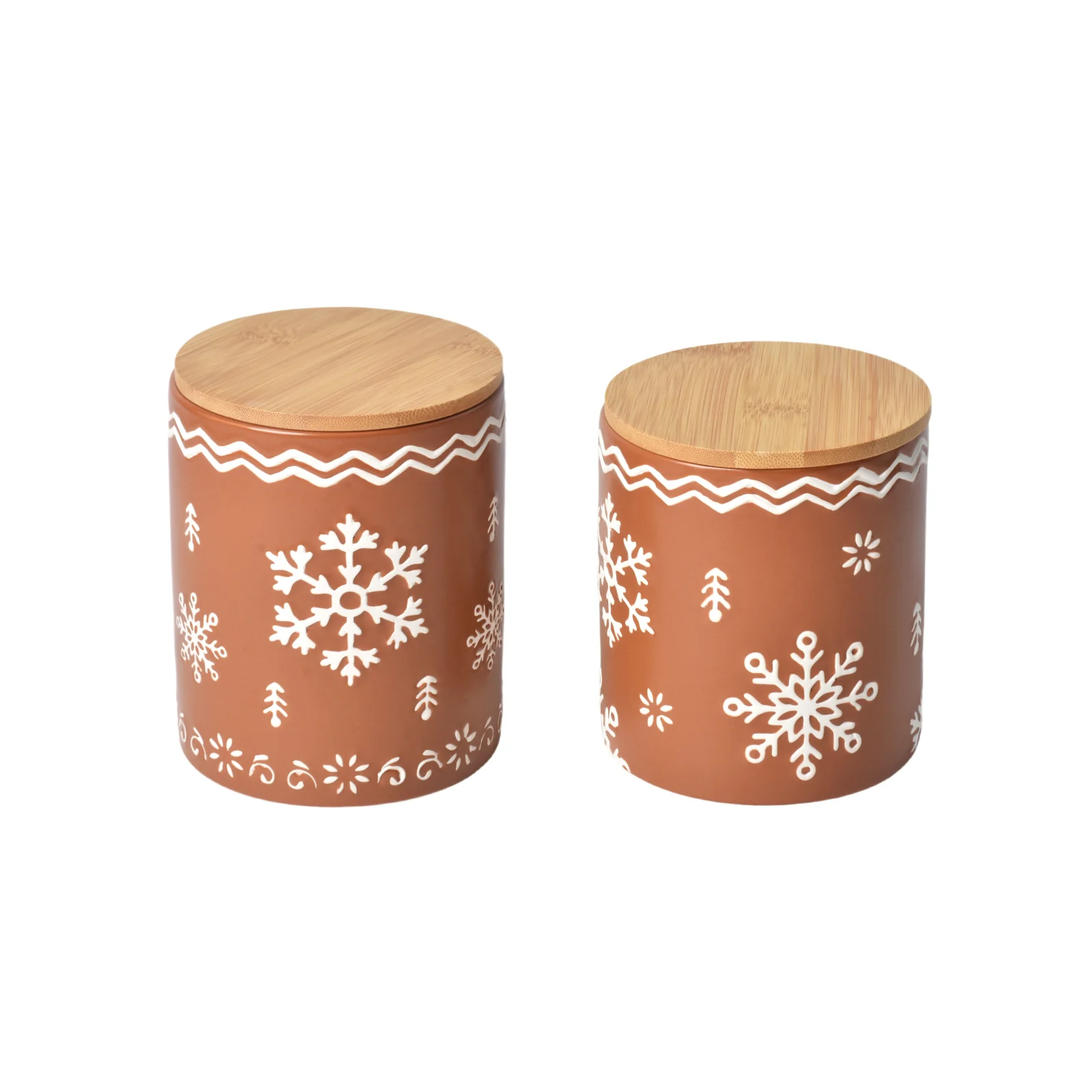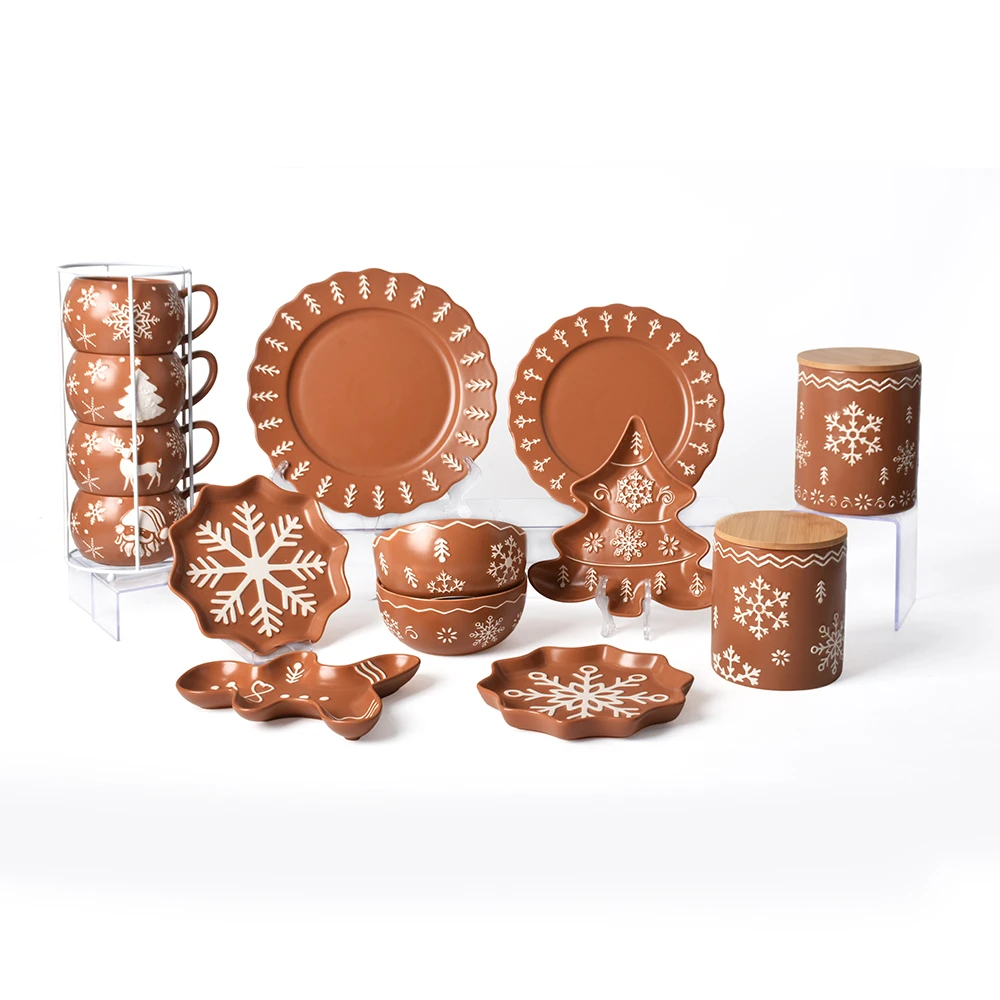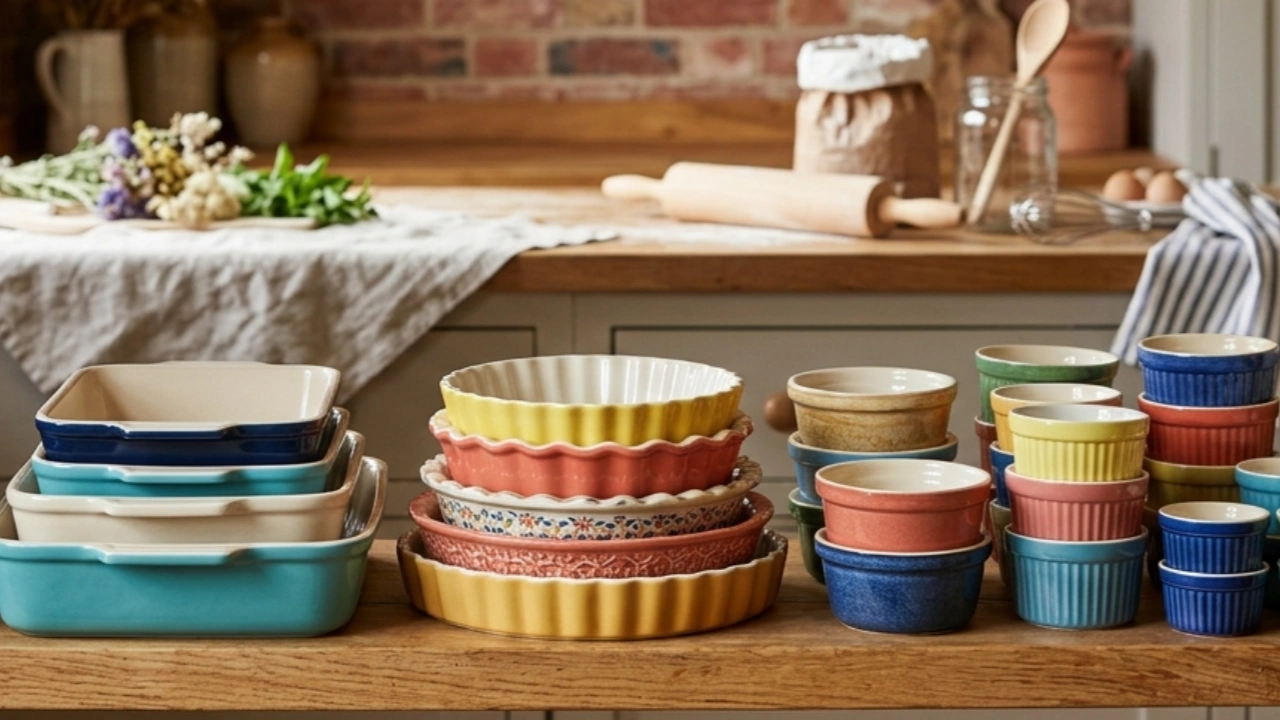
Sourcing wholesale ceramic bakeware may seem simple, but many buyers easily overlook key details during supplier selection, quality assessment, and custom development, leading to inconsistent product quality, delivery delays, and even increased costs. This article summarizes the 7 most common mistakes when sourcing ceramic bakeware to help importers, brand owners, and wholesalers reduce procurement risks and improve supply chain efficiency.
Quick Answer
The most common mistakes when sourcing wholesale ceramic bakeware include: focusing solely on price, neglecting heat resistance testing, not understanding supplier capacity, ignoring food safety certifications, neglecting packaging solutions, lacking OEM/ODM planning, and failing to establish long-term supply chain partnerships. Avoiding these problems can effectively reduce procurement risks and improve product competitiveness.
Why is Sourcing Ceramic Bakeware Requires Extra Caution?
In recent years, with the development of the home baking market and the catering industry, the demand for ceramic bakeware has continued to grow. Compared to metal and glass baking utensils, ceramic products offer advantages such as superior heat retention, aesthetic appeal, and suitability for direct tabletop display, making them widely popular among consumers in European and American markets.
However, finding reliable wholesale ceramic bakeware suppliers is not easy for importers, retail brands, and wholesalers. Many procurement projects fail not due to insufficient market demand, but rather due to avoidable problems in the procurement process.
Below are seven of the most common mistakes buyers make.
Mistake #1: Focusing Only on Price While Ignoring Overall Value
Many buyers, when searching for wholesale ceramic bakeware, primarily compare unit prices.
While lower prices can reduce procurement costs, focusing too much on price can lead to the following problems:
- Lower quality raw materials
- Inconsistent glaze quality
- Lower product yield
- Unstable delivery times
- Increased after-sales issues
In reality, procurement costs include not only product price but also transportation costs, return costs, quality complaints, and inventory risks.
For established brands, consistent quality is often more important than saving a few cents per product.
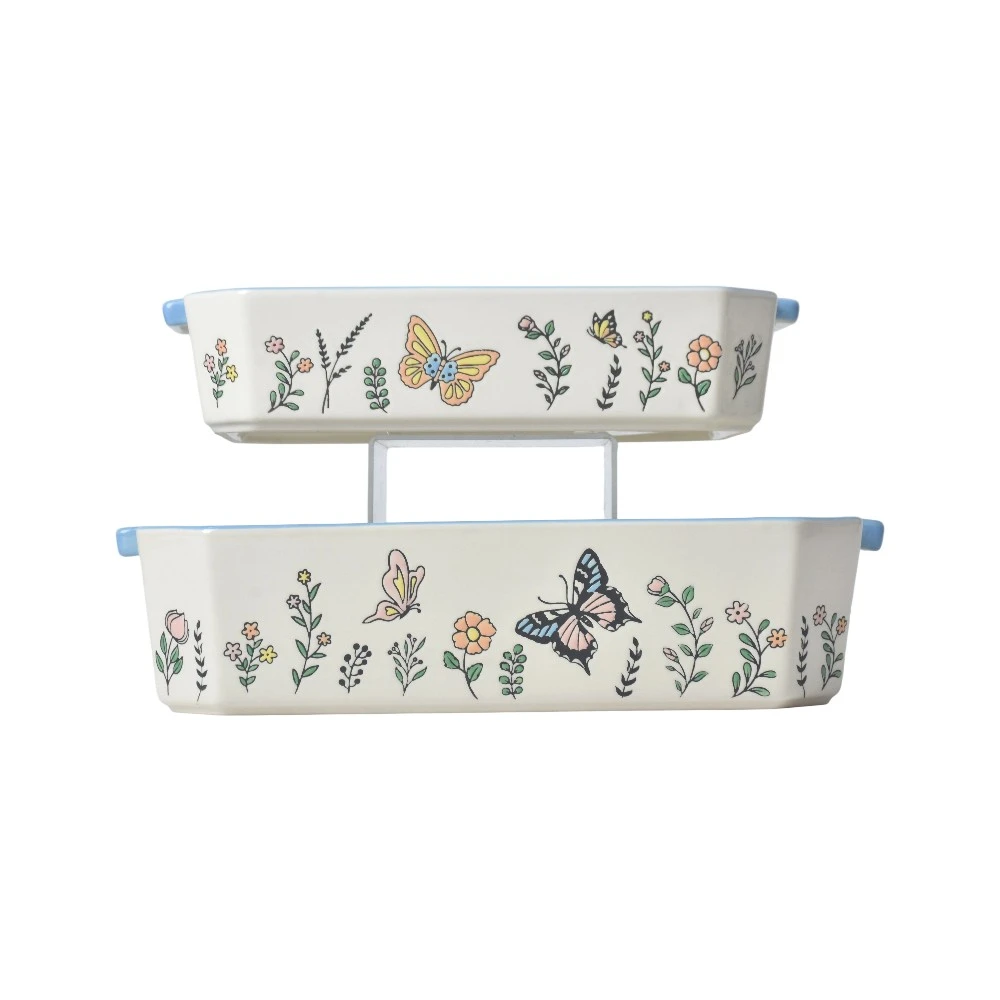
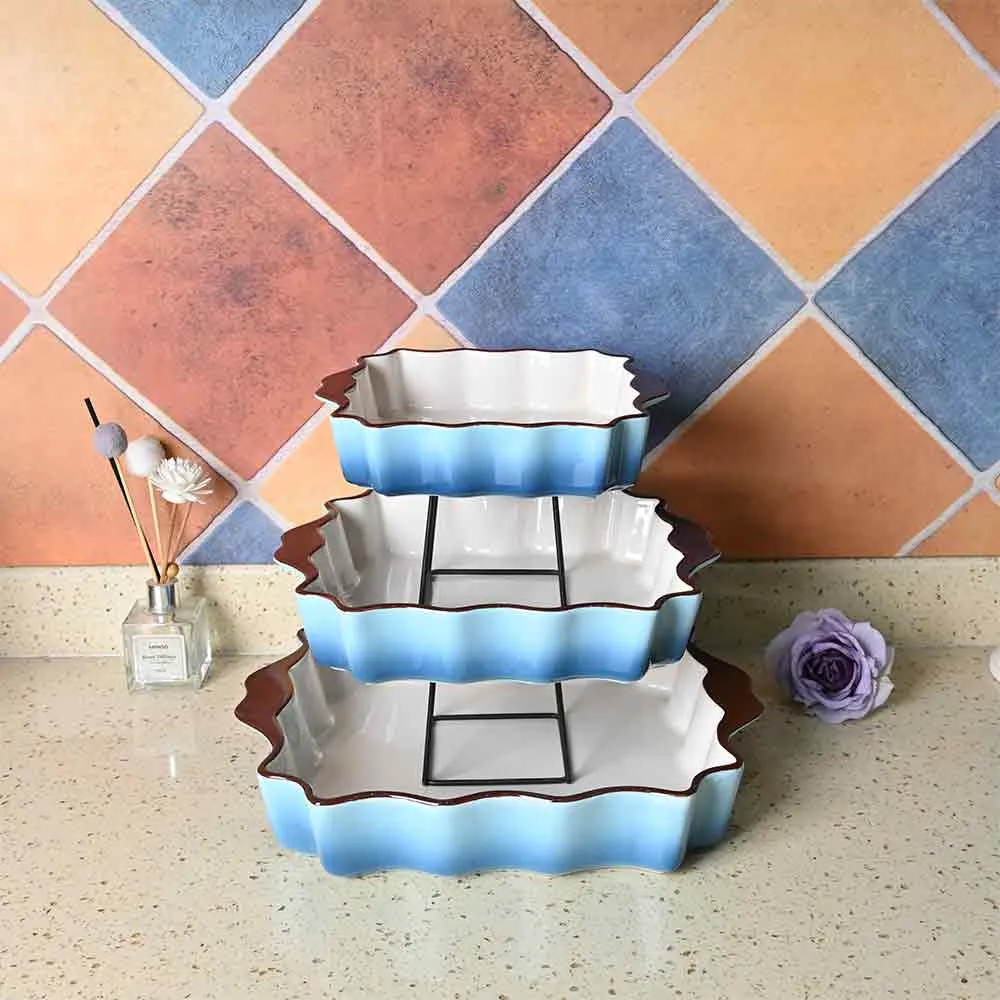
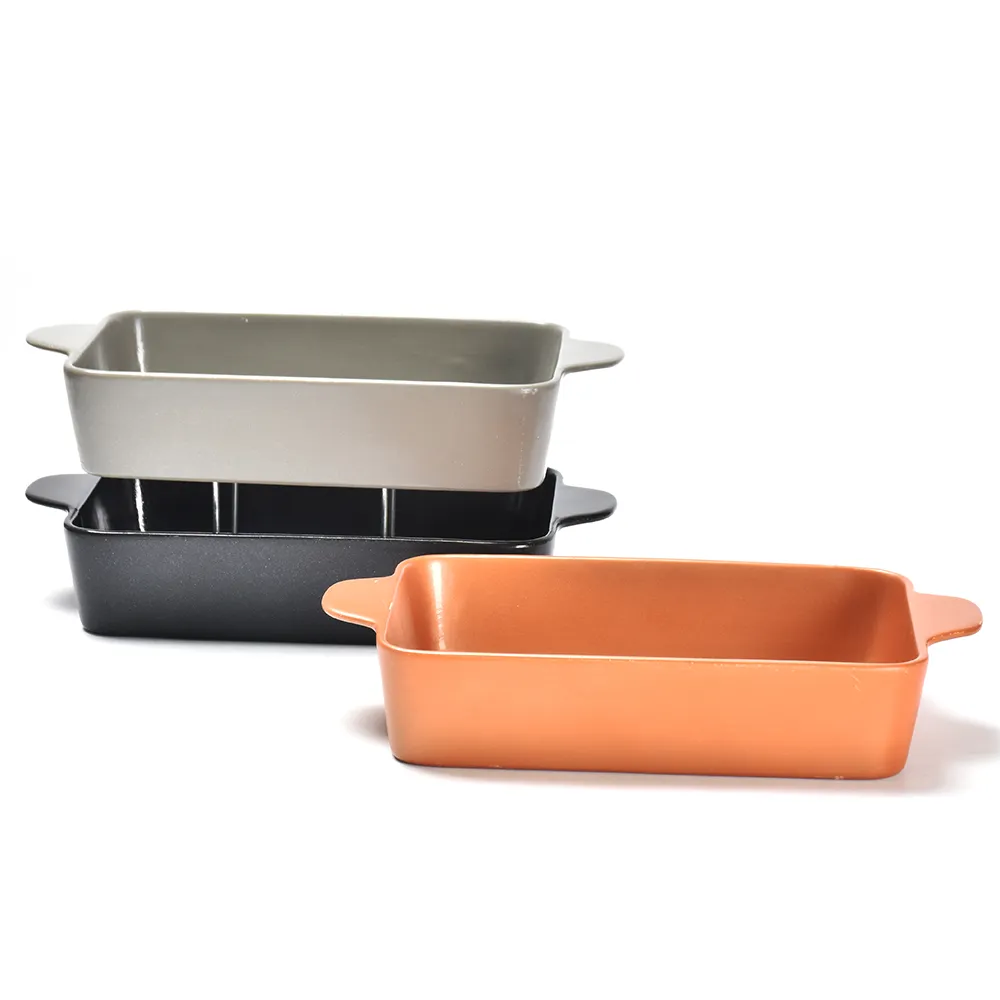
Mistake #2: Ignoring Heat Resistance Testing
The most crucial function of ceramic bakingware is high-temperature resistance.
Some buyers judge product quality solely based on the appearance of samples, without requesting relevant testing data from suppliers.
Pre-purchase recommendations to confirm:
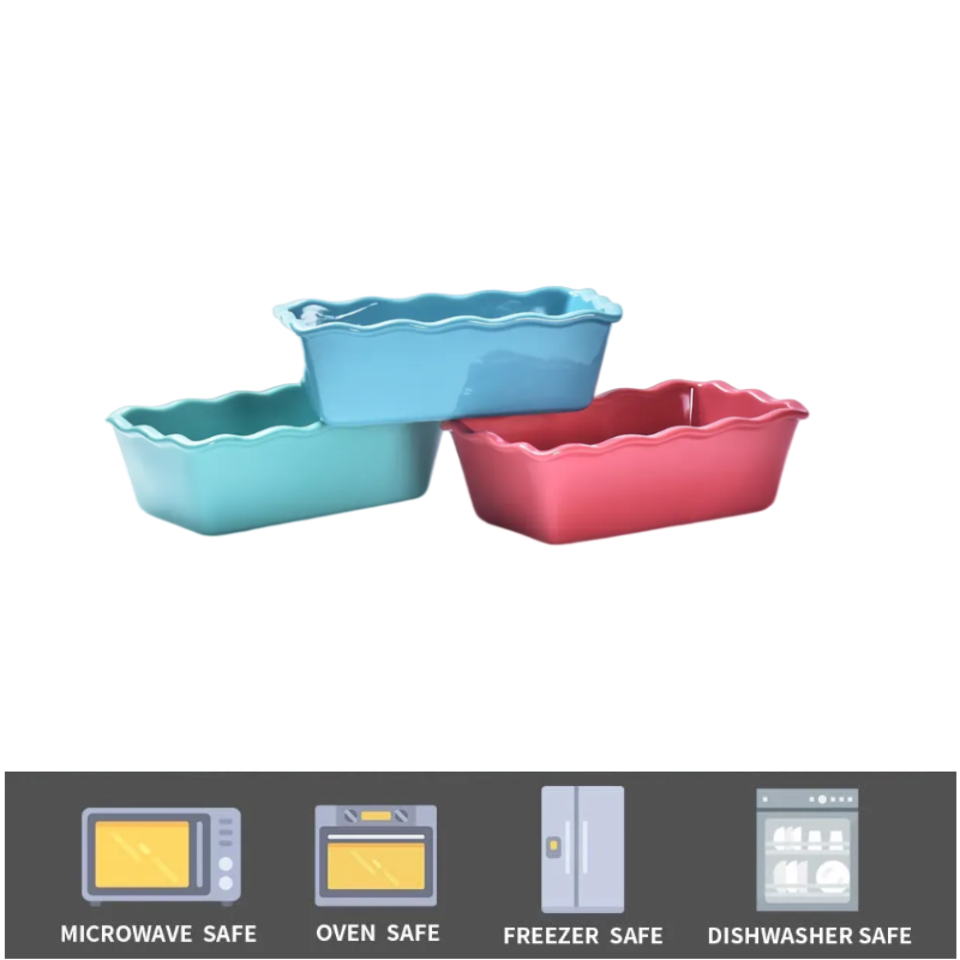
- Oven safe temperature range
- Thermal shock test results
- Microwave oven suitability
- Dishwasher safety
- Hot and cold cycling test data
High-quality wholesale ceramic bakeware should be able to withstand temperature variations in everyday baking environments without cracking or glaze damage.
Mistake #3: Not Understanding the Supplier’s Actual Production Capacity
Excellent samples do not guarantee consistent quality in bulk orders.
Many buyers only discover after confirming an order that the supplier cannot meet their actual production needs.
When selecting a wholesale ceramic bakeware factory, the following should be carefully considered:
Factory Size
- Zone de l'usine
- Number of Employees
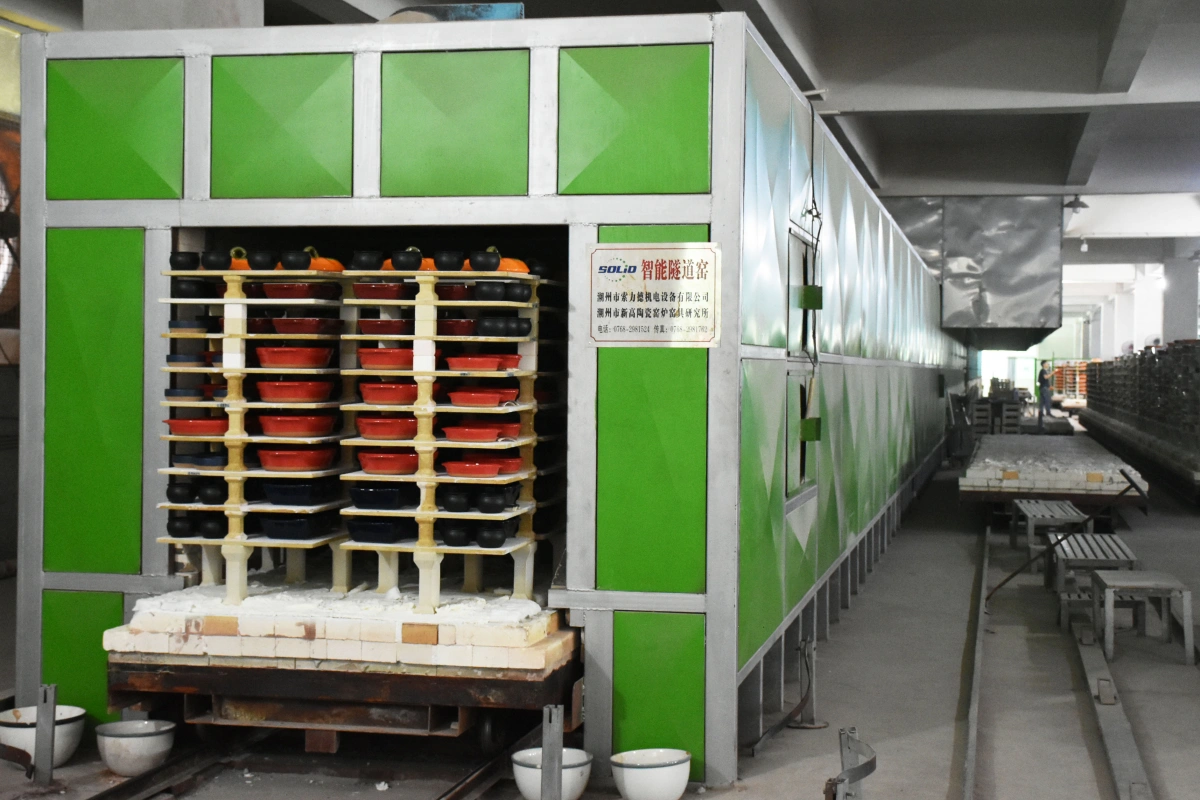
- Automated Equipment
Capacité de production
- Monthly Production Capacity
- Peak Season Production Capacity
- Delivery Cycle
Quality Control System
- Inspection des matières premières
- Production Inspection
- Outgoing Sampling Inspection
These factors directly impact on on-time order delivery.
Mistake #4: Ignoring Food Safety Certification Requirements
Different markets have different regulatory requirements for food contact ceramic products.
Par exemple :
- The US market focuses on FDA standards
- The European market focuses on LFGB standards
- Some countries require heavy metal migration testing


When purchasing wholesale ceramic bakeware, it is essential to confirm in advance:
- Lead content testing
- Cadmium content testing
- Food contact safety testing
- Third-party testing reports
Otherwise, the product may encounter customs clearance issues during import.
Mistake #5: Underestimating the Importance of Packaging
Many buyers focus on the product itself, neglecting packaging design.
In fact, ceramic products are fragile, and packaging quality directly impacts shipping damage rates.
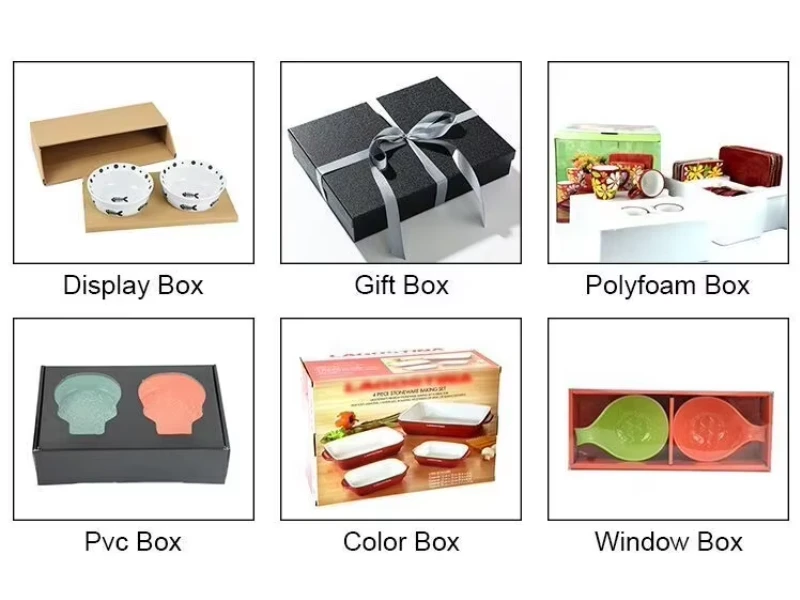
Excellent packaging solutions typically include:
- Drop test verification
- Thickened corrugated cardboard boxes
- Customized inner tray structures
- E-commerce shipping packaging solutions
For cross-border shipping, excellent packaging can significantly reduce breakage rates and after-sales costs.
Mistake #6: Failure to Plan OEM/ODM Projects in Advance
As market competition intensifies, it is increasingly difficult to establish a brand advantage.
Many buyers only consider custom development after sales have matured, often missing the market window.
Lors de l'approvisionnement wholesale ceramic bakeware, it is recommended to evaluate the supplier’s:
OEM Capabilities
- Logo Customization
- Personnalisation des emballages
- Label Customization
ODM Capabilities
- Product Design
- Mold Development
- Color Innovation
- Series Development
Suppliers with mature Capacités OEM/ODM can help brands quickly create differentiated products.
Mistake #7: Focusing Only on One-Time Purchases Rather Than Long-Term Partnerships
The value of an excellent supply chain far exceeds a single successful order.
Long-term partnerships help buyers gain:
- A more stable pricing system
- Priority production opportunities
- Faster new product development
- Better quality control
- Greater supply chain transparency
Therefore, when selecting a wholesale ceramic bakeware supplier, in addition to the product itself, the company’s development capabilities, management level, and willingness to cooperate should also be evaluated.
How to Choose a Reliable Wholesale Ceramic Bakeware Supplier?
If you are looking for a long-term partner, we recommend focusing on the following aspects:
- Industry experience exceeding 10 years
- Des capacités OEM/ODM bien établies
- Experience collaborating with international brands
- A complete quality management system
- Stable production capacity
- Passing relevant food safety tests
- Global export experience
Suppliers meeting these criteria typically provide brands and wholesalers with more stable cooperation guarantees.
Partenaire de Qunfa Ceramics
Since 1993, Céramiques Qunfa has focused on the research and development and manufacturing of household ceramic products, and is one of China’s leading ceramic manufacturers. The company has a modern production base of over 30,000 square meters and more than 400 professional employees, and has long provided product solutions for internationally renowned brands such as Walmart, Costco, Aldi, Disney, C&B, and Michaels.
As an experienced manufacturer of wholesale ceramic bakeware, Céramiques Qunfa not only provides high-quality ceramic baking utensils but also possesses mature OEM and ODM development capabilities, offering product design, mold development, packaging customization, and branded production tailored to customer needs.
If you are looking for a reliable ceramic baking utensil supplier, please contact Qunfa Ceramics for samples, quotations, and customized solutions to jointly create a competitive ceramic product line.
FAQ
What is the typical lead time for custom wholesale ceramic bakeware orders?
For standard open-mold products, typical production lead times range between 45 to 60 days. For custom OEM/ODM projects requiring new mold development, allow an additional 15 to 21 days for design verification, mold casting, and initial sample approvals.
What is the Minimum Order Quantity (MOQ) for custom-colored glazes?
Because large-scale tunnel kilns require continuous operation for optimal heat efficiency, the MOQ for custom reactive or solid-colored glazes typically ranges from 1,000 to 3,000 pieces per shape/color, depending on the item’s physical size and production complexity.