Ceramic Juicer Safety Guide: Learn how citric acid affects glaze.
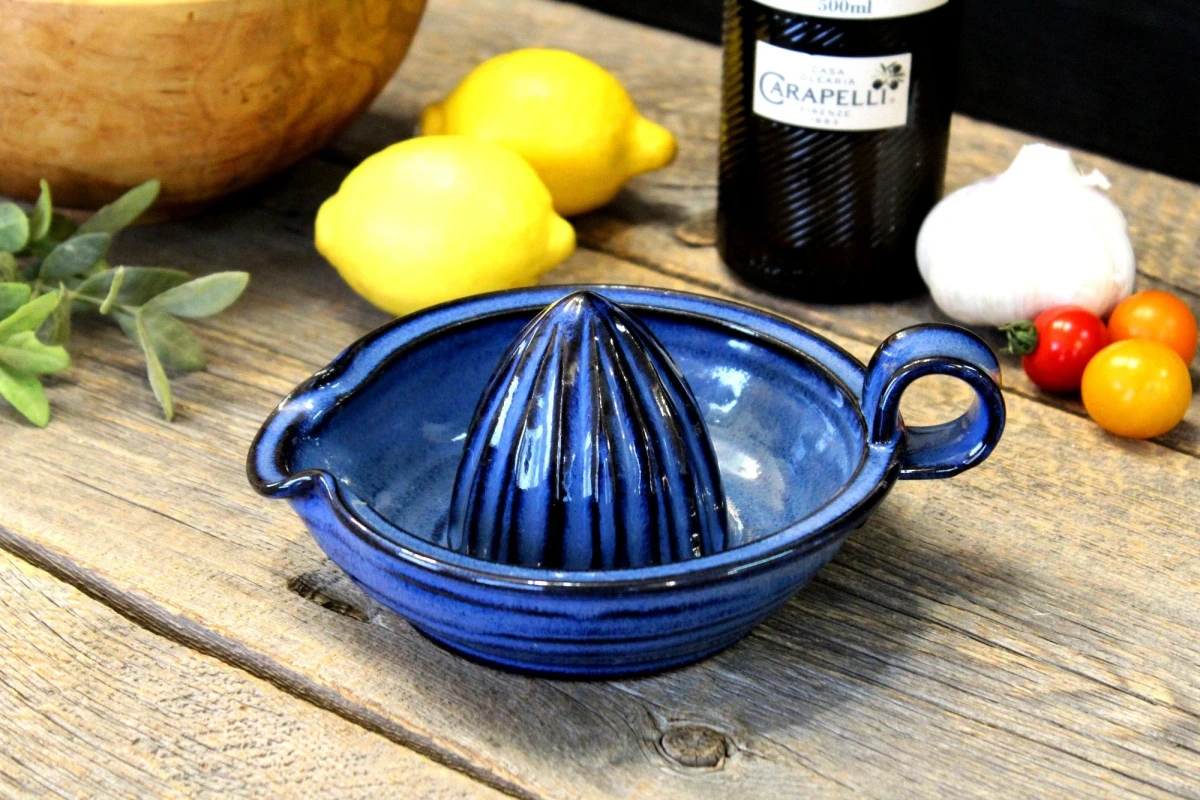
Will Lemon Juice Corrode Ceramic? In-depth Analysis of the Effects of Acidity on Ceramic
In today’s pursuit of a healthy lifestyle, a glass of freshly squeezed lemonade has become a morning habit for many. Among the many juicing tools, the ceramic juicer has become a favorite in the high-end kitchenware market due to its natural, aesthetically pleasing, and odor-free properties.
However, a professional question has arisen that troubles consumers:
Will the high acidity of lemon juice corrode ceramic juicer surfaces?
1. The “Chemical Game” Between Ceramic and Acidic Substances
Lemon juice contains a high concentration of citric acid, with a pH value typically between 2.0 and 3.0. To answer whether lemon juice corrodes ceramics, we need to break down its structure:
- Body: The base material of ceramics is usually clay and minerals, which become extremely hard after high-temperature sintering.
- Glaze: A thin, glassy layer covering the body. This “glass shell” is the first line of defense against direct contact with lemon juice.
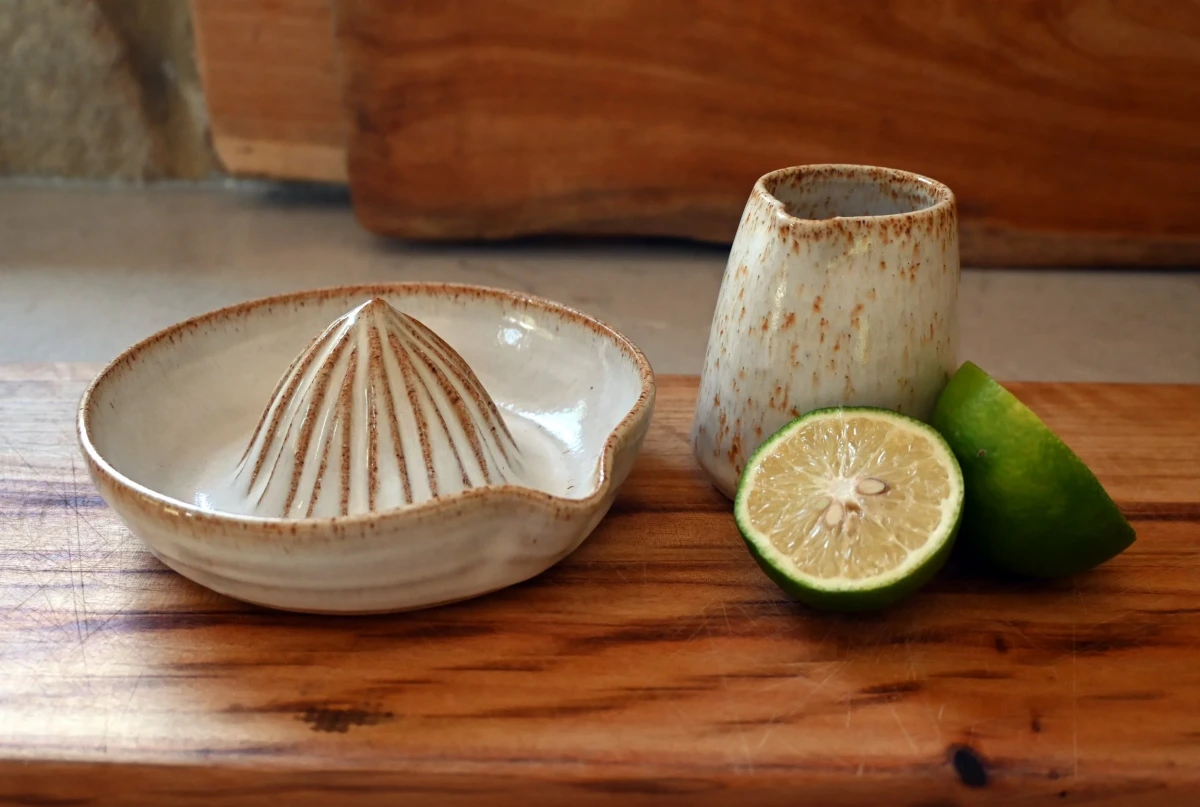
Conclusion: High-quality, high-temperature fired ceramic glazes have extremely strong resistance to acids and alkalis; lemon juice has virtually no chemical impact on them. However, if the product uses a “low-temperature glaze” or “overglaze” process, prolonged contact with strong acids can indeed damage the glaze structure, resulting in loss of luster, discoloration, or even microcracks.
2. Risks of Inferior Ceramics in Acidic Environments
Not all ceramics are resistant to lemon juice. Some low-cost, non-professional ceramic juicers on the market may present the following risks when exposed to citric acid:
- Heavy Metal Latent: Some beautifully decorated tableware uses an “overglaze” process (the pattern is on top of the glaze). If the firing temperature is insufficient, citric acid can dissolve heavy metals—such as lead and cadmium—present in the colored glaze, causing them to leach directly into the fruit juice and pose a risk to health.
- Glaze Etching: Acidic liquids can slowly penetrate the microscopic pores of lower-quality glazes, causing the surface to lose its smooth finish and become rough or gritty; in severe cases, this can even result in permanent, unremovable stains.
- Structural Embrittlement: For low-quality ceramics subjected to prolonged acid exposure, the surface glaze undergoes changes in tension. This makes the item more susceptible to cracking or shattering when filled with hot liquids or subjected to even minor physical impacts.
3. Why is Qunfa’s Ceramic Juicer a Safe Choice?
As a professional ceramics manufacturer with 30 years of experience, Qunfa Ceramics has specifically optimized its production processes during the development of wholesale ceramic juicers to withstand the challenges posed by acidic food environments:
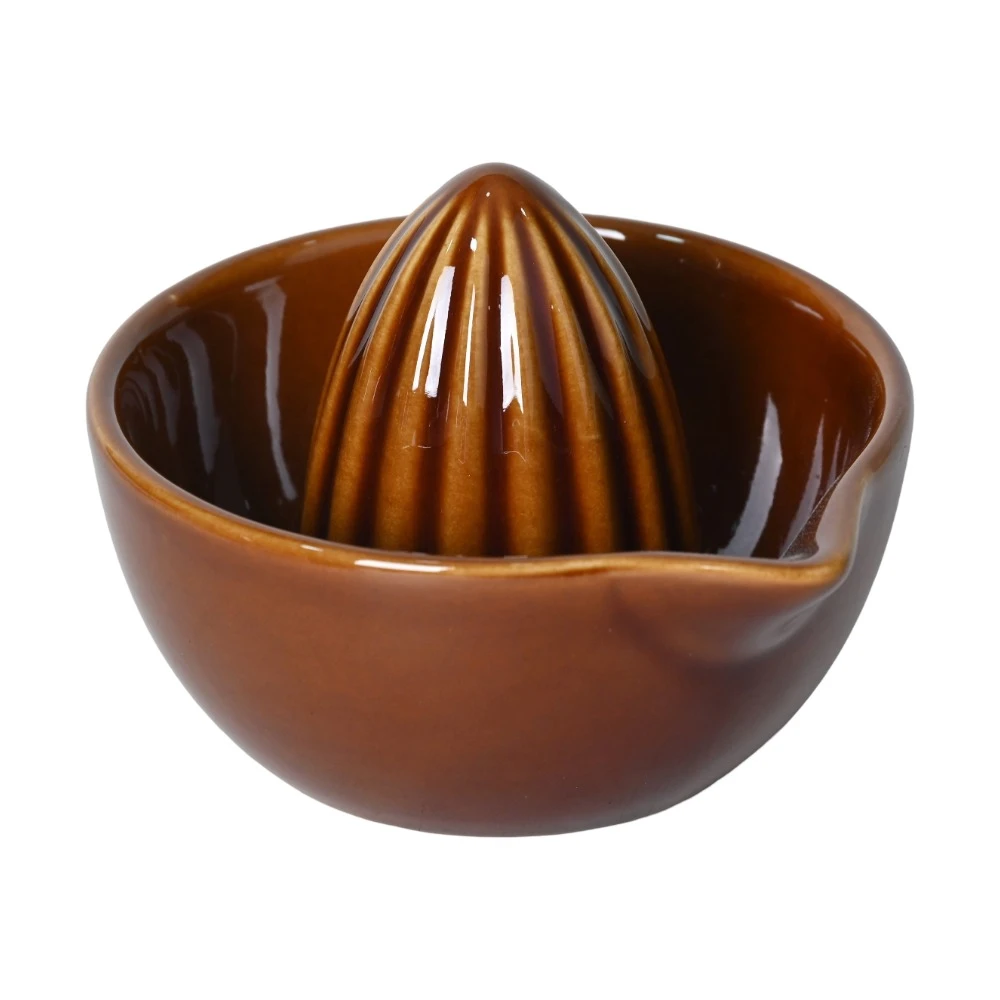
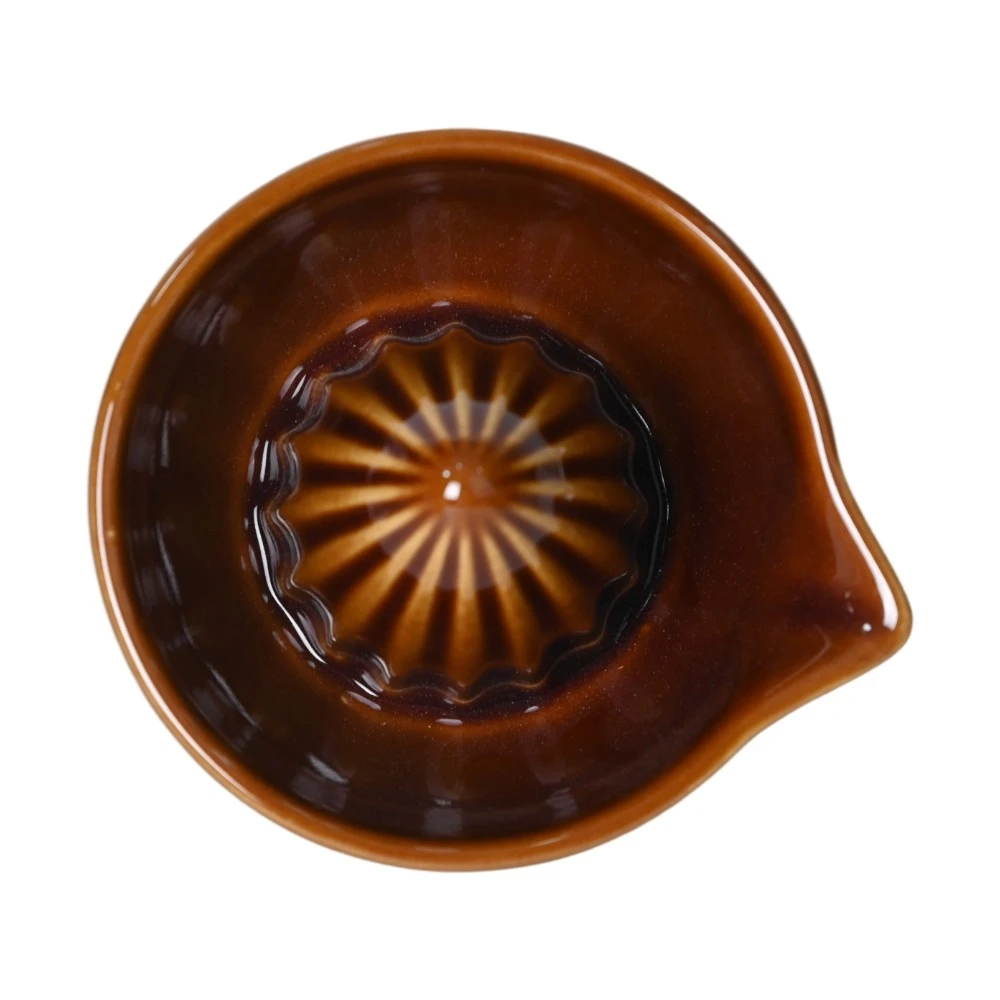
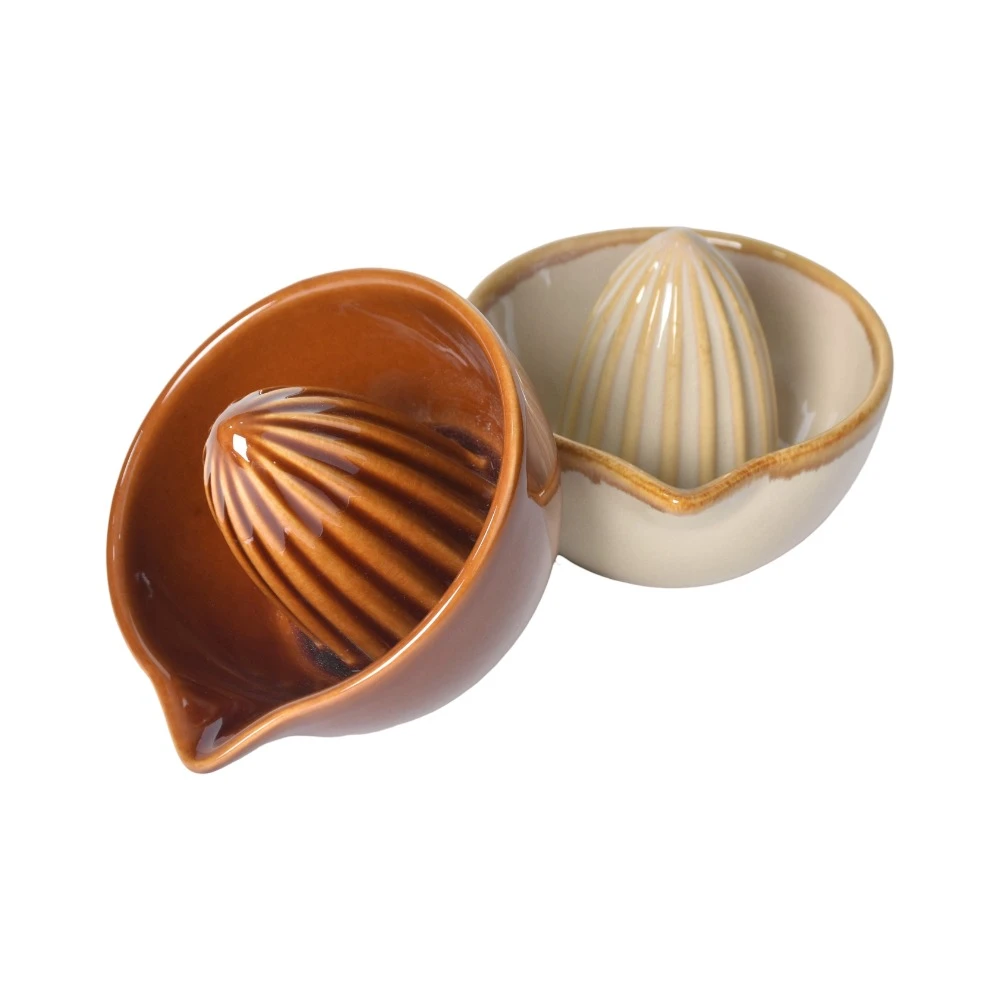
- High-Temperature Firing (1250°C+): We utilize an advanced high-temperature porcelain firing technique that creates a dense silicate glass phase within the glaze. This ensures that the material maintains its physical and chemical stability, even when exposed to high concentrations of citric acid.
- Rigorous Lead and Cadmium Testing: Our ceramic juicers meet international safety standards for food contact materials. As a designated supplier for major retailers such as Walmart, Costco, and Disney, every single juicer we produce undergoes rigorous acid-resistance testing to guarantee that it is completely non-toxic and harmless.
- Superior Impermeability: Our glaze features an extremely low water absorption rate. This not only provides excellent resistance to corrosion but also effectively prevents fruit juice pigments from staining the surface, ensuring the juicer remains pristine and white—looking as good as new—even after years of use.
4. How to Extend the Lifespan of Your Ceramic Kitchenware?
Even with high-quality ceramic juicers, proper care and maintenance can significantly extend their lifespan:
- Wash Immediately After Use: After using your ceramic juicer, rinse it under running water as soon as possible to prevent acidic residues from drying and adhering to the surface.
- Gentle Cleaning: We recommend using a soft sponge or dishcloth for cleaning. Avoid using coarse steel wool or abrasive scrubbers, as these can leave microscopic scratches on the glaze—invisible to the naked eye—that create vulnerable entry points for acidic substances to attack.
- Regular Inspection: If the surface of your ceramic ware shows visible signs of acid corrosion (such as a loss of glaze or a rough texture to the touch), we recommend replacing the item promptly.
About Qunfa Ceramics
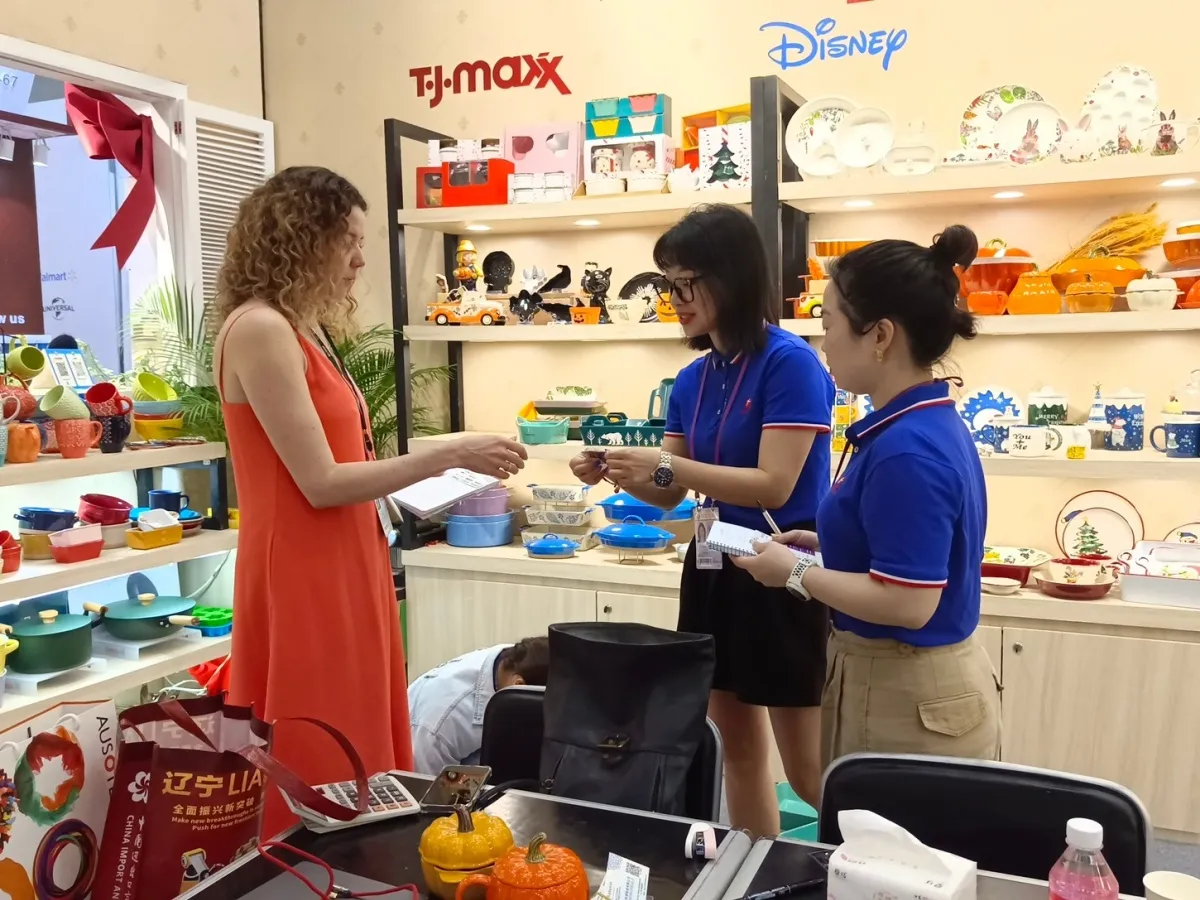
Qunfa Ceramics was established in 1993 and stands as a leading modern enterprise dedicated to the R&D and manufacturing of household ceramics. Boasting a state-of-the-art production facility spanning 30,000 square meters and a team of over 400 seasoned professionals, we have leveraged our exceptional OEM/ODM capabilities and deep industry expertise to become a pivotal link in the global ceramics supply chain.
As a designated partner for international giants such as Walmart, Costco, Aldi, Disney, C&B, and Michaels, we not only produce high-quality ceramic juicers, bakeware, and dinnerware, but also diversify into cross-category products—including ceramic pet supplies and gardening accessories—to meet the ever-growing demands of the global market through a multifaceted product portfolio.
Building Brand Value Together
Are you searching for a ceramics manufacturer that seamlessly combines cutting-edge design with rigorous quality control?
Qunfa Ceramics cordially invites wholesalers, retail brands, and gift suppliers worldwide to explore opportunities for deep collaboration. We offer:
- Custom Development (ODM): Our design team can create exclusive ceramic product lines tailored specifically to your brand’s positioning.
- Efficient Production (OEM): Supported by a production workforce of 400 professionals and automated machinery, we ensure the precise and timely delivery of large-volume orders.
- International Compliance: Our comprehensive quality management system ensures that your products meet global standards, allowing them to easily access major retail channels worldwide.
If you are looking to enhance the competitiveness of your ceramic product line, or have specific project requirements:
Please do not hesitate to contact us; we are ready to provide you with expert industry insights and highly competitive pricing proposals.